
In the dynamic world of personal finance, the seemingly simple question of “what banks have the best interest rates?” is anything but. For savers, a higher interest rate means their money works harder, growing more substantially over time. For borrowers, a lower interest rate translates to reduced costs over the life of a loan. Yet, identifying the “best” rates requires a nuanced understanding of economic factors, different financial products, and individual financial goals. This article will demystify the landscape of interest rates, guiding you through the critical factors that influence them, where to find the most competitive offerings, and strategies for making your money work hardest for you. Whether you’re looking to maximize your savings, minimize borrowing costs, or simply gain a clearer picture of the financial ecosystem, understanding interest rates is fundamental to sound financial health.
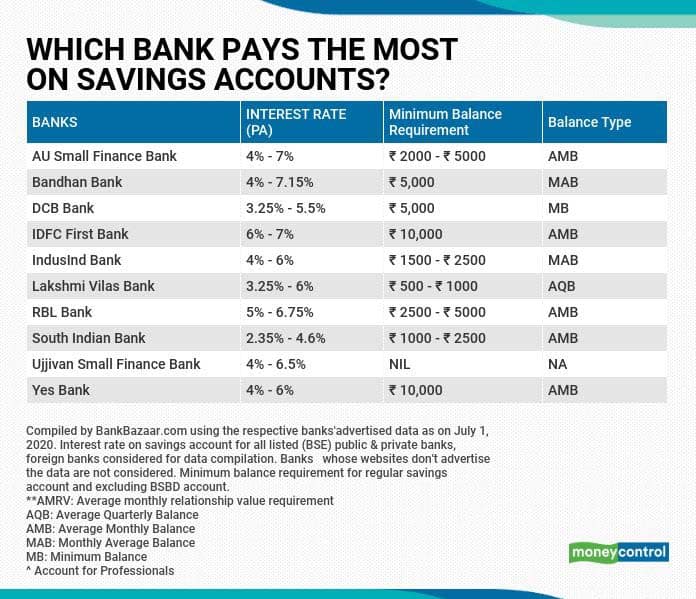
Understanding Interest Rates and Why They Matter
Interest rates are the lifeblood of the financial system, representing the cost of borrowing money or the return on lending it. For individuals, they dictate how quickly savings accounts grow and how expensive loans and credit cards can be. Grasping the fundamentals of interest rates is the first step toward making informed financial decisions.
Types of Interest Rates
When discussing interest rates, it’s crucial to distinguish between various types, as they apply to different financial products and scenarios:
-
Savings Rates: These are the rates banks pay depositors for keeping money in savings accounts, money market accounts, and certificates of deposit (CDs). Higher savings rates mean your deposited money accrues more interest, increasing your wealth over time. These rates are typically expressed as Annual Percentage Yield (APY), which accounts for compounding.
-
Lending Rates: Conversely, lending rates are what banks charge borrowers for loans, such as mortgages, auto loans, personal loans, and credit cards. These are often expressed as Annual Percentage Rate (APR). Lower lending rates reduce the total cost of borrowing, making debt more manageable.
-
Variable vs. Fixed Rates:
-
Fixed rates remain constant over the life of the financial product. This offers predictability, making it easier to budget for loan payments or forecast savings growth. Many CDs and traditional mortgages offer fixed rates.
-
Variable rates can change over time, typically tied to a benchmark interest rate (like the prime rate or SOFR). While they might start lower, they introduce uncertainty, as they can increase or decrease, impacting future payments or earnings. Adjustable-rate mortgages (ARMs) and many credit cards have variable rates.
-
The Impact of Interest on Savings and Debt
The power of compounding interest is perhaps the most significant concept for savers. When you earn interest on your initial deposit and on the accumulated interest from previous periods, your money grows exponentially. Even a slight difference in APY can lead to substantial gains over years. For example, a $10,000 deposit earning 0.50% APY will accrue significantly less over ten years than one earning 4.00% APY. The difference could be thousands of dollars.
On the flip side, interest dramatically impacts debt. High-interest debt, such as credit card balances, can quickly spiral out of control due to compounding. A high APR means a larger portion of your monthly payment goes towards interest, leaving less to reduce the principal. Understanding these mechanics empowers you to prioritize paying down high-interest debt and strategically save in accounts that offer competitive returns.
Key Factors Influencing Bank Interest Rates
Bank interest rates are not set arbitrarily; they are a complex interplay of macroeconomic forces, institutional strategies, and product-specific considerations. Understanding these underlying factors helps consumers predict rate movements and identify where the best opportunities lie.
Economic Climate and Federal Reserve Policy
The most dominant force shaping interest rates is the broader economic environment, heavily influenced by central bank policies. In the United States, the Federal Reserve sets the federal funds rate, which is the target rate for overnight lending between banks.
-
When the Fed raises the federal funds rate, it typically signals an effort to combat inflation or cool an overheating economy. This makes borrowing more expensive for banks, a cost they pass on to consumers through higher lending rates (e.g., mortgages, car loans) and, often, more attractive savings rates to attract deposits.
-
Conversely, when the Fed lowers rates, it aims to stimulate economic activity during slowdowns or recessions. This makes borrowing cheaper, encouraging spending and investment, but it generally leads to lower savings rates.
Monitoring the Fed’s actions and general economic indicators like inflation and unemployment is crucial for anticipating rate changes.
Bank Business Models and Overhead
Different types of financial institutions operate with varying business models, which directly affect their ability to offer competitive rates.
-
Traditional Brick-and-Mortar Banks: These institutions incur significant overhead costs associated with maintaining physical branches, staffing, and extensive ATM networks. This higher operating expense often translates to lower savings rates and potentially higher lending rates compared to their online counterparts, as they need to cover their operational costs and still generate profit.
-
Online-Only Banks: Without the burden of physical branches, online banks have substantially lower operating costs. This efficiency allows them to pass savings onto customers in the form of higher APYs on savings accounts and CDs, and sometimes lower APRs on loans. Their business model is built on digital efficiency and attracting deposits through superior rates.
-
Credit Unions: As not-for-profit cooperative financial institutions owned by their members, credit unions often prioritize returning profits to members through better rates and lower fees. They frequently offer highly competitive savings rates and lower loan rates, though membership eligibility requirements can exist.
Account Types and Balances
The specific type of account and the balance held within it also significantly impact the interest rate offered.
-
High-Yield Savings Accounts (HYSAs): These accounts are specifically designed to offer much higher interest rates than standard savings accounts, often found at online banks.
-
Certificates of Deposit (CDs): CDs require you to lock up your money for a fixed term (e.g., 3 months, 1 year, 5 years) in exchange for a fixed, often higher, interest rate. Generally, longer CD terms yield higher interest rates.
-
Money Market Accounts (MMAs): MMAs offer a hybrid approach, providing better rates than traditional savings accounts while still allowing some check-writing or debit card access, though they often come with minimum balance requirements to earn the top tiers of interest.
-
Checking Accounts: While primarily transactional, some checking accounts, especially those with specific requirements (e.g., minimum direct deposit, number of debit card transactions), may offer competitive interest rates on balances up to a certain limit.
-
Balance Tiers: Many accounts, particularly MMAs and some HYSAs, employ tiered interest rates. Larger balances might qualify for slightly higher APYs, incentivizing customers to deposit more.
Navigating the Landscape: Where to Find Top Rates
With a clear understanding of what drives interest rates, the next crucial step is knowing where to look for the most competitive offerings. The banking landscape is diverse, and the “best” bank for one person might not be for another, depending on their priorities and banking habits.
Online Banks vs. Traditional Brick-and-Mortar

The distinction between online-only banks and traditional brick-and-mortar institutions is often the most significant factor in interest rate differentials.
-
Online Banks (e.g., Ally Bank, Discover Bank, Marcus by Goldman Sachs, Capital One 360): These institutions consistently offer some of the highest APYs for savings accounts, money market accounts, and CDs. Their lower operating costs, as discussed, allow them to pass these savings on to customers. They excel in digital features, mobile banking apps, and often have no monthly maintenance fees or minimum balance requirements. For individuals comfortable managing their finances digitally and who don’t require frequent in-person branch visits, online banks are often the go-to for maximizing savings growth.
-
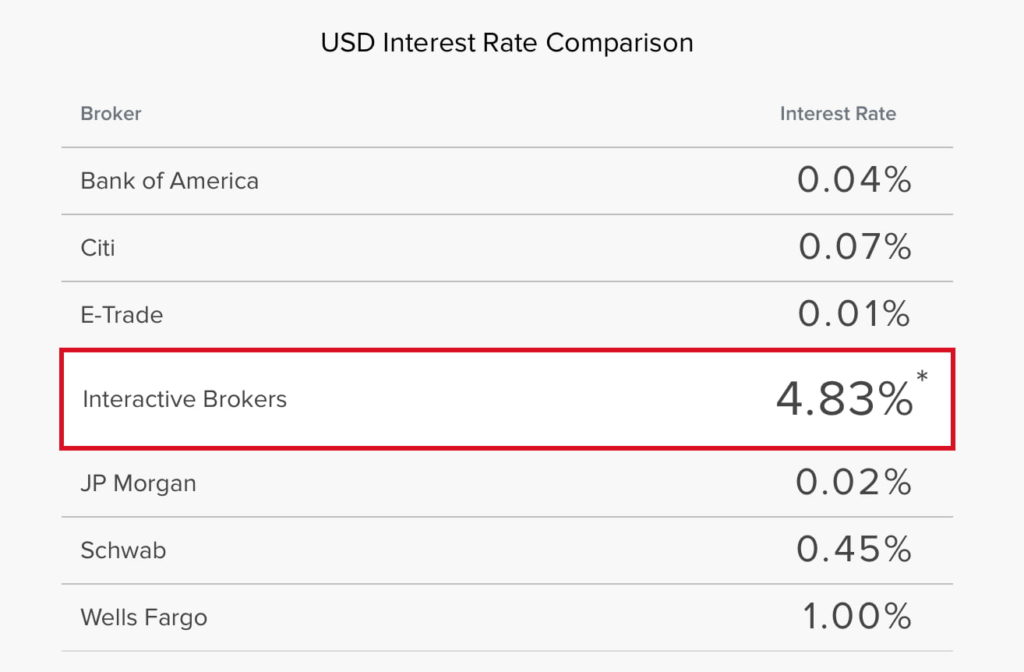
Traditional Banks (e.g., Chase, Bank of America, Wells Fargo, Citibank): While providing extensive branch networks, personal service, and a wide array of products (including complex business loans and wealth management), their standard savings accounts typically offer very low interest rates, often close to 0.01% APY. They sometimes have “relationship” savings accounts that offer slightly better rates for customers who meet certain criteria (e.g., large balances, multiple accounts), but these rarely compete with the top online offerings. Their strength lies in convenience, comprehensive services, and in-person assistance, rather than maximizing interest on basic deposits.
Credit Unions: An Often-Overlooked Alternative
Credit unions are member-owned, not-for-profit financial cooperatives. This fundamental difference means their primary goal isn’t maximizing shareholder profits, but rather providing financial services at the best possible rates and terms to their members.
-
Advantages: Credit unions often offer highly competitive savings rates (sometimes rivaling online banks, especially for specific products or higher balances), lower loan rates (mortgages, auto loans, personal loans), and fewer fees compared to traditional banks. Their customer service is frequently highly rated, and they often have a strong community focus.
-
Considerations: Membership typically requires meeting specific criteria, such as living in a certain geographic area, working for a particular employer, or being associated with a specific organization. Their branch networks might be smaller than large national banks, though many participate in shared branching networks for broader access. For those who qualify, credit unions can be an excellent choice for both savings and borrowing.
Specialized Accounts: High-Yield Savings, CDs, and Money Market
Beyond simply choosing a bank type, selecting the right account type is crucial for optimizing interest earnings.
-
High-Yield Savings Accounts (HYSAs): These are the most popular choice for accessible savings that earn significantly more than traditional accounts. They offer liquidity, allowing you to withdraw funds as needed, typically with monthly transaction limits. Ideal for emergency funds, short-term savings goals, and money you want readily available but still growing.
-
Certificates of Deposit (CDs): CDs are best for money you won’t need for a specific period (e.g., 6 months to 5 years or more). In exchange for locking up your funds, CDs generally offer higher fixed interest rates than HYSAs, with longer terms usually yielding better rates. They are perfect for long-term savings goals where the date of access is predictable, providing guaranteed returns. A “CD ladder” strategy involves staggering CD maturities to maintain some liquidity while still capturing higher rates.
-
Money Market Accounts (MMAs): MMAs are a hybrid, often offering better rates than standard savings accounts while providing some checking account features (e.g., limited check-writing, debit card access). They might have higher minimum balance requirements than HYSAs to earn their best rates. They are suitable for those who need a blend of competitive interest and limited transaction flexibility.
Strategies for Securing the Best Rates
Finding the best interest rates isn’t a one-time task; it’s an ongoing process that requires vigilance, research, and a willingness to adapt. Employing strategic approaches can ensure your money is always working as hard as possible.
Research and Comparison Tools
The digital age has made comparing financial products easier than ever. Numerous online tools and aggregators specialize in tracking and listing the best interest rates available across a wide range of banks and credit unions.
-
Financial Comparison Websites: Sites like Bankrate, NerdWallet, and DepositAccounts.com regularly update lists of the highest-yield savings accounts, CD rates, and money market rates. These platforms allow you to filter by account type, minimum deposit, and institution type, providing a clear overview of the market’s top performers.
-
Direct Bank Websites: Once you’ve identified a few promising institutions, visit their official websites directly to confirm the rates, review terms and conditions, and understand any specific requirements or fees.
-
Read Reviews: Look beyond just the interest rate. Customer reviews can offer insights into an institution’s customer service, digital banking experience, and reliability – all crucial factors for a smooth banking relationship.
Diversifying Your Banking Relationships
You don’t have to keep all your money in one bank. Many savvy consumers employ a multi-bank strategy to optimize different aspects of their financial lives.
-
Transactional Banking: You might keep your primary checking account with a traditional bank or credit union that offers convenient local branches, robust bill pay features, or excellent customer service for your day-to-day needs.
-
High-Yield Savings: For your emergency fund, down payment savings, or other long-term goals, opening a high-yield savings account or CD at an online-only bank is often the best strategy to maximize interest earnings. These accounts typically don’t require frequent access, making the lack of physical branches a non-issue.
-
Specialized Loans: Similarly, you might find the best mortgage rates at one institution, the best auto loan rates at another, and a competitive personal loan rate from a third. Shopping around for each specific loan product is essential to minimize borrowing costs.
Regularly Reviewing and Adjusting Your Strategy
Interest rates are not static. They fluctuate with economic conditions and Federal Reserve policy. What’s a top rate today might be surpassed by another institution tomorrow, or your existing bank might lower its rates.
-
Annual Review: Make it a habit to review your savings and loan rates at least once a year. Check if your current accounts are still competitive.
-
Market Monitoring: Keep an eye on general interest rate trends. If the Federal Reserve is raising rates, new banks might emerge with even better offerings, making it a good time to re-evaluate where you keep your savings.
-
Switching Banks: Don’t be afraid to switch banks or open new accounts if you find significantly better rates elsewhere. While it might seem like a hassle, the long-term benefit of higher earnings or lower costs can be substantial. The process of transferring funds between FDIC-insured accounts is typically straightforward and secure.
Beyond Interest Rates: What Else to Consider
While interest rates are paramount, a holistic approach to choosing a bank involves evaluating several other crucial factors that contribute to your overall financial well-being and banking experience.
Fees and Minimum Balance Requirements
A seemingly high-interest rate can be negated by excessive fees or restrictive minimum balance requirements.
-
Monthly Maintenance Fees: Many checking and savings accounts charge a monthly fee unless certain conditions are met (e.g., minimum balance, direct deposit, number of debit card transactions). Always check if these fees apply and if you can easily waive them. Online banks and credit unions are often better for low-fee or no-fee accounts.
-
Transaction Fees: Be aware of fees for exceeding transaction limits (common in money market and savings accounts), ATM fees (especially out-of-network), or fees for services like wire transfers or stop payments.
-
Minimum Balance to Earn APY: Some high-yield accounts require a certain minimum balance to earn the advertised APY. Ensure your typical balance meets this threshold. If your balance dips below, you might earn a much lower rate or even no interest at all.
Customer Service and Digital Experience
A bank’s responsiveness and ease of use can significantly impact your day-to-day banking.
-
Customer Support: How easy is it to reach a human representative? What are their hours of operation? Check for phone support, live chat, and email options. Good customer service is invaluable when you encounter issues or have questions.
-
Mobile and Online Banking: A robust and intuitive mobile app and online portal are essential, especially for online-only banks. Look for features like mobile check deposit, easy fund transfers, bill pay, budgeting tools, and strong security features.
-
ATM Access: If you frequently need cash, consider the ATM network. Traditional banks have their own networks, while online banks often partner with larger networks (like Allpoint or MoneyPass) or offer ATM fee reimbursements.
FDIC/NCUA Insurance and Security
Above all, the security of your deposits should be non-negotiable.
-
FDIC Insurance: Ensure your bank is insured by the Federal Deposit Insurance Corporation (FDIC). This protects your deposits up to $250,000 per depositor, per ownership category, in the event of a bank failure. Almost all legitimate U.S. banks are FDIC insured.
-
NCUA Insurance: If you choose a credit union, confirm it is insured by the National Credit Union Administration (NCUA). This provides the same $250,000 protection as FDIC insurance.
-
Digital Security: Evaluate the bank’s security measures for online and mobile banking, including multi-factor authentication, encryption, and fraud monitoring. Your financial data should always be protected with the highest standards.
In conclusion, finding the banks with the best interest rates requires diligent research, a clear understanding of your financial needs, and a willingness to explore beyond conventional options. By prioritizing high-yield savings for your deposits and strategically seeking low-APR loans, while also considering crucial factors like fees, customer service, and security, you can build a robust financial foundation that maximizes your money’s potential and aligns with your personal finance goals. The best interest rate is often found where convenience meets optimal financial return.
aViewFromTheCave is a participant in the Amazon Services LLC Associates Program, an affiliate advertising program designed to provide a means for sites to earn advertising fees by advertising and linking to Amazon.com. Amazon, the Amazon logo, AmazonSupply, and the AmazonSupply logo are trademarks of Amazon.com, Inc. or its affiliates. As an Amazon Associate we earn affiliate commissions from qualifying purchases.