
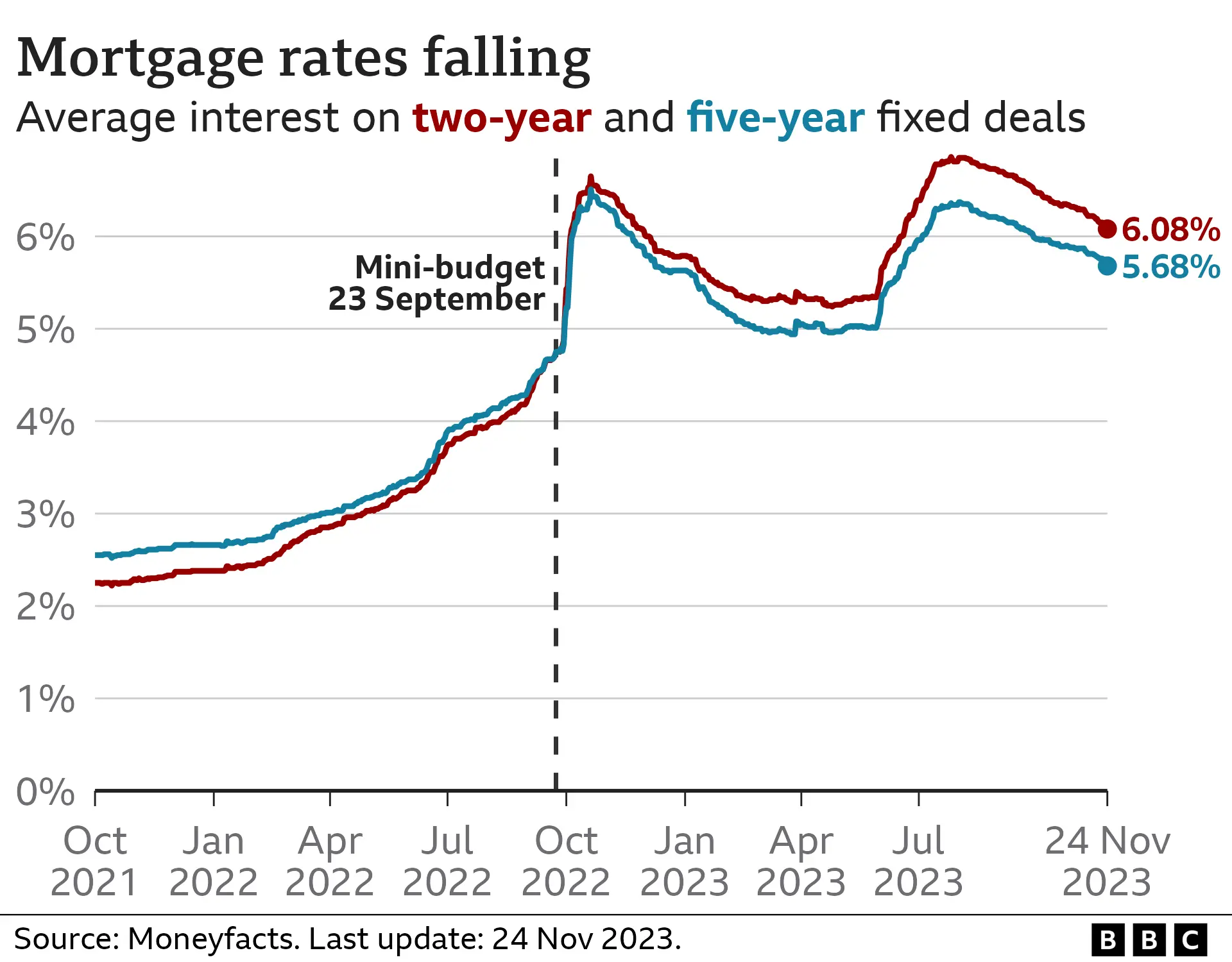
The trajectory of mortgage interest rates remains the most pivotal question for homebuyers, real estate investors, and the broader financial sector. After a decade of historic lows, the sudden and aggressive ascent of borrowing costs has fundamentally reshaped the landscape of personal finance. Understanding where rates are headed requires a deep dive into the complex interplay of central bank policy, inflationary pressures, and the secondary bond market. As we navigate a period of economic recalibration, the path forward for mortgage rates is less about a return to “normal” and more about the search for a new equilibrium.
The Macroeconomic Drivers of Mortgage Pricing
To understand the direction of mortgage rates, one must first look at the mechanisms that govern them. It is a common misconception that the Federal Reserve directly sets mortgage rates. In reality, mortgage rates are primarily influenced by the yield on the 10-year Treasury note. However, the Federal Reserve’s influence is undeniable through its control of the federal funds rate and its management of its balance sheet.
The Federal Reserve’s Monetary Tightening
The Federal Reserve has spent the last two years engaged in a concerted effort to curb inflation, which peaked at levels not seen in forty years. By raising the federal funds rate, the central bank increases the cost of borrowing for banks, which eventually trickles down to consumers. As the Fed signals a “higher for longer” stance, mortgage lenders adjust their risk premiums accordingly. The future of rates is tethered to the Fed’s confidence that inflation is sustainably returning to its 2% target. Until that confidence is solidified, downward pressure on rates will remain minimal.
The Spread Between Treasuries and Mortgages
Historically, the gap between the 10-year Treasury yield and the 30-year fixed-rate mortgage has hovered around 1.5 to 2 percentage points. In recent months, this spread has widened significantly, at times exceeding 3 percentage points. This expansion reflects heightened volatility and a lack of liquidity in the mortgage-backed securities (MBS) market. As the Fed continues “quantitative tightening”—reducing its holdings of MBS—the market must find new private buyers. For mortgage rates to drop significantly without a corresponding drop in Treasury yields, this spread must compress, which will only happen once market volatility subsides and the economic outlook becomes more predictable.
Inflation and Labor Market Dynamics
Mortgage rates are essentially a hedge against future inflation. If lenders expect the purchasing power of the dollar to erode, they demand higher interest rates to compensate for the risk. Recent Consumer Price Index (CPI) reports have shown a cooling trend, but the labor market remains stubbornly resilient. High employment numbers often lead to wage growth, which can keep service-sector inflation sticky. For mortgage rates to take a meaningful leg down, the market needs to see a “goldilocks” scenario: a cooling labor market that doesn’t slide into a deep recession, combined with consistent monthly declines in core inflation.
Current Market Trends and Expert Projections
Financial analysts and institutional economists are currently divided on the timing of rate cuts, but a general consensus is beginning to emerge regarding the long-term ceiling. We are likely past the peak of the current interest rate cycle, but the descent is expected to be a slow “glide path” rather than a steep drop.
The Forecast for Late 2024 and 2025
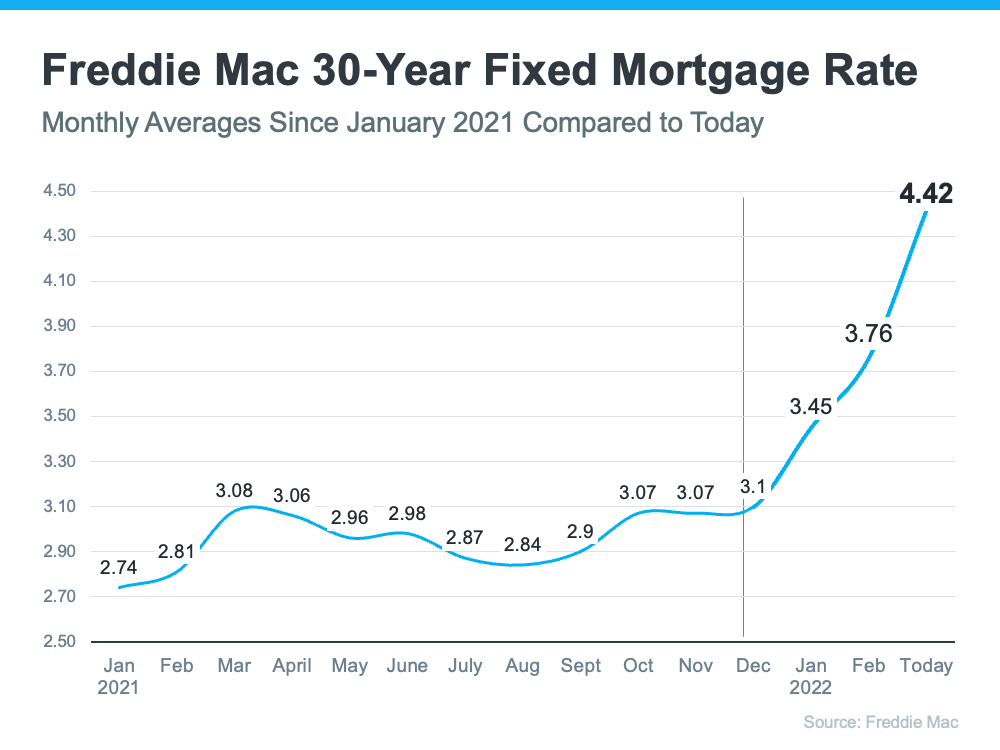
Most major financial institutions, including the Mortgage Bankers Association and Fannie Mae, project that mortgage rates will fluctuate in the mid-to-high 6% range through the remainder of the current fiscal year. Looking toward 2025, if inflation continues its downward trajectory, we could see rates settle into the high 5% or low 6% range. While this is significantly higher than the 3% rates seen during the pandemic era, it is important to remember that the historical average for a 30-year fixed mortgage over the last 50 years is approximately 7.7%. We are moving toward a period of stabilization where the “sticker shock” of higher rates begins to fade into the background of a new financial reality.
The Impact of Quantitative Tightening
The Federal Reserve’s balance sheet reduction program is a “silent” driver of rates. By not reinvesting the proceeds of maturing mortgage-backed securities, the Fed is effectively removing a major buyer from the market. This forces mortgage rates higher to attract private capital. Market observers are watching closely for any signals that the Fed might taper its balance sheet runoff. Such a move would be a bullish signal for the housing market, potentially leading to a reduction in the mortgage-to-Treasury spread and lower rates for the end consumer.
Global Economic Influence
The United States does not exist in a financial vacuum. The monetary policies of the European Central Bank and the Bank of Japan also impact global bond yields. If foreign investors find U.S. Treasuries more attractive due to higher relative yields, increased demand can drive bond prices up and yields down, indirectly lowering U.S. mortgage rates. Conversely, geopolitical instability or economic shifts abroad can create “flight to safety” events that cause sudden, short-term fluctuations in the mortgage market.
Impact on Personal Finance and Homeownership Strategies
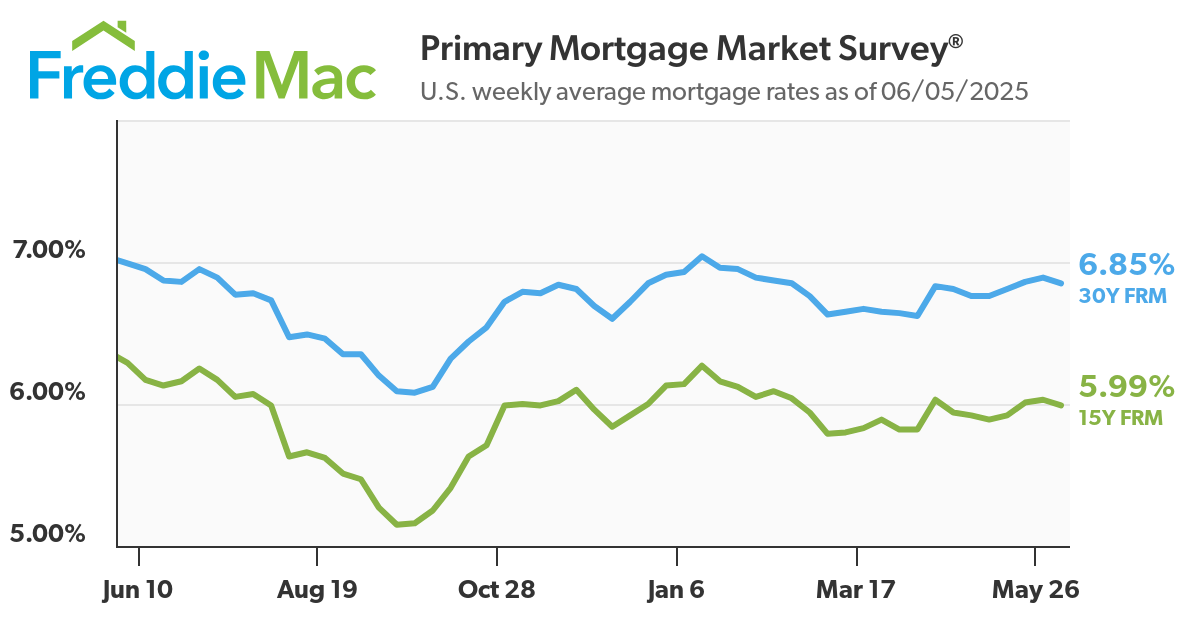
The shift in interest rates has fundamentally altered the math of homeownership. Buyers who could afford a $500,000 home at 3% interest are now looking at a significantly lower purchase price to keep their monthly payments the same. This has led to a variety of strategic shifts in how consumers manage their debt and assets.
The “Lock-in Effect” and Inventory Constraints
One of the most significant consequences of the rate hike cycle is the “lock-in effect.” Millions of homeowners currently hold mortgages with rates below 4%. For these individuals, moving to a new home involves trading a low-cost debt for a high-cost one, creating a powerful incentive to stay put. This has resulted in a historic shortage of existing homes for sale, which has paradoxically kept home prices elevated despite higher borrowing costs. For those wondering where rates are going, the answer will largely dictate when this inventory “thaw” begins. A drop toward the 5% range is widely considered the “magic number” that would entice many of these homeowners to list their properties.
Evaluating the “Marry the House, Date the Rate” Strategy
A popular mantra in the current market is “marry the house, date the rate.” This suggests that buyers should purchase now to avoid further home price appreciation and plan to refinance when rates eventually drop. From a financial planning perspective, this strategy carries inherent risks. It assumes that rates will indeed drop significantly and that the homeowner will have enough equity and a high enough credit score to qualify for a refinance in the future. Financial experts recommend that buyers only purchase if they can comfortably afford the monthly payment at current rates, treating a future refinance as a potential bonus rather than a necessity for financial survival.
The Rise of Adjustable-Rate Mortgages (ARMs)
As fixed rates remains elevated, more consumers are turning to Adjustable-Rate Mortgages. These products often offer a lower introductory rate for the first five, seven, or ten years. For a buyer who plans to sell or expects a significant increase in income before the adjustment period begins, an ARM can be a sophisticated tool to lower initial costs. However, in an uncertain interest rate environment, ARMs require a disciplined financial approach and a clear exit strategy to avoid the “payment shock” that can occur when the rate resets.
Strategic Investing in a High-Rate Environment
For real estate investors and business owners, the current interest rate environment demands a move away from the speculative strategies of the last decade toward a focus on fundamental value and cash flow.
Debt Service Coverage and Cash Flow Analysis
In a low-rate environment, even marginal properties could generate positive cash flow. Today, the margin for error has narrowed. Investors are increasingly focusing on the Debt Service Coverage Ratio (DSCR)—the ratio of a property’s net operating income to its debt obligations. High mortgage rates mean that investors must either find properties with higher cap rates or put down larger down payments to ensure the asset remains cash-flow positive. This environment favors “value-add” investors who can increase a property’s income through renovations or better management, rather than those relying purely on market appreciation.
Creative Financing and Seller Carry-Backs
When traditional bank financing becomes expensive, creative financing becomes essential. We are seeing a resurgence in “subject-to” deals and seller carry-back financing. In these scenarios, a buyer may take over the seller’s existing low-rate mortgage or negotiate a private loan with the seller at a rate lower than the current market average. These strategies require sophisticated legal and financial structuring but can provide a competitive edge for investors who can solve a seller’s problem while securing favorable debt.
The Role of Cash Reserves
In a high-interest-rate world, cash is once again king. Investors with high liquidity are able to strike quickly when distressed opportunities arise, without being hampered by the hurdles of traditional lending. Furthermore, for those with existing variable-rate debt, maintaining robust cash reserves is critical for weathering potential increases in debt service costs. The current environment rewards those with strong balance sheets and punishes those who are over-leveraged.
Long-Term Outlook: Adapting to the New Normal
Predicting the exact floor of mortgage interest rates is an impossible task, as it depends on variables that are constantly in flux. However, the era of “free money” is clearly over. The financial markets are resetting to a paradigm where capital has a real cost, and risk must be priced accordingly.
The most likely path forward is one of gradual moderation. As the Federal Reserve moves from a stance of active tightening to one of neutral maintenance, the volatility that has plagued the mortgage market is likely to subside. This stability will be as important as the rates themselves, allowing for more predictable financial planning and a healthier turnover in the housing market.
For the individual, the focus should remain on the long-term fundamentals of personal finance: maintaining a high credit score to secure the best available spreads, diversifying assets to hedge against inflation, and making housing decisions based on life needs rather than market timing. Mortgage rates will move in cycles, but the principles of sound investing and debt management remain constant. Whether rates are at 4% or 8%, the goal is the same—building sustainable wealth through disciplined financial action.
aViewFromTheCave is a participant in the Amazon Services LLC Associates Program, an affiliate advertising program designed to provide a means for sites to earn advertising fees by advertising and linking to Amazon.com. Amazon, the Amazon logo, AmazonSupply, and the AmazonSupply logo are trademarks of Amazon.com, Inc. or its affiliates. As an Amazon Associate we earn affiliate commissions from qualifying purchases.