
For millions of eligible service members, veterans, and surviving spouses, the dream of homeownership is not just a pipe dream but an accessible reality, largely thanks to the Department of Veterans Affairs (VA) home loan program. When individuals inquire “what are VA rates today,” they are primarily asking about the interest rates offered by private lenders on these specialized mortgages. Understanding these rates, and the unique benefits that accompany them, is crucial for anyone looking to leverage their hard-earned service for a place to call home.
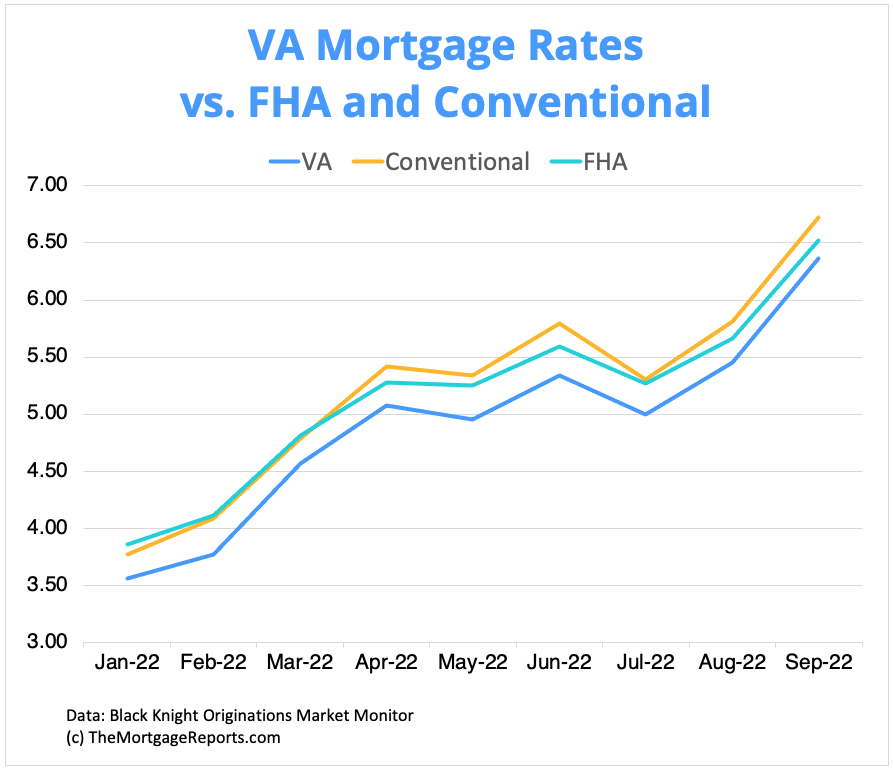
Unlike many government-backed programs, the VA itself does not issue loans or set interest rates. Instead, it guarantees a portion of the loan, protecting lenders from potential losses and encouraging them to offer favorable terms to eligible borrowers. This guarantee is what allows lenders to extend benefits such as no down payment and no private mortgage insurance. Consequently, “VA rates today” are not a single, fixed number from the government, but rather a dynamic reflection of the broader financial market, coupled with individual lender policies and borrower qualifications. This article delves into the intricacies of current VA loan rates, the unparalleled benefits they offer, and how eligible individuals can navigate the process to secure the best possible terms for their home purchase or refinance.
Understanding VA Loan Interest Rates
The interest rate on a VA loan is arguably the most critical component when considering the overall cost of homeownership. A lower rate can translate into thousands of dollars in savings over the life of the loan. However, pinpointing an exact “VA rate today” is complex, as it fluctuates constantly and depends on several factors.
How VA Rates Are Set
VA loan interest rates are primarily determined by the private lenders (banks, credit unions, mortgage companies) that originate these loans, not directly by the Department of Veterans Affairs. These lenders, in turn, are heavily influenced by broader economic indicators and market forces:
-
Federal Reserve Actions: While the Federal Reserve doesn’t directly set mortgage rates, its monetary policy decisions, particularly regarding the federal funds rate, influence the cost of borrowing for banks. This, in turn, affects consumer interest rates, including mortgages.
-
Bond Market Performance: Mortgage rates are closely tied to the performance of the secondary bond market, specifically mortgage-backed securities (MBS). When bond yields rise, mortgage rates generally follow suit. Factors like inflation expectations, economic data, and geopolitical events can impact bond yields daily.
-
Inflation Expectations: Lenders factor in inflation when setting rates. If inflation is expected to rise, lenders will charge higher rates to ensure the real return on their investment isn’t eroded by a decrease in purchasing power.
-
Lender-Specific Factors: Each lender has its own operational costs, profit margins, and risk assessment models. This is why rates can vary significantly from one lender to another, even on the same day for the same borrower profile.
Key Factors Influencing Your Individual Rate
While market conditions set the baseline, several personal factors also play a crucial role in determining the specific interest rate you will be offered:
-
Credit Score: A higher credit score signals lower risk to lenders, often qualifying you for the most competitive rates. While the VA itself doesn’t set a minimum credit score, individual lenders typically require scores in the mid-600s or higher.
-
Loan Term: Shorter loan terms, such as a 15-year fixed-rate mortgage, generally come with lower interest rates compared to a 30-year fixed-rate mortgage. This is because lenders face less interest rate risk over a shorter period.
-
Loan Type (Fixed vs. Adjustable): Most VA loans are fixed-rate mortgages, offering predictable monthly payments for the life of the loan. Adjustable-Rate Mortgages (ARMs) for VA loans are less common but do exist. ARMs typically start with a lower introductory rate that adjusts after a certain period (e.g., 5/1 ARM), carrying the risk of future rate increases.
-
Discount Points: Borrowers can “buy down” their interest rate by paying discount points at closing. One discount point typically equals 1% of the loan amount and can reduce the interest rate by a fraction of a percentage. This can be a wise investment if you plan to stay in the home for a long time.
-
Debt-to-Income (DTI) Ratio: While VA loans are more flexible with DTI than conventional loans, a lower DTI ratio (the percentage of your gross monthly income that goes toward debt payments) can still be viewed favorably by lenders.
The Benefits of VA Loans Beyond Just the Rate
While competitive interest rates are a significant draw, the VA loan program stands out due to several other unparalleled benefits that can dramatically reduce the financial burden of homeownership for eligible individuals.
No Down Payment Requirement
Perhaps the most celebrated feature of a VA loan is the ability to purchase a home with no money down. Unlike conventional loans, which often require 3-20% down, or FHA loans requiring at least 3.5%, VA loans can finance 100% of the home’s value (up to conforming loan limits in most areas, higher in high-cost areas). This eliminates a major barrier to homeownership for many, especially younger service members or those who haven’t had time to save a substantial down payment.
No Private Mortgage Insurance (PMI)
Another colossal financial advantage is the absence of Private Mortgage Insurance (PMI). Conventional loans typically require PMI if you put down less than 20%, adding a monthly cost that can range from hundreds of dollars. FHA loans also have mandatory mortgage insurance premiums (MIP), both upfront and annual. VA loans, due to the VA’s guarantee, do not require any form of monthly mortgage insurance, leading to significant long-term savings and lower monthly payments compared to other low-down-payment options.
The VA Funding Fee
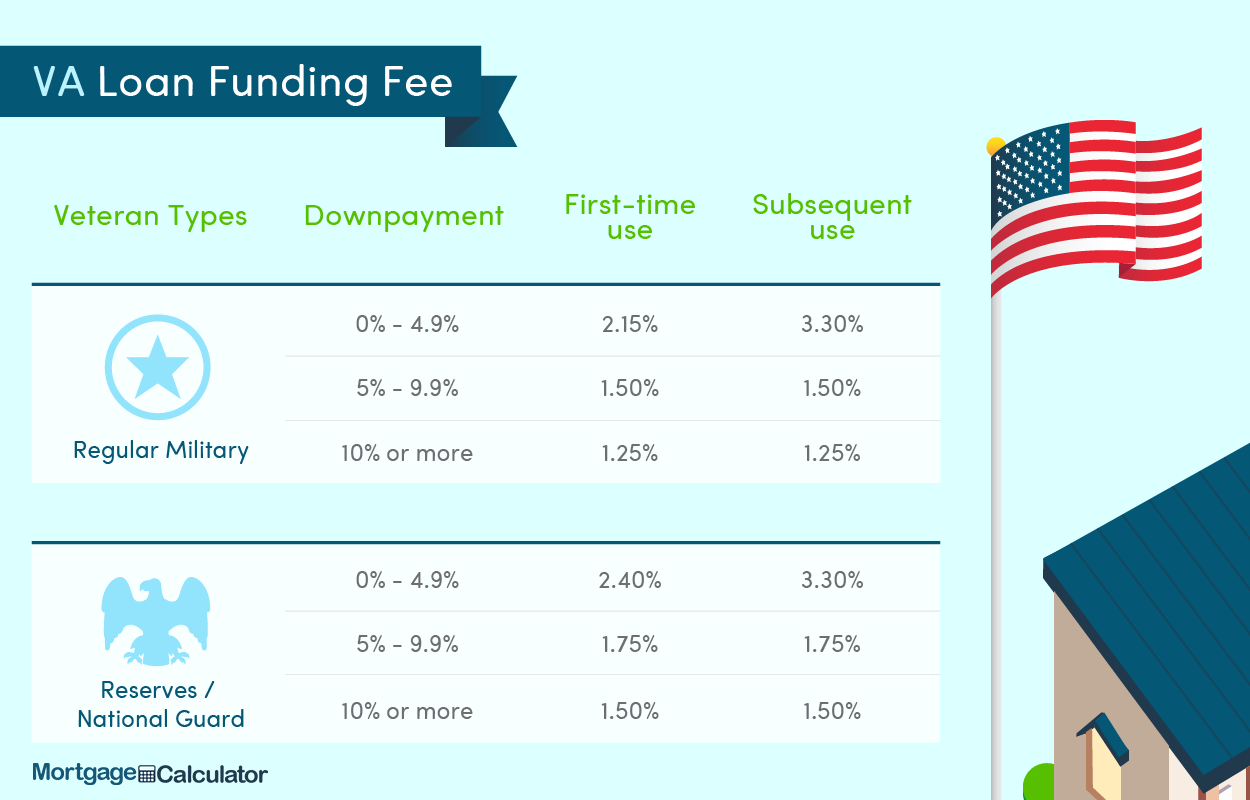
While VA loans forego PMI, they do have a VA Funding Fee. This one-time fee is paid directly to the VA and helps defray the cost of the program for U.S. taxpayers. The amount of the funding fee varies depending on the type of loan, your military service, whether you’ve used your VA loan benefit before, and your down payment amount (if any). For instance, a first-time user with no down payment might pay 2.15% of the loan amount, while a subsequent user with no down payment might pay 3.3%.
Crucially, some veterans are exempt from paying the funding fee. This includes veterans receiving VA compensation for a service-connected disability, veterans who would be entitled to compensation for a service-connected disability if they did not receive retirement pay, and surviving spouses of veterans who died in service or from a service-connected disability. The funding fee can typically be financed into the loan amount, meaning you don’t have to pay it out of pocket at closing.
More Flexible Underwriting Standards
The VA loan program is known for its more flexible underwriting standards compared to conventional mortgages. The VA takes a holistic view of a borrower’s financial situation, often focusing on “residual income” (the amount of discretionary income left over after major bills are paid) rather than solely on the debt-to-income (DTI) ratio. While lenders still have their own overlays, the VA’s guidelines allow for greater leeway, particularly for borrowers with higher DTI ratios or unique credit histories, making homeownership accessible to a broader range of veterans.
Accessing and Comparing Today’s VA Rates
Finding the best VA rate requires proactive effort and smart comparison shopping. Just as you wouldn’t buy the first car you see, you shouldn’t settle for the first mortgage rate you’re offered.
Where to Find Current VA Rates
To get an accurate picture of current VA rates, you’ll need to reach out to various lenders:
-
Online Lenders and Mortgage Brokers: These often have lower overhead and can offer competitive rates. Mortgage brokers can be particularly useful as they work with multiple lenders and can shop around on your behalf.
-
Local Banks and Credit Unions: Don’t overlook traditional institutions. They may offer personalized service and sometimes have special programs or rates for their members.
-
Mortgage Comparison Websites: While useful for general trends, these sites provide estimates. You’ll need to submit your information to specific lenders to get personalized quotes.
The Importance of Rate Shopping
Shopping for rates is paramount. Even a quarter-point difference in interest rate can save tens of thousands of dollars over the life of a 30-year mortgage. Contact at least 3-5 different lenders and get a Loan Estimate from each. This standardized form allows for easy comparison of interest rates, fees, and closing costs.
When comparing, pay attention to the Annual Percentage Rate (APR), which includes not only the interest rate but also most of the fees and costs associated with the loan, giving you a more complete picture of the true cost of borrowing. A lower interest rate might seem appealing, but if it comes with significantly higher fees, the APR could be less favorable.
Locking In Your Rate
Once you’ve found a competitive rate you’re comfortable with, you’ll want to lock in your rate. A rate lock guarantees that the lender will honor the agreed-upon interest rate for a specific period (e.g., 30, 45, or 60 days) while your loan is being processed. This protects you from potential rate increases if market conditions change during underwriting.
Be mindful of the lock period. If your closing takes longer than anticipated, your rate lock could expire, potentially forcing you to accept a higher rate or pay a fee to extend the lock. Work closely with your lender to determine an appropriate lock period based on your estimated closing timeline.
The Application Process and What to Expect
The VA loan application process, while comprehensive, is designed to be straightforward for eligible veterans and service members. Knowing what to expect can ease anxieties and streamline your journey to homeownership.
Eligibility Requirements
The first step is confirming your eligibility for a VA loan. This typically involves meeting specific service requirements:
-
Veterans: Generally, 90 days of active service during wartime or 181 days of active service during peacetime.
-
Active Duty Service Members: 90 continuous days of active service.
-
Reservists/National Guard Members: Six years of service, or 90 days of active service (some exceptions apply).
-
Surviving Spouses: Certain surviving spouses of veterans who died in service or from a service-connected disability, or who were missing in action or prisoners of war.
Once eligible, you’ll need to obtain a Certificate of Eligibility (COE), which is proof of your entitlement to the VA home loan benefit. Your lender can often help you obtain this, or you can request it directly from the VA.
Documents You’ll Need
Gathering necessary documentation in advance can significantly speed up the application process. Common documents include:
-
Income Verification: W2s, pay stubs, federal tax returns (for self-employed individuals).
-
Asset Verification: Bank statements, investment account statements.
-
Credit Report: Your lender will pull your credit report, but it’s wise to review your own beforehand for accuracy.
-
DD Form 214 (Certificate of Release or Discharge from Active Duty) or Statement of Service for active duty members.
The Role of a VA-Savvy Lender
Choosing a lender experienced with VA loans is arguably one of the most critical decisions you’ll make. A VA-savvy lender understands the unique nuances of the program, including:
-
VA Appraisal Process: VA appraisals not only determine the home’s market value but also ensure the property meets the VA’s Minimum Property Requirements (MPRs) for safety, sanitation, and structural soundness. An experienced lender can guide you through this.
-
Underwriting Guidelines: They are familiar with the VA’s more flexible underwriting and residual income guidelines, which can be beneficial for borrowers who might not qualify for conventional loans.
-
Efficient Processing: Lenders who regularly process VA loans often have dedicated teams and streamlined systems, leading to a smoother and faster closing.
Maximizing Your VA Loan Benefits
The benefits of the VA loan program extend beyond the initial home purchase, offering valuable options for existing homeowners and those looking to utilize their entitlement again.
Refinancing Options
The VA offers several refinancing options designed to help veterans better manage their mortgages:
-
Interest Rate Reduction Refinance Loan (IRRRL) – The VA Streamline Refinance: This popular option allows eligible veterans with an existing VA loan to refinance into a lower interest rate with minimal paperwork, often without an appraisal, credit check, or income verification. It’s a quick and efficient way to reduce your monthly payment.
-
Cash-Out Refinance: This option allows you to refinance your existing mortgage (VA or conventional) for more than you currently owe, taking the difference out in cash. This can be used for home improvements, debt consolidation, or other financial needs.
Using Your Entitlement Again
Contrary to a common misconception, you can use your VA loan benefit more than once. This is possible through:
-
Full Entitlement Restoration: If you’ve paid off your previous VA loan and sold the property, you can apply to have your full VA entitlement restored, allowing you to use the benefit again for a new home purchase.
-
Remaining Entitlement: In certain situations, you may be able to use a portion of your entitlement to purchase a second home with a VA loan, even if you still own the first home financed with a VA loan. This is often referred to as “bonus entitlement.”
Financial Planning and Long-Term Goals
A VA loan is a powerful tool for building wealth through homeownership, but it should be viewed as part of a broader financial strategy. Consider:
-
Budgeting Beyond the Mortgage Payment: Account for property taxes, homeowner’s insurance, utilities, maintenance, and potential HOA fees.
-
Accelerating Your Mortgage: If financially feasible, making extra payments can significantly reduce the total interest paid and shorten your loan term.
-
Building Equity: Over time, as you pay down your loan and property values potentially appreciate, you build equity, which is a valuable asset.
In conclusion, “what are VA rates today” is a question that opens the door to understanding one of the most powerful and beneficial financial tools available to those who have served our nation. While specific rates fluctuate with market conditions, the inherent advantages of a VA loan—no down payment, no PMI, and flexible underwriting—make it an invaluable pathway to homeownership. By thoroughly researching current rates, comparison shopping among lenders, and understanding the nuances of the program, eligible service members and veterans can confidently secure their piece of the American dream.
aViewFromTheCave is a participant in the Amazon Services LLC Associates Program, an affiliate advertising program designed to provide a means for sites to earn advertising fees by advertising and linking to Amazon.com. Amazon, the Amazon logo, AmazonSupply, and the AmazonSupply logo are trademarks of Amazon.com, Inc. or its affiliates. As an Amazon Associate we earn affiliate commissions from qualifying purchases.