
Navigating the landscape of homeownership often begins with understanding the financial tools available to prospective buyers. Among the most popular and accessible options are FHA loans, backed by the Federal Housing Administration. For many, particularly first-time homebuyers, those with less-than-perfect credit, or individuals with limited down payment funds, FHA loans represent a vital pathway to owning a home. But a critical question that arises for anyone considering this route is: “What are FHA mortgage rates today?”
The answer isn’t a single, fixed number. Like all mortgage products, FHA rates are dynamic, influenced by a complex interplay of economic forces, lender policies, and individual borrower profiles. Understanding these underlying factors is key to not only finding the most competitive rates but also making informed financial decisions that align with your long-term goals. This comprehensive guide will delve into the intricacies of FHA mortgage rates, explore the forces that shape them, and provide actionable strategies for securing the best possible terms for your home loan.
Understanding FHA Mortgages: A Foundation for Homeownership
Before diving into the specifics of rates, it’s crucial to grasp what an FHA mortgage entails. This knowledge forms the bedrock upon which you can evaluate interest rates and overall loan suitability.
What is an FHA Loan?
An FHA loan is a government-insured mortgage that makes homeownership more accessible, especially for individuals who might not qualify for conventional loans. Unlike direct loans from the government, FHA loans are issued by private lenders, such as banks, credit unions, and mortgage companies, but they are insured by the Federal Housing Administration. This insurance protects the lender from losses if the borrower defaults, which in turn encourages lenders to offer more favorable terms, particularly to borrowers with higher risk profiles.
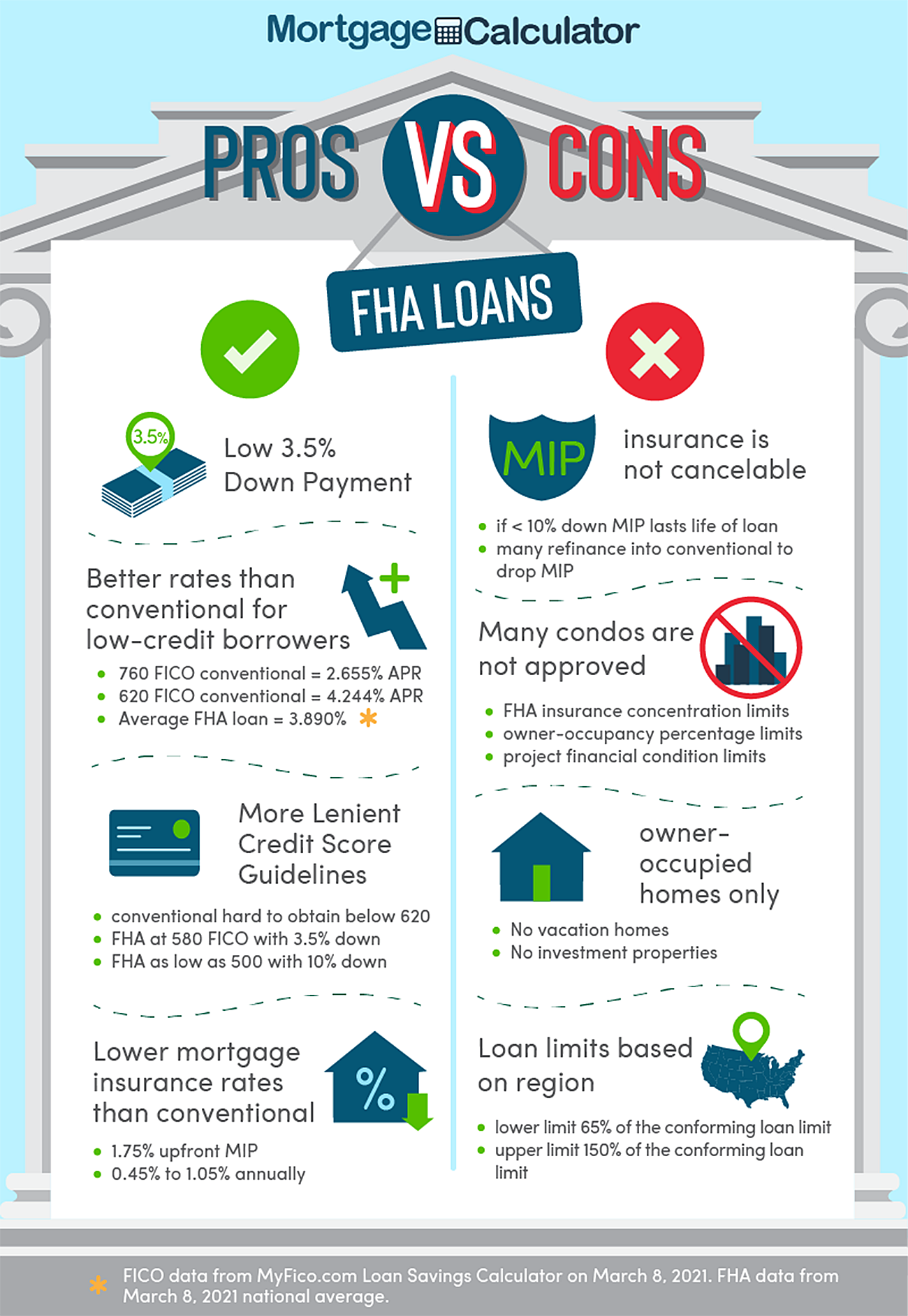
Key characteristics of FHA loans include lower down payment requirements (as low as 3.5% of the purchase price), more lenient credit score requirements, and often more forgiving debt-to-income ratios. These features are designed to open the door to homeownership for a broader segment of the population.
Key Benefits of FHA Loans
The appeal of FHA loans extends beyond just lower initial barriers. They come with several distinct advantages:
-
Lower Down Payment: The 3.5% down payment requirement is significantly lower than the typical 5-20% often demanded by conventional loans. This can be a game-changer for individuals who have stable income but haven’t had years to save a substantial lump sum.
-
Flexible Credit Requirements: While a minimum credit score is still necessary, FHA guidelines are generally more lenient. Borrowers with scores in the mid-500s might still qualify, though better scores typically yield better interest rates. For conventional loans, a score of 620 or higher is usually the baseline.
-
Competitive Interest Rates: Due to the government insurance, lenders often perceive FHA loans as less risky, enabling them to offer competitive interest rates, sometimes even lower than conventional loan rates for borrowers with similar credit profiles.
-
Assumability: FHA loans are assumable, meaning a qualified buyer can take over your existing FHA mortgage. This can be an attractive feature for future sellers if interest rates have risen since the original loan was originated.
-
No Prepayment Penalties: Borrowers can pay off their FHA loan early without incurring any penalties, offering financial flexibility.
Eligibility Requirements
While FHA loans are accessible, they do come with specific eligibility criteria. Generally, borrowers must meet:
-
Credit Score: While a minimum of 500-580 is often cited, lenders typically prefer scores above 620 for better rates and easier approval.
-
Down Payment: A minimum of 3.5% down payment with a credit score of 580 or higher. For scores between 500-579, a 10% down payment is usually required.
-
Debt-to-Income (DTI) Ratio: Generally, your DTI should be no more than 43-50%, though some flexibility exists. This ratio compares your monthly debt payments to your gross monthly income.
-
Property Requirements: The home must meet FHA appraisal standards to ensure it is safe, sound, and secure, and it must be your primary residence.
-
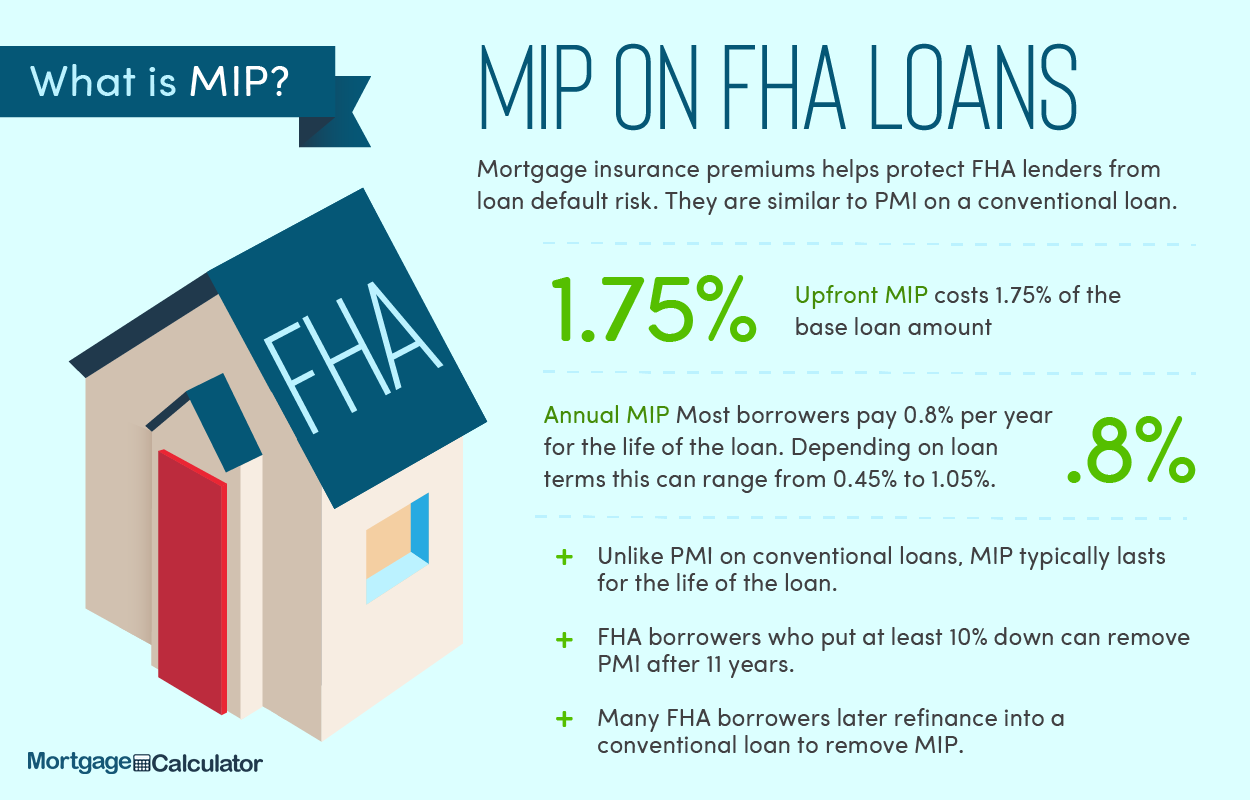
Mortgage Insurance Premiums (MIP): All FHA loans require two types of mortgage insurance: an Upfront Mortgage Insurance Premium (UFMIP) and an Annual Mortgage Insurance Premium (MIP). The UFMIP is typically 1.75% of the loan amount and can be financed into the loan. The annual MIP varies but is paid monthly, adding to your payment. Unlike private mortgage insurance (PMI) on conventional loans, FHA MIP generally remains for the life of the loan if your down payment was less than 10%.
Factors Influencing FHA Mortgage Rates
The “today” in “What are FHA mortgage rates today?” highlights their volatility. Rates are not static; they fluctuate daily, sometimes even hourly. Understanding the forces behind these shifts is paramount for any prospective borrower.
Economic Indicators
Broader economic trends have a profound impact on mortgage rates.
-
Inflation: When inflation rises, the purchasing power of money decreases. Lenders demand higher interest rates to compensate for this loss in value over time, ensuring their returns keep pace with inflation. The Federal Reserve often raises its benchmark interest rates to combat inflation, which in turn influences all lending rates, including mortgages.
-
Federal Reserve Policy: While the Fed doesn’t directly set mortgage rates, its monetary policy decisions significantly influence them. When the Fed raises or lowers the federal funds rate, it affects the prime rate, which then trickles down to consumer credit products. Additionally, the Fed’s bond-buying programs (quantitative easing) or selling (quantitative tightening) directly impact the bond market, where mortgage rates are closely tied. Mortgage rates tend to track the yield on 10-year Treasury bonds.
-
Economic Growth: A strong economy often signals greater demand for loans and higher inflation expectations, pushing rates up. Conversely, an economic slowdown might lead to lower rates as the Fed tries to stimulate growth.
-
Employment Rates: Low unemployment often correlates with a strong economy and potential inflation, which can put upward pressure on rates. High unemployment might suggest economic weakness, potentially leading to lower rates.
Lender-Specific Factors
Beyond the macro-economy, individual lenders apply their own criteria that can adjust the rate you’re offered.
-
Loan-to-Value (LTV) Ratio: This ratio compares the loan amount to the home’s value. With FHA loans, the LTV is typically high (e.g., 96.5% for a 3.5% down payment). While FHA guarantees protect lenders, a slightly higher down payment might sometimes result in a marginally better rate from some lenders.
-
Credit Score: Although FHA loans are more forgiving of lower credit scores, borrowers with higher scores (e.g., 700+) are typically seen as less risky. Lenders often reward these borrowers with lower interest rates. A strong credit history demonstrates a consistent ability to manage debt.
-
Debt-to-Income (DTI) Ratio: A lower DTI ratio indicates you have more disposable income relative to your debt obligations, making you a more attractive borrower. Lenders may offer better rates to those with healthy DTI figures.
-
Loan Term and Type:
-
Fixed-Rate Mortgages (FRM): The interest rate remains constant for the entire loan term (e.g., 15 or 30 years). These are popular for their predictability. Longer fixed terms (30-year) typically have slightly higher rates than shorter terms (15-year) because lenders are locking in rates for a longer period and assuming more interest rate risk.
-
Adjustable-Rate Mortgages (ARM): The interest rate is fixed for an initial period (e.g., 3, 5, 7, or 10 years) and then adjusts periodically based on a benchmark index. Initial ARM rates are often lower than fixed rates, but they carry the risk of future payment increases. FHA offers ARMs, but they are less common for FHA borrowers who often prioritize payment stability.
-
Market Competition and Demand
The competitive landscape among lenders also plays a role. In a highly competitive market, lenders may lower their rates slightly to attract more borrowers. Conversely, if demand for mortgages is unusually high, lenders might not feel the need to offer aggressive rates.
How to Find the Best FHA Mortgage Rates Today
Given the many variables, proactively seeking the best FHA rate is crucial. A passive approach could cost you thousands over the life of the loan.
The Importance of Shopping Around
This is perhaps the most critical step. Don’t settle for the first quote you receive. Contact multiple lenders—at least three to five—including large national banks, local credit unions, and independent mortgage brokers. Each lender has different overheads, risk appetites, and pricing models, which can result in varying rate offers. Request a Loan Estimate from each lender, which provides a standardized breakdown of the loan’s costs and terms. This allows for an “apples-to-apples” comparison.
Understanding the APR vs. Interest Rate
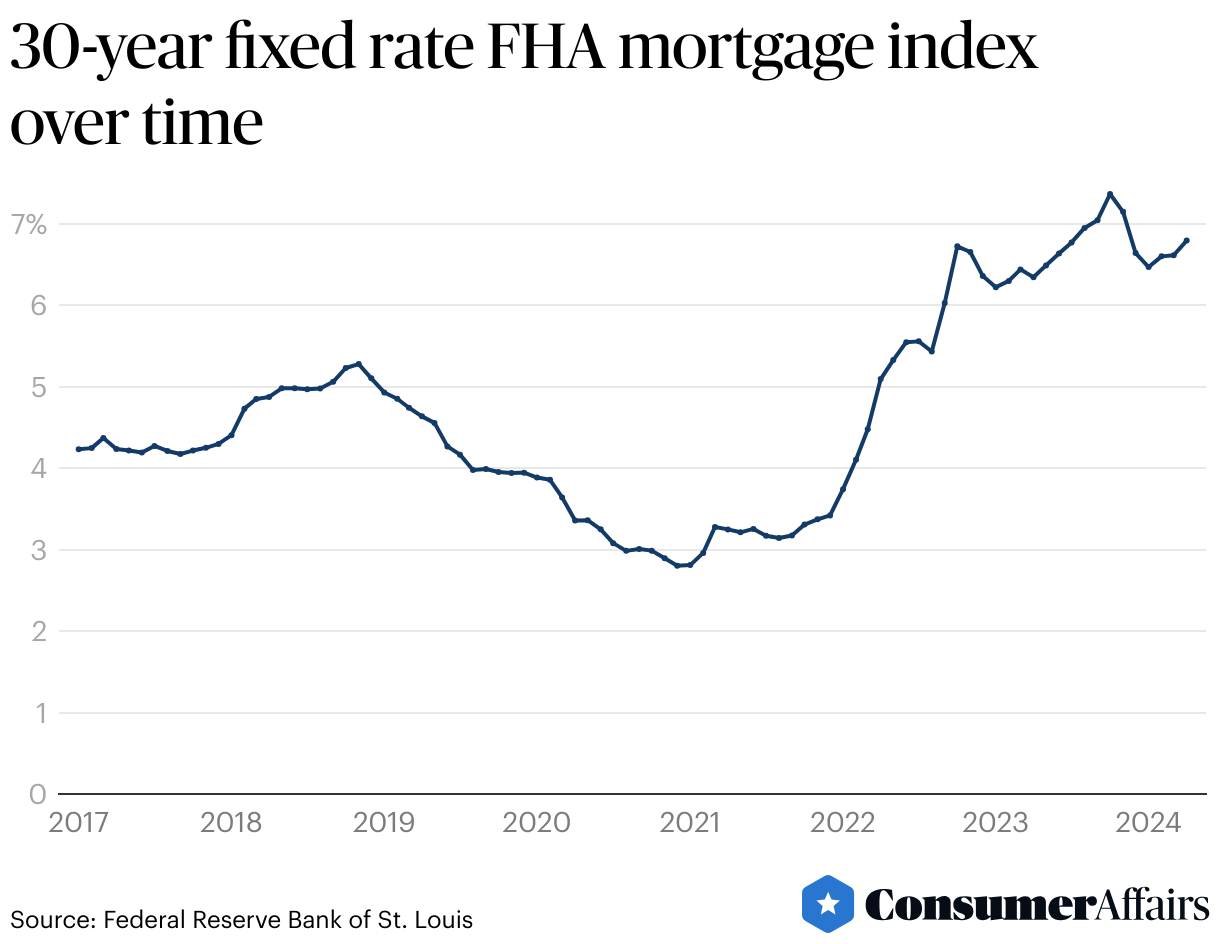
When comparing loan offers, pay close attention to both the interest rate and the Annual Percentage Rate (APR).
-
Interest Rate: This is the percentage you pay on the money borrowed, representing the cost of borrowing itself.
-
APR (Annual Percentage Rate): This is a broader measure of the total cost of the loan, including the interest rate plus certain closing costs and fees (like origination fees, discount points, and mortgage insurance). The APR provides a more accurate picture of the overall cost of the loan over its term. A lower APR usually indicates a cheaper loan, even if the interest rate is identical to another offer.
Leveraging Mortgage Brokers and Online Tools
-
Mortgage Brokers: These professionals act as intermediaries, working with multiple lenders. They can shop around on your behalf, potentially finding better deals and guiding you through the process. They earn a commission, which is typically paid by the lender.
-
Online Mortgage Marketplaces: Websites and aggregators allow you to input your information once and receive multiple quotes from various lenders, streamlining the comparison process. Tools from trusted financial institutions can also provide personalized rate estimates without hard credit pulls initially.
Improving Your Financial Profile
While some factors are beyond your immediate control (like the broader economy), you can take steps to improve your personal financial standing, making you a more attractive borrower.
-
Boost Your Credit Score: Pay bills on time, reduce existing debt, and avoid opening new credit lines. Even a slight improvement in your credit score can move you into a better rate tier.
-
Lower Your Debt-to-Income Ratio: Pay down credit card balances or personal loans. This demonstrates greater capacity to manage a mortgage payment.
-
Save for a Larger Down Payment: While FHA allows for low down payments, if you can put down more (e.g., 5% instead of 3.5%), it can sometimes reduce your monthly payment by lowering the loan amount and potentially making you eligible for slightly better rates from some lenders. However, it will not eliminate the annual MIP if your initial down payment was less than 10%.
The Application Process and Closing Your FHA Loan
Once you’ve found a competitive rate and chosen a lender, the application and closing process begins. While specific steps vary, the general progression remains consistent.
Gathering Necessary Documentation
Be prepared to provide extensive documentation. This typically includes:
-
Proof of Income: Pay stubs (for the last 30-60 days), W-2 forms (for the past two years), and federal tax returns (for the past two years). Self-employed individuals will need additional documentation like profit and loss statements.
-
Asset Information: Bank statements (checking and savings), investment account statements, and documentation for any gifted funds for the down payment or closing costs.
-
Credit History: Lenders will pull your credit report, but it’s wise to review your own beforehand to correct any errors.
-
Identification: Driver’s license, social security card.
-
Property Information: Purchase agreement, appraisal report (ordered by the lender), and homeowner’s insurance policy details.
The Underwriting Process Explained
This is where the lender thoroughly vets your financial health and the property’s value. Underwriters assess your income, assets, credit, and debt to ensure you meet FHA and lender guidelines. They confirm the property meets FHA minimum property standards and that the appraised value supports the loan amount. This stage can take several weeks and may involve requests for additional documentation. Promptly providing requested information can help expedite the process.
Navigating Closing Costs and Fees
Closing costs are expenses beyond the down payment that borrowers pay at the close of a real estate transaction. For FHA loans, these can typically range from 2-5% of the loan amount, but can sometimes be higher. They include:
-
Lender Fees: Origination fees, underwriting fees, processing fees.
-
Third-Party Fees: Appraisal fees, credit report fees, title insurance, attorney fees, recording fees, escrow fees.
-
FHA-Specific Fees: The Upfront Mortgage Insurance Premium (UFMIP), which is 1.75% of the base loan amount. While it can be rolled into the loan, it increases your principal balance. You will also pay a pro-rated portion of the annual MIP for the first month at closing.
-
Prepaid Items: Property taxes and homeowner’s insurance premiums for a certain period, which are collected at closing and held in an escrow account.
FHA rules allow sellers to contribute up to 6% of the sale price towards the buyer’s closing costs, which can be a significant benefit.
The Long-Term Perspective: Managing Your FHA Mortgage
Securing an FHA mortgage is just the beginning. Long-term management and strategic financial planning are essential to maximize its benefits and navigate potential challenges.
Refinancing Opportunities
Market conditions change, and so do individual financial situations. If interest rates drop significantly, or if your credit score improves substantially after a few years of on-time payments, refinancing your FHA loan could be a wise move.
-
FHA Streamline Refinance: This option allows existing FHA borrowers to refinance their loan with minimal paperwork, no income verification, and sometimes no appraisal. The primary goal is to lower the interest rate or convert an ARM to a fixed rate.
-
Cash-Out Refinance: If you’ve built up substantial equity, an FHA cash-out refinance allows you to borrow against that equity, converting it into cash for home improvements, debt consolidation, or other needs.
-
Conventional Refinance: If your home’s equity reaches 20% or more, or if your credit score has significantly improved, you might consider refinancing out of an FHA loan into a conventional loan. This can be appealing because conventional loans typically do not require mortgage insurance once you reach 20% equity, eliminating the ongoing annual MIP that is a mandatory part of most FHA loans for their lifetime.
Understanding Mortgage Insurance Premiums (MIP)
As mentioned, FHA loans come with two types of mortgage insurance premiums. While UFMIP is paid upfront, the annual MIP is paid monthly and is an ongoing cost. For most FHA loans with a down payment less than 10%, this MIP remains for the entire life of the loan, regardless of how much equity you build. This is a crucial distinction from conventional loans where Private Mortgage Insurance (PMI) can be canceled once 20-22% equity is achieved.
Understanding this long-term cost is vital for budgeting and for evaluating future refinancing opportunities to potentially eliminate this expense.
Building Home Equity and Financial Freedom
An FHA mortgage, like any mortgage, is a tool for building wealth through home equity. As you make payments, a portion goes towards the principal, reducing your loan balance and increasing your ownership stake. Market appreciation also contributes to equity growth. Over time, this equity can serve as a significant financial asset, providing security and future borrowing power.
Strategically managing your FHA loan, from diligent payment to exploring refinancing options, contributes to your overall financial freedom. It transforms a liability into an asset, solidifying your place in the world of homeownership and bolstering your personal financial landscape.
In conclusion, FHA mortgage rates today are a reflection of a dynamic financial market intertwined with personal creditworthiness. By understanding the fundamentals of FHA loans, the factors that dictate their rates, and employing smart comparison shopping strategies, prospective homeowners can confidently navigate their path to securing an FHA loan that fits their financial reality and future aspirations.
aViewFromTheCave is a participant in the Amazon Services LLC Associates Program, an affiliate advertising program designed to provide a means for sites to earn advertising fees by advertising and linking to Amazon.com. Amazon, the Amazon logo, AmazonSupply, and the AmazonSupply logo are trademarks of Amazon.com, Inc. or its affiliates. As an Amazon Associate we earn affiliate commissions from qualifying purchases.