
Understanding the financial landscape of homeownership often begins with a fundamental question: “How much is the average home loan?” This seemingly simple inquiry, however, unlocks a complex web of economic factors, personal financial situations, and market dynamics that shape the true cost of buying a home. While national averages can offer a preliminary benchmark, they often mask significant variations, making it crucial for prospective homebuyers to delve deeper into the components that truly dictate their potential mortgage amount and the total financial commitment involved.
The average home loan is not a static figure; it fluctuates based on prevailing interest rates, regional housing costs, the economic health of a country, and even specific demographic shifts. For most individuals, a home loan represents the largest debt they will ever undertake, making a thorough understanding of its implications paramount for sound financial planning and successful homeownership. This article aims to deconstruct the “average” home loan, exploring its influencing factors, the various components that contribute to its total cost, how lenders assess borrowing capacity, and strategies for navigating this significant financial commitment.

Deconstructing the “Average” Home Loan
The concept of an “average” can be both informative and misleading. While it provides a statistical snapshot, it rarely reflects the nuances of individual circumstances or the hyper-local realities of diverse housing markets.
National Averages vs. Local Realities
When you encounter a statistic about the “average home loan,” it’s typically a national aggregate. For instance, data from the Mortgage Bankers Association or similar institutions might report an average loan amount. However, housing prices, and consequently loan sizes, differ dramatically across states, metropolitan areas, and even distinct neighborhoods within the same city. For example, a home loan in a high-cost-of-living area like San Francisco or New York City will far exceed the national average, whereas a loan in a more affordable region might fall significantly below it. These local disparities are driven by factors such as demand, supply, economic growth, population density, and available amenities, rendering national averages a mere starting point for localized research.
Key Factors Influencing Loan Amounts
Several critical elements converge to determine the size of an average home loan, moving beyond simple geography:
-
Home Price: This is the most direct driver. The more expensive the property, the larger the loan needed.
-
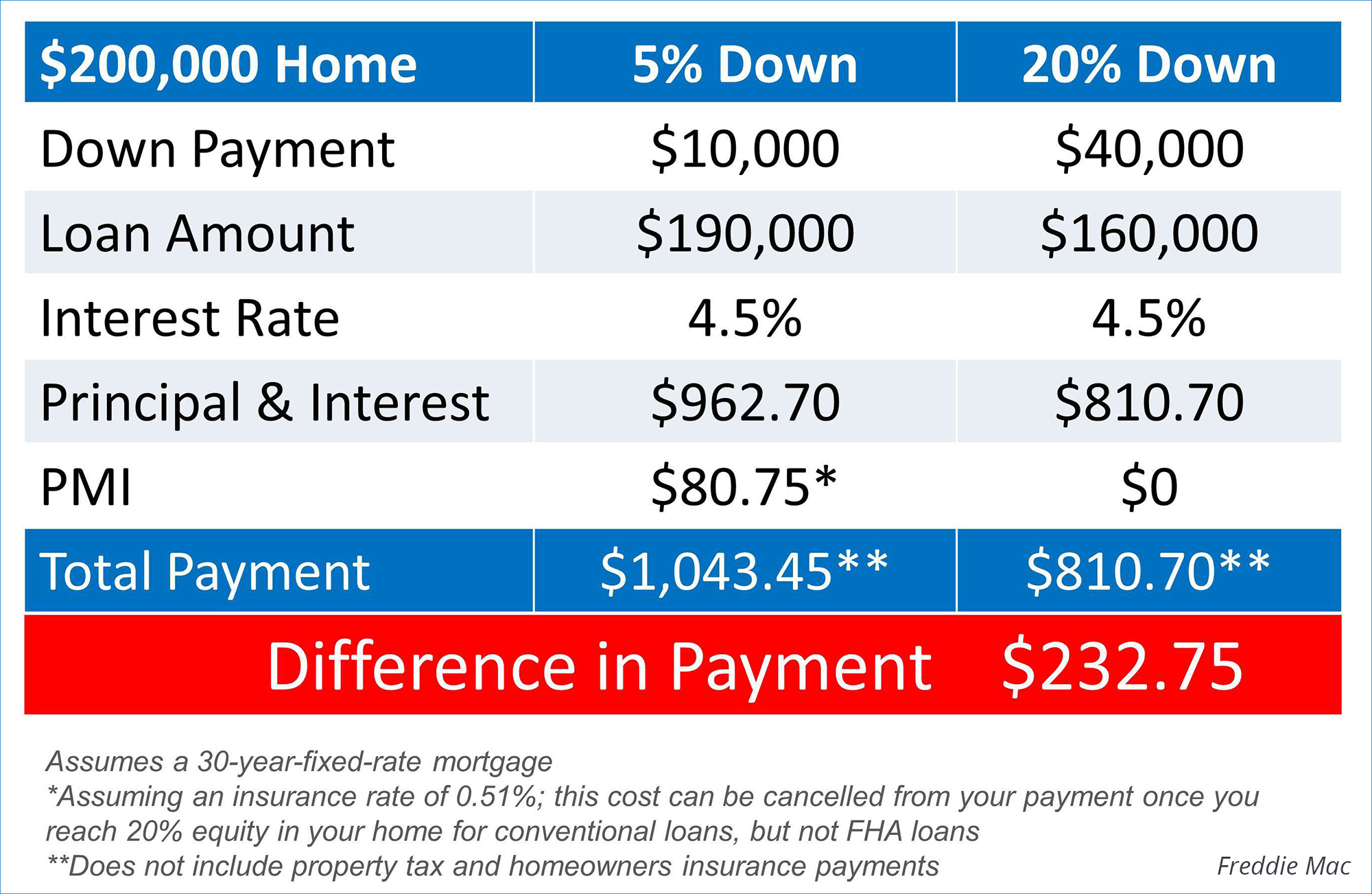
Down Payment: The amount of cash a buyer puts down upfront directly reduces the principal loan amount. A larger down payment means a smaller loan.
-
Interest Rates: While not directly affecting the principal loan amount, interest rates significantly impact the total cost of the loan over its lifetime and, crucially, the monthly payment. Higher rates can reduce a buyer’s affordability, indirectly influencing the loan amount they qualify for.
-
Loan Type: Different loan products (e.g., conventional, FHA, VA) have varying eligibility requirements, down payment minimums, and loan limits, which can affect the average loan size within those categories.
-
Borrower’s Financial Health: A borrower’s credit score, debt-to-income (DTI) ratio, and income stability all play a role in how much a lender is willing to lend.
Recent Market Trends
The housing market is dynamic, constantly influenced by broader economic currents. In recent years, fluctuating interest rates (driven by central bank policies), inflation, and inventory shortages have significantly impacted average home loan amounts. When interest rates rise, the cost of borrowing increases, which can temper demand and potentially stabilize or slightly reduce the average loan amount as buyers adjust their budgets. Conversely, robust economic growth and high demand in the face of limited housing supply can push home prices higher, leading to larger average loan amounts. Staying informed about current market trends is vital for anyone considering a home loan.
The Components of Your Home Loan Amount
While the average home loan often refers to the principal amount borrowed, understanding the specific elements that comprise this figure is essential for a complete financial picture.
Home Purchase Price
The absolute cornerstone of your loan amount is the agreed-upon purchase price of the home. This figure is influenced by the property’s location, size, age, condition, features, local market demand, and comparable sales in the area. A home’s appraisal value is also critical; lenders typically won’t approve a loan for more than the appraised value, even if the purchase price is higher. The difference must then be covered by the buyer.
Down Payment
Your down payment is the portion of the home’s purchase price you pay upfront in cash. It directly reduces the amount you need to borrow. Common down payment percentages vary widely:
-
FHA Loans: Often require as little as 3.5% down.
-
VA Loans: For eligible veterans, often require 0% down.
-
Conventional Loans: Can range from 3% to 20% or more. Putting 20% down on a conventional loan is often advised as it helps avoid Private Mortgage Insurance (PMI). A larger down payment not only lowers your monthly payments but also reduces the interest paid over the life of the loan.
Loan-to-Value (LTV) Ratio
The Loan-to-Value (LTV) ratio is a key metric lenders use to assess risk. It’s calculated by dividing the loan amount by the home’s appraised value. For example, if a home is appraised at $400,000 and you’re borrowing $320,000, your LTV is 80% ($320,000 / $400,000). A lower LTV indicates less risk for the lender, often translating into more favorable interest rates and terms for the borrower. High LTV ratios (above 80%) typically require PMI for conventional loans.
Interest Rates
Interest rates are the cost of borrowing money, expressed as a percentage of the principal. They don’t directly add to the principal loan amount but profoundly impact the total cost over time and your monthly payment.
-
Fixed-Rate Mortgages: The interest rate remains constant for the life of the loan, offering predictability in monthly payments.
-
Adjustable-Rate Mortgages (ARMs): The interest rate is fixed for an initial period (e.g., 5 or 7 years) and then adjusts periodically based on a market index, potentially leading to higher or lower payments.
Current market interest rates heavily influence what a borrower can afford, as higher rates mean a larger portion of each monthly payment goes towards interest, reducing the amount of principal repaid initially.
Loan Term and Type
The duration of your loan (the “term”) significantly affects your monthly payment and the total interest paid.
-
30-Year Fixed-Rate Mortgage: The most common option, offering lower monthly payments but accruing more interest over the long term.
-
15-Year Fixed-Rate Mortgage: Features higher monthly payments but substantially less interest paid over its shorter life.
Different loan types (Conventional, FHA, VA, USDA) also cater to various borrower profiles and financial situations, each with distinct features that influence the principal amount borrowers can obtain and the associated costs.
Beyond the Principal: Understanding Total Loan Cost
While the principal amount is what you borrow, the total cost of a home loan far exceeds this figure due to interest, fees, and ongoing expenses.
Interest Accrued Over Time
This is often the most significant “hidden” cost. A $300,000 loan at a 6% interest rate over 30 years will result in total payments closer to $647,514 – meaning you pay more than double the principal amount in interest. Understanding amortization – how your payments are distributed between principal and interest over the loan term – is crucial. In the early years, a larger portion of your monthly payment goes towards interest, while more goes towards principal later.
Closing Costs
These are fees paid at the close of your real estate transaction, typically ranging from 2% to 5% of the loan amount. They include:
-
Loan Origination Fees: What the lender charges for processing the loan.
-
Appraisal Fees: For assessing the home’s value.
-
Title Insurance: Protects both the lender and buyer against property title defects.
-
Recording Fees: Paid to the local government to record the sale.
-
Attorney Fees: If required in your state.
While not part of the principal loan amount, closing costs represent a substantial upfront expense that buyers must budget for. Sometimes, these costs can be rolled into the loan, increasing the principal, but this also means paying interest on them.
Escrow Accounts (Property Taxes & Insurance)
Most lenders require an escrow account for property taxes and homeowner’s insurance premiums. A portion of your monthly mortgage payment goes into this account, and the lender then pays these bills on your behalf when they’re due. While these aren’t part of the loan principal, they make your total “mortgage payment” higher than just the principal and interest (P&I) portion. This ensures these critical expenses are always covered, protecting the lender’s interest in the property.
Private Mortgage Insurance (PMI)
If you make a down payment of less than 20% on a conventional loan, lenders typically require you to pay Private Mortgage Insurance (PMI). This protects the lender if you default on your loan. PMI usually costs between 0.3% and 1.5% of the original loan amount annually, divided into monthly payments, significantly adding to your housing expenses until you reach 20% equity in your home.
How Lenders Determine Your Borrowing Capacity
Lenders don’t just hand out money; they meticulously assess a borrower’s ability to repay the loan. This determination dictates how much you can borrow, thus influencing your specific “average” home loan.
Credit Score and History
Your credit score is a numerical representation of your creditworthiness, reflecting your history of borrowing and repaying debt. A higher credit score (typically 740+) indicates lower risk to lenders, often qualifying you for better interest rates and more favorable loan terms. A poor credit history, marked by late payments or high debt, can lead to higher interest rates, stricter loan conditions, or even loan denial.
Debt-to-Income (DTI) Ratio
The Debt-to-Income (DTI) ratio is a crucial metric that compares your total monthly debt payments to your gross monthly income. Lenders typically look at two DTI ratios:
-
Front-End Ratio (Housing Ratio): Your prospective monthly housing costs (principal, interest, taxes, insurance, HOA fees) divided by your gross monthly income.
-
Back-End Ratio (Total DTI): All your monthly debt payments (housing costs + credit cards, car loans, student loans, etc.) divided by your gross monthly income.
Most lenders prefer a back-end DTI ratio of 36% to 43% or lower, though some programs may allow higher ratios under specific circumstances. A high DTI can limit the amount you can borrow.
Income and Employment Stability
Lenders want assurance that you have a stable and sufficient income stream to make consistent mortgage payments. This involves verifying your employment history (typically two years), current salary, and any additional income sources. Self-employed individuals may face more rigorous income verification processes. Consistency and longevity in employment demonstrate reliability.
Assets and Reserves
Having liquid assets and reserves beyond your down payment and closing costs can significantly strengthen your loan application. Lenders view these funds as a safety net, indicating that you can cover mortgage payments even if unforeseen financial challenges arise. This might include savings accounts, investment portfolios, or other readily accessible funds.
Strategies for Managing Your Home Loan
Navigating the complexities of home loans requires strategic planning and informed decision-making.
Financial Preparedness
Begin saving for a down payment and closing costs well in advance. Creating a detailed budget and understanding your current spending habits will help you identify areas where you can save more. A larger down payment reduces your loan amount, lowering monthly payments and total interest over time.
Improving Credit Score
Before applying for a home loan, take steps to improve your credit score. This includes paying bills on time, reducing existing debt, avoiding opening new credit accounts, and regularly checking your credit report for errors. A higher credit score can translate into thousands of dollars saved over the life of your mortgage.
Shopping for Lenders
Do not settle for the first lender you speak with. Compare interest rates, loan terms, closing costs, and customer service from multiple lenders (banks, credit unions, mortgage brokers). Even a quarter-point difference in interest can save you a significant amount over 15 or 30 years. Utilize online mortgage calculators and pre-approval processes to get accurate estimates.
Understanding Loan Options
Familiarize yourself with various loan types and choose the one that best fits your financial situation and long-term goals.
-
Fixed-rate: Offers payment stability.
-
Adjustable-rate: Can offer lower initial rates but carries interest rate risk.
-
FHA, VA, USDA: Government-backed options designed for specific borrower needs.
Each option has unique benefits and drawbacks, impacting your initial loan amount and ongoing costs.

Refinancing Opportunities
Keep an eye on interest rate movements after you’ve secured your loan. If rates drop significantly, or your financial situation improves, refinancing your mortgage could be an option. Refinancing allows you to replace your existing loan with a new one, potentially lowering your interest rate, changing your loan term, or even tapping into your home equity. This can alter your monthly payments and the total amount you repay over time.
Ultimately, the “average home loan” is a fluid concept, shaped by market forces and individual financial profiles. While national averages provide a general reference, your personal home loan amount will be a reflection of your unique circumstances, the property you choose, and the economic environment at the time of purchase. By thoroughly understanding these factors, engaging in meticulous financial planning, and seeking professional advice, you can confidently navigate the home loan process and achieve your homeownership aspirations.
aViewFromTheCave is a participant in the Amazon Services LLC Associates Program, an affiliate advertising program designed to provide a means for sites to earn advertising fees by advertising and linking to Amazon.com. Amazon, the Amazon logo, AmazonSupply, and the AmazonSupply logo are trademarks of Amazon.com, Inc. or its affiliates. As an Amazon Associate we earn affiliate commissions from qualifying purchases.