
For most individuals, purchasing a home represents the single largest financial commitment they will ever make. Central to this monumental decision is understanding mortgage interest rates – the cost of borrowing money to finance a home. Far from being a mere number, mortgage interest rates are a complex interplay of economic forces, central bank policies, and individual financial profiles. Grasping what they are, how they work, and what influences them is not just about saving money; it’s about making informed financial decisions that resonate for decades. This comprehensive guide will demystify mortgage interest rates, offering insights that empower homebuyers and homeowners alike.
Understanding the Core: What Are Mortgage Interest Rates?
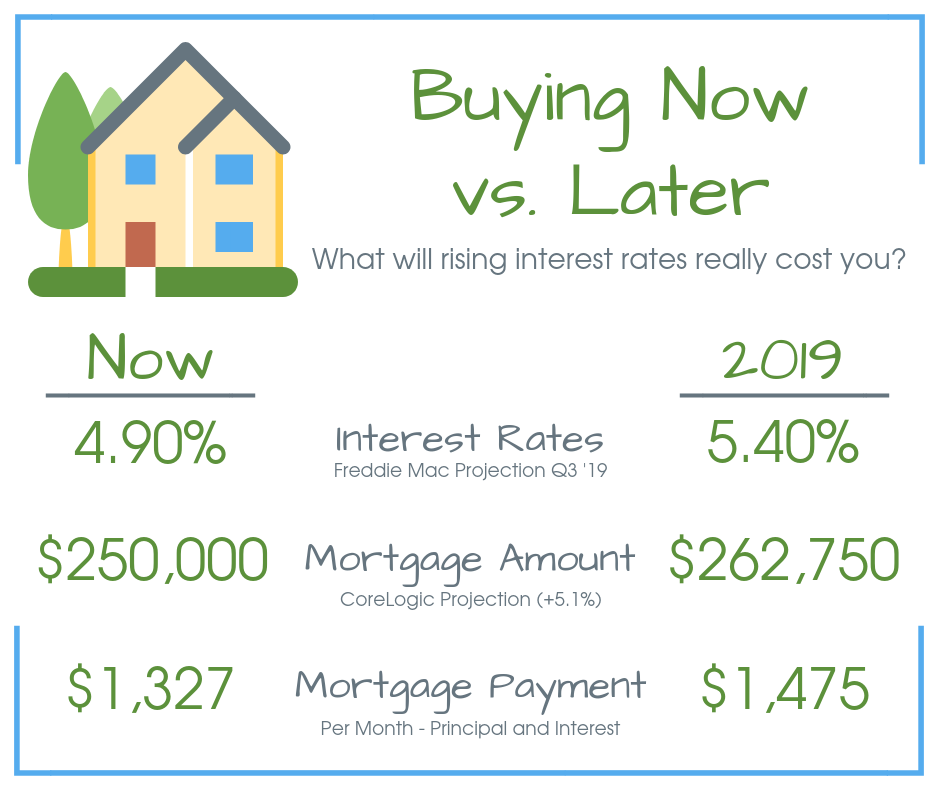
At its most fundamental level, a mortgage interest rate is the percentage charged by a lender for the money you borrow to purchase or refinance a home. It’s essentially the cost of renting money, expressed as a yearly percentage of the loan balance. This rate, combined with the principal amount you borrow, determines your monthly mortgage payment and, crucially, the total amount you will pay back over the life of the loan.
The Mechanics of Mortgage Interest
When you take out a mortgage, the lender calculates interest on the outstanding loan balance. In the early years of a typical amortizing loan, a larger portion of your monthly payment goes towards interest, with a smaller portion reducing the principal. As the loan matures, this dynamic shifts, and more of your payment starts to chip away at the principal. This repayment schedule is what makes the total cost of a mortgage, particularly one with a high interest rate, significantly higher than the initial principal borrowed. A small difference in the interest rate can translate into tens or even hundreds of thousands of dollars over a 15-year or 30-year mortgage term.
Fixed vs. Adjustable Rates: A Fundamental Choice
One of the first decisions a borrower faces is choosing between a fixed-rate mortgage (FRM) and an adjustable-rate mortgage (ARM).
-
Fixed-Rate Mortgage (FRM): As the name suggests, the interest rate on an FRM remains constant for the entire life of the loan. This provides predictability and stability, as your principal and interest payment will never change. This certainty makes budgeting easier and protects borrowers from potential rate increases in the future. However, if market rates drop significantly, you would need to refinance to take advantage of lower rates. Common terms are 15-year and 30-year fixed-rate mortgages.
-
Adjustable-Rate Mortgage (ARM): With an ARM, the interest rate is fixed for an initial period (e.g., 3, 5, 7, or 10 years), after which it adjusts periodically based on a predetermined index (like the Secured Overnight Financing Rate – SOFR or the Constant Maturity Treasury – CMT) plus a margin set by the lender. ARMs typically offer a lower initial interest rate than FRMs, making them attractive to borrowers who plan to sell or refinance before the fixed period ends, or those who anticipate their income increasing to absorb potential future rate hikes. However, they carry the risk of substantially higher payments if rates rise significantly after the adjustment period. Most ARMs have caps that limit how much the rate can increase in a given period and over the life of the loan, offering some protection against extreme fluctuations.
The choice between fixed and adjustable rates hinges on a borrower’s risk tolerance, financial stability, and long-term housing plans.
The Impact of Interest on Your Monthly Payment and Total Cost
The interest rate is a powerful lever that dictates both your monthly housing expense and the aggregate cost of your home over time. Consider a $300,000, 30-year fixed-rate mortgage:
-
At a 5% interest rate, your principal and interest payment would be approximately $1,610, and you’d pay roughly $279,648 in interest over the life of the loan.
-
At a 7% interest rate, the payment jumps to about $1,996, and the total interest paid soars to around $418,624.
This stark difference illustrates why even a fractional change in interest rates can have profound implications for a borrower’s budget and long-term wealth accumulation. It underscores the importance of securing the most favorable rate possible.
Key Factors Influencing Mortgage Interest Rates
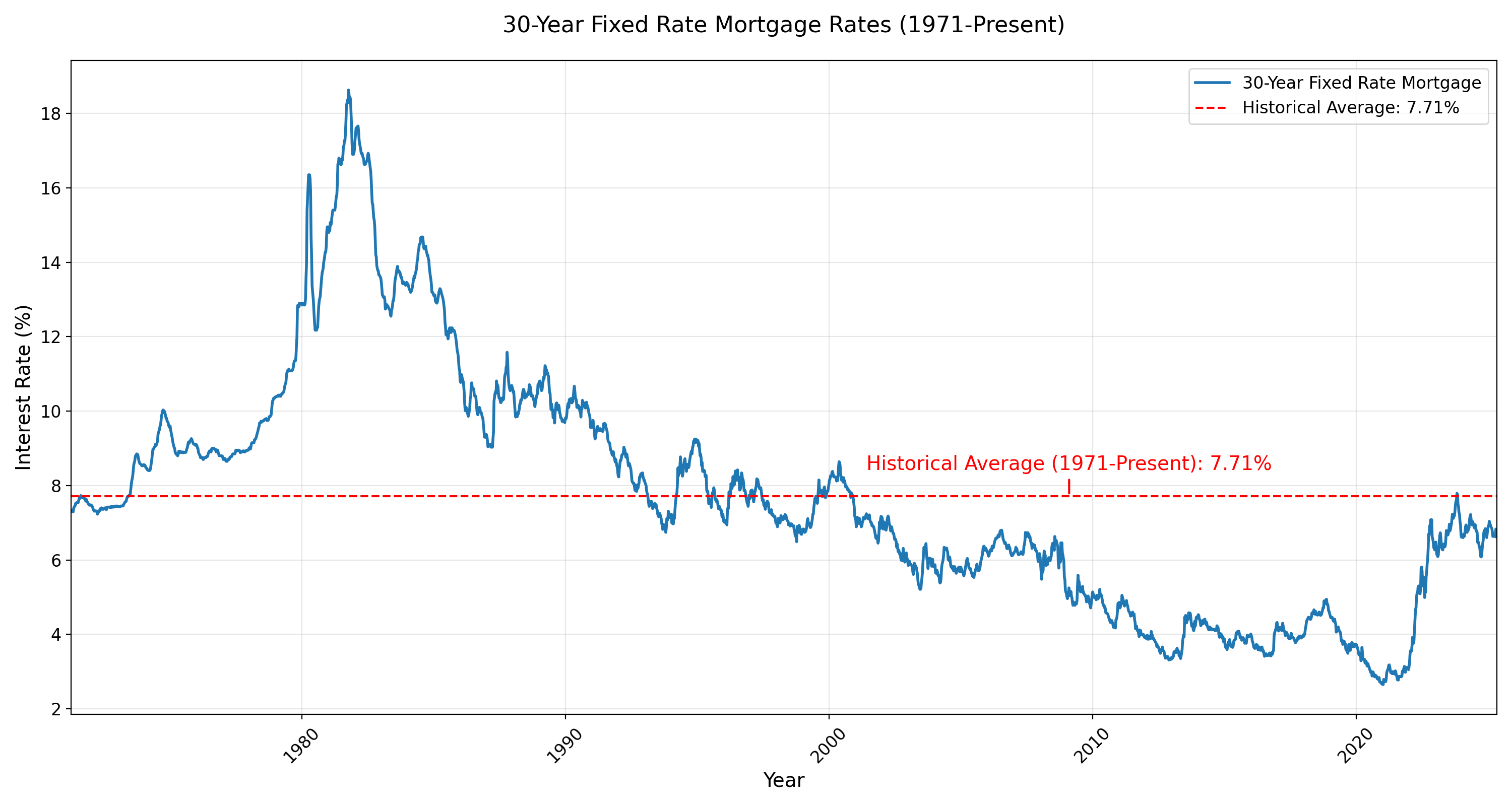
Mortgage interest rates are not arbitrarily set; they are the culmination of a complex interplay of macroeconomic forces, financial market dynamics, and the specific policies of central banks. Understanding these overarching influences provides crucial context for predicting rate movements and strategizing your home financing.
Economic Indicators: Inflation, GDP, and Employment
The general health and direction of the economy are primary drivers of interest rates.
-
Inflation: This is arguably the most significant factor. When inflation (the rate at which prices for goods and services are rising) is high, lenders demand higher interest rates to compensate for the eroded purchasing power of the money they will be repaid in the future. The Federal Reserve often raises interest rates to combat inflation, which in turn influences mortgage rates.
-
Gross Domestic Product (GDP): A strong, growing economy (indicated by rising GDP) often leads to higher inflation expectations and, consequently, higher interest rates. Conversely, a weakening economy might prompt central banks to lower rates to stimulate growth.
-
Employment: Low unemployment rates typically signal a robust economy, which can contribute to inflationary pressures and higher rates. High unemployment often suggests economic weakness and can lead to lower rates as the central bank tries to boost economic activity.
Lenders and investors constantly monitor these indicators to anticipate future rate movements.
Federal Reserve Policy and the Federal Funds Rate
While the Federal Reserve does not directly set mortgage rates, its actions have a profound indirect impact. The Federal Funds Rate is the target rate for overnight lending between banks, and the Fed influences this rate through open market operations.
-
When the Fed raises the federal funds rate, it generally makes borrowing more expensive for banks, which then pass these higher costs on to consumers in the form of higher rates for various loans, including mortgages.
-
Conversely, when the Fed lowers the federal funds rate, it signals an easing of monetary policy, which typically translates to lower borrowing costs and, eventually, lower mortgage rates.
The market also reacts to the Fed’s commentary and forward guidance, often pricing in anticipated rate changes even before they occur.
The Bond Market and Treasury Yields
Mortgage rates are closely tied to the bond market, particularly the yield on long-term U.S. Treasury bonds (like the 10-year Treasury note). Mortgage-backed securities (MBS), which are bundles of mortgages sold to investors, compete with Treasuries for investor capital.
-
When Treasury yields rise, MBS must offer higher yields (and thus higher mortgage rates) to remain competitive and attract investors.
-
When Treasury yields fall, MBS can offer lower yields, leading to lower mortgage rates.
This relationship explains why mortgage rates often move in the same direction as Treasury yields, even without direct intervention from the Federal Reserve.
Lender-Specific Factors and Loan Types
Beyond macroeconomic forces, specific lenders and the type of mortgage product itself can influence rates.
-
Lender Competition: A highly competitive mortgage market can drive rates down as lenders vie for borrowers.
-
Loan Type: Government-backed loans (FHA, VA, USDA) often offer slightly lower rates due to the reduced risk for lenders, as the government insures a portion of the loan. Conventional loans, which are not government-insured, can have varying rates depending on the lender’s risk assessment and current market conditions.
-
Lender Costs: Each lender has different operational costs, profit margins, and risk appetites, which can lead to variations in the rates they offer.
Personal Factors Affecting Your Rate
While macroeconomic forces set the general range for mortgage rates, your individual financial profile plays a critical role in determining the specific rate you qualify for. Lenders assess your creditworthiness and financial stability to gauge the risk associated with lending you money. The lower the perceived risk, the better the rate you are likely to receive.
Your Credit Score: The Cornerstone of Loan Eligibility
Your FICO credit score is arguably the single most important personal factor influencing your mortgage interest rate. It’s a numerical representation of your credit risk, reflecting your payment history, amounts owed, length of credit history, new credit, and credit mix.
-
Higher Credit Scores (typically 740 and above): Indicate a low-risk borrower, leading to the most favorable interest rates. Lenders see these borrowers as highly reliable.
-
Lower Credit Scores (below 620-680): Signal a higher risk, resulting in higher interest rates to compensate the lender for the increased likelihood of default. Some lenders may even decline applications from borrowers with very low scores.
Maintaining a strong credit history, paying bills on time, and keeping credit utilization low are essential steps to securing a competitive mortgage rate.
Debt-to-Income (DTI) Ratio and Financial Health
Your Debt-to-Income (DTI) ratio is another crucial metric lenders use. It compares your total monthly debt payments (including the proposed mortgage payment) to your gross monthly income.
-
Front-end DTI: Focuses on housing costs (mortgage principal, interest, taxes, insurance, HOA fees) relative to gross income.
-
Back-end DTI: Includes all monthly debt obligations (credit card payments, car loans, student loans, etc.) plus housing costs, relative to gross income.
Lenders typically look for a back-end DTI ratio of 36% to 43% or lower, though some programs may allow for higher ratios under specific circumstances. A lower DTI indicates that you have sufficient income to comfortably manage your debts, making you a less risky borrower and potentially qualifying you for better rates.
Down Payment Size: Lower Risk, Better Rates
The size of your down payment directly impacts your Loan-to-Value (LTV) ratio (see next section) and significantly influences the risk profile of your loan.
-
Larger Down Payments (20% or more): Reduce the amount you need to borrow, lower the lender’s risk, and often result in more favorable interest rates. They also allow you to avoid Private Mortgage Insurance (PMI) on conventional loans, which is an additional monthly cost.
-
Smaller Down Payments (less than 20%): Increase the loan amount relative to the home’s value, signaling higher risk to the lender. This typically leads to higher interest rates and usually requires PMI, adding to your overall monthly housing expense. While low down payment options exist (e.g., FHA loans at 3.5% down, VA loans at 0% down), they often come with their own forms of mortgage insurance or funding fees.
Loan-to-Value (LTV) Ratio
The Loan-to-Value (LTV) ratio is the amount of your mortgage compared to the appraised value of the home. It’s calculated by dividing the loan amount by the home’s value.
-
Lower LTV Ratios (e.g., 80% or less): Indicate that you have a significant equity stake in the home from the start. This reduces the lender’s exposure to loss if property values decline or if you default, leading to lower interest rates.
-
Higher LTV Ratios (e.g., 90% or 95%): Mean you’re borrowing a larger percentage of the home’s value, which is riskier for the lender. Consequently, these loans typically come with higher interest rates and often require mortgage insurance.
Understanding and strategically managing these personal financial factors can empower you to improve your eligibility for the most competitive mortgage interest rates available.
Navigating the Mortgage Market: Strategies for Securing the Best Rate
Securing the best possible mortgage interest rate requires diligence, strategic planning, and an understanding of how to effectively engage with lenders. It’s not just about what rate is advertised, but how you position yourself to qualify for it and what options you explore.
Shopping Around: Comparing Lenders and Offers
One of the most effective ways to secure a competitive rate is to shop around and compare offers from multiple lenders. Don’t simply accept the first offer you receive.
-
Get Quotes from Diverse Lenders: Reach out to traditional banks, credit unions, online lenders, and mortgage brokers. Each may have different rates, fees, and loan programs.
-
Obtain Loan Estimates: Once you provide basic information, lenders can issue a Loan Estimate (LE), a standardized form that details the interest rate, monthly payment, closing costs, and other loan terms. This makes it easy to compare apples-to-apples.
-
Understand Rate Locks: Once you’ve found a favorable rate, inquire about “locking” it in. A rate lock guarantees that your interest rate won’t change between the time of application and closing, typically for a period of 30 to 60 days. Be aware of lock-in fees and expiration dates.
Shopping around extensively can save you thousands of dollars over the life of your loan.
Improving Your Financial Profile
Before you even begin seriously shopping for a mortgage, take steps to optimize your financial standing. This means addressing the personal factors discussed earlier.
-
Boost Your Credit Score: Pay down credit card balances, dispute any errors on your credit report, avoid opening new credit accounts, and ensure all bills are paid on time.
-
Reduce Your DTI Ratio: Pay down existing debts, particularly high-interest credit card debt or personal loans. If possible, consider increasing your income.
-
Save for a Larger Down Payment: The more you can put down, the lower your LTV, the less risk for the lender, and often, the better your rate. Even a slight increase in your down payment percentage can sometimes move you into a better rate tier.
-
Build Cash Reserves: Lenders look favorably upon borrowers with emergency savings, as it indicates financial stability and a reduced risk of default.
Proactive financial management can significantly enhance your borrowing power and improve your rate eligibility.
Understanding Discount Points and Origination Fees
When evaluating mortgage offers, you’ll encounter various fees that can impact the effective cost of your loan.
-
Discount Points: These are upfront fees paid to the lender in exchange for a lower interest rate. One discount point typically costs 1% of the loan amount. For example, on a $300,000 loan, one point would be $3,000. You need to calculate the “break-even point” to determine if buying down the rate is financially beneficial. This involves dividing the cost of the points by the monthly savings to see how many months it will take to recoup the upfront expense. If you plan to stay in the home for a long time, buying points might make sense.
-
Origination Fees: These are fees charged by the lender for processing your loan application, underwriting, and other administrative tasks. They are typically expressed as a percentage of the loan amount or a flat fee. It’s crucial to compare origination fees across lenders, as they can vary significantly.
These fees are part of the “closing costs” and are distinct from the interest rate itself, but they collectively contribute to the overall cost of borrowing.
When to Lock In Your Rate
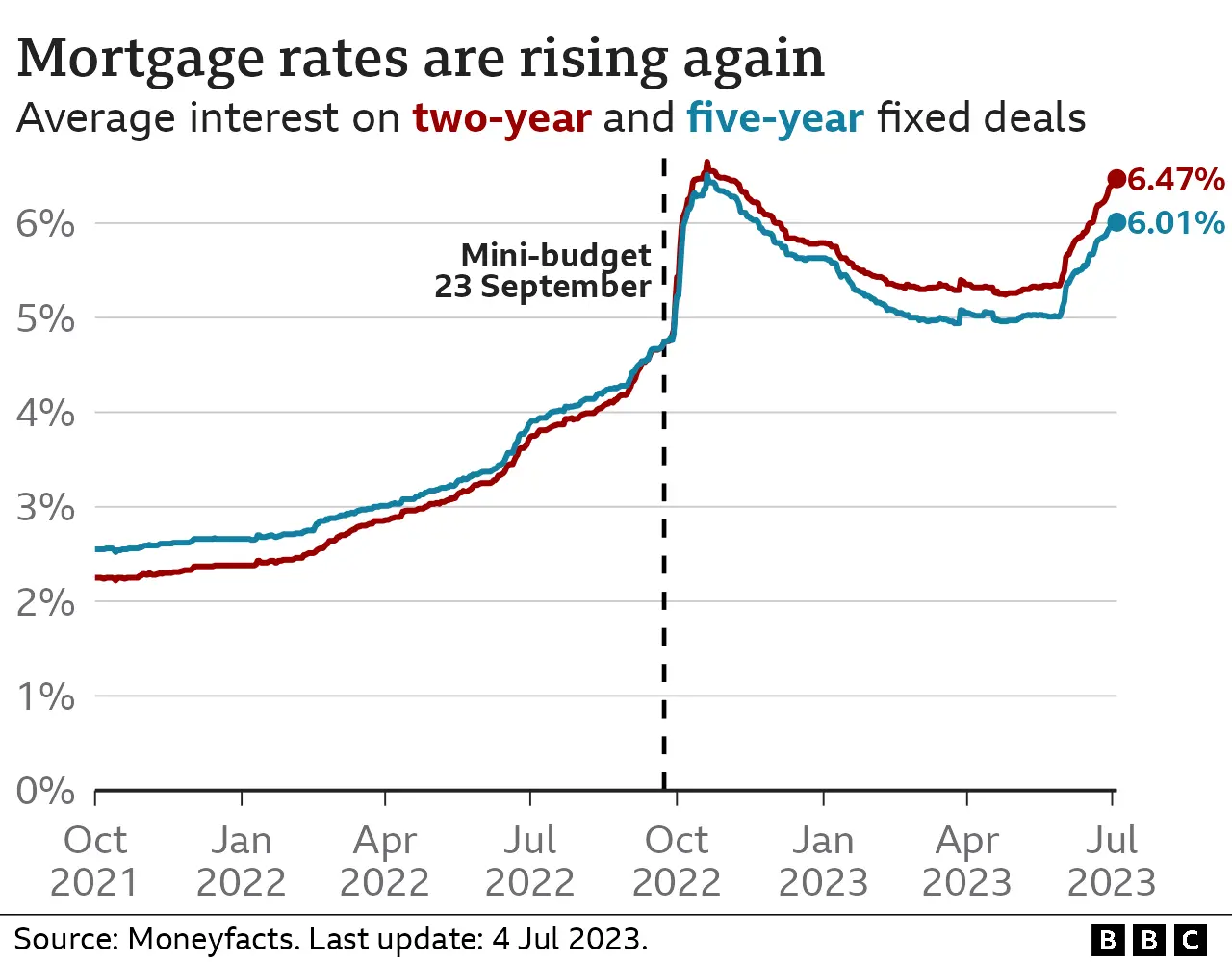
Timing your rate lock is a delicate balance. If you believe rates will rise, locking in early can protect you. If you anticipate rates falling, waiting might yield a better offer.
-
During periods of rate volatility: Locking in provides certainty.
-
When you are close to closing: As your loan moves through underwriting, locking the rate ensures you know your final payment.
-
Consider “float-down” options: Some lenders offer a “float-down” option, allowing you to get a lower rate if market rates drop after you’ve locked, for an additional fee.
Discuss rate lock options and their associated costs and benefits with your lender to make the most informed decision for your specific situation.
In conclusion, mortgage interest rates are a cornerstone of homeownership, influencing everything from monthly budgets to long-term financial planning. While external economic forces largely dictate the overall rate environment, individual financial health and strategic engagement with the lending market are paramount in securing the most advantageous terms. By understanding the mechanics of interest, the factors that drive rates, and the strategies for navigating the mortgage process, prospective homeowners can empower themselves to make sound financial decisions that pave the way for successful homeownership.
aViewFromTheCave is a participant in the Amazon Services LLC Associates Program, an affiliate advertising program designed to provide a means for sites to earn advertising fees by advertising and linking to Amazon.com. Amazon, the Amazon logo, AmazonSupply, and the AmazonSupply logo are trademarks of Amazon.com, Inc. or its affiliates. As an Amazon Associate we earn affiliate commissions from qualifying purchases.