
Homeownership is a cornerstone of the American dream for many, representing both a significant personal achievement and a substantial financial investment. At the heart of this pursuit lies a critical financial concept: home interest rates. Far from being a mere percentage point, interest rates are the lifeblood of the housing market, dictating affordability, influencing purchasing power, and shaping the broader economic landscape. Understanding “what are home interest rates” is not just for economists or financial gurus; it’s essential knowledge for anyone contemplating buying a home, refinancing an existing mortgage, or simply trying to comprehend the dynamics of personal wealth accumulation.
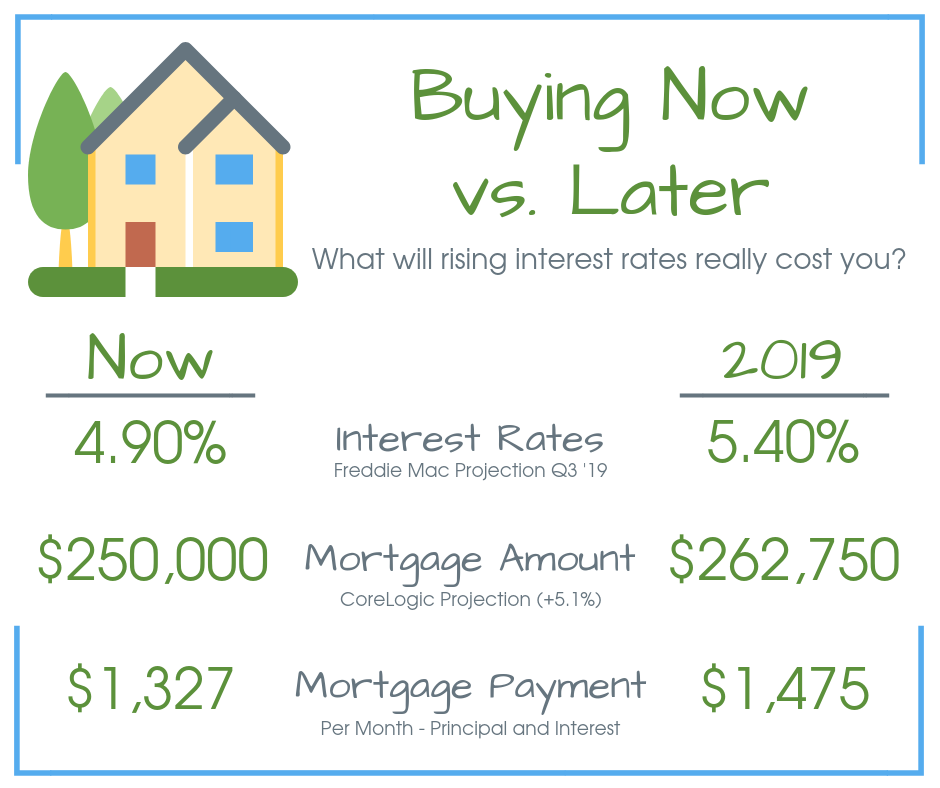
In essence, a home interest rate is the cost of borrowing money to purchase a house, expressed as a percentage of the loan amount. It’s the fee a lender charges you for the privilege of using their capital, paid back over the life of your loan in addition to the principal amount borrowed. This rate profoundly impacts your monthly mortgage payments, the total cost of your home over time, and ultimately, your financial well-being. This comprehensive guide will demystify home interest rates, exploring their fundamental nature, the forces that drive them, their various forms, and their far-reaching implications for both individual homeowners and the economy at large.
Understanding the Fundamentals of Home Interest Rates
Before diving into the complexities, it’s crucial to grasp the foundational elements of what home interest rates represent and how they function within the mortgage ecosystem. This basic understanding forms the bedrock for making informed financial decisions regarding homeownership.
Defining Home Interest Rates
At its simplest, a home interest rate is the percentage charged by a lender for a mortgage loan. It’s the cost of financing your home purchase, and it’s applied to the outstanding principal balance of your loan. This rate is usually quoted on an annual basis, even though payments are made monthly. For instance, if you borrow $300,000 at a 5% interest rate, you’re agreeing to pay 5% of the remaining principal balance each year, distributed across your monthly payments. This interest component is a significant portion of your early mortgage payments, gradually decreasing as you pay down the principal.
The Core Function of Interest Rates in Mortgages
Interest rates serve multiple critical functions. For borrowers, they determine the affordability and total cost of a home. A lower interest rate translates to lower monthly payments and less money paid over the life of the loan, making homeownership more accessible and cost-effective. Conversely, higher rates can price potential buyers out of the market or significantly increase their financial burden.
For lenders, interest rates are their primary source of revenue and a mechanism to compensate them for the risk involved in lending money. They factor in the potential for default, administrative costs, and the opportunity cost of not investing that capital elsewhere. The interest rate also incorporates a premium for inflation, ensuring the purchasing power of the money repaid in the future is comparable to the money lent today.
Principal vs. Interest: How Payments Break Down
Every mortgage payment you make is typically divided into two main components: principal and interest.
-
Principal: This is the portion of your payment that directly reduces the amount you originally borrowed. As you pay down the principal, your outstanding loan balance decreases.
-
Interest: This is the cost of borrowing money, calculated based on the current outstanding principal balance and your interest rate.
In the early years of a standard amortizing mortgage (like a 30-year fixed-rate loan), a much larger portion of your monthly payment goes towards interest. Over time, as the principal balance decreases, a greater percentage of your payment is allocated to paying down the principal. This structure, known as amortization, ensures the loan is fully paid off by the end of its term, assuming all payments are made as scheduled. Understanding this breakdown is crucial for recognizing how interest rates compound over time and affect the total cost of your home.
Key Factors Influencing Home Interest Rates
Home interest rates are not static; they are dynamic figures influenced by a complex interplay of economic forces, central bank policies, and individual borrower characteristics. Understanding these drivers is vital for anticipating rate movements and timing your home purchase or refinancing decisions effectively.
Economic Indicators: Inflation, GDP, and Employment
The broader economic environment is a primary determinant of interest rates.
-
Inflation: This is arguably the most significant driver. When inflation is high or expected to rise, lenders demand higher interest rates to ensure that the money they are repaid in the future has similar purchasing power to the money they lent today. The Federal Reserve often raises interest rates to combat inflation.
-
Gross Domestic Product (GDP): A strong, growing economy (indicated by rising GDP) often leads to higher interest rates. Lenders anticipate increased demand for credit, and borrowers are generally in a better position to handle higher costs. Conversely, a weak economy often sees lower rates as a stimulant.
-
Employment Data: Low unemployment rates and strong job growth suggest a healthy economy, which can put upward pressure on interest rates. More people working means more potential homebuyers and stronger consumer spending.
Central Bank Policy: The Federal Funds Rate’s Role
In the United States, the Federal Reserve (the “Fed”) plays a pivotal role in influencing interest rates through its monetary policy. While the Fed doesn’t directly set mortgage rates, its actions significantly impact them. The primary tool is the federal funds rate, which is the target rate for overnight lending between banks.
-
When the Fed raises the federal funds rate, it becomes more expensive for banks to borrow money, and these higher costs are often passed on to consumers in the form of higher rates for various loans, including mortgages.
-
Conversely, when the Fed lowers the federal funds rate, borrowing becomes cheaper for banks, which can lead to lower consumer lending rates.
Mortgage rates are particularly sensitive to expectations about future Fed policy and inflation.
Lender’s Risk Assessment: Credit Score, Debt-to-Income, Loan-to-Value
Beyond macroeconomic factors, individual borrower characteristics play a crucial role in determining the specific interest rate you’ll be offered. Lenders assess your risk profile to gauge the likelihood of you repaying the loan.
-
Credit Score: A higher credit score (typically FICO scores above 740-760) indicates a strong history of responsible borrowing and repayment, making you a lower risk. Lower-risk borrowers generally qualify for lower interest rates.
-
Debt-to-Income (DTI) Ratio: This ratio compares your total monthly debt payments to your gross monthly income. A lower DTI ratio (typically below 43%) suggests you have more disposable income to comfortably manage mortgage payments, making you a more attractive borrower.
-
Loan-to-Value (LTV) Ratio: This ratio compares the loan amount to the appraised value of the home. A lower LTV (meaning a larger down payment) indicates that you have more equity in the property from the start, reducing the lender’s risk and potentially leading to a better interest rate.
Loan Type and Term: Fixed vs. Adjustable, 15-Year vs. 30-Year
The specific structure of your mortgage loan also has a direct impact on the interest rate.
-
Fixed-Rate vs. Adjustable-Rate Mortgages (ARMs): Fixed-rate mortgages offer a constant interest rate for the entire loan term, providing predictability. Because lenders take on the risk of future rate increases, fixed rates are often slightly higher than initial ARM rates. ARMs have an interest rate that can fluctuate after an initial fixed period, offering lower initial rates but introducing rate volatility.
-
Loan Term (e.g., 15-Year vs. 30-Year): Shorter-term loans (e.g., 15-year mortgages) typically come with lower interest rates compared to longer-term loans (e.g., 30-year mortgages). This is because the lender’s money is tied up for a shorter period, reducing their exposure to interest rate risk and inflation. While monthly payments are higher on a 15-year loan, the total interest paid over the life of the loan is significantly less.
Types of Home Loans and Their Interest Rate Structures
The mortgage market offers a variety of loan products, each with distinct interest rate characteristics designed to meet different borrower needs and risk tolerances. Choosing the right loan type is a critical decision that impacts your financial journey for decades.
Fixed-Rate Mortgages: Stability and Predictability
Fixed-rate mortgages are the most common type of home loan, offering an interest rate that remains constant for the entire duration of the loan term, typically 15 or 30 years.
-
Pros: The primary advantage is predictability. Your principal and interest payment will never change, making budgeting easier and providing stability against rising interest rates. This makes them ideal for borrowers who value long-term financial security.
-
Cons: Fixed rates are often slightly higher than the initial rates offered by adjustable-rate mortgages when interest rates are stable or falling. If market rates drop significantly, you might need to refinance to take advantage of lower rates.

Adjustable-Rate Mortgages (ARMs): Flexibility with Risk
Adjustable-rate mortgages feature an interest rate that is fixed for an initial period (e.g., 3, 5, 7, or 10 years) and then adjusts periodically for the remainder of the loan term, based on a specific market index (like LIBOR, SOFR, or the Constant Maturity Treasury).
-
Pros: ARMs typically offer lower initial interest rates compared to fixed-rate mortgages, resulting in lower monthly payments during the introductory period. This can be attractive for borrowers who plan to sell or refinance before the fixed period ends, or those who expect their income to increase significantly.
-
Cons: The main risk is that the interest rate (and thus your monthly payment) can increase significantly after the initial fixed period, potentially making the loan unaffordable. Most ARMs have caps (periodic and lifetime) that limit how much the rate can change, but even with caps, payments can still rise substantially.
Government-Backed Loans: FHA, VA, and USDA Loans
These loans are insured or guaranteed by U.S. government agencies, making them more accessible to specific borrower groups, often with more flexible qualification criteria and sometimes different interest rate considerations.
-
FHA Loans: Insured by the Federal Housing Administration, FHA loans are popular for first-time homebuyers or those with lower credit scores and smaller down payments (as low as 3.5%). While the interest rates are competitive, FHA loans require both upfront and annual mortgage insurance premiums (MIP), which add to the overall cost.
-
VA Loans: Guaranteed by the U.S. Department of Veterans Affairs, VA loans are available to eligible veterans, service members, and surviving spouses. They often require no down payment and no private mortgage insurance (PMI), making them very attractive. Interest rates are typically competitive and often lower than conventional loans due to the government guarantee, though they do have a one-time funding fee.
-
USDA Loans: Guaranteed by the U.S. Department of Agriculture, USDA loans are designed for low-to-moderate-income individuals purchasing homes in eligible rural areas. They typically require no down payment and offer competitive interest rates, making rural homeownership more attainable for qualified borrowers. Similar to FHA, they have upfront and annual guarantee fees.
Jumbo Loans and Other Niche Products
For borrowers seeking to finance homes that exceed the conforming loan limits set by Fannie Mae and Freddie Mac (which are typically higher in high-cost areas), jumbo loans are an option. These non-conforming loans are not backed by government-sponsored enterprises and thus come with stricter underwriting requirements, higher credit score demands, and potentially slightly higher interest rates compared to conforming loans.
Beyond these, there are various other niche mortgage products, such as interest-only mortgages (where for an initial period, you only pay the interest), construction loans, and hybrid ARMs, each with unique rate structures and specific uses. Understanding the pros and cons of each, alongside their interest rate implications, is essential for choosing the best fit for your financial situation.
The Impact of Interest Rates on Homeownership and the Economy
The fluctuations in home interest rates have profound and far-reaching effects, extending beyond an individual’s monthly mortgage payment to shape broader housing market trends and national economic health.
Affordability and Monthly Payments
This is perhaps the most immediate and tangible impact for prospective homeowners. Even a seemingly small change in an interest rate can significantly alter the monthly mortgage payment. For example, on a $300,000 loan, a 1% increase in the interest rate can add hundreds of dollars to your monthly payment, potentially pushing homeownership out of reach for some buyers or forcing others to purchase a less expensive home. Conversely, falling rates can boost affordability, allowing buyers to qualify for larger loans or enjoy lower monthly expenses.
Borrowing Power and Home Equity
Interest rates directly influence your borrowing power – how much a lender is willing to lend you. Lower rates mean more of your monthly payment goes towards principal, allowing you to qualify for a larger loan amount for the same monthly payment budget. This expands your options in the housing market. Furthermore, interest rates affect how quickly you build home equity. With lower interest payments, you pay down principal faster, increasing the equity you have in your home, which can be leveraged for future financial needs.
Refinancing Opportunities and Strategies
Existing homeowners closely watch interest rate movements for potential refinancing opportunities. If current market rates drop significantly below your existing mortgage rate, refinancing can save you tens of thousands of dollars over the life of the loan, reduce your monthly payments, or allow you to convert an ARM to a fixed-rate mortgage for stability. Refinancing also offers options for cash-out refinancing, where you borrow against your home equity, typically at a lower interest rate than personal loans, but careful consideration of the risks is paramount.
Broader Economic Implications: Housing Market Dynamics
On a macroeconomic level, interest rates are a powerful lever for influencing the housing market and the economy as a whole.
-
Rising Rates: Can cool down an overheated housing market by reducing affordability and demand, potentially leading to slower price appreciation or even price declines. This can also slow down construction and related industries.
-
Falling Rates: Can stimulate the housing market by making homes more affordable, increasing demand, and encouraging new construction. This can boost consumer spending through home equity withdrawals and generally contribute to economic growth.
The housing market, in turn, has ripple effects on numerous other sectors, including construction, retail (for home furnishings), and financial services, making interest rates a critical economic indicator.
Navigating Home Interest Rates: Strategies for Prospective Homeowners
Successfully navigating the landscape of home interest rates requires proactive planning, diligent research, and a strategic approach. For prospective homeowners, understanding how to secure the most favorable rates can lead to substantial long-term savings.
Improving Your Financial Profile
Before even looking at homes, focus on enhancing your financial standing.
-
Boost Your Credit Score: Pay bills on time, reduce credit card debt, and avoid opening new credit lines. A higher credit score signals lower risk to lenders, qualifying you for better rates.
-
Lower Your Debt-to-Income Ratio: Pay down existing debts (student loans, car loans, credit cards) to improve your DTI. Lenders prefer DTI ratios below 43%, though lower is always better.
-
Save a Larger Down Payment: A substantial down payment (ideally 20% or more) reduces your loan-to-value ratio, making you a less risky borrower and potentially helping you avoid private mortgage insurance (PMI) on conventional loans.
Shopping Around for Lenders
Never settle for the first offer you receive. Interest rates and associated fees can vary significantly between different lenders.
-
Compare Multiple Lenders: Contact a variety of banks, credit unions, and mortgage brokers. Get pre-approvals from several institutions to compare their rates, fees, and loan terms side-by-side.
-
Look Beyond the Rate: While the interest rate is crucial, also compare closing costs, points (fees paid to lower the interest rate), and other charges. The Annual Percentage Rate (APR) is a useful metric as it includes the interest rate plus most closing costs, offering a more complete picture of the loan’s true cost.
-
Negotiate: Don’t be afraid to use offers from one lender to negotiate a better deal with another. Lenders are often willing to compete for your business.
Understanding Rate Locks and Closing Costs
When you’re close to applying for a mortgage, two critical concepts come into play:
-
Rate Locks: Once you’ve found a favorable interest rate, you can “lock” it in for a specific period (e.g., 30, 45, or 60 days). This protects you from rate increases while your loan is being processed. However, if rates drop during your lock period, you typically can’t take advantage of the lower rate unless you pay a fee to “float down.”
-
Closing Costs: These are fees associated with finalizing your mortgage and typically range from 2% to 5% of the loan amount. They include appraisal fees, title insurance, legal fees, origination fees, and potentially discount points to lower your interest rate. Understand all these costs before closing.

When to Consider Refinancing
For existing homeowners, monitoring interest rates is an ongoing task.
-
Lower Rates: If current rates are significantly lower than your existing mortgage rate (a general rule of thumb is a 0.75% to 1% difference), refinancing could be beneficial.
-
Change Loan Type: You might want to convert an adjustable-rate mortgage to a fixed-rate loan for stability, or vice-versa if you plan to sell soon.
-
Shorten Loan Term: Refinancing from a 30-year to a 15-year mortgage can save substantial interest over the life of the loan, though it increases your monthly payments.
-
Access Home Equity: Cash-out refinancing allows you to tap into your home’s equity, but weigh the benefits against extending your mortgage term or increasing your principal.
Always calculate the break-even point (how long it takes for the savings from refinancing to offset the closing costs) to determine if it’s a financially sound move.
In conclusion, home interest rates are a cornerstone of personal finance and the broader economy. They are not just numbers, but powerful indicators and determinants of wealth, accessibility, and financial stability. By understanding their fundamentals, the forces that drive them, the various loan types available, and how to strategically approach them, individuals can make more informed decisions on their journey to homeownership and financial prosperity.
aViewFromTheCave is a participant in the Amazon Services LLC Associates Program, an affiliate advertising program designed to provide a means for sites to earn advertising fees by advertising and linking to Amazon.com. Amazon, the Amazon logo, AmazonSupply, and the AmazonSupply logo are trademarks of Amazon.com, Inc. or its affiliates. As an Amazon Associate we earn affiliate commissions from qualifying purchases.