
In the rapidly evolving landscape of digital commerce, Shopify has emerged as the definitive standard for businesses seeking to establish a robust online presence. To understand how Shopify works, one must look beyond the surface-level user interface and delve into its sophisticated Software-as-a-Service (SaaS) architecture. Unlike traditional e-commerce platforms that require manual installation, server management, and complex security patches, Shopify operates as a fully hosted ecosystem. This guide explores the technical framework, the underlying engine, and the integrated technologies that make Shopify the engine of choice for millions of merchants worldwide.
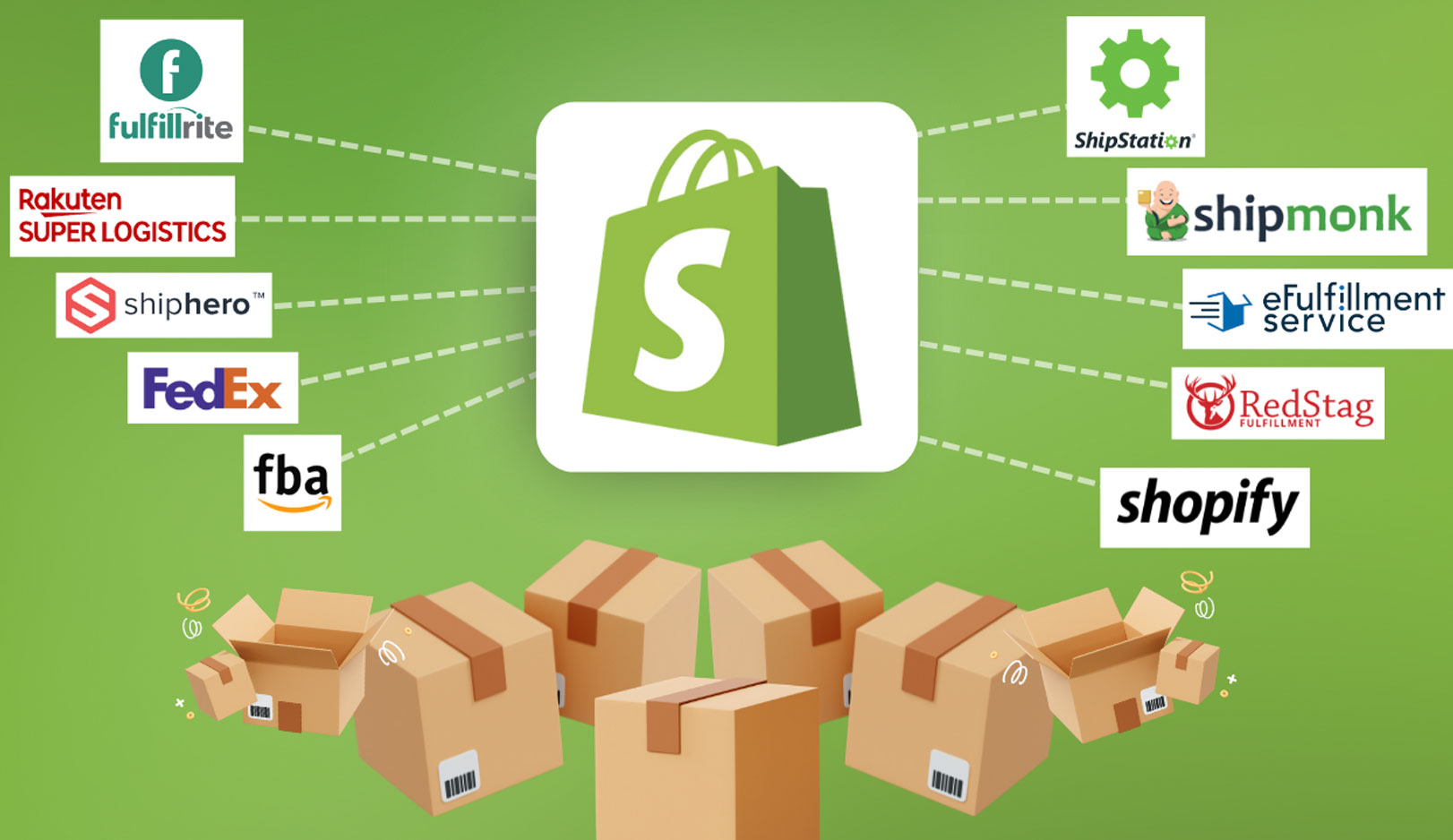
Understanding the SaaS Infrastructure: The Engine Behind the Storefront
At its core, Shopify is a multi-tenant SaaS platform. This means that while thousands of merchants use the software simultaneously, they all run on the same underlying infrastructure, which is centrally managed and updated by Shopify’s engineering team. This model eliminates the “versioning” issues common in open-source software like Magento or WordPress, where individual users are responsible for updating their software to the latest version.
Cloud-Based Hosting and Global Scalability
Shopify’s infrastructure is built on a massive, globally distributed cloud network. When a merchant starts a store, they are not renting a specific “server” in the traditional sense. Instead, their store resides within a containerized environment that can scale resources dynamically. During high-traffic events like Black Friday or Cyber Monday, the system automatically allocates more bandwidth and processing power to handle surges in concurrent users. This elasticity is achieved through the use of Docker containers and Kubernetes orchestration, ensuring that a store remains functional even when processing thousands of checkouts per minute.
The Multi-Tenant Database Architecture
Technically, Shopify uses a shared-database architecture with logical isolation. While your data—products, customer lists, and orders—is stored on the same physical hardware as other merchants, it is partitioned via unique identifiers. This allows Shopify to push updates to the entire platform at once without disrupting individual configurations. It also means that security protocols are applied globally, providing a level of enterprise-grade protection that would be cost-prohibitive for a small business to build from scratch.
The Core Framework: Managing Data and Transactions
The “backend” of Shopify, known as the Shopify Admin, serves as the command center for the merchant. This interface is built using modern web technologies, primarily Ruby on Rails for the server-side logic and React for the client-side experience. This combination allows for a fast, responsive administrative dashboard that handles complex data management tasks seamlessly.
The Shopify Admin and Content Management System (CMS)
The CMS is the heart of the platform. When a merchant adds a product, they are interacting with a sophisticated relational database. Shopify’s backend handles everything from inventory tracking and SKU management to SEO metadata and multi-channel fulfillment. Because Shopify uses a proprietary database schema, it ensures that data integrity is maintained across all points of sale. Whether a product is sold on the website, a mobile app, or via an Instagram integration, the central database updates in real-time, preventing overselling and ensuring accurate reporting.
Secure Payment Processing and PCI Compliance
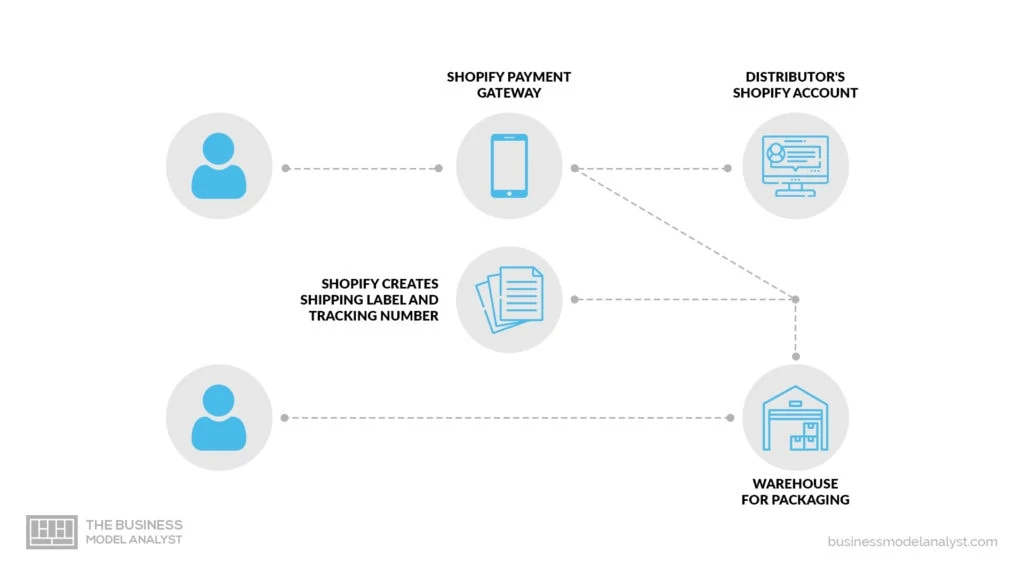
One of the most complex technical hurdles in e-commerce is handling financial transactions. Shopify simplifies this through Shopify Payments and its integration with various gateways. Technically, Shopify is a PCI DSS Level 1 compliant platform. This means that all sensitive data, particularly credit card information, is encrypted using industry-standard AES-256 encryption. When a customer enters their details at checkout, the data never touches the merchant’s server; it is tokenized and sent directly to the payment processor, significantly reducing the “attack surface” and ensuring that the merchant is automatically compliant with international financial regulations.
The Front-End Experience: Themes and Liquid Templating
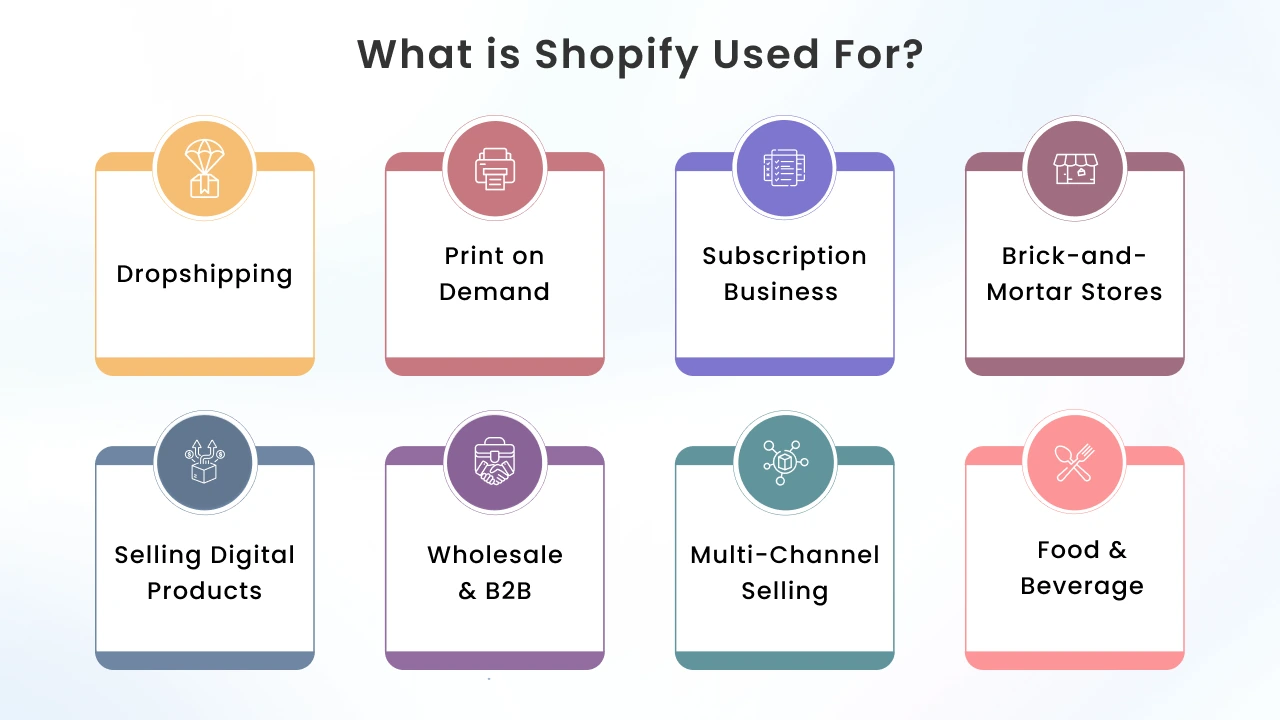
While the backend handles the logic, the “front-end” is what the customer sees. Shopify separates these two layers, allowing for a high degree of design flexibility without risking the stability of the core commerce engine. This is facilitated by a unique, open-source templating language created by Shopify called Liquid.
Customization via the Liquid Engine
Liquid is a Ruby-based language that acts as a bridge between the store’s data and the HTML displayed in a visitor’s browser. When a user visits a Shopify store, the server reads the Liquid files in the theme. It looks for “placeholders” or “tags”—for example, {{ product.title }}—and replaces them with the actual data from the database. This allows designers to create highly customized layouts without having to write complex database queries. Liquid is safe by design; it does not allow for direct database manipulation, which protects the store from common web vulnerabilities like SQL injection.
Mobile-First Design and Responsive Frameworks
Shopify’s theme architecture is built on a “mobile-first” philosophy. The default frameworks utilize CSS Flexbox and Grid, ensuring that the storefront renders optimally across all devices. Because Google and other search engines prioritize mobile performance, Shopify’s front-end tech stack includes built-in image optimization and lazy-loading scripts. This ensures that high-resolution product images are compressed and served in modern formats (like WebP) based on the user’s device, maintaining fast load times even on slower mobile networks.
Extending Functionality: The App Ecosystem and API Integration
No two businesses are identical, and Shopify’s “core” software cannot satisfy every specific niche requirement. To solve this, Shopify operates an extensive App Store and a robust set of Application Programming Interfaces (APIs).
Plugging into the Shopify App Store
The Shopify App Store is a collection of third-party software that “plugs into” the core Shopify engine. When a merchant installs an app, they are essentially granting a third-party server permission to interact with their store’s data. These apps communicate with Shopify using Webhooks—automated messages sent from the store when specific events occur (like an order being placed). This event-driven architecture allows for deep integrations with email marketing tools, ERP systems, and specialized logistics software without slowing down the primary storefront.
Headless Commerce and GraphQL APIs
For high-growth brands and enterprise-level tech teams, Shopify offers “Headless Commerce” capabilities. This involves using Shopify’s backend purely as a data source while building a custom front-end using frameworks like Next.js or Remix (the latter of which was acquired by Shopify). This is made possible through Shopify’s Storefront API, which utilizes GraphQL. Unlike traditional REST APIs that might return more data than needed, GraphQL allows developers to request exactly what they need for a specific page, resulting in lightning-fast performance and the ability to deploy “commerce-ready” experiences on any device, from smart mirrors to IoT gadgets.
Data Security and Performance Optimization
The technical value of Shopify lies largely in its ability to manage the “unseen” aspects of web development: security and speed. In a self-hosted environment, these are the responsibility of the developer; in Shopify, they are part of the service.
Content Delivery Networks (CDNs) and Loading Speeds
To ensure that a store loads quickly regardless of where the customer is located, Shopify utilizes a world-class Content Delivery Network (CDN) powered by Fastly and Cloudflare. When a merchant uploads a product photo or a video, Shopify replicates those files across hundreds of servers globally. When a customer in London visits a store based in New York, the heavy assets are served from a London-based server, minimizing latency. This geographical distribution of data is a critical technical component in reducing “Time to First Byte” (TTFB) and improving overall user experience.
Multi-Factor Authentication and Data Encryption
Security on Shopify is multi-layered. Beyond the PCI compliance mentioned earlier, Shopify employs mandatory SSL certificates for every domain hosted on the platform. On the administrative side, Shopify implements strict Multi-Factor Authentication (MFA) and granular permission settings. This allows store owners to grant staff access to specific areas of the dashboard (e.g., “Orders” only) without exposing sensitive financial data or theme files. Furthermore, Shopify runs a “Bug Bounty” program on HackerOne, paying ethical hackers to find and report vulnerabilities, ensuring that the platform’s defenses are constantly tested and reinforced against emerging cyber threats.
In conclusion, Shopify works by abstracting the immense technical complexity of e-commerce into a manageable, high-performance SaaS platform. By combining a multi-tenant cloud infrastructure with a flexible Liquid-based front end and a powerful API-driven ecosystem, it provides a stable, secure, and infinitely scalable foundation for modern digital trade. Whether through its core CMS or its advanced headless capabilities, Shopify’s tech stack is designed to handle the heavy lifting, allowing brands to focus on innovation rather than infrastructure.
aViewFromTheCave is a participant in the Amazon Services LLC Associates Program, an affiliate advertising program designed to provide a means for sites to earn advertising fees by advertising and linking to Amazon.com. Amazon, the Amazon logo, AmazonSupply, and the AmazonSupply logo are trademarks of Amazon.com, Inc. or its affiliates. As an Amazon Associate we earn affiliate commissions from qualifying purchases.