
For most individuals, purchasing a home represents the single largest financial transaction of their lives. It’s a milestone, a dream, and a significant investment all rolled into one. At the heart of this colossal undertaking lies a seemingly simple yet profoundly complex concept: the house interest rate. Often referred to more specifically as a mortgage interest rate, this figure dictates the cost of borrowing money to finance your home purchase. It’s not just a percentage; it’s a critical financial lever that impacts your monthly payments, the total amount you’ll pay over the loan’s lifetime, and ultimately, your financial well-being as a homeowner.
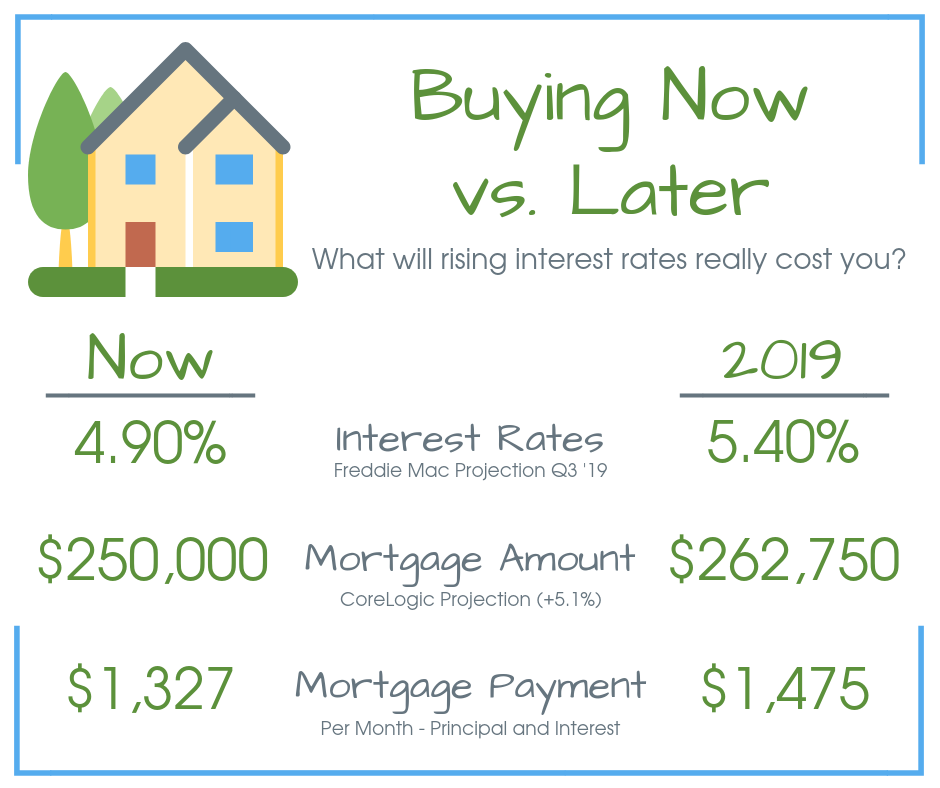
Understanding the house interest rate goes beyond simply knowing its current value. It requires delving into its components, the forces that drive its fluctuations, and the strategic choices available to borrowers. A seemingly small difference in the interest rate can translate into tens of thousands of dollars over a 15 or 30-year mortgage term, making it imperative for prospective and current homeowners alike to grasp this fundamental aspect of real estate finance. This article will deconstruct the house interest rate, explore the myriad factors influencing it, and provide insights into how you can navigate the complex mortgage market to secure the most favorable terms for your homeownership journey.
Deconstructing the “House Interest Rate”: Key Definitions and Types
To truly understand the cost of borrowing for a home, it’s essential to grasp the core terminology and different ways interest rates can be structured. This foundational knowledge empowers you to make informed decisions that align with your financial goals and risk tolerance.
Understanding Mortgage Interest Rates
At its most basic, a mortgage interest rate is the percentage charged by a lender for the money you borrow to buy a house. This percentage is applied to the outstanding loan balance, and it represents the profit a lender makes on the loan, as well as a reflection of the risk they undertake. Your monthly mortgage payment consists of two primary components: the principal (the amount you borrowed) and the interest. In the early years of a standard mortgage, a larger portion of your payment goes towards interest, gradually shifting towards principal repayment as the loan matures.
Fixed-Rate vs. Adjustable-Rate Mortgages (ARMs)
The two main types of mortgage interest rates are fixed and adjustable, each carrying distinct implications for your financial planning:
-
Fixed-Rate Mortgages: As the name suggests, a fixed-rate mortgage maintains the same interest rate for the entire duration of the loan, typically 15 or 30 years. This offers unparalleled predictability, as your principal and interest payment remains constant throughout the loan term, regardless of market fluctuations. Borrowers who prioritize stability and predictable budgeting often opt for fixed-rate mortgages, especially when interest rates are historically low.
-
Adjustable-Rate Mortgages (ARMs): ARMs feature an interest rate that changes periodically after an initial fixed-rate period. For example, a 5/1 ARM means the interest rate is fixed for the first five years, and then adjusts annually thereafter based on a specified financial index (like the Secured Overnight Financing Rate – SOFR) plus a margin set by the lender. ARMs typically start with a lower interest rate than comparable fixed-rate mortgages, making them attractive to borrowers who anticipate moving before the fixed period ends or who believe interest rates will decline. However, they introduce the risk of significantly higher payments if rates rise after the adjustment period.
APR vs. Interest Rate: The True Cost of Borrowing
While the interest rate is what determines your principal and interest payment, the Annual Percentage Rate (APR) provides a more comprehensive measure of the total annual cost of borrowing. The APR includes the interest rate plus certain other charges and fees associated with the loan, such as:
-
Origination fees (paid to the lender for processing the loan)
-
Discount points (fees paid upfront to lower the interest rate)
-
Mortgage insurance premiums (e.g., PMI for conventional loans or MIP for FHA loans)
-
Other administrative costs
By encompassing these additional charges, the APR offers a more accurate “true cost” comparison between different loan offers, allowing borrowers to evaluate loans holistically, even if they have slightly different advertised interest rates but varying fee structures.
Major Factors Influencing House Interest Rates
Mortgage interest rates are not static; they are dynamic figures influenced by a complex interplay of economic forces, lender policies, and individual borrower characteristics. Understanding these drivers is crucial for anticipating market movements and optimizing your borrowing strategy.
Economic Indicators: Inflation, Federal Funds Rate, and GDP
Broad macroeconomic conditions exert a significant influence on mortgage rates:
-
Inflation: When inflation (the general increase in prices) is high, lenders demand higher interest rates to compensate for the erosion of the future purchasing power of the money they lend today. The expectation of future inflation can push rates up even before actual inflation materializes.
-
Federal Funds Rate: Set by the Federal Reserve, the federal funds rate is the target rate for overnight lending between banks. While not directly linked to mortgage rates, changes in the federal funds rate significantly influence the prime rate and other short-term lending rates, which in turn affect the cost of funds for mortgage lenders. When the Fed raises rates to combat inflation, mortgage rates typically follow suit, albeit with a lag and not always in lockstep.
-
Gross Domestic Product (GDP) and Employment: A strong economy, characterized by robust GDP growth and low unemployment, generally signals higher demand for housing and increased consumer spending. This environment can lead to inflationary pressures and higher interest rates as the Fed may tighten monetary policy to prevent the economy from overheating.
Lender-Specific Factors: Margins and Business Strategy
Individual mortgage lenders also play a role in setting rates based on their own business models and risk assessments:
-
Profit Margins: Lenders need to cover their operational costs and generate a profit, so they add a margin to the base cost of borrowing money from capital markets.
-
Risk Assessment: Each lender has proprietary models for assessing the risk associated with different types of loans and borrowers. Higher perceived risk often translates into higher rates.
-
Competition: A competitive mortgage market can drive lenders to offer more attractive rates to attract borrowers, especially in periods of lower demand.
Borrower-Specific Factors: Credit Score, Down Payment, and Debt-to-Income Ratio
While market conditions set the general rate environment, your personal financial profile is paramount in determining the specific rate you qualify for:
-
Credit Score: Your FICO (Fair Isaac Corporation) score is a numerical representation of your creditworthiness. A higher credit score (generally above 740) indicates a lower risk to lenders, often qualifying you for the most competitive interest rates. Conversely, a lower score suggests higher risk, leading to higher rates.
-
Down Payment: A larger down payment (e.g., 20% or more) reduces the amount you need to borrow, thereby decreasing the lender’s risk exposure. This often results in a lower interest rate, and also helps you avoid private mortgage insurance (PMI) on conventional loans.
-
Debt-to-Income (DTI) Ratio: Your DTI is the percentage of your gross monthly income that goes towards debt payments (including your prospective mortgage payment). Lenders typically look for a DTI below 43%, as a lower ratio indicates greater capacity to manage monthly payments, potentially leading to better rates.
Loan Term and Type: How They Affect Your Rate
The specifics of your chosen loan product also impact the interest rate:

-
Loan Term: Shorter loan terms (e.g., 15-year mortgages) typically come with lower interest rates than longer terms (e.g., 30-year mortgages). This is because lenders face less interest rate risk over a shorter period. However, shorter terms also mean higher monthly payments.
-
Loan Type: Different mortgage products (conventional, FHA, VA, USDA) have varying risk profiles and government backing, which can influence their associated interest rates. Government-backed loans (FHA, VA, USDA) often have more lenient qualifying criteria but may have specific fees or interest rate characteristics.
Navigating the Mortgage Market: How to Secure a Favorable Rate
Given the significant financial impact of interest rates, proactively working to secure the best possible rate is a fundamental part of the homebuying process. This involves strategic preparation and diligent comparison shopping.
Improving Your Financial Profile Before Applying
Before you even start looking at houses, take steps to optimize your financial standing:
-
Boost Your Credit Score: Review your credit reports for errors, pay bills on time, reduce existing debt, and avoid opening new credit accounts. A strong credit score is your most powerful tool for securing a lower rate.
-
Save for a Larger Down Payment: Aim for at least 20% to avoid PMI and potentially qualify for better rates. Even a slightly larger down payment can make a difference.
-
Reduce Your Debt-to-Income Ratio: Pay down credit card balances, personal loans, or other debts. This demonstrates your ability to manage financial obligations, making you a less risky borrower.
-
Ensure Stable Employment and Income: Lenders prefer borrowers with consistent employment history and a stable income stream, as this indicates a reliable ability to make mortgage payments.
Shopping Around and Comparing Offers
Do not settle for the first offer you receive. Mortgage rates can vary significantly between lenders:
-
Contact Multiple Lenders: Obtain loan estimates from at least 3-5 different sources, including large banks, credit unions, and online lenders. Each lender has different underwriting guidelines, fee structures, and rate sheets.
-
Utilize Mortgage Brokers: A mortgage broker acts as an intermediary, shopping your application to various lenders to find the best rate and terms on your behalf. While they charge a fee, it can often be offset by the savings they secure.
-
Compare APRs, Not Just Interest Rates: As discussed, the APR gives you a more accurate comparison of the total cost. Look closely at all fees and closing costs listed on the loan estimate.
-
Shop Within a Short Window: When multiple lenders pull your credit report for a mortgage application within a focused period (typically 14-45 days, depending on the scoring model), it’s generally counted as a single inquiry, minimizing the impact on your credit score.
Understanding Rate Locks and Closing Costs
These elements are crucial for finalizing your mortgage terms:
-
Rate Lock: Once you’ve identified a favorable rate, ask your lender about “locking in” the rate. A rate lock guarantees that the interest rate won’t change between the time of the lock and your loan closing, usually for a period of 30 to 60 days. This protects you from rising rates during the underwriting process. Be aware that some locks might come with a fee or expire, potentially requiring an extension fee if closing is delayed.
-
Closing Costs: These are fees and expenses paid at the closing of a real estate transaction. They typically range from 2% to 5% of the loan amount and include items like appraisal fees, title insurance, attorney fees, origination fees, and escrow deposits. Understanding these costs is vital for an accurate assessment of your total financial outlay.
The Long-Term Impact of Interest Rates on Homeownership
The interest rate you secure for your mortgage has ramifications that extend far beyond the initial excitement of closing day. Its long-term effects shape your financial trajectory as a homeowner.
Total Cost of Ownership Over the Loan Term
Even a small difference in the interest rate can result in substantial savings or additional costs over 15 or 30 years. For example, on a $300,000, 30-year fixed-rate mortgage, moving from a 7.0% interest rate to a 6.5% rate could save you tens of thousands of dollars in total interest paid over the life of the loan. This highlights why diligent rate shopping is so critical.
Impact on Monthly Payments and Affordability
The interest rate directly influences your monthly mortgage payment. A lower rate means a lower monthly payment, making homeownership more affordable and freeing up cash flow for other financial goals, savings, or discretionary spending. Conversely, a higher rate can significantly strain your budget, impacting your ability to save or cover unexpected expenses. This is particularly crucial when evaluating ARMs, as payment shock can occur if rates adjust upwards.
Refinancing Opportunities and When to Consider Them
The prevailing interest rate environment can create opportunities for homeowners to refinance their existing mortgages. Refinancing involves taking out a new loan to pay off your old one, often to secure a lower interest rate, change the loan term (e.g., from 30 to 15 years), or convert an ARM to a fixed-rate mortgage. Homeowners typically consider refinancing when:
-
Current market rates are significantly lower than their existing mortgage rate.
-
Their credit score has improved substantially since their original loan.
-
They wish to tap into home equity for renovations or debt consolidation (cash-out refinance).
-
They want to reduce their loan term and pay off their mortgage faster.
However, refinancing involves closing costs, so it’s essential to calculate the break-even point to ensure the savings outweigh the upfront expenses.
Interest Rates and Home Equity Growth
While home equity is primarily built through principal repayment and property appreciation, interest rates play an indirect role. A lower interest rate allows a larger portion of your early mortgage payments to go towards principal rather than interest, accelerating your equity growth. This means you build wealth faster, providing more financial flexibility and a stronger asset foundation over time.
Conclusion
The “house interest rate” is far more than a number; it’s a pivotal financial element that dictates the true cost of homeownership and profoundly influences your financial future. From the distinct structures of fixed-rate versus adjustable-rate mortgages to the comprehensive cost revealed by the APR, understanding these definitions is your first step. Beyond these basics, a multitude of economic indicators, lender-specific strategies, and crucial borrower-specific factors—like your credit score, down payment, and debt-to-income ratio—all converge to determine the rate you ultimately receive.
Navigating this intricate landscape demands a proactive and informed approach. By diligently improving your financial profile, rigorously shopping around for the best offers, and understanding the nuances of rate locks and closing costs, you empower yourself to secure the most favorable terms possible. The long-term implications are substantial, impacting your total cost of ownership, monthly affordability, opportunities for refinancing, and the pace at which you build valuable home equity. In the dynamic world of real estate finance, knowledge is power, and a deep understanding of the house interest rate is your greatest asset in achieving successful and sustainable homeownership.
aViewFromTheCave is a participant in the Amazon Services LLC Associates Program, an affiliate advertising program designed to provide a means for sites to earn advertising fees by advertising and linking to Amazon.com. Amazon, the Amazon logo, AmazonSupply, and the AmazonSupply logo are trademarks of Amazon.com, Inc. or its affiliates. As an Amazon Associate we earn affiliate commissions from qualifying purchases.