
Understanding home mortgage rates is fundamental to navigating the complex world of real estate and personal finance. For many, a home is the largest single investment they will ever make, and the interest rate attached to its financing dictates not only the affordability of monthly payments but also the total cost of that investment over decades. Far from a static number, mortgage rates are dynamic, influenced by a confluence of economic indicators, central bank policies, and individual borrower characteristics. This comprehensive guide will demystify what mortgage rates are, explore the forces that shape them, delve into the various types available, analyze their impact on your homeownership journey, and provide actionable strategies for securing the most favorable terms.
Understanding the Fundamentals of Home Mortgage Rates
At its core, a home mortgage rate is the cost you pay to borrow money from a lender to purchase a home. It’s expressed as a percentage of the principal loan amount and is applied periodically, typically monthly. This interest is the lender’s profit for extending the loan and compensating for the risk involved. While simple in concept, the nuances of how these rates are calculated and presented can be complex, making a clear understanding crucial for every prospective homeowner.
Defining Mortgage Rates: The Cost of Borrowing
When a lender provides you with a mortgage, they are essentially selling you money. The mortgage rate is the price tag for that money. It’s the premium you pay for the convenience of using their capital to acquire a significant asset without having to pay the full price upfront. This rate, combined with the principal loan amount and the loan term, determines your regular mortgage payment. A lower rate means less interest paid over the life of the loan, resulting in lower monthly payments and substantial long-term savings. Conversely, a higher rate significantly increases both your monthly financial burden and the total cost of homeownership.
The APR vs. Interest Rate: A Crucial Distinction
While often used interchangeably, the stated “interest rate” and the “Annual Percentage Rate” (APR) are distinct and critically important figures. The interest rate is solely the percentage applied to the principal loan amount to calculate your interest payments. The APR, however, offers a more comprehensive measure of the total cost of borrowing. It includes the interest rate plus certain other charges, such as origination fees, discount points, mortgage insurance, and other lender fees. Consequently, the APR is almost always higher than the interest rate. When comparing loan offers, focusing on the APR provides a truer picture of the overall cost, as it standardizes the comparison by incorporating many of the upfront costs into an annual percentage. Understanding this distinction can save borrowers thousands of dollars by allowing for a more accurate side-by-side comparison of loan products.
Why Even Small Fluctuations Matter
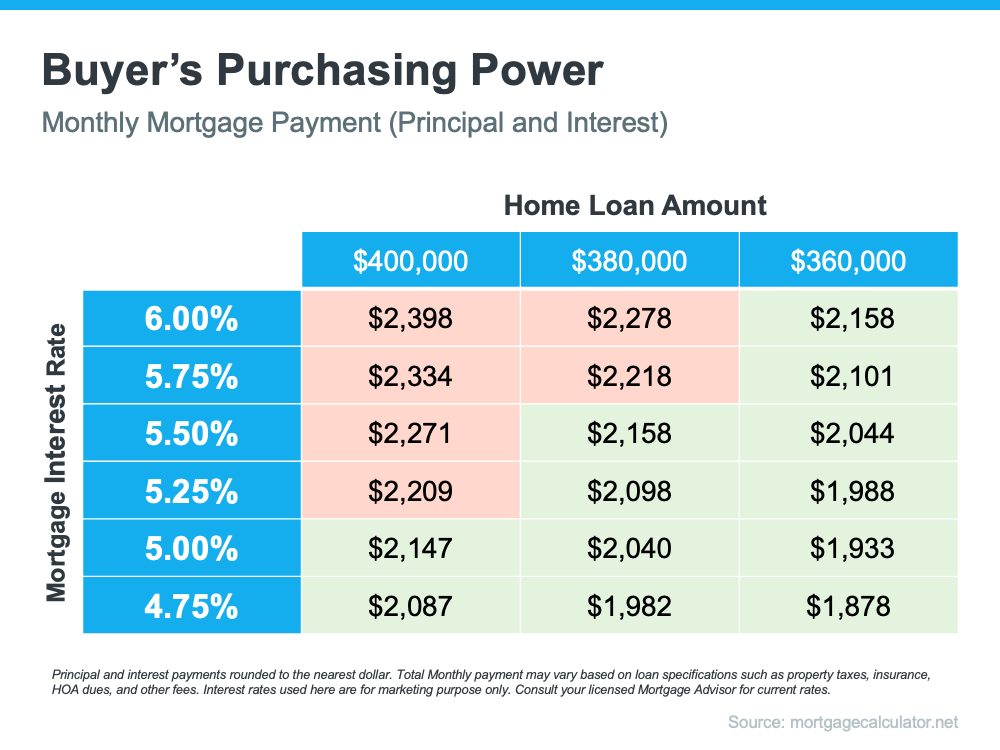
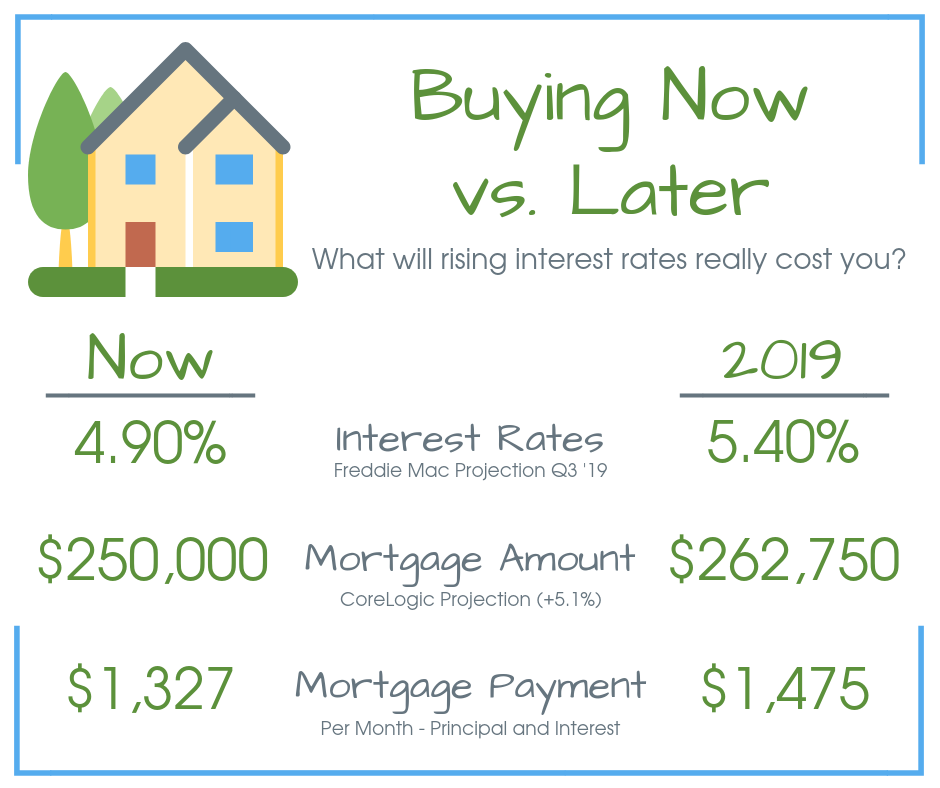
It might seem negligible, but even a quarter-point or half-point difference in a mortgage rate can have profound long-term implications. On a substantial loan amount, such as a $300,000 mortgage, a difference of just 0.5% can translate into tens of thousands of dollars over a 30-year term. For example, a 30-year fixed-rate mortgage of $300,000 at 6.0% would have a monthly payment of approximately $1,798.65. At 6.5%, that payment jumps to about $1,896.20—an increase of nearly $100 per month. Over 30 years, this seemingly small difference adds up to over $35,000 in additional interest paid. These cumulative effects highlight why closely monitoring and strategically securing the best possible rate is a cornerstone of responsible financial planning for homeownership.
Key Factors Influencing Mortgage Rates
Mortgage rates are not set in a vacuum; they are a dynamic reflection of broader economic health, monetary policy, and market sentiment. Understanding these underlying influences empowers prospective homeowners to anticipate rate movements and make informed decisions about when to buy or refinance. From the actions of the Federal Reserve to the global bond market, several powerful forces continuously shape the cost of borrowing for a home.
The Federal Reserve’s Role and Monetary Policy
While the Federal Reserve (the Fed) does not directly set mortgage rates, its monetary policy decisions exert a significant indirect influence. The Fed’s primary tool is the federal funds rate, an overnight lending rate between banks. When the Fed raises this rate, it typically makes borrowing more expensive for banks, which can lead to higher interest rates across the economy, including on consumer loans like mortgages. Conversely, a reduction in the federal funds rate aims to stimulate economic activity by making borrowing cheaper. While mortgage rates don’t move in lockstep with the federal funds rate, there’s a strong correlation, as the Fed’s actions signal its stance on inflation and economic growth, which in turn affect the broader credit market.
Inflation and Economic Growth
Inflation, the rate at which the general level of prices for goods and services is rising, is a critical driver of mortgage rates. Lenders need to ensure that the return they receive on a loan outpaces inflation to maintain the purchasing power of their profits. If inflation is expected to rise, lenders will demand higher interest rates to compensate for the anticipated erosion of money’s value over time. Conversely, low inflation or deflationary pressures can lead to lower rates. Economic growth also plays a role; a robust economy often accompanies higher demand for credit and potential inflationary pressures, pushing rates up. A stagnant or contracting economy, on the other hand, might see rates fall as the Fed tries to stimulate activity and demand for loans weakens.
The Bond Market’s Influence (10-Year Treasury Yield)
Perhaps the most direct and impactful daily driver of fixed mortgage rates is the bond market, particularly the yield on the 10-year U.S. Treasury note. Mortgage-backed securities (MBS), which are bundles of home loans sold to investors, compete with U.S. Treasury bonds for investor capital. When the yield on the 10-year Treasury rises, MBS must offer a higher yield to attract investors, which translates to higher mortgage rates for consumers. Conversely, when Treasury yields fall, MBS can offer lower yields and still be competitive, leading to a drop in mortgage rates. The 10-year Treasury yield is often seen as a benchmark for long-term interest rates and provides a real-time pulse of market expectations for inflation and economic growth, making it a crucial indicator for mortgage rate trends.
Lender-Specific Factors and Risk Assessment
Beyond macroeconomic forces, individual lenders also play a role in setting rates. Each lender has its own cost of funds, operational expenses, profit margins, and risk assessment models. Factors such as a borrower’s credit score, debt-to-income ratio, loan-to-value (LTV) ratio (the amount borrowed compared to the home’s value), and even the loan type itself (e.g., conventional vs. FHA) influence the specific rate offered to an individual. Borrowers perceived as higher risk due to lower credit scores or higher debt may be offered higher rates to compensate the lender for the increased likelihood of default. This personalized risk assessment means that even on the same day, different borrowers and different lenders can offer varying rates.
Types of Mortgage Rates and Their Implications
Navigating the mortgage market requires an understanding of the various rate structures available. The choice between a fixed-rate and an adjustable-rate mortgage, for instance, carries distinct implications for financial stability, payment predictability, and overall cost over the loan’s term. Each type caters to different borrower profiles and financial strategies, and selecting the right one is pivotal to long-term financial success.
Fixed-Rate Mortgages: Stability in an Unpredictable Market
A fixed-rate mortgage is characterized by an interest rate that remains constant for the entire duration of the loan. This means your principal and interest payment will never change, offering unparalleled predictability and stability. Common terms include 15-year and 30-year fixed-rate mortgages, though other durations exist. The primary advantage of a fixed-rate loan is the certainty it provides; borrowers are protected from potential rate increases if market rates rise, making budgeting straightforward and offering peace of mind. However, this stability comes with a trade-off: if market rates fall significantly, you would need to refinance to take advantage of lower rates, incurring additional closing costs. Fixed-rate mortgages are generally preferred by borrowers seeking long-term stability and those who plan to stay in their homes for many years.
Adjustable-Rate Mortgages (ARMs): Flexibility with Calculated Risk
An Adjustable-Rate Mortgage (ARM) features an interest rate that is fixed for an initial period (e.g., 3, 5, 7, or 10 years) and then adjusts periodically for the remainder of the loan term based on a specified market index. For example, a 5/1 ARM has a fixed rate for the first five years, then adjusts annually (the “1”) thereafter. ARMs often start with a lower interest rate than comparable fixed-rate mortgages, making them attractive to borrowers who anticipate moving or refinancing before the fixed period ends, or those who expect their income to increase significantly. The risk, however, lies in the uncertainty of future payments; if market rates rise after the fixed period, your monthly payments could increase substantially. ARMs typically have caps that limit how much the rate can adjust per period and over the life of the loan, but payments can still become unaffordable if not properly planned for.

Government-Backed Loans (FHA, VA, USDA): Specific Rate Structures
Government-backed loans, such as those insured by the Federal Housing Administration (FHA), guaranteed by the Department of Veterans Affairs (VA), or offered through the U.S. Department of Agriculture (USDA), often come with unique rate structures and benefits. These loans are designed to make homeownership more accessible to specific groups of buyers. FHA loans, for instance, typically offer lower down payment requirements and may have more lenient credit score criteria, but often include mandatory mortgage insurance premiums. VA loans, available to eligible service members and veterans, offer 100% financing with no mortgage insurance, often resulting in highly competitive rates. USDA loans target rural and suburban areas, offering low-to-no down payment options for eligible low-to-moderate-income buyers. While these loans follow the same market trends as conventional mortgages, their specific guarantees or insurance programs can influence the rates offered by lenders, sometimes making them more attractive for qualifying borrowers.
Points and Closing Costs: Affecting the Overall Rate
When obtaining a mortgage, borrowers may encounter “points,” which are essentially prepaid interest. One “point” equals 1% of the loan amount. Borrowers can choose to pay “discount points” upfront to “buy down” their interest rate, meaning they pay a lump sum at closing to secure a lower rate over the life of the loan. This can be a smart strategy for those who plan to stay in their home for many years, as the long-term savings from a lower interest rate can outweigh the initial cost of the points. Conversely, some lenders offer “lender credits” where they pay some of your closing costs in exchange for a slightly higher interest rate. This option is appealing to borrowers who want to minimize upfront cash outlay. Understanding how points and other closing costs (such as origination fees, appraisal fees, title insurance, etc.) impact the overall cost of the loan—and particularly the APR—is crucial for making an informed decision about the true affordability and value of a mortgage offer.
How Mortgage Rates Impact Your Homeownership Journey
The mortgage rate you secure is not merely a number on a contract; it is a fundamental determinant of your financial future as a homeowner. Its influence stretches far beyond the initial purchase, shaping monthly budgets, long-term wealth accumulation, and even the strategic timing of financial decisions like refinancing or selling. A slight variation in this rate can create a ripple effect, profoundly altering the trajectory of your homeownership journey.
Monthly Payment Calculations and Affordability
The most immediate and tangible impact of a mortgage rate is on your monthly housing payment. For a fixed-rate mortgage, the interest rate, principal loan amount, and loan term are the primary variables in calculating this crucial figure. Even a seemingly small increase in the rate can significantly raise your monthly obligations, potentially pushing a property out of your affordability range or straining your budget. Lenders use strict debt-to-income (DTI) ratios to assess affordability, and a higher interest rate directly increases the “debt” component of this ratio, making it harder to qualify for the desired loan amount. Therefore, a favorable rate is paramount for maintaining financial comfort and ensuring your home remains a source of security, not stress.
Total Cost Over the Loan Term
While monthly payments are critical, the total cost of your mortgage over its entire term (e.g., 15 or 30 years) is where the true impact of the interest rate becomes starkly apparent. Over decades, the cumulative effect of interest can mean paying back significantly more than the original principal amount borrowed. A higher interest rate translates to hundreds of thousands of dollars in additional interest paid over the life of the loan. Conversely, a lower rate not only reduces monthly payments but dramatically cuts the total cost of borrowing, allowing more of your payments to go towards building equity in your home rather than just servicing debt. This long-term perspective is essential when evaluating different mortgage offers, as the cheapest monthly payment might not always be the cheapest loan overall if it comes with hidden fees or a slightly higher APR.
Refinancing Opportunities and Market Timing
Mortgage rates also dictate the viability and attractiveness of refinancing. When market rates fall significantly below your current mortgage rate, refinancing allows you to replace your existing loan with a new one at a lower interest rate, thereby reducing your monthly payments and/or the total interest paid over time. Homeowners often monitor market trends specifically for these refinancing opportunities. Conversely, if rates rise, refinancing to a lower rate becomes impossible, potentially trapping homeowners with a higher rate if they missed a previous opportunity. The decision to refinance is heavily influenced by the spread between current market rates and your existing rate, as well as the costs associated with a new loan. Strategic timing, often guided by rate forecasts and personal financial goals, can unlock substantial savings.
Equity Building and Investment Value
The rate at which you pay interest indirectly affects the rate at which you build equity in your home. With a lower interest rate, a larger portion of your monthly payment goes towards reducing the principal balance from the outset. This accelerates equity accumulation, which is the difference between your home’s value and the outstanding mortgage balance. Higher equity provides a financial cushion, potentially allowing access to home equity loans or lines of credit, or providing a larger net sum upon sale. Moreover, the long-term investment value of your home is enhanced when your cost of capital (the mortgage rate) is lower, as it improves your overall return on investment by reducing ongoing expenses. In essence, a favorable mortgage rate empowers you to leverage your home as a more effective wealth-building asset.
Strategies for Securing the Best Mortgage Rate
The pursuit of the lowest possible mortgage rate is a worthy endeavor, potentially saving tens or even hundreds of thousands of dollars over the life of a loan. While macroeconomic forces are beyond individual control, there are numerous proactive steps borrowers can take to significantly improve their chances of securing the most favorable terms. From personal financial hygiene to strategic shopping, these strategies empower you to influence the rates offered.
Building and Maintaining a Strong Credit Score
Your credit score is arguably the single most influential factor lenders consider when determining your mortgage rate. A higher credit score (typically FICO scores of 740 and above) signals to lenders that you are a responsible borrower with a low risk of default, making you eligible for their most competitive rates. To achieve and maintain a strong score, focus on:
-
Paying bills on time: Payment history is the most critical factor.
-
Keeping credit utilization low: Aim to use less than 30% of your available credit.
-
Limiting new credit applications: Each application can temporarily ding your score.
-
Reviewing your credit report regularly: Dispute any errors promptly.
Consistently demonstrating creditworthiness is the foundation for securing prime mortgage rates.
Increasing Your Down Payment
The size of your down payment directly impacts your loan-to-value (LTV) ratio, which is another key metric for lenders. A larger down payment reduces the amount you need to borrow and lowers the lender’s risk, often translating into a better interest rate. Putting down 20% or more typically eliminates the need for private mortgage insurance (PMI) on conventional loans, further reducing your monthly housing costs. Even if you can’t reach 20%, any amount you can contribute above the minimum required demonstrates financial stability and can help improve your rate or loan terms. Saving diligently for a substantial down payment is one of the most effective ways to lower your long-term borrowing costs.
Shopping Around and Comparing Offers
This is perhaps the most straightforward yet often overlooked strategy. Never accept the first mortgage offer you receive. Lenders have varying overhead costs, risk appetites, and loan products, meaning rates and fees can differ significantly from one institution to another, even on the same day.
-
Contact multiple lenders: Get quotes from at least three to five different types of lenders, including large banks, credit unions, and online mortgage providers.
-
Compare Loan Estimates: The TILA-RESPA Integrated Disclosure (TRID) rule requires lenders to provide a standardized “Loan Estimate” form, making it easier to compare interest rates, APRs, closing costs, and other fees side-by-side within three business days of application.
-
Negotiate: Use competing offers as leverage to negotiate better terms with your preferred lender. Even a slight reduction can save you thousands.
Understanding Rate Locks and Their Benefits
Once you’ve received a favorable rate quote, a “rate lock” protects you from market fluctuations between the time you apply for the loan and when it closes. A rate lock guarantees your interest rate for a specific period, typically 30 to 60 days, during which your loan is processed and finalized. This is particularly important in volatile markets where rates can change rapidly.
-
Timing is key: Consider locking your rate when you feel confident that rates are at a favorable point and your closing timeline is clear.
-
Understand lock fees: Some lenders offer longer lock periods for a fee, while others include it.
-
“Float down” options: A few lenders offer “float down” options, which allow you to take advantage of lower rates if they drop after your initial lock, usually for an additional fee.
Properly utilizing a rate lock provides certainty and safeguards your initial rate.
Considering a Mortgage Broker vs. Direct Lender
Deciding between working with a mortgage broker or a direct lender can also impact the rates and options available to you.
-
Mortgage Brokers: Brokers act as intermediaries, working with multiple lenders to find the best loan product and rate for your specific situation. They can be beneficial for borrowers with unique circumstances or those who want a wide range of options without doing all the legwork themselves. Their fees can vary, sometimes paid by the lender, sometimes by the borrower.
-
Direct Lenders: These are banks, credit unions, and online lenders who underwrite and fund their own loans. Working directly can sometimes streamline the process and may offer slightly lower rates if you fit their specific lending criteria, as there’s no broker commission.
Both options have merits. Researching and understanding which approach best suits your needs and how each impacts the available rates is an essential part of a thorough mortgage shopping strategy.
aViewFromTheCave is a participant in the Amazon Services LLC Associates Program, an affiliate advertising program designed to provide a means for sites to earn advertising fees by advertising and linking to Amazon.com. Amazon, the Amazon logo, AmazonSupply, and the AmazonSupply logo are trademarks of Amazon.com, Inc. or its affiliates. As an Amazon Associate we earn affiliate commissions from qualifying purchases.