
In an increasingly digital world, the enduring appeal and strategic importance of physical retail spaces for leading brands cannot be overstated. For Apple, a company synonymous with innovation and premium design, its retail stores are far more than mere points of sale; they are meticulously crafted embodiments of its brand identity, a vibrant nexus where product meets people, and technology becomes tangible. The question, “where is an Apple Store near me,” therefore, transcends a simple logistical query, evolving into an exploration of how a global powerhouse strategically leverages its physical footprint to reinforce its brand, cultivate loyalty, and deliver an unparalleled customer experience.

This article will delve into the multifaceted role of Apple Stores within the broader context of Apple’s brand strategy, dissecting their design, placement, and operational philosophy. We will examine how these stores serve as critical touchpoints in the customer journey, reinforcing Apple’s premium image and fostering a loyal community. Finally, we will guide you through the practical steps of locating your nearest Apple Store, understanding that for many, this physical encounter remains an integral part of their Apple experience.
The Apple Store: More Than Just a Retail Outlet, It’s a Brand Monument
The moment one steps into an Apple Store, the distinct atmosphere, minimalist design, and curated product displays immediately convey a sense of purposeful intent. These aren’t just shops; they are temples to modern design and technological aspiration, carefully constructed to immerse visitors in the Apple ecosystem. This intentionality is a cornerstone of Apple’s brand strategy, transforming a transactional space into a holistic brand experience.
Architectural Identity and Experiential Design
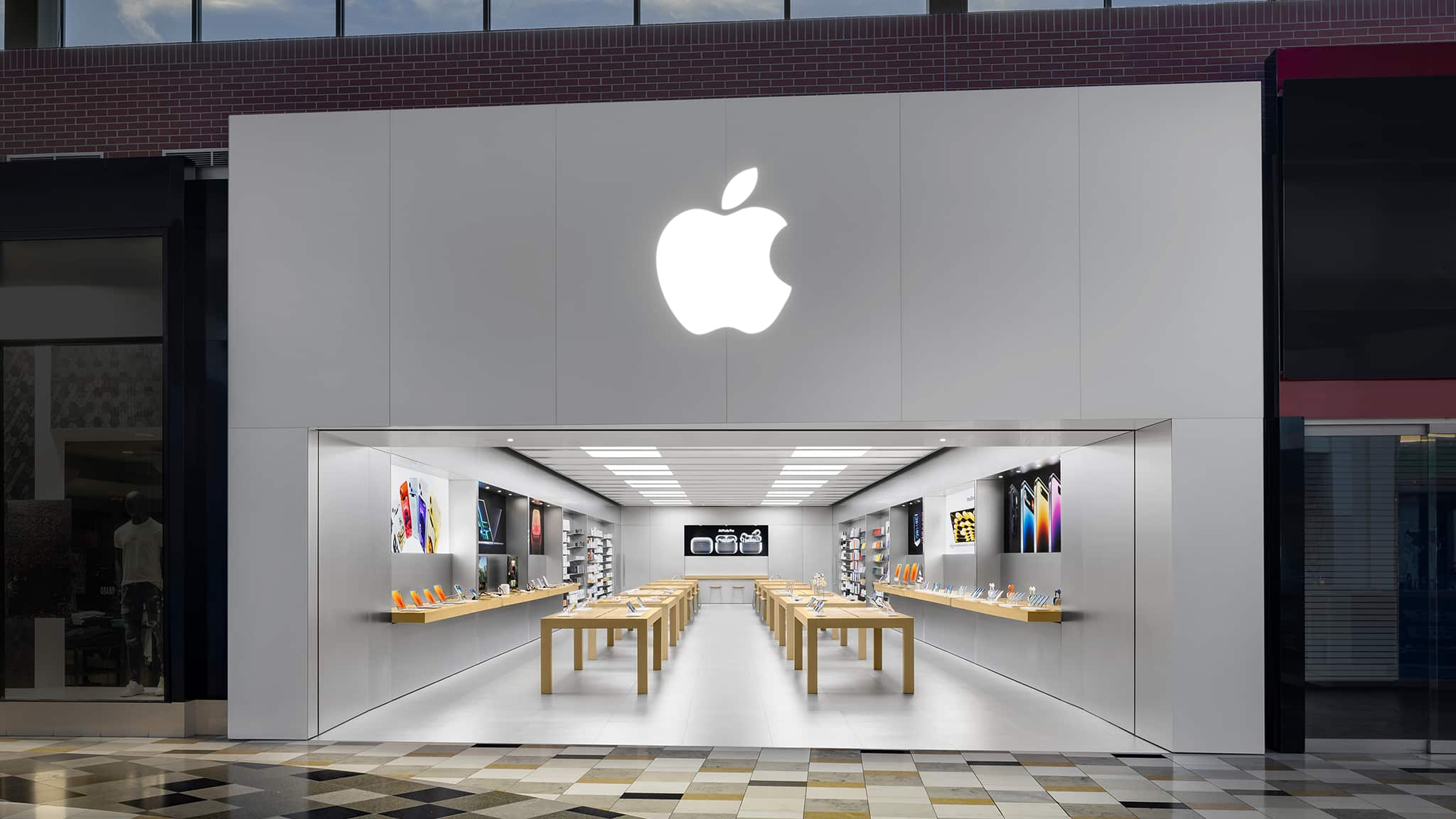
Every Apple Store, whether a flagship on Fifth Avenue or a smaller outpost in a suburban mall, adheres to a consistent architectural and design philosophy that is instantly recognizable and deeply integrated into the brand’s corporate identity. Characterized by expansive glass facades, natural wood accents, high ceilings, and uncluttered layouts, these spaces are designed to be bright, inviting, and easy to navigate. The design eschews aggressive sales tactics in favor of exploration and discovery. Products are displayed openly on wooden tables, encouraging hands-on interaction without pressure. This approach minimizes psychological barriers, allowing visitors to connect directly with the products, fostering a sense of ownership and familiarity even before a purchase is made. This “experience-first” design strategy is a powerful testament to Apple’s confidence in its products and its commitment to customer empowerment, reinforcing a premium and user-centric brand image.
The Genius Bar: A Pillar of Customer Trust
Perhaps no element of the Apple Store encapsulates its brand ethos more effectively than the Genius Bar. Positioned as a hub for technical support, repair, and personalized assistance, the Genius Bar transcends a typical customer service counter. It’s a manifestation of Apple’s commitment to post-purchase support and customer satisfaction, acting as a critical trust-builder. The “Genius” staff, trained extensively in Apple products and customer interaction, provide solutions, offer advice, and educate users. This personalized, face-to-face interaction humanizes the brand, transforming potential frustration into loyalty. The Genius Bar isn’t just a service; it’s a direct conversation between the brand and its user, reinforcing reliability, expertise, and care—qualities that are invaluable to Apple’s premium brand perception.
Product Immersion and Ecosystem Showcase
Apple Stores are expertly designed showcases for the entire Apple ecosystem. Unlike multi-brand electronics stores, every device, accessory, and service is presented within its intended context, demonstrating seamless integration. From iPhones and MacBooks to Apple Watches and HomePods, the layout encourages customers to experience how these devices work together harmoniously. Interactive displays allow users to test apps, explore features, and understand the benefits of Apple’s integrated platform. This immersive environment demystifies complex technology, making it accessible and desirable. By presenting a unified ecosystem, the stores effectively communicate Apple’s overarching brand promise: simplicity, integration, and a superior user experience across all its products.
Strategic Placement: Where Apple’s Brand Meets Its Audience
The location of an Apple Store is never accidental; it is the outcome of meticulous market analysis, demographic targeting, and a deep understanding of urban dynamics. Apple’s brand strategy extends far beyond product design to encompass the careful orchestration of its physical presence, ensuring maximum visibility, accessibility, and impact.
Urban Centers and High-Visibility Locations
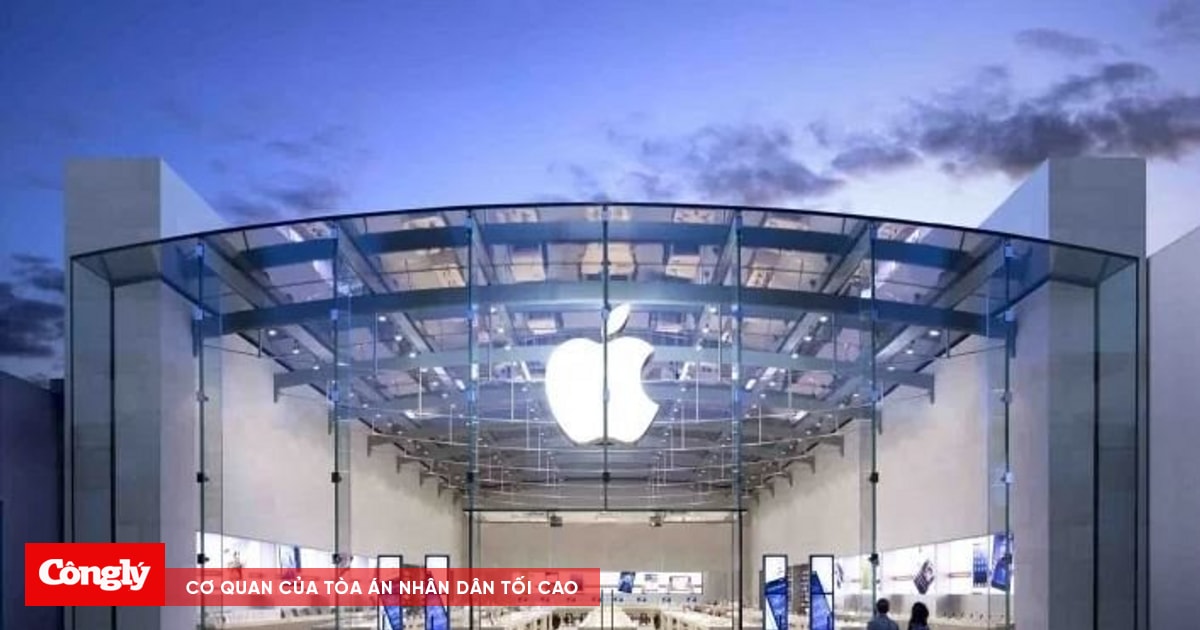
Apple’s flagship stores are predominantly found in iconic urban centers and high-traffic locations globally. From Regent Street in London to Ginza in Tokyo, and multiple prominent locations in New York City, these stores often occupy architecturally significant buildings or prime retail spaces. This strategic choice is driven by several factors: high foot traffic ensures maximum exposure to diverse audiences, while prominent locations reinforce Apple’s status as a leading global brand. These flagship stores often become tourist attractions in their own right, generating organic buzz and media attention, further amplifying Apple’s brand narrative and desirability. The sheer scale and design of these locations make a powerful statement about Apple’s market dominance and premium positioning.
Market Penetration and Accessibility
Beyond the iconic flagships, Apple strategically positions smaller format stores within major shopping malls, commercial districts, and affluent suburban areas. The goal here is broad market penetration, making the Apple experience accessible to a wider demographic. These locations are chosen based on proximity to target consumer segments, ease of access, and alignment with existing retail ecosystems. By establishing a robust network of stores, Apple ensures that its brand is not only visible but also readily available for interaction, purchase, and support, crucial for maintaining market share and fostering widespread brand loyalty. This blend of aspirational flagships and convenient local stores creates a comprehensive retail strategy that caters to both brand spectacle and everyday customer needs.
Data-Driven Location Strategy
Behind every Apple Store location decision lies a sophisticated data-driven strategy. Apple analyzes demographic data, consumer spending patterns, competitor presence, and real estate market trends to identify optimal sites. This analytical approach minimizes risk and maximizes potential return on investment for each store opening. Factors such as local population density, income levels, retail synergy with neighboring businesses, and even public transport accessibility are meticulously evaluated. This precise geographical targeting ensures that each store is not just a point of sale, but a strategically placed brand asset designed to connect with the most receptive and engaged consumer base, reinforcing the brand’s efficient and intelligent operational philosophy.
Finding Your Apple Store: Bridging Digital Convenience with Physical Presence
Given the strategic importance of Apple Stores to the brand experience, knowing how to locate the nearest one is a common and essential query for existing and potential customers. Fortunately, Apple, a pioneer in digital experiences, makes finding its physical stores remarkably straightforward through its integrated digital platforms.
Leveraging Apple’s Official Website
The most reliable and comprehensive method for locating an Apple Store is through Apple’s official website. The “Stores” or “Find a Store” section provides an intuitive interface where users can enter their location (city, state, or zip code) or allow the website to use their current GPS coordinates. The website then displays a list of nearby Apple Stores, complete with addresses, operating hours, contact information, and available services (e.g., Genius Bar appointments, Today at Apple sessions). This centralized digital hub ensures accuracy and provides all necessary details to plan a visit, reinforcing Apple’s commitment to user-friendly digital tools that enhance the overall brand experience.
Map Applications and Location Services
For on-the-go convenience, Apple’s own Maps application (and other third-party mapping services like Google Maps) offers seamless integration for finding Apple Stores. By simply searching “Apple Store” within these apps, users can instantly see nearby locations, get directions, view real-time traffic updates, and even check store hours directly from their device. Leveraging device-based location services streamlines the process, transforming the initial query “where is an Apple Store near me” into an immediate, actionable solution. This integration across Apple’s own ecosystem reflects the brand’s holistic approach to customer convenience, where digital tools seamlessly support physical interactions.
Customer Service and Community Engagement
While less common for simple location queries, Apple’s customer service channels can also assist in finding stores or providing specific information. Furthermore, active online communities and forums for Apple users often share insights and tips regarding store locations, services, and upcoming events. This blend of official digital tools and community-driven information ensures that customers have multiple avenues to find the information they need, reflecting Apple’s commitment to comprehensive support and brand accessibility.
The Enduring Value of Physical Retail in a Digital Brand Era
In an era dominated by e-commerce and digital transactions, the continued investment by Apple in its physical retail presence speaks volumes about the enduring value of brick-and-mortar stores for a premium brand. These stores are not just relics of a bygone era; they are dynamic assets crucial for brand building, community engagement, and sustained growth.
Fostering Community and Connection
Apple Stores serve as community hubs where like-minded individuals can connect, learn, and share their passion for technology. The “Today at Apple” program, offering free workshops on photography, coding, music, and more, transforms the stores into educational and creative spaces. This initiative fosters a sense of belonging and empowers users to maximize their Apple products, strengthening their connection to the brand beyond mere consumption. These events cultivate a loyal user base that identifies not just with the products, but with the broader Apple lifestyle and community values.
Reinforcing Premium Brand Perception
The physical Apple Store experience is instrumental in reinforcing the brand’s premium perception. The impeccable design, knowledgeable staff, and emphasis on hands-on interaction communicate quality, exclusivity, and attention to detail—attributes central to Apple’s luxury positioning. Unlike the often transactional nature of online shopping, the tactile, sensory experience of visiting a store elevates the brand from a mere product provider to a purveyor of aspirational lifestyle. This physical touchpoint validates the premium price point of Apple products by offering a commensurate premium experience.
Omnichannel Strategy: Integrating Online and Offline
Apple expertly employs an omnichannel strategy, seamlessly integrating its online and offline presence to provide a cohesive customer journey. Customers can research products online, then visit a store for a hands-on demo, or make a purchase online and pick it up in-store. This flexibility caters to diverse consumer preferences, recognizing that while digital convenience is paramount, the physical experience remains invaluable. This integrated approach ensures that the brand consistently delivers a unified, high-quality experience regardless of the touchpoint, solidifying customer loyalty and reinforcing its brand promise across all channels.
Beyond the Transaction: The Apple Store as a Brand Experience Hub
The strategic brilliance of the Apple Store lies in its ability to transcend the traditional retail model. It’s not merely a place to buy products; it’s a dynamic hub designed to deepen customer engagement, extend product lifecycle, and gather invaluable feedback, all contributing to the continuous evolution of the Apple brand.
Educational Workshops and Events
The “Today at Apple” program exemplifies the store’s role as an educational and cultural center. These free, daily sessions cover a vast array of topics, from mastering iPhone photography and video editing to learning coding with Swift Playgrounds, creating music, and exploring art techniques on the iPad. By offering accessible learning opportunities, Apple democratizes technology and creativity, empowering users to unlock the full potential of their devices. This initiative builds a community of engaged users who are not just consumers but active creators within the Apple ecosystem, significantly enhancing brand loyalty and perception as an enabler of personal growth.
Repair, Support, and Sustaining the Product Lifecycle
The Apple Store is a cornerstone of the post-purchase experience, providing essential support that extends the life and value of Apple products. Beyond the Genius Bar, stores facilitate diagnostics, repairs, and replacements, ensuring that customers receive prompt and expert assistance. This commitment to product longevity and support is a powerful brand differentiator, fostering trust and reducing customer churn. Knowing that professional help is readily available reinforces the perception of Apple as a reliable and responsible brand that stands behind its products throughout their entire lifecycle.
Feedback Loop: Informing Brand Evolution
Every interaction within an Apple Store, from a sales conversation to a Genius Bar appointment, serves as a crucial feedback loop for the company. Store staff are trained not just to sell and support, but also to listen and observe customer needs, pain points, and preferences. This qualitative data, combined with sales figures and service metrics, provides invaluable insights that inform product development, marketing strategies, and future brand initiatives. In essence, the Apple Store acts as a real-time pulse check on consumer sentiment, ensuring that the brand remains responsive, relevant, and consistently aligned with its customers’ evolving expectations.
In conclusion, the question “where is an Apple Store near me” opens a window into the sophisticated brand strategy that defines Apple’s global success. These stores are masterclasses in experiential retail, meticulously designed to embody the brand’s core values of innovation, simplicity, and premium quality. They are strategic assets that foster community, build trust through unparalleled service, and serve as vital touchpoints in an integrated omnichannel experience. As Apple continues to evolve, its physical stores will undoubtedly remain a critical pillar of its brand identity, a testament to the enduring power of a meticulously crafted physical presence in an increasingly digital world.
aViewFromTheCave is a participant in the Amazon Services LLC Associates Program, an affiliate advertising program designed to provide a means for sites to earn advertising fees by advertising and linking to Amazon.com. Amazon, the Amazon logo, AmazonSupply, and the AmazonSupply logo are trademarks of Amazon.com, Inc. or its affiliates. As an Amazon Associate we earn affiliate commissions from qualifying purchases.