
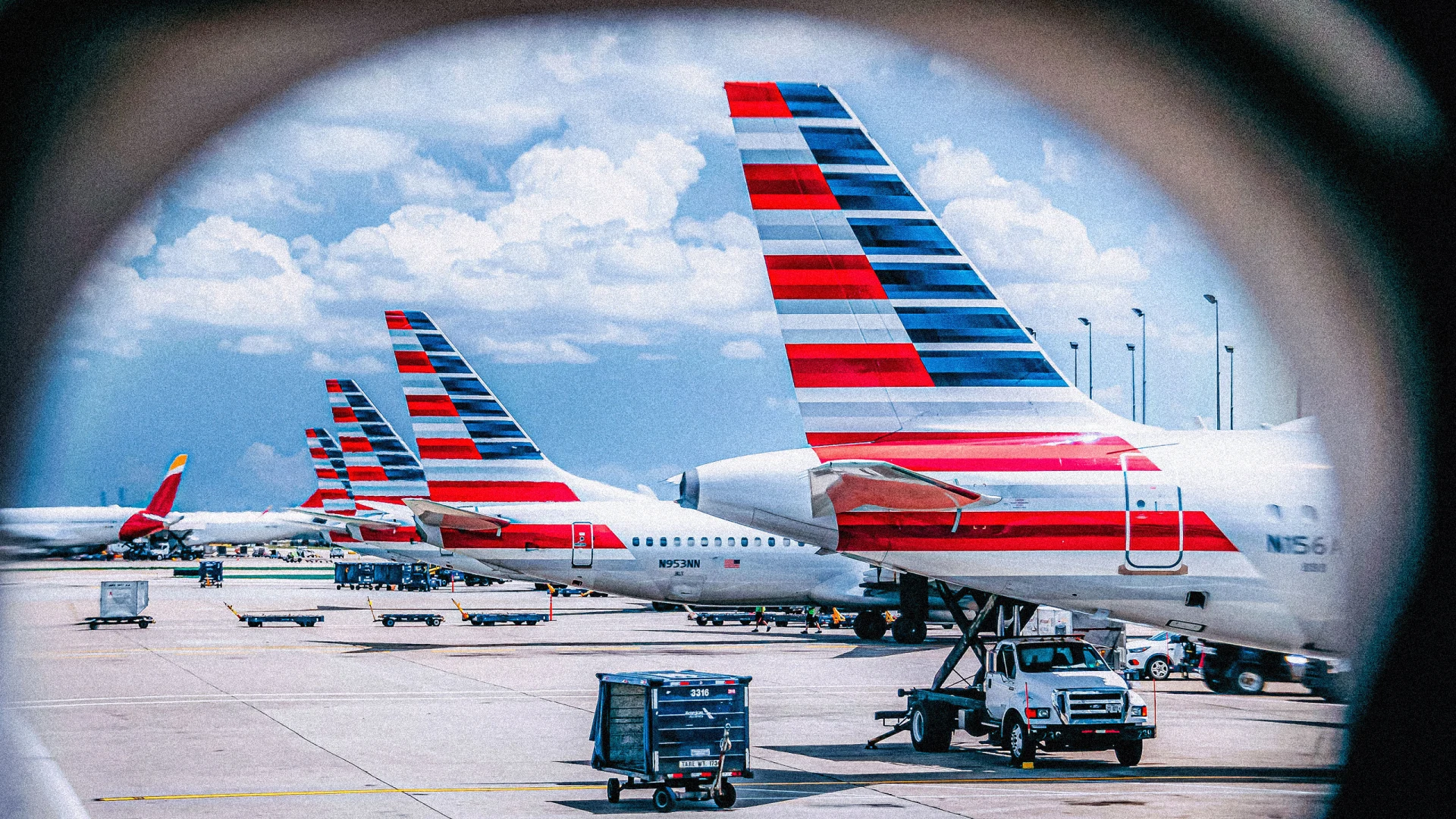
The image of a major airline like American Airlines being “grounded” conjures immediate concerns—disrupted travel plans, economic ripple effects, and questions about safety and reliability. While the immediate cause of an airline grounding can sometimes appear to be a technical glitch, a labor dispute, or even extreme weather, a deeper financial analysis often reveals the underlying vulnerabilities that either precipitate such events or determine the severity and duration of their impact. In the highly capital-intensive and competitive world of aviation, financial stability isn’t just a goal; it’s the bedrock upon which operations, maintenance, and future growth are built. When an airline faces a “grounding,” whether a temporary operational halt or a more systemic crisis, it often points to critical pressure points within its business finance and strategic financial management. This article delves into the complex financial reasons that could lead to a major carrier like American Airlines finding its fleet unexpectedly on the tarmac.
The Financial Fault Lines of Aviation Operations
Airlines operate with incredibly thin margins, making them acutely susceptible to fluctuations in operational costs. Even minor shifts can have monumental financial consequences, potentially leading to operational cutbacks or, in extreme cases, a grounding.
Soaring Fuel Costs and Commodity Volatility
Fuel typically represents one of the largest, if not the largest, single operating expense for an airline, often accounting for 25-35% of total costs. The price of jet fuel is inextricably linked to global crude oil markets, which are notoriously volatile. Geopolitical tensions, supply chain disruptions, and shifting global demand can cause sudden and unpredictable price spikes. Airlines employ hedging strategies to mitigate some of this risk, purchasing fuel at a predetermined price for future delivery. However, aggressive hedging can backfire if prices fall, and conservative hedging leaves them exposed to rising costs. A sustained period of unexpectedly high fuel prices, coupled with an inability to fully pass these costs on to consumers through higher fares due to competitive pressures, can quickly erode an airline’s profitability, deplete cash reserves, and force operational reductions, including grounding parts of the fleet or cancelling routes deemed uneconomical. The financial stress can become so severe that an airline might simply lack the immediate liquidity to purchase necessary fuel, leading to an effective grounding.
Labor Relations and Escalating Personnel Expenses
After fuel, labor costs represent the next most significant expenditure for airlines, encompassing pilots, flight attendants, mechanics, ground staff, and administrative personnel. These are highly skilled and often unionized workforces that command competitive wages and benefits. Regular contract negotiations are a standard part of the airline industry, but they can become contentious, especially during periods of financial strain for the airline or economic uncertainty for employees. Unresolved labor disputes can escalate into strikes, work-to-rule actions, or picketing, which directly cripple an airline’s ability to operate flights. A pilot strike, for instance, would effectively ground an entire fleet regardless of how many planes are mechanically ready. While the immediate cause is a labor dispute, the roots are almost always financial—disagreements over wages, benefits, pensions, or working conditions, all of which represent significant financial commitments for the airline. The cost of labor concessions, or the financial impact of a prolonged strike, can be devastating, pushing an airline toward insolvency.
The Unrelenting Burden of Maintenance and Fleet Modernization
Aviation safety is non-negotiable, and maintaining a modern, airworthy fleet demands colossal capital expenditure. Regular maintenance checks, ranging from routine inspections to extensive overhauls, are mandated by regulatory bodies and are incredibly costly, requiring specialized parts, highly trained technicians, and often taking aircraft out of service for extended periods. Beyond routine maintenance, airlines must continually invest in fleet modernization to replace older, less fuel-efficient aircraft with newer models, comply with evolving environmental regulations, and enhance passenger experience. This investment often requires significant financing, adding to an airline’s debt burden. A decision to defer critical maintenance due to financial distress, or an inability to fund necessary fleet upgrades, can lead to regulatory groundings if an airline is deemed unsafe or non-compliant. The financial pressure to cut corners on maintenance, while a severe risk, can tragically be a symptom of deeper financial woes, ultimately jeopardizing both safety and operational continuity.
Navigating Turbulent Market Dynamics
The airline industry is acutely sensitive to broader economic trends and competitive forces, which can drastically impact an airline’s financial health and its ability to keep planes in the air.
Economic Downturns and Suppressed Demand
Airlines are highly cyclical businesses, heavily reliant on both leisure and business travel. During economic downturns, recessions, or periods of high inflation, discretionary spending on travel often decreases significantly. Businesses may cut travel budgets, and individuals may postpone vacations. This leads to reduced passenger demand, resulting in lower load factors (the percentage of seats filled) and pressure on ticket prices. When demand falls below a certain threshold, routes become unprofitable, forcing airlines to cut capacity, consolidate flights, or even cease operations on certain routes or entirely. A prolonged slump in demand can drain an airline’s revenues, making it impossible to cover fixed operating costs and debt obligations, a scenario that could force a comprehensive grounding until market conditions improve or financial restructuring occurs.
Fierce Competition and Pricing Pressures
The airline industry is fiercely competitive, characterized by numerous carriers vying for market share. This competition, particularly from low-cost carriers, often leads to intense pricing pressures. Airlines frequently engage in fare wars, where prices are slashed to attract passengers, especially on popular routes. While beneficial for consumers, this aggressive pricing can severely squeeze profit margins for all carriers involved. For a major legacy airline like American, which often has higher overheads due to complex route networks, older infrastructure, and unionized workforces, matching competitor prices can be financially unsustainable. If an airline consistently operates at or below cost on a significant portion of its routes, its financial viability is jeopardized, potentially leading to a forced grounding as it runs out of cash. The constant need to balance competitive pricing with profitability is a delicate act, and missteps can have dire financial consequences.
Geopolitical Events and Unforeseen External Shocks
The global nature of air travel makes airlines uniquely vulnerable to geopolitical events and other external shocks. Pandemics, acts of terrorism, regional conflicts, natural disasters, and even shifts in trade policies can abruptly disrupt travel patterns, close airspace, or deter passengers from flying. The COVID-19 pandemic, for instance, led to an unprecedented global grounding of fleets, as international borders closed and demand plummeted to near zero. While the cause was a health crisis, the impact was an immediate, existential financial threat to every airline. Such events lead to massive revenue losses, forcing airlines to seek government bailouts, take on additional debt, or undergo drastic restructuring to survive. Without sufficient financial reserves or external aid, an airline facing such a shock could be grounded indefinitely.
The Weight of Debt and Capital Structure
Airlines often operate with substantial debt, a characteristic of capital-intensive industries. Managing this debt and maintaining sufficient liquidity are paramount to avoiding operational halts.

High Leverage and Debt Servicing Obligations
Airlines typically rely heavily on debt financing to acquire new aircraft, upgrade existing fleets, and fund various capital projects. This results in high leverage, meaning a significant portion of their assets is financed through borrowed money. While debt can provide necessary capital for growth, it also comes with substantial debt servicing obligations—regular principal and interest payments. Rising interest rates, whether due to central bank policies or a downgrade in the airline’s credit rating, can significantly increase these costs, putting immense pressure on cash flow. If an airline’s operating revenues are insufficient to cover these debt payments, it risks default, which can trigger clauses in loan agreements that demand immediate repayment or asset seizures, effectively grounding the airline as its financial structure collapses.
Liquidity Management and Cash Flow Challenges
Liquidity refers to an airline’s ability to meet its short-term financial obligations. Airlines need substantial cash reserves to cover daily operational expenses, including fuel purchases, payroll, landing fees, and unexpected maintenance costs. The airline business model often involves receiving revenue for tickets sold months in advance, but also significant expenditures incurred daily. Any major operational disruption—such as a large-scale flight cancellation due to weather, an IT outage, or a labor slowdown—can immediately impact cash flow, as passengers demand refunds or rebooking, and unforeseen costs mount. A prolonged period of negative cash flow can quickly deplete an airline’s liquidity, making it impossible to pay its immediate bills and forcing a grounding until it can secure emergency financing. Effective cash flow forecasting and robust liquidity management are therefore critical to an airline’s continuous operation.
Access to Capital and Investor Confidence
An airline’s financial health directly influences its ability to raise additional capital, whether through securing new loans, issuing bonds, or selling equity shares. Lenders and investors scrutinize an airline’s balance sheet, income statement, and cash flow projections before committing funds. A history of financial instability, high debt-to-equity ratios, or consistent losses will erode investor confidence, making it difficult and expensive for the airline to access the capital it needs for expansion, modernization, or even to weather financial storms. In a crisis, a lack of investor confidence can lead to a credit crunch, where an airline cannot secure the necessary funds to maintain operations, ultimately resulting in a forced grounding. The perception of financial stability is as important as the reality, especially in the eyes of the financial markets.
Regulatory Compliance and Financial Penalties
Beyond operational and market pressures, regulatory bodies play a critical role, often imposing financial requirements that, if unmet, can lead to an airline’s grounding.
Adherence to Financial Viability Standards
Aviation authorities worldwide don’t just regulate safety; they also often impose financial fitness standards for airlines to maintain their operating certificates. Regulators want assurance that an airline has the financial resources to safely and reliably serve the public, cover its liabilities, and continue operations without posing undue risk to passengers or the broader aviation system. This often involves demonstrating sufficient cash reserves, a healthy balance sheet, and a sustainable business model. If an airline falls below these financial viability thresholds, regulatory bodies may intervene, imposing restrictions, monitoring its financial health closely, or, in severe cases, revoking its operating license, which would effectively ground the entire airline for financial reasons until it can prove it has rectified its financial standing.
Costs of Non-Compliance and Fines
Airlines operate in one of the most heavily regulated industries, with oversight from agencies covering safety, security, consumer protection, environmental standards, and even anti-trust laws. Non-compliance with these regulations, whether intentional or accidental, can result in substantial fines and penalties. For instance, violations of maintenance protocols, consumer rights (e.g., flight delay compensation), or environmental regulations can incur multi-million dollar penalties. While these fines may not immediately ground an airline, they represent a direct drain on financial resources, reducing profitability and liquidity. A pattern of such penalties can severely impact an airline’s financial standing, making it more vulnerable to other financial pressures and potentially contributing to a state where it can no longer afford to operate or meet its other financial obligations, indirectly leading to a grounding.
Strategies for Financial Resilience and Future Flight
Preventing a grounding stemming from financial vulnerabilities requires proactive and robust financial management strategies. Airlines constantly seek ways to bolster their financial resilience.
Operational Efficiency and Cost Optimization
Aggressive cost management is a perpetual focus. This includes optimizing flight routes to minimize fuel burn, investing in more fuel-efficient aircraft, streamlining ground operations, negotiating favorable terms with suppliers for everything from catering to spare parts, and leveraging technology for predictive maintenance to reduce unscheduled repairs. Every dollar saved in operational costs contributes directly to the bottom line, strengthening the airline’s financial position against market fluctuations.
Diversification of Revenue Streams
Relying solely on ticket sales can be precarious. Airlines increasingly look to diversify revenue streams through ancillary services such as baggage fees, seat selection charges, in-flight sales, and loyalty programs. Cargo operations, particularly for international carriers, can also provide a significant and stable revenue source, especially during passenger demand downturns. Expanding into these areas creates additional financial buffers, making the airline less susceptible to the cyclical nature of passenger travel.
Strategic Partnerships and Alliances
Global airline alliances (like Star Alliance, SkyTeam, or Oneworld, of which American Airlines is a member) and bilateral codeshare agreements allow airlines to expand their networks, offer more routes to passengers, and share costs. These partnerships can lead to shared infrastructure, joint marketing efforts, and coordinated scheduling, all of which contribute to operational efficiencies and financial stability by reducing individual capital outlay and risk. They also enhance competitive posture without requiring massive independent investment.

Conclusion
The question “Why is American Airlines grounded?” is rarely answered by a single, isolated event. Instead, it often reveals a complex interplay of financial pressures, market forces, and operational demands. From the relentless burden of fluctuating fuel costs and escalating labor expenses to the unforgiving nature of economic downturns and the constant weight of debt, the financial health of a major airline is a delicate balance. Regulatory compliance and access to capital further compound this intricate financial ecosystem. For American Airlines, or any major carrier, robust financial planning, strategic cost management, and a keen understanding of global economic trends are not merely good business practices—they are indispensable safeguards against the ultimate financial consequence: being grounded, with all the accompanying economic disruption and loss of confidence. The skies may be open, but an airline’s ability to take flight fundamentally depends on its financial strength.
aViewFromTheCave is a participant in the Amazon Services LLC Associates Program, an affiliate advertising program designed to provide a means for sites to earn advertising fees by advertising and linking to Amazon.com. Amazon, the Amazon logo, AmazonSupply, and the AmazonSupply logo are trademarks of Amazon.com, Inc. or its affiliates. As an Amazon Associate we earn affiliate commissions from qualifying purchases.