
The dream of travel often comes with a hefty price tag, with airfare frequently being the most significant expense. For many, the quest for cheap plane tickets isn’t just about saving a few dollars; it’s about making travel accessible, freeing up budget for experiences at the destination, or enabling more frequent adventures. The good news is that securing affordable airfare is far from a pipe dream. It’s a strategic endeavor that combines understanding market dynamics, leveraging the right tools, and adopting smart booking habits. This guide delves into the financial strategies and practical steps you can take to consistently find and book cheap plane tickets, transforming your travel aspirations into affordable realities.

Understanding the Dynamics of Airfare Pricing
Before we dive into specific platforms and tactics, it’s crucial to grasp the complex ecosystem that governs airfare pricing. Airlines employ sophisticated algorithms and a myriad of factors to determine ticket costs, making prices highly volatile and often perplexing to the casual observer. A foundational understanding of these dynamics is your first step towards financial mastery in air travel.
The Supply and Demand Equation
At its core, airfare pricing is a classic example of supply and demand. When demand for a particular route or date is high, prices tend to surge. Conversely, during periods of low demand, airlines are more likely to offer competitive rates to fill seats. This principle explains why flights around major holidays, school breaks, or popular festival dates are almost invariably more expensive. Airlines also manage their “supply” by adjusting the number of available seats at different price points, known as fare classes. As lower fare classes sell out, only more expensive options remain, driving up the perceived price.
Seasonal Fluctuations and Holiday Impact
Travel demand isn’t constant; it ebbs and flows throughout the year. Peak seasons, like summer in Europe or winter holidays globally, see a significant uptick in travel, directly correlating with higher prices. Shoulder seasons (spring and autumn in many destinations) often present a sweet spot: pleasant weather combined with lower tourist volumes and, crucially, lower airfares. Major holidays like Christmas, New Year’s, Thanksgiving, and Easter trigger predictable price spikes. Strategic travelers understand these cycles and either book far in advance for these periods or, ideally, adjust their travel dates to avoid them entirely for maximum savings.
Fuel Costs and Operational Overheads
While less directly controllable by the consumer, global fuel prices have a substantial impact on airline operating costs, which are then reflected in ticket prices. Similarly, airport landing fees, air traffic control charges, crew salaries, aircraft maintenance, and other operational overheads contribute to the base cost of a flight. Airlines often try to absorb minor fluctuations but significant changes in these costs can lead to widespread fare adjustments. Being aware of these external factors can help you understand broader market trends, though your immediate focus will be on navigating the prices presented to you.
Dynamic Pricing and Algorithm Influence
Perhaps the most frustrating aspect for budget-conscious travelers is dynamic pricing. Airlines use advanced algorithms that constantly monitor factors like booking trends, competitor pricing, browsing history, and even the type of device you’re using. These algorithms can adjust prices in real-time, sometimes multiple times within a single day. This means the price you see for a flight today might be different tomorrow, or even an hour later. This financial strategy aims to maximize airline revenue but presents a challenge that savvy travelers can learn to circumvent through specific browsing and booking tactics.
Strategic Booking: When and How to Search
The timing and method of your search are as critical as where you look. Employing a strategic approach can unlock significant savings, turning what seems like an expensive flight into an affordable one.
The “Goldilocks Window” for Booking
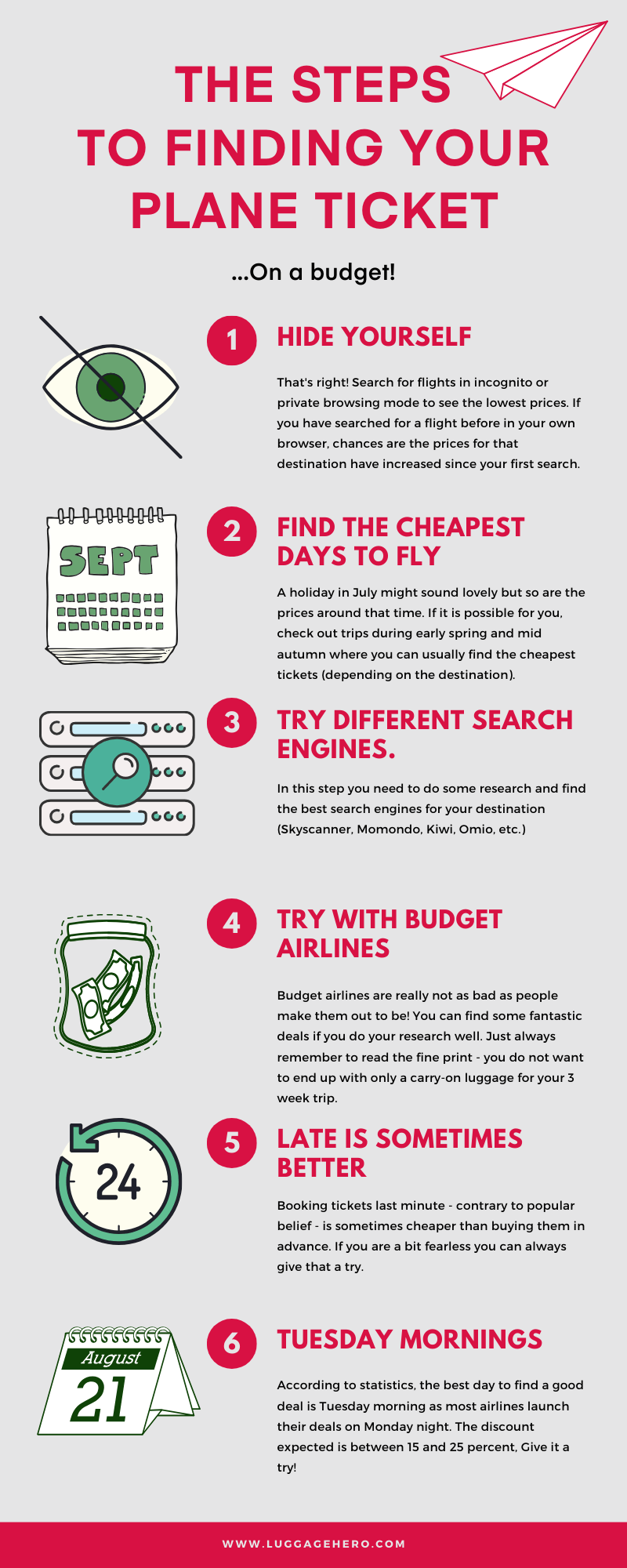
There’s no single magic number, but industry analysis suggests a “Goldilocks Window” for booking flights where prices tend to be ‘just right’ – not too early, not too late. For international flights, this window often falls between 2-8 months before departure. For domestic flights, it’s typically shorter, around 1-4 months out. Booking too early can mean missing out on sales, while booking too late means paying premium prices as flights fill up. Prices tend to creep up in the last few weeks before departure as airlines target last-minute business travelers who are less price-sensitive. Being aware of these general timeframes allows you to monitor prices effectively without panicking or missing opportunities.
Best Days of the Week to Buy and Fly
Conventional wisdom often points to specific days for cheaper bookings and travel. While not universally true due to dynamic pricing, trends suggest that Tuesdays, Wednesdays, and Saturdays can sometimes offer lower prices for purchasing tickets. This is often attributed to airlines releasing new sales on Monday evenings, leading competitors to match by Tuesday. As for flying, mid-week flights (Tuesdays, Wednesdays, Thursdays) are generally cheaper than weekend flights. Additionally, early morning flights or late-night flights often have lower demand, leading to better prices. Flexibility with your travel dates, even by a single day, can yield substantial financial benefits.
Leveraging Incognito Mode and VPNs
Due to dynamic pricing and the use of tracking cookies, some travelers report seeing higher prices when repeatedly searching for the same flight. Airlines and OTAs might use your browsing history to infer your intent and raise prices. To combat this, always search in your browser’s incognito or private browsing mode. This prevents websites from storing cookies and potentially adjusting prices based on your past searches. Another advanced tactic is using a VPN (Virtual Private Network) to mask your IP address and appear as if you’re searching from a different country. Airlines sometimes offer different prices based on the perceived origin of the search, and experimenting with various VPN locations can occasionally uncover better deals, particularly for international flights where currency conversions or regional pricing strategies are at play.
Price Alerts and Tracking Tools
In a market defined by constant price fluctuations, staying updated is key. Many online tools offer price alert services that monitor specific flight routes and notify you when the price drops. Google Flights, Skyscanner, Kayak, and Hopper are excellent examples of platforms with robust price tracking features. By setting up alerts, you let the technology do the heavy lifting, saving you the time and frustration of daily manual checks. This passive monitoring ensures you’re poised to pounce on a good deal the moment it appears, optimizing your financial outlay for travel.
Platforms and Tools for Unearthing Bargains
The digital age has gifted us with an array of powerful tools designed to simplify the search for cheap flights. Knowing which platforms to use and how to leverage their unique features is paramount to financial success in flight booking.
Metasearch Engines: The First Stop for Comparison
Metasearch engines are invaluable because they scour hundreds of online travel agencies (OTAs) and airline websites simultaneously, presenting you with a comprehensive list of options. They don’t sell tickets directly but redirect you to the source.
-
Google Flights: Excellent for its intuitive calendar view that highlights the cheapest dates, its “explore” feature for finding deals to open-ended destinations, and its robust price tracking.
-
Skyscanner: Known for its “Everywhere” search function, allowing you to find the cheapest destinations from your chosen departure city, ideal for flexible travelers. It also shows a calendar/chart view for price trends.
-
Kayak: Offers a strong “Explore” tool and the ability to combine different airlines for outbound and inbound legs, often resulting in lower prices.
-
Momondo: Frequently praised for finding slightly obscure but cheaper routes, sometimes uncovering deals missed by other engines.
Using these in conjunction allows for a broad and deep financial comparison, ensuring you don’t miss any potential savings.
Online Travel Agencies (OTAs): Pros and Cons for Budget Travelers
OTAs like Expedia, Priceline, Booking.com, and Travelocity act as intermediaries, selling flights (and often packages) from various airlines.
-
Pros: They can sometimes offer bundled deals (flight + hotel) that provide significant savings. They also have their own exclusive sales and loyalty programs. Priceline’s “Name Your Own Price” (now less prevalent) or “Express Deals” can sometimes yield surprisingly low prices.
-
Cons: While convenient, OTAs sometimes have higher prices than booking directly with the airline, especially for basic economy fares. Customer service can be an issue if changes or cancellations are needed, as you’re dealing with a third party rather than the airline directly. Always compare OTA prices with direct airline prices before committing.
Airline Websites: Direct Booking Advantages and Flash Sales
While metasearch engines are great for discovery, always check the airline’s official website before booking through an OTA.
-
Direct Booking Advantages: Airlines often reserve their best deals, including specific sales, for their own websites. Booking directly can simplify changes or cancellations and ensures you’re fully eligible for loyalty program points. Many airlines offer a “best price guarantee,” matching lower prices found elsewhere.
-
Flash Sales and Error Fares: Sign up for newsletters from your preferred airlines. They frequently announce flash sales, last-minute deals, and sometimes, genuine error fares (mistakes in pricing) that can offer incredible savings. These deals are usually time-sensitive and require quick action.
Budget Airlines: Understanding the Trade-offs
A powerful tool for cutting costs, budget airlines (e.g., Ryanair, Spirit, Frontier, EasyJet, Southwest) specialize in low base fares. However, they operate on an “unbundled” pricing model, meaning nearly everything beyond the seat itself costs extra.
- Understanding the Trade-offs: While base fares can be astonishingly low, you must factor in costs for checked bags, carry-on bags (often even a personal item), seat selection, priority boarding, and sometimes even printing your boarding pass at the airport. For travelers with minimal luggage or those who don’t mind basic amenities, budget airlines offer immense financial value. For others, the cumulative add-ons can make them as expensive as full-service carriers. Always calculate the total cost before booking with a budget airline to ensure it’s truly a money-saving option.
Advanced Money-Saving Tactics
Beyond basic search strategies, several advanced techniques can further reduce your air travel expenses, demanding a bit more flexibility and research.
The Flexibility Advantage: Dates, Destinations, and Airports
Flexibility is perhaps the single most potent weapon in your arsenal against high airfares.
-
Flexible Dates: Instead of rigid travel dates, search with a “flexible dates” option (available on Google Flights, Skyscanner, etc.) to see prices across an entire month or even year. Shifting your departure or return by just a day or two can sometimes save hundreds.
-
Flexible Destinations: If your primary goal is to travel somewhere rather than a specific spot, use the “Everywhere” or “Explore” features on metasearch engines. This allows you to see the cheapest destinations from your home airport for your chosen dates, opening up unexpected and affordable travel opportunities.
-
Alternative Airports: Flying into or out of smaller, secondary airports near your target destination can often be significantly cheaper than using the main international hub. For example, flying into London Stansted or Luton instead of Heathrow, or Oakland instead of San Francisco. Always factor in the cost and time of ground transportation to your final destination when considering this option, as a cheap flight might lead to an expensive taxi ride.
Hidden City Ticketing and Backtracking
These are advanced and somewhat controversial tactics that exploit airline pricing structures.
-
Hidden City Ticketing: This involves booking a flight with a layover at your actual desired destination, but buying a ticket to a further, cheaper final destination. You then simply get off at the layover city and discard the rest of the ticket. For example, if a flight from City A to City B is expensive, but a flight from City A to City C (with a layover in City B) is cheaper, you buy the A-C ticket and exit at B.
-
Backtracking: Booking a round-trip ticket from a cheaper originating airport that isn’t your home, even if it means flying past your home city. For example, if flying from City A to City B is expensive, but from City C to City B is cheap, and City A is on the way from City C to City B, you might book C-B and then a separate flight or ground transport from A to C to start your journey.
-
Risks: Be aware that airlines generally discourage these practices. If caught, your ticket might be canceled, you could lose loyalty points, or face additional charges. Only use carry-on luggage (checked bags will go to the final destination), and never do this on a round-trip ticket where you intend to use the return leg, as the airline will cancel subsequent segments if you miss the first. This strategy is for the financially adventurous and risk-tolerant traveler.
Leveraging Loyalty Programs and Credit Card Rewards
Smart financial planning extends to maximizing points and miles.
-
Airline Loyalty Programs: Sign up for frequent flyer programs even if you don’t fly often. Points accumulate and can eventually lead to free flights or upgrades. Look for sign-up bonuses or promotional offers.
-
Travel Credit Cards: Many credit cards offer substantial sign-up bonuses (e.g., 50,000-100,000 points) that can be redeemed for multiple free flights. They often come with perks like free checked bags, lounge access, and travel insurance, which further reduce overall travel costs. Always choose cards that align with your spending habits and travel goals, and ensure you can meet minimum spending requirements without incurring debt, as interest charges will quickly negate any travel savings. Using these cards wisely is a cornerstone of advanced financial travel.
Bundling vs. Unbundling: Deciphering True Costs
When comparing prices, it’s crucial to understand the difference between bundled and unbundled pricing.
-
Unbundled: Typically associated with budget airlines, where the base fare is low, but everything else (bags, seat selection, meals, etc.) costs extra.
-
Bundled: Full-service airlines often include a checked bag, seat selection, and meals in their standard economy fares.
-
Deciphering True Costs: Always calculate the all-in price. A seemingly cheaper unbundled fare might become more expensive once you add all the necessary extras compared to a slightly higher bundled fare. This requires a sharp eye for financial detail.
The Power of Error Fares and Flash Sales
Keep an eye out for genuine errors or extremely aggressive flash sales. Websites like Secret Flying, The Flight Deal, and Scott’s Cheap Flights specialize in finding these rare opportunities. Subscribing to their newsletters can give you a heads-up on incredible deals, but be prepared to book immediately as these fares often disappear within hours.
Avoiding Common Pitfalls and Hidden Costs
Successfully finding cheap flights isn’t just about the upfront ticket price; it’s also about avoiding common traps and unexpected expenses that can inflate your total travel budget.
Baggage Fees: The Silent Budget Killer
This is perhaps the most common unexpected cost. Many airlines, especially budget carriers and basic economy fares on full-service airlines, charge for checked bags and often even for carry-on bags. These fees can quickly add up, sometimes costing more than the base fare itself.
- Strategy: Travel light with only a personal item if possible. Understand your airline’s baggage policy before booking. Consider purchasing a small, airline-compliant personal item bag. If you must check a bag, pay for it online in advance, as airport baggage fees are almost always higher. Using a travel credit card that offers a free checked bag is another excellent financial hedge.
Seat Selection and In-Flight Amenities: Are They Worth It?
Airlines often charge for specific seat assignments, particularly for aisle or window seats, or seats with extra legroom.
- Strategy: If you’re not particular about where you sit, skip paying for seat selection. You’ll likely be assigned a seat for free at check-in or the gate. Similarly, expensive in-flight meals, Wi-Fi, or entertainment on short flights might be unnecessary expenses. Pack your own snacks and download entertainment beforehand to save money.
Travel Insurance: A Necessary Evil or Smart Protection?
Travel insurance can seem like an added expense, but it’s a critical financial safety net in many situations.
- Financial Decision: For significant trips, particularly international ones, travel insurance can protect against unforeseen circumstances like trip cancellations, medical emergencies abroad, lost luggage, or flight delays. The cost of insurance is often a fraction of the potential financial loss if something goes wrong. Always compare policies and understand what’s covered. Some premium credit cards also offer robust travel insurance benefits, negating the need for a separate policy.
Currency Conversion and Foreign Transaction Fees
When booking international flights, especially from websites in other countries, be mindful of currency conversion.
- Strategy: Always pay in the local currency of your credit card if given the option. Letting the merchant convert to your home currency (Dynamic Currency Conversion) often results in a worse exchange rate. Additionally, use a credit card that does not charge foreign transaction fees (typically 2-3% of the transaction), which can add up significantly on expensive flights. This is a crucial financial detail for international travel.

Conclusion
Securing cheap plane tickets is less about luck and more about strategy, diligence, and a keen eye for financial detail. By understanding how airfare is priced, employing smart booking habits, leveraging powerful metasearch engines, and being flexible with your travel plans, you can dramatically reduce your travel expenses. Remember to account for all potential hidden costs, from baggage fees to currency conversion, to ensure your low base fare translates into genuinely affordable travel. With this comprehensive financial guide, you are now equipped to navigate the complex world of air travel pricing and unlock your next adventure without breaking the bank. Happy travels!
aViewFromTheCave is a participant in the Amazon Services LLC Associates Program, an affiliate advertising program designed to provide a means for sites to earn advertising fees by advertising and linking to Amazon.com. Amazon, the Amazon logo, AmazonSupply, and the AmazonSupply logo are trademarks of Amazon.com, Inc. or its affiliates. As an Amazon Associate we earn affiliate commissions from qualifying purchases.