
In an era defined by digital convenience, the process of booking flight tickets has transformed from a labor-intensive interaction with travel agents into a seamless, self-service experience powered by an array of sophisticated technologies. For the contemporary traveler, mastering the art of online flight booking is not just about finding the cheapest fare, but about leveraging cutting-edge software, intuitive apps, and smart digital strategies to gain control, enhance security, and optimize every aspect of their journey. This guide delves into the technological backbone of modern flight booking, offering a comprehensive tutorial on navigating the digital skies.

Navigating the Digital Landscape of Flight Booking
The first step in booking a flight ticket is to understand the various digital gateways available. Each offers unique advantages, and a savvy traveler often employs a combination of these tools to ensure the best outcome. Understanding their functionalities and underlying technology is paramount.
The Power of Online Travel Agencies (OTAs) and Aggregators
Online Travel Agencies (OTAs) like Expedia, Booking.com, and Priceline, along with flight aggregators such as Skyscanner, Kayak, and Google Flights, form the bedrock of digital flight search. These platforms act as powerful metasearch engines, rapidly scraping and compiling flight data from hundreds of airlines and other OTAs. Their sophisticated algorithms process vast amounts of real-time information – including routes, prices, layovers, and airline policies – to present travelers with a comprehensive snapshot of available options.
OTAs often provide the convenience of bundling flights with hotels and car rentals, leveraging complex algorithms to offer package deals that might not be available directly from airlines. Aggregators, on the other hand, don’t sell tickets themselves but redirect users to the actual booking sites (either an OTA or the airline’s direct website). This allows for unparalleled comparison across the market, making them invaluable for initial research. Their user interfaces, often refined through extensive UX/UI design principles, are engineered to make complex data digestible, with filters for airlines, stops, times, and even aircraft type.
Direct Airline Websites and Mobile Apps
While third-party platforms offer broad comparisons, direct airline websites and their dedicated mobile apps remain critical tools, especially for nuanced bookings. Booking directly often grants access to exclusive loyalty program benefits, specific seat selection options, and more straightforward customer service should changes or cancellations be necessary. Airline apps, in particular, are powerful pieces of software designed not just for booking but for the entire travel lifecycle. They offer features like real-time flight status updates, mobile check-in, digital boarding passes, and push notifications for gate changes or delays. Many airlines also use their apps to push personalized offers, utilizing AI-driven analytics based on a user’s travel history and preferences. For complex itineraries, multi-city trips, or leveraging frequent flyer miles, the direct route often provides greater flexibility and control over the booking process.
Understanding Metasearch Engines and Their Algorithms
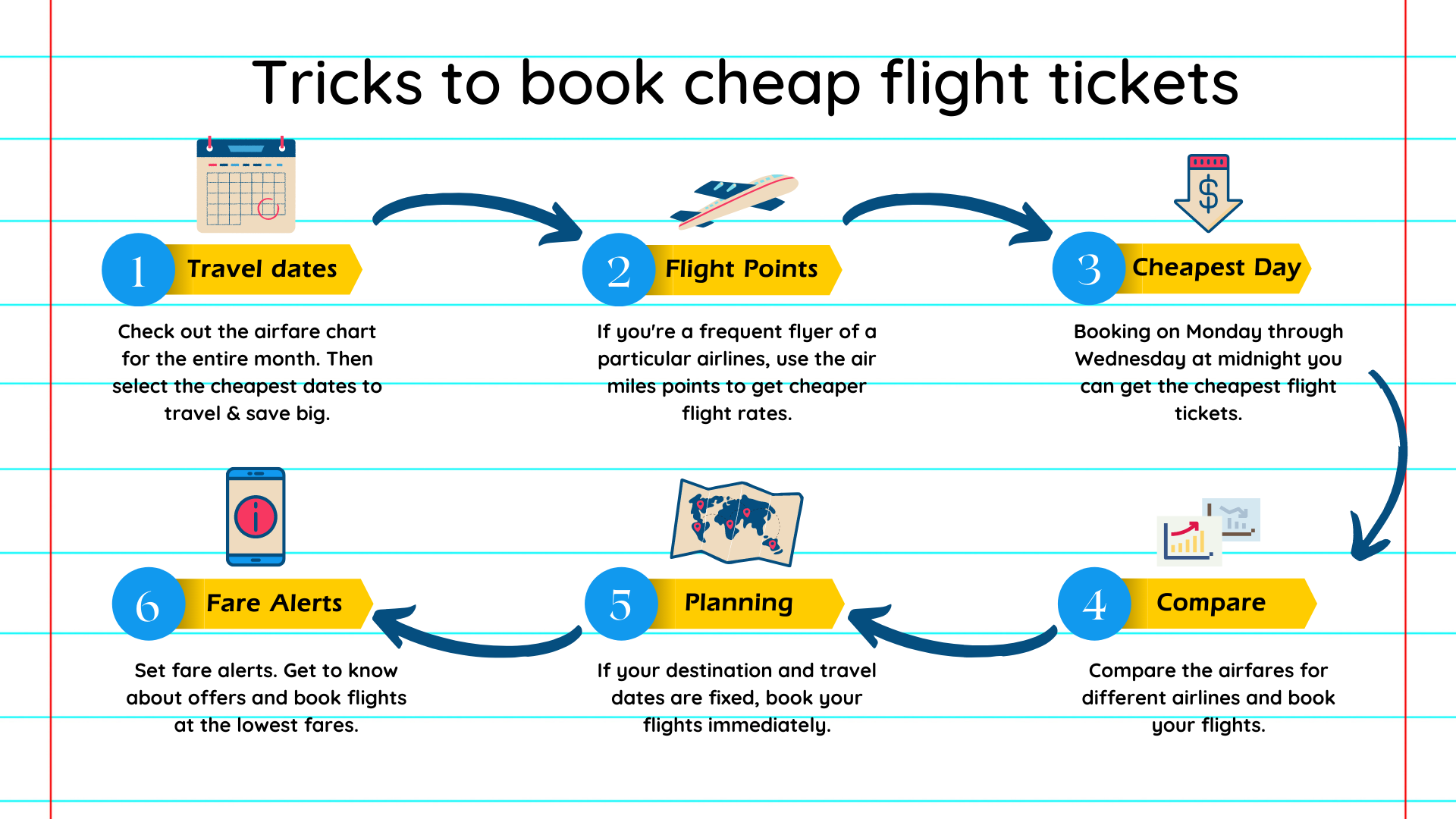
Metasearch engines stand apart by not directly selling tickets but by serving as intelligent conduits. Platforms like Google Flights, Momondo, and Skyscanner don’t hold inventory; instead, they crawl and cross-reference data from countless airlines and OTAs in real-time. Their algorithms are incredibly sophisticated, often employing machine learning to identify patterns in pricing, predict future price fluctuations, and suggest alternative dates or airports that might yield significant savings. Key technological features include “explore” maps that allow users to see prices to various destinations from a chosen origin, flexible date calendars to pinpoint the cheapest days to fly, and the ability to track prices for specific routes. Understanding how these algorithms sort and prioritize results (e.g., by price, shortest duration, number of stops) empowers travelers to manipulate their search parameters for optimal outcomes, moving beyond simple keyword searches to more strategic data analysis.
Leveraging Smart Tools and Features for Optimal Booking
Beyond basic search functionality, modern flight booking is significantly enhanced by a suite of smart tools and features, often powered by AI and data analytics, designed to optimize choices and secure the best deals.
Harnessing Price Alert Technologies
One of the most valuable tech tools for flight booking is the price alert. Services offered by Google Flights, Skyscanner, Hopper, and others allow users to monitor specific routes and receive notifications when prices drop. These systems leverage predictive analytics, often driven by machine learning algorithms that analyze historical pricing data, seasonal trends, and current demand to forecast future price movements. Users can set up alerts for specific dates or ranges, providing a hands-off approach to price monitoring. Hopper, for instance, even advises users whether to “book now” or “wait” based on its predictions, making complex pricing dynamics accessible and actionable for the everyday traveler. This proactive approach ensures travelers don’t miss out on prime booking windows.
The “Incognito Mode” and VPN Debate
A common urban legend in online flight booking is that websites track your searches and increase prices if you revisit a route. While direct, real-time price increases due to personal browsing history are largely unsubstantiated, websites do use cookies to remember preferences and can indirectly influence what you see. Using “incognito” or “private browsing” mode clears cookies and cache, ensuring a fresh search session. Furthermore, some platforms do employ dynamic pricing based on a user’s perceived location. Advanced users sometimes leverage Virtual Private Networks (VPNs) to mask their IP address and appear to be browsing from a different geographical location, potentially unlocking region-specific pricing or promotions not available in their home country. While not always necessary, understanding how website tracking works and utilizing private browsing sessions is a smart digital security practice that can occasionally yield better results.
Utilizing Flexible Date and Destination Search Tools
The pinnacle of tech-driven flexibility in flight booking comes with tools designed for those with adaptable travel plans. Google Flights’ “explore” function, Skyscanner’s “Everywhere” search, and various calendar views exemplify this. These tools allow travelers to input their origin and desired travel duration, then display the cheapest destinations around the world for those dates. Conversely, if the destination is fixed but dates are flexible, a monthly calendar view quickly highlights the most cost-effective days to fly, often revealing significant savings by shifting departure or return by just a day or two. These features are built on complex database queries and real-time data aggregation, empowering users to discover unforeseen travel opportunities and truly optimize their budget by aligning with algorithmic price fluctuations.

Exploring Ancillary Tech Features
Beyond core booking, modern platforms offer a wealth of ancillary tech features. Detailed seat maps allow travelers to preview and select seats, often with 3D views of the aircraft interior. Baggage calculators, integrated into booking flows, help estimate costs for checked luggage based on route and airline policy. Some advanced platforms even offer virtual reality or augmented reality previews of airport terminals or specific aircraft cabins, enhancing the pre-travel experience. In-flight amenities like Wi-Fi availability and entertainment systems are often displayed upfront, allowing travelers to choose flights that align with their digital needs. These seemingly small features cumulatively contribute to a highly informed and personalized booking decision, moving beyond just price and schedule.
Ensuring a Secure and Seamless Online Transaction
Booking flights online inherently involves transmitting sensitive personal and financial data. Digital security and transaction integrity are therefore paramount considerations, requiring vigilance and an understanding of the underlying technologies safeguarding your information.
Verifying Website Authenticity and Digital Security Protocols
Before entering any personal or payment information, it’s crucial to verify the authenticity of the website. Legitimate booking sites always use SSL (Secure Sockets Layer) encryption, indicated by “HTTPS://” in the URL and a padlock icon in the browser’s address bar. This technology encrypts the data exchanged between your browser and the server, protecting it from interception by malicious third parties. Be wary of suspicious URLs, common phishing attempts that mimic legitimate sites, or sites that redirect excessively. Employing up-to-date antivirus software and browser security extensions adds another layer of protection, acting as a digital sentinel against known threats. Understanding these basic digital security hygiene practices is the first line of defense against online fraud.
Navigating Online Payment Gateways and Options
The payment gateway is a critical piece of technology that facilitates the secure transfer of funds from your bank to the merchant. Reputable booking sites integrate with industry-standard payment processors that comply with PCI DSS (Payment Card Industry Data Security Standard) regulations. When making payments, look for features like 3D Secure (e.g., Visa Secure, Mastercard ID Check), which adds an extra authentication step using a password or one-time code. Many sites also offer alternative payment methods like PayPal, Apple Pay, or Google Pay, which add a layer of abstraction by not directly sharing your credit card details with the merchant, thus enhancing security. Some innovative platforms even incorporate “buy now, pay later” (BNPL) services, utilizing financial tech to offer installment options, though users should carefully review their terms and conditions. These diverse options provide flexibility while prioritizing the security of financial transactions.
Safeguarding Personal Data and Privacy
Beyond financial data, flight booking requires sharing a significant amount of personal information, including names, dates of birth, passport details, and contact information. Understanding how this data is collected, stored, and used is vital. Reputable booking platforms adhere to global data privacy regulations like GDPR (General Data Protection Regulation) and CCPA (California Consumer Privacy Act), providing transparent privacy policies. Take the time to review these policies, paying attention to how your data might be shared with third parties (e.g., partner airlines, hotels). Opt out of unnecessary marketing communications and be cautious about granting excessive permissions to mobile apps. Strong, unique passwords for all your online accounts, especially those linked to travel, are non-negotiable. Many services now offer multi-factor authentication (MFA) as an added security layer, converting a simple password into a robust digital fortress.
Post-Booking Management and Digital Resources
The technological journey doesn’t end once the “book now” button is clicked. Modern tools and platforms continue to streamline the pre-travel and in-transit experience, offering unparalleled convenience and control.
Harnessing Mobile Apps for Check-in and Boarding
Airline mobile apps transform your smartphone into an indispensable travel companion. After booking, these apps become your primary interface for managing your reservation. The ability to complete mobile check-in hours before departure, generate digital boarding passes with scannable QR codes, and receive real-time notifications about gate changes, delays, or cancellations eliminates much of the stress traditionally associated with air travel. Many apps even offer interactive airport maps, lounge access information, and the ability to upgrade seats or purchase ancillary services on the go. This level of mobile integration is a testament to sophisticated software development focused on user experience and real-time information delivery.
Digital Tools for Flight Changes and Cancellations
The flexibility offered by digital tools extends to post-booking modifications. Most airlines provide robust online self-service portals within their websites and apps, allowing travelers to make changes to their itinerary, select new seats, or even initiate cancellations. These systems are powered by complex database management and integration with fare rules, calculating change fees or refund eligibility instantaneously. While direct interaction with customer service may sometimes be necessary for complex issues, the first line of defense for any post-booking query is often a virtual assistant or chatbot embedded within the airline’s digital ecosystem. These AI-driven tools can answer common questions, guide users through processes, and even process simple changes, dramatically reducing wait times and enhancing efficiency.
Cloud-Based Travel Itineraries and Document Management
For comprehensive trip planning, specialized apps like TripIt or WorldMate act as central digital hubs for all travel confirmations. By simply forwarding booking emails, these apps automatically create a master itinerary, consolidating flight details, hotel reservations, car rentals, and even restaurant bookings into a single, chronological timeline accessible across all your devices. This cloud-based approach ensures that all critical information is backed up and available offline. Furthermore, securely storing digital copies of essential documents—passports, visas, insurance policies—in encrypted cloud storage services (like Google Drive, Dropbox, or iCloud) or dedicated travel document apps provides peace of mind and easy access in emergencies, leveraging robust digital security features inherent to these platforms.
Conclusion
The evolution of flight booking is a powerful testament to the transformative impact of technology on everyday life. From the sophisticated algorithms of metasearch engines and the intuitive interfaces of airline apps to the robust digital security protocols safeguarding transactions, every step of the journey is underpinned by innovation. Mastering these tools is no longer optional but essential for the modern traveler. By embracing smart software, leveraging AI-powered insights, and adhering to best practices in digital security, you gain unparalleled control, efficiency, and potentially significant savings. The sky is indeed the limit when you understand how to navigate the digital frontier of flight tickets.
aViewFromTheCave is a participant in the Amazon Services LLC Associates Program, an affiliate advertising program designed to provide a means for sites to earn advertising fees by advertising and linking to Amazon.com. Amazon, the Amazon logo, AmazonSupply, and the AmazonSupply logo are trademarks of Amazon.com, Inc. or its affiliates. As an Amazon Associate we earn affiliate commissions from qualifying purchases.