
In the rapidly evolving landscape of the twenty-first century, few innovations have sparked as much debate, excitement, and transformative potential as blockchain technology. Often synonymous with the rise of cryptocurrencies like Bitcoin, blockchain is, in reality, a foundational digital architecture that extends far beyond the realm of speculative finance. At its core, blockchain represents a fundamental shift in how data is recorded, verified, and shared across a network. It is a distributed ledger technology (DLT) that promises to redefine trust in the digital age by removing the need for centralized intermediaries.
To understand blockchain is to understand a new protocol for the internet—one where value and information can be exchanged with the same ease as an email, but with the added security of a mathematical guarantee. As we move deeper into an era defined by data integrity and decentralized systems, blockchain stands as the backbone of the “Internet of Value.”
The Mechanics of Decentralization: How Blockchain Works
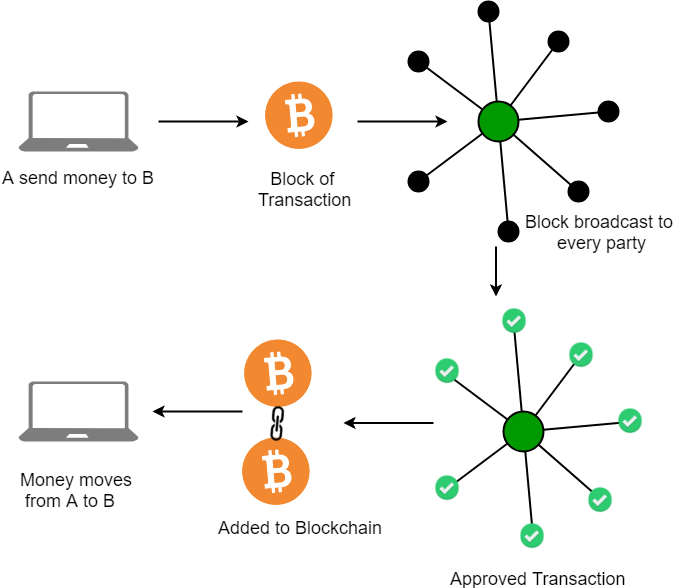
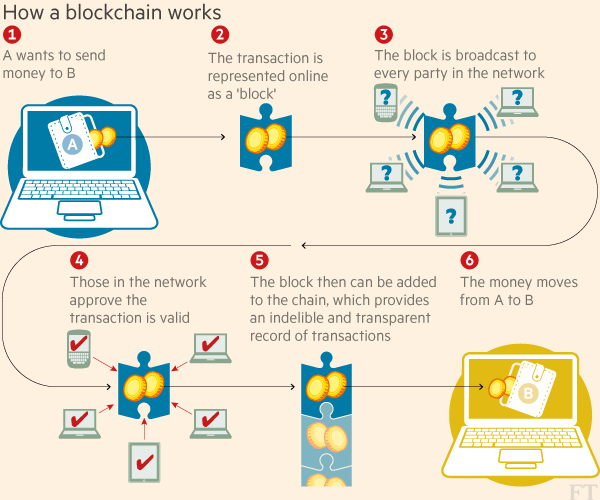
At its most basic level, a blockchain is exactly what the name suggests: a chain of blocks. Each block contains a list of transactions or data entries. Unlike a traditional database managed by a single entity—such as a bank or a government agency—a blockchain is maintained by a peer-to-peer network of computers, known as nodes.
The Anatomy of a Block
Every block in the chain consists of three primary elements: the data, a unique digital fingerprint called a “hash,” and the hash of the previous block. The data stored depends on the purpose of the blockchain; for instance, in a financial blockchain, it includes the sender, receiver, and amount. The hash is generated using complex cryptographic algorithms (like SHA-256). If even a single character within the block is changed, the hash changes entirely, making it easy to detect tampering.
Linking the Chain through Cryptography
The most ingenious aspect of blockchain is how it links these blocks. Because each block contains the hash of the block preceding it, they form a chronological and mathematical chain. If a malicious actor attempts to alter a transaction in an earlier block, that block’s hash will change. Consequently, the next block—which contains the old hash—becomes invalid. This ripple effect requires the attacker to recalculate every subsequent block in the chain, an undertaking that is computationally and economically infeasible in a sufficiently large network.
Consensus Mechanisms: Reaching an Agreement
Since there is no central authority to validate transactions, the network must agree on the state of the ledger. This is achieved through consensus mechanisms. The two most prominent are Proof of Work (PoW) and Proof of Stake (PoS).
-
Proof of Work: Popularized by Bitcoin, PoW requires nodes (miners) to solve complex mathematical puzzles to earn the right to add a block. This ensures security through sheer computational power.
-
Proof of Stake: A more energy-efficient alternative used by networks like Ethereum 2.0, PoS selects validators based on the number of tokens they “stake” or lock up as collateral. This aligns the incentives of the validators with the health of the network.
The Pillars of Blockchain: Security, Transparency, and Immutability
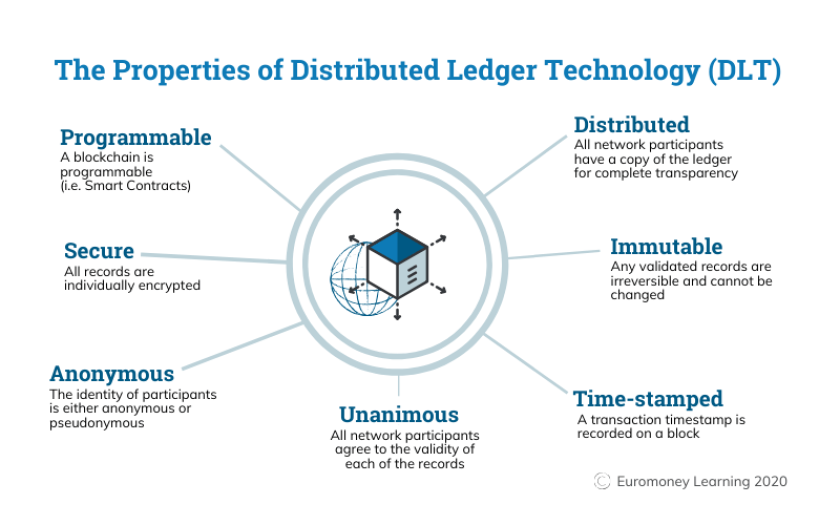
The technological brilliance of blockchain lies in its three core characteristics. These pillars provide the framework for a system that is often described as “trustless”—not because trust is absent, but because it is embedded into the code itself, removing the need to trust a human third party.
Distributed Security and Resilience
Traditional databases are centralized, meaning they have a single point of failure. If a central server is hacked or suffers a hardware failure, the entire system is compromised. In contrast, blockchain is distributed. Every node in the network holds a copy of the entire ledger. For a hack to be successful, a bad actor would need to control more than 51% of the network’s resources simultaneously, a feat that becomes exponentially harder as the network grows.
Transparency and Traceability
Public blockchains are open-source and transparent. Anyone with an internet connection can view the entire history of transactions. This level of transparency is revolutionary for industries like logistics and finance, where “black box” operations often lead to fraud and inefficiency. While the identities of the users remain pseudonymous (represented by alphanumeric addresses), the movement of assets is entirely visible, creating an audit trail that is accessible in real-time.
The Power of Immutability
Once a block is added to the chain and confirmed by the consensus mechanism, it becomes nearly impossible to change. This is known as immutability. In a world where digital records are easily manipulated, immutability provides a “single source of truth.” For legal contracts, land titles, and intellectual property, this means that the historical record is preserved exactly as it occurred, without the risk of retroactive alteration.
Beyond Cryptocurrency: Practical Applications in the Tech Ecosystem
While Bitcoin was the first successful implementation of blockchain, the technology has evolved into a versatile tool for various sectors. The introduction of “Smart Contracts”—self-executing contracts with the terms of the agreement directly written into code—expanded the utility of blockchain from a simple ledger to a global computational platform.
Smart Contracts and Decentralized Finance (DeFi)
Smart contracts, pioneered by the Ethereum network, allow for complex transactions to occur automatically when certain conditions are met. This has given birth to Decentralized Finance (DeFi), a movement that aims to recreate traditional financial instruments (loans, insurance, exchanges) without the need for banks. By using code to handle escrow and settlement, DeFi reduces costs and opens financial services to the unbanked population.
Supply Chain Management and Provenance
In global trade, tracking a product from the raw material stage to the end consumer is notoriously difficult. Blockchain allows for a shared, immutable record of every hand a product passes through. Companies like IBM and Maersk have utilized blockchain to track shipping containers, reducing paperwork and preventing the entry of counterfeit goods into the supply chain. In the food industry, a consumer can scan a QR code on a piece of produce and see exactly which farm it came from and when it was harvested.
Digital Identity and Sovereignty
Currently, our digital identities are fragmented across dozens of platforms, from Google to government databases. Blockchain enables “Self-Sovereign Identity” (SSI), where individuals own and control their personal data. Instead of providing a full driver’s license to prove age, a person could provide a blockchain-verified “zero-knowledge proof” that confirms they are over 21 without revealing their birthdate or address. This reduces the risk of massive data breaches that occur when centralized corporations store millions of personal records.
The Creator Economy and NFTs
Non-Fungible Tokens (NFTs) use blockchain to prove ownership of unique digital or physical assets. For artists, musicians, and developers, this provides a way to monetize digital creations that were previously easy to copy and redistribute without permission. Beyond digital art, NFTs are being used for event ticketing, gaming assets, and even real estate deeds, ensuring that the history of ownership is clear and undeniable.
Challenges and the Future: Scaling the Decentralized Web
Despite its immense promise, blockchain technology is still in its nascent stages, facing significant technical and regulatory hurdles. The path to mass adoption requires solving what is known as the “Blockchain Trilemma”: the challenge of achieving security, decentralization, and scalability simultaneously.
The Scalability Problem
Most early blockchains can only process a handful of transactions per second (TPS). In comparison, traditional payment processors like Visa can handle tens of thousands. To compete, blockchain developers are working on “Layer 2” solutions—protocols built on top of the main chain that handle transactions more quickly before settling the final balance on the main ledger. Techniques like “sharding” (breaking the database into smaller pieces) and “sidechains” are also being implemented to increase throughput.
Environmental Concerns and Energy Efficiency
The Proof of Work consensus mechanism has faced criticism for its high energy consumption. However, the tech industry is pivoting. The successful transition of major networks to Proof of Stake has reduced energy requirements by over 99%. Furthermore, many mining operations are increasingly sourcing energy from stranded renewables, turning a potential environmental liability into a catalyst for green energy development.
Regulatory Integration and Interoperability
For blockchain to become a standard in the corporate world, there must be clear regulatory frameworks. Governments are currently grappling with how to categorize digital assets and oversee decentralized platforms. Additionally, “interoperability”—the ability for different blockchains to communicate with one another—is a major focus for developers. Projects like Polkadot and Cosmos are building “internet of blockchains” to ensure that data does not remain siloed within individual networks.
Conclusion: The Foundation of Web3
Blockchain technology is more than a trend; it is a foundational shift in the digital architecture of our world. By enabling decentralized trust, it provides a solution to many of the systemic vulnerabilities of the modern internet, including data silos, centralized censorship, and a lack of transparency.
As we transition into the era of Web3—the decentralized web—blockchain will serve as the underlying infrastructure. It is the tool that will allow us to reclaim our digital autonomy, automate complex global systems through smart contracts, and create a more equitable digital economy. While the technology will continue to iterate and evolve, its core proposition remains unchanged: a secure, transparent, and immutable way to record the history of human value. The journey from a niche cryptographic experiment to a global technological standard is well underway, and its impact on the next decade of digital innovation will be profound.
aViewFromTheCave is a participant in the Amazon Services LLC Associates Program, an affiliate advertising program designed to provide a means for sites to earn advertising fees by advertising and linking to Amazon.com. Amazon, the Amazon logo, AmazonSupply, and the AmazonSupply logo are trademarks of Amazon.com, Inc. or its affiliates. As an Amazon Associate we earn affiliate commissions from qualifying purchases.