
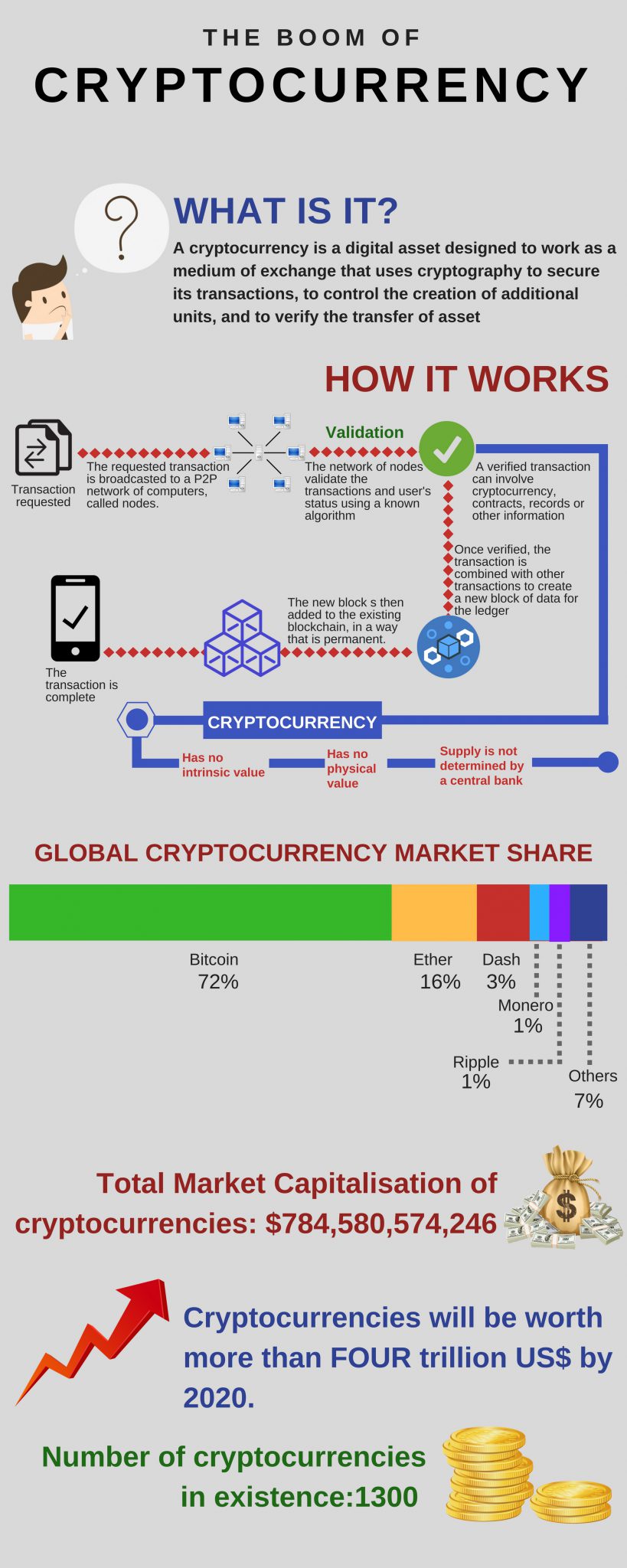
Cryptocurrency, a term that has become ubiquitous in the digital age, represents a paradigm shift in how we perceive and interact with value. Far from being merely a speculative asset, it is a sophisticated technological construct built on groundbreaking principles of cryptography and distributed ledger technology. Understanding “how it works” is not just about knowing its function as a digital currency, but about grasping the ingenious engineering that underpins its security, decentralization, and immutability. This exploration delves into the core technological components that make cryptocurrencies operate, examining the intricate dance between algorithms, network participants, and cryptographic protocols that give them their unique power and resilience.
1. The Blockchain Backbone: A Distributed Ledger Technology
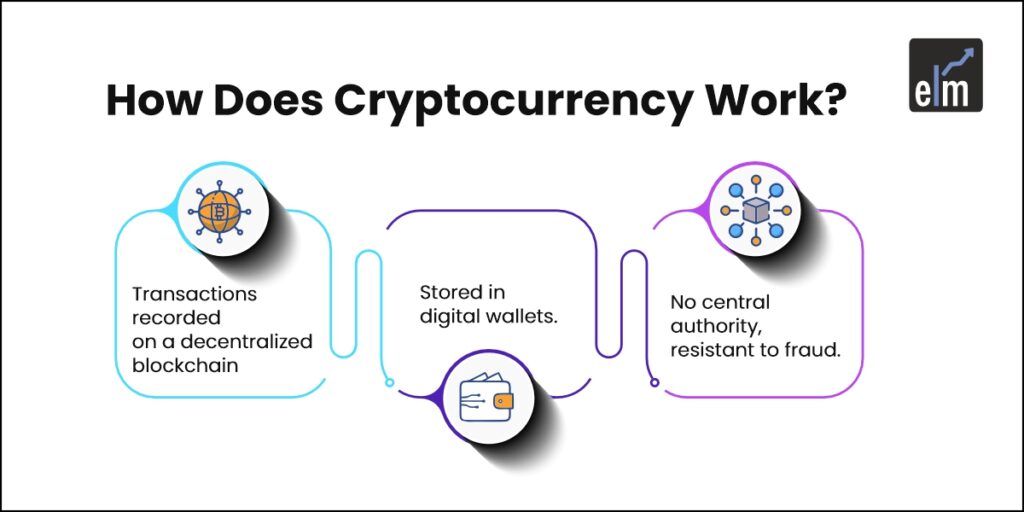
At the heart of every cryptocurrency lies the blockchain, a revolutionary distributed ledger technology (DLT) that serves as its immutable record-keeping system. Unlike traditional databases controlled by a single entity, a blockchain is shared across a vast network of computers, making it inherently resistant to modification and censorship. This decentralized architecture is the cornerstone of cryptocurrency’s trustless nature, eliminating the need for intermediaries like banks or payment processors.
1.1. Blocks and Chains: The Data Structure
A blockchain is precisely what its name suggests: a chain of blocks. Each “block” is a collection of validated transactions, along with a timestamp, a unique cryptographic hash of the current block, and the hash of the previous block. This linking of blocks via cryptographic hashes creates an irreversible chronological chain. If any data within a past block were to be altered, its hash would change, invalidating all subsequent blocks in the chain and immediately alerting the network to tampering. This interdependency ensures the ledger’s integrity and makes it incredibly difficult, if not practically impossible, for a single entity to unilaterally rewrite transaction history.
1.2. The Distributed Ledger: Decentralization in Action
The term “distributed” refers to the fact that every participant (node) in the network holds a complete and identical copy of the blockchain. When a new block of transactions is created and validated, it is broadcast to all nodes, which then update their local ledger. This massive replication ensures redundancy and eliminates any single point of failure. There’s no central server that can be hacked or shut down; the network continues to operate as long as enough nodes are active. This distributed nature is a core technological advantage, making cryptocurrencies robust and resilient against attacks or systemic failures that might plague centralized systems.
1.3. Immutability: A Permanent Record
Once a transaction is recorded in a block and that block is added to the blockchain, it cannot be reversed or deleted. This immutability is a critical feature, establishing an undeniable and permanent record of all transactions. For example, if you send Bitcoin to someone, that transaction is etched into the blockchain forever. This stands in stark contrast to traditional banking systems, where transactions can sometimes be reversed or subject to chargebacks. The technological design of immutability provides a high degree of certainty and finality for all participants, fostering trust in a trustless environment.
2. Cryptographic Security: The Unbreakable Digital Lock
Cryptography is not just an essential component of cryptocurrency; it is embedded into its very DNA. It provides the digital security mechanisms that protect transactions, verify identities, and maintain the integrity of the entire network. Without robust cryptography, the concept of decentralized digital money would be fundamentally insecure and unworkable.
2.1. Hashing: The Fingerprint of Data
Cryptographic hashing is a one-way mathematical function that takes an input (data of any size) and produces a fixed-size string of characters, known as a hash value or digest. This hash is unique to that specific input; even a tiny change in the input data will result in a completely different hash. In cryptocurrency, hashing is used extensively:
-
Block Headers: Each block’s header contains a hash of all the transactions within it, acting as a summary.
-
Block Linking: As discussed, blocks are cryptographically linked by including the previous block’s hash in the current block, creating the “chain.”
-
Proof of Work: Miners compete to find a specific hash for a new block, a process central to securing many cryptocurrencies.
The cryptographic properties of hash functions—their determinism, computational efficiency, pre-image resistance (hard to reverse), and collision resistance (hard to find two inputs that produce the same hash)—are crucial for maintaining the integrity and security of the blockchain.
2.2. Public-Key Cryptography: Digital Identity and Ownership
Public-key cryptography, also known as asymmetric cryptography, is the technology behind digital signatures and the secure transfer of assets. Every cryptocurrency user generates a pair of cryptographic keys:
-
Public Key: This key is derived from the private key and can be shared freely. It acts as your public address on the network, similar to a bank account number. When someone wants to send you cryptocurrency, they send it to your public key.
-
Private Key: This key must be kept secret. It is used to “sign” transactions, proving that you are the legitimate owner of the funds associated with your public key and authorizing their transfer. Losing your private key means losing access to your funds forever, as there is no central authority to recover it.
The mathematical relationship between these two keys ensures that anything encrypted with the public key can only be decrypted by the corresponding private key, and vice versa. This system provides both confidentiality and authentication for digital transactions, forming the basis of digital ownership and permissionless transfer.
2.3. Digital Signatures: Authorizing Transactions
When you initiate a cryptocurrency transaction, you use your private key to create a digital signature. This signature cryptographically proves that you, the owner of the private key, authorized the transaction. The signature is then broadcast to the network along with the transaction details. Other nodes can use your public key to verify that the signature is valid and that the transaction indeed came from you, without ever needing to know your private key. This ingenious mechanism ensures non-repudiation (you can’t deny sending a transaction once signed) and prevents unauthorized parties from spending your funds.
3. Consensus Mechanisms: The Heart of Decentralized Trust
In a decentralized network with no central authority, how do all the participants agree on the correct state of the ledger? This is where consensus mechanisms come into play. These are algorithms that enable distributed nodes to collectively agree on the validity of transactions and the order of blocks, ensuring that everyone’s copy of the blockchain remains synchronized and accurate. Without a robust consensus mechanism, a decentralized system would quickly descend into chaos, with conflicting versions of the ledger.
3.1. Proof of Work (PoW): Bitcoin’s Engine
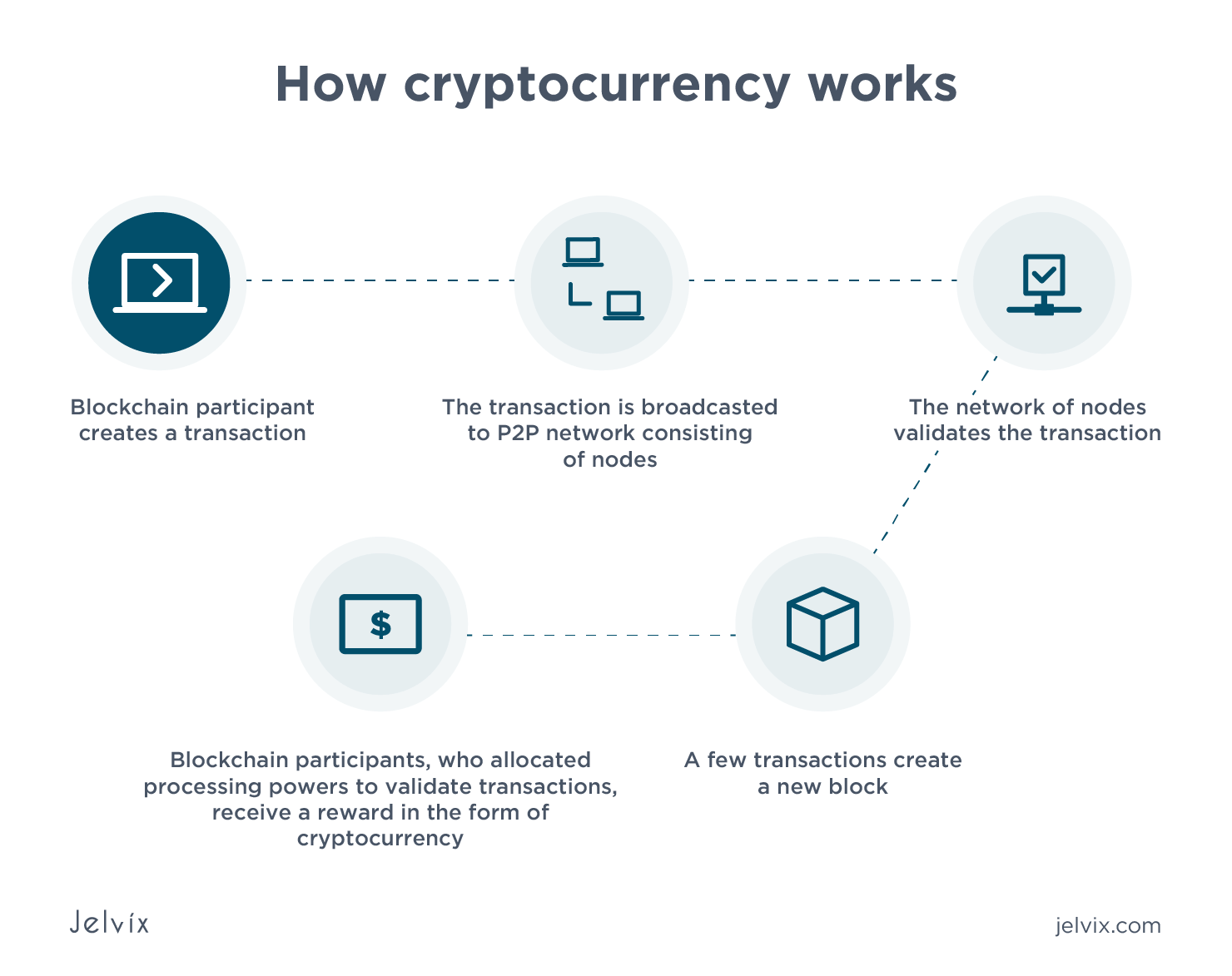
Proof of Work (PoW) is the original and most well-known consensus mechanism, first implemented by Bitcoin. In PoW, participants known as “miners” compete to solve a complex computational puzzle (a cryptographic problem). The first miner to find the solution gets the right to add the next block of verified transactions to the blockchain and is rewarded with newly minted cryptocurrency (block reward) and transaction fees.
-
Computational Difficulty: The puzzle is designed to be difficult to solve but easy for the network to verify. This difficulty is adjusted periodically to ensure that a new block is found, on average, at a consistent interval (e.g., every 10 minutes for Bitcoin).
-
Security through Energy: The massive amount of computational power (and thus electricity) expended by miners makes it prohibitively expensive and impractical for a malicious actor to gain control of enough computing power (a “51% attack”) to rewrite transaction history. The economic incentive aligns with network security.
While effective, PoW is often criticized for its high energy consumption and potential scalability limitations, leading to the development of alternative mechanisms.
3.2. Proof of Stake (PoS): A Greener Alternative
Proof of Stake (PoS) emerged as an alternative to PoW, aiming to address its energy consumption and scalability concerns. In PoS, instead of miners competing with computational power, “validators” are chosen to create new blocks based on the amount of cryptocurrency they “stake” (lock up) as collateral. The more coins a validator stakes, the higher their chance of being selected to propose and validate the next block.
-
Staking as Collateral: Staked coins act as a financial bond, incentivizing validators to act honestly. If a validator attempts to approve invalid transactions, they risk losing a portion or all of their staked assets (a process called “slashing”).
-
Reduced Energy Consumption: PoS significantly reduces the energy footprint compared to PoW, as it doesn’t require massive computational power.
-
Decentralized Selection: While the selection process can vary (e.g., purely random, based on stake amount, or a combination), it aims to maintain decentralization. Ethereum, for example, transitioned from PoW to PoS, highlighting its potential as a more sustainable and scalable option for large-scale networks.
3.3. Other Consensus Models and Their Technical Nuances
Beyond PoW and PoS, several other consensus mechanisms have been developed, each with its own technical trade-offs regarding security, scalability, and decentralization:
-
Delegated Proof of Stake (DPoS): Users vote for a limited number of “delegates” or “witnesses” who are responsible for validating transactions and creating blocks. This can offer higher transaction speeds but might lead to a more centralized governance model.
-
Proof of Authority (PoA): Blocks are validated by approved accounts, acting as authorities. This is often used in private or consortium blockchains where trust is granted to a select group, offering very high transaction throughput but sacrificing decentralization.
-
Proof of History (PoH): Used by Solana, PoH is not a consensus mechanism itself but a cryptographic clock that provides a verifiable order of events, greatly speeding up the validation process when combined with PoS.
Each mechanism employs different strategies to solve the fundamental problem of agreement in a distributed, trustless environment, showcasing the ongoing innovation in blockchain technology.
4. From Wallets to Transactions: Interacting with the Network
While the underlying technology is complex, interacting with cryptocurrency networks has been streamlined for users. The primary tools for engagement are wallets and the transaction process, which translate the cryptographic underpinnings into a usable interface.
4.1. Cryptocurrency Wallets: Your Digital Strongbox
A cryptocurrency wallet is not a physical place where coins are stored; rather, it is a software or hardware device that stores your public and private keys and interacts with the blockchain. Think of it as a key ring for your digital assets.
-
Hot Wallets: Connected to the internet (e.g., mobile apps, desktop software, web interfaces). They offer convenience for frequent transactions but are generally considered less secure due to their online exposure.
-
Cold Wallets: Offline storage solutions (e.g., hardware wallets like Ledger or Trezor, paper wallets). They provide superior security by keeping private keys isolated from the internet, making them ideal for storing significant amounts of cryptocurrency.
Regardless of type, the fundamental function of a wallet is to manage your cryptographic keys, which are the true representation of your ownership on the blockchain.
4.2. The Transaction Lifecycle: Sending and Receiving Funds
The process of sending cryptocurrency involves several technical steps:
-
Initiation: You use your wallet software to specify the recipient’s public address (derived from their public key) and the amount of cryptocurrency you wish to send.
-
Signing: Your wallet uses your private key to create a digital signature for the transaction, proving your authorization.
-
Broadcasting: The signed transaction is then broadcast to the cryptocurrency network.
-
Verification: Network nodes receive the transaction and perform several checks:
-
Is the digital signature valid?
-
Does the sender have sufficient funds (checked against their public address’s history on the blockchain)?
-
Is the transaction properly formatted?
-
-
Inclusion in a Block: Once verified by enough nodes, the transaction awaits inclusion in a new block by a miner (PoW) or validator (PoS).
-
Confirmation: Once the transaction is included in a block and that block is added to the blockchain, it receives its first “confirmation.” As more blocks are added on top, the transaction becomes increasingly immutable and irreversible. Typically, several confirmations are required before a transaction is considered final, ensuring deep integration into the chain.
This entire process, from initiation to confirmation, typically takes minutes to hours, depending on the network’s congestion and the specific cryptocurrency’s block time.
5. Beyond the Basics: Scalability and Future Tech
While the core technologies of blockchain, cryptography, and consensus mechanisms provide the foundation, the cryptocurrency landscape is constantly evolving. A significant technical challenge for many current systems is scalability—the ability to handle a high volume of transactions quickly and efficiently—without compromising decentralization or security.
5.1. The Scalability Trilemma and Layer Solutions
The “Scalability Trilemma” posits that a blockchain can only achieve two out of three desirable properties: decentralization, security, and scalability. Most early blockchains like Bitcoin prioritize decentralization and security, often at the expense of transaction throughput. To address this, various “layer solutions” are being developed:
-
Layer 2 Solutions: These protocols are built on top of an existing blockchain (Layer 1) to handle transactions off-chain, then periodically settle them back to the main chain. Examples include the Lightning Network for Bitcoin (for faster, cheaper micro-payments) and various Rollups (Optimistic Rollups, Zk-Rollups) for Ethereum, which bundle many transactions into a single, verifiable transaction on the main chain. These technologies leverage cryptographic proofs to ensure off-chain transactions are still secure.
-
Sharding: This technique, being implemented by Ethereum 2.0, involves breaking the main blockchain into smaller, parallel chains called “shards.” Each shard can process its own transactions and smart contracts, dramatically increasing the overall network’s capacity, while still communicating with each other and relying on the main chain for security.
These solutions represent advanced engineering efforts to overcome inherent technical limitations, enabling broader adoption and more complex applications.
5.2. Interoperability and Cross-Chain Technologies
As the number of distinct blockchain networks grows, the need for them to communicate and exchange assets (interoperability) becomes critical. Technologies addressing this include:
-
Bridge Protocols: These allow assets to be moved between different blockchains, often by locking assets on one chain and minting an equivalent “wrapped” asset on another.
-
Interoperability Hubs: Projects like Polkadot and Cosmos are designed to be networks of blockchains, enabling seamless communication and asset transfer between otherwise isolated chains. These platforms offer specific technical frameworks and protocols for building interconnected blockchain ecosystems.
These innovations are pushing the boundaries of what distributed ledger technology can achieve, moving towards a future where different crypto networks can interact fluidly, expanding the utility and reach of digital assets far beyond their initial design. The ongoing evolution in these areas underscores that cryptocurrency is not a static invention, but a dynamic and rapidly advancing field of computer science and network engineering.
aViewFromTheCave is a participant in the Amazon Services LLC Associates Program, an affiliate advertising program designed to provide a means for sites to earn advertising fees by advertising and linking to Amazon.com. Amazon, the Amazon logo, AmazonSupply, and the AmazonSupply logo are trademarks of Amazon.com, Inc. or its affiliates. As an Amazon Associate we earn affiliate commissions from qualifying purchases.