
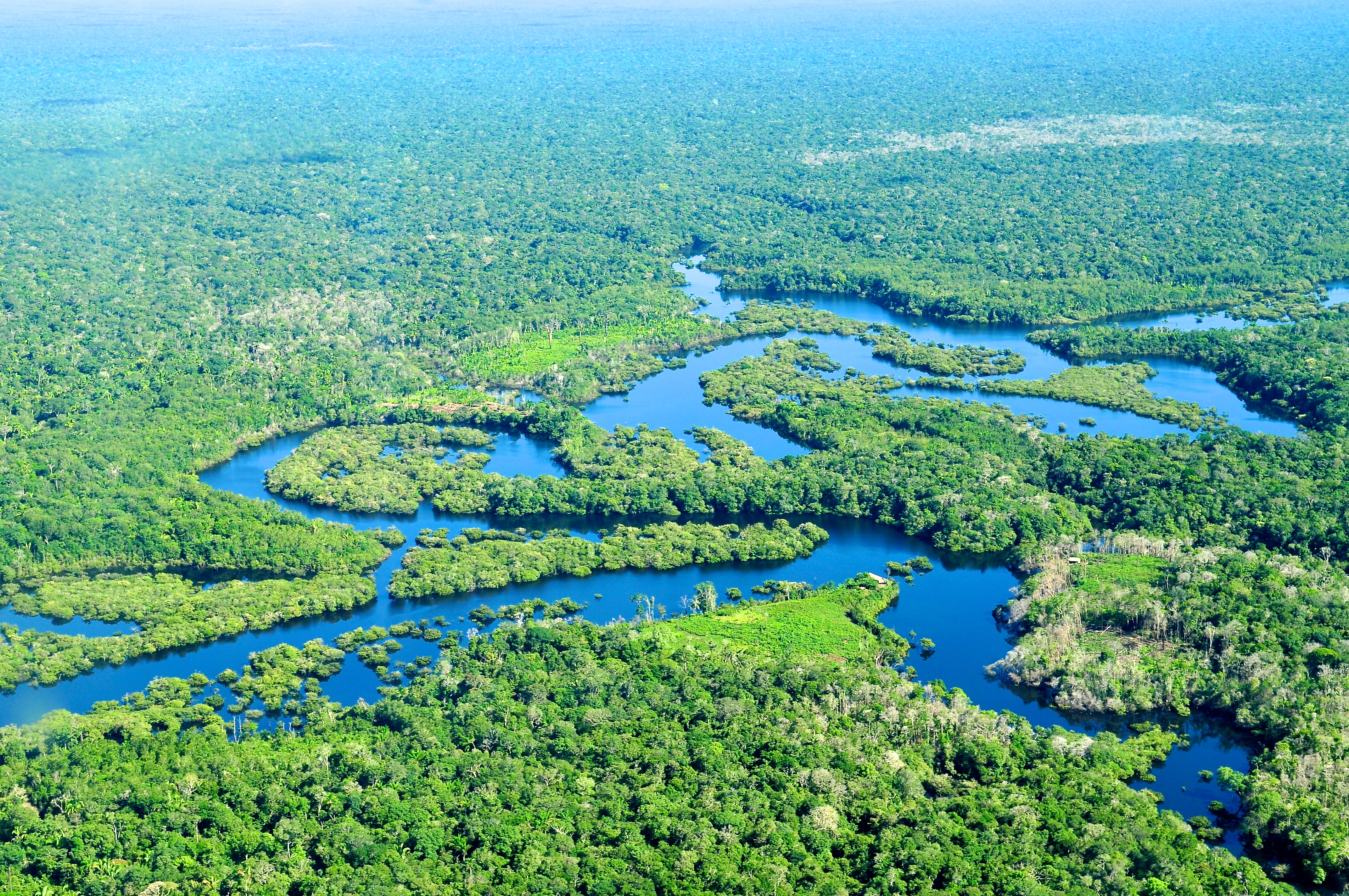
The Amazon Forest, a vast and unparalleled expanse of biodiversity, rivers, and unique ecosystems, is often celebrated for its ecological significance as the “lungs of the Earth.” While its environmental contributions are incalculable, its role in the global economy and its profound financial implications are often understated. Far from being merely a distant wilderness, the Amazon represents a complex web of natural capital, economic opportunities, geopolitical considerations, and financial risks that reverberate from local communities to international markets. Understanding “what is the Amazon Forest” thus necessitates an economic lens, examining its value as an asset, a resource base, a carbon sink, and a critical component of global economic stability.
The Amazon’s Profound Economic Significance: Beyond the Green Canopy
The sheer scale and richness of the Amazon Forest translate into a colossal economic footprint. Its value extends far beyond the direct extraction of resources, encompassing an intricate system of natural services and untapped potential that drives economies both regional and global.
Biodiversity as Capital: Untapped Pharmaceutical and Industrial Potential
The Amazon’s unparalleled biodiversity—home to an estimated 10% of the world’s known species—is a vast, largely uncatalogued library of genetic resources. From a financial perspective, this represents an enormous, mostly latent, capital asset. Each plant, animal, and microorganism holds potential for new compounds that could revolutionize medicine, agriculture, and industrial processes. Bioprospecting, the exploration of biological diversity for commercially valuable biochemicals and genes, has already yielded breakthroughs. For example, compounds derived from Amazonian plants have contributed to treatments for hypertension and cancer. The economic potential of new drugs, sustainable materials, and agricultural innovations derived from the Amazon is staggering, potentially running into trillions of dollars over time. However, challenges persist in establishing equitable benefit-sharing mechanisms that ensure financial returns reach the indigenous communities and countries that are custodians of this invaluable natural capital, rather than solely enriching multinational corporations. Investors are increasingly looking at venture capital models and direct investment in bioprospecting initiatives that prioritize ethical sourcing and benefit distribution.
Natural Resources: Timber, Minerals, and the Extraction Economy
Historically, and presently, a significant portion of the Amazon’s economic activity revolves around the extraction of its tangible natural resources. Legal and illegal logging operations supply valuable timber to domestic and international markets, driving substantial, albeit often unsustainable, revenue streams for logging companies and contributing to national GDPs in Amazonian countries like Brazil, Peru, and Ecuador. Beneath the forest canopy lies a wealth of mineral resources, including vast deposits of iron ore, bauxite, gold, and other precious metals. Mining operations, both large-scale industrial ventures and small-scale artisanal operations, contribute significantly to regional economies, providing employment and export revenues. Similarly, the Amazon basin is rich in oil and natural gas reserves, attracting major international energy companies and significant foreign direct investment for exploration and extraction. While these activities generate immediate economic benefits and fuel industrial development, they also come with substantial environmental and social costs, including deforestation, pollution, and land conflicts, which represent deferred economic liabilities that are increasingly being factored into financial risk assessments by responsible investors and lending institutions.
The Amazon’s Role in Global Climate Finance and Carbon Markets
Beyond its material resources, the Amazon Forest plays a crucial, quantifiable role in regulating global climate, a service that is increasingly valued in financial terms through emerging carbon markets and climate finance mechanisms.
Carbon Sequestration: The Amazon as a Global Financial Asset
The Amazon is the world’s largest terrestrial carbon sink, absorbing vast quantities of carbon dioxide from the atmosphere and storing it in its biomass and soils. This carbon sequestration service is critical for mitigating climate change, a global economic threat. In a world increasingly conscious of carbon footprints and greenhouse gas emissions, the Amazon’s capacity to store carbon has a tangible financial value. Initiatives like REDD+ (Reducing Emissions from Deforestation and Forest Degradation) provide financial incentives to developing countries to preserve their forests. This involves the sale of carbon credits, where companies or nations that exceed their emission targets can offset their footprint by purchasing credits generated from avoided deforestation projects in the Amazon. The market for these credits, both voluntary and compliance-based, is growing, allowing Amazonian nations and communities to monetize their forest conservation efforts. Investors and financial institutions are actively participating in these markets, viewing carbon credits as a novel asset class and a mechanism for sustainable portfolio management.
Water Cycle Regulation and Hydropower: Regional Economic Powerhouse
The Amazon’s immense hydrological system is a lynchpin for economic activity far beyond its immediate borders. The forest’s evapotranspiration process recycles massive amounts of water, generating “flying rivers” that transport moisture across South America, nourishing agricultural heartlands in Brazil, Argentina, and Paraguay. The economic impact of this natural water security is enormous, supporting billions of dollars in agricultural output annually. Any disruption to the Amazon’s water cycle due to deforestation poses a direct financial threat to these vital agricultural economies. Furthermore, the powerful rivers of the Amazon basin are crucial for hydropower generation. Major hydroelectric dams provide a significant portion of the electricity for Brazil and other Amazonian nations, fueling industries, powering cities, and supporting economic growth. These massive infrastructure projects represent billions in national and international investments, demonstrating the critical financial reliance on the Amazon’s natural hydrological processes.
Sustainable Economic Models and Investment Opportunities
Recognizing the long-term economic unsustainability of extractive practices, there is a growing global focus on developing and investing in sustainable economic models for the Amazon that reconcile development with preservation.
Ecotourism and Sustainable Livelihoods: A Green Economy Frontier
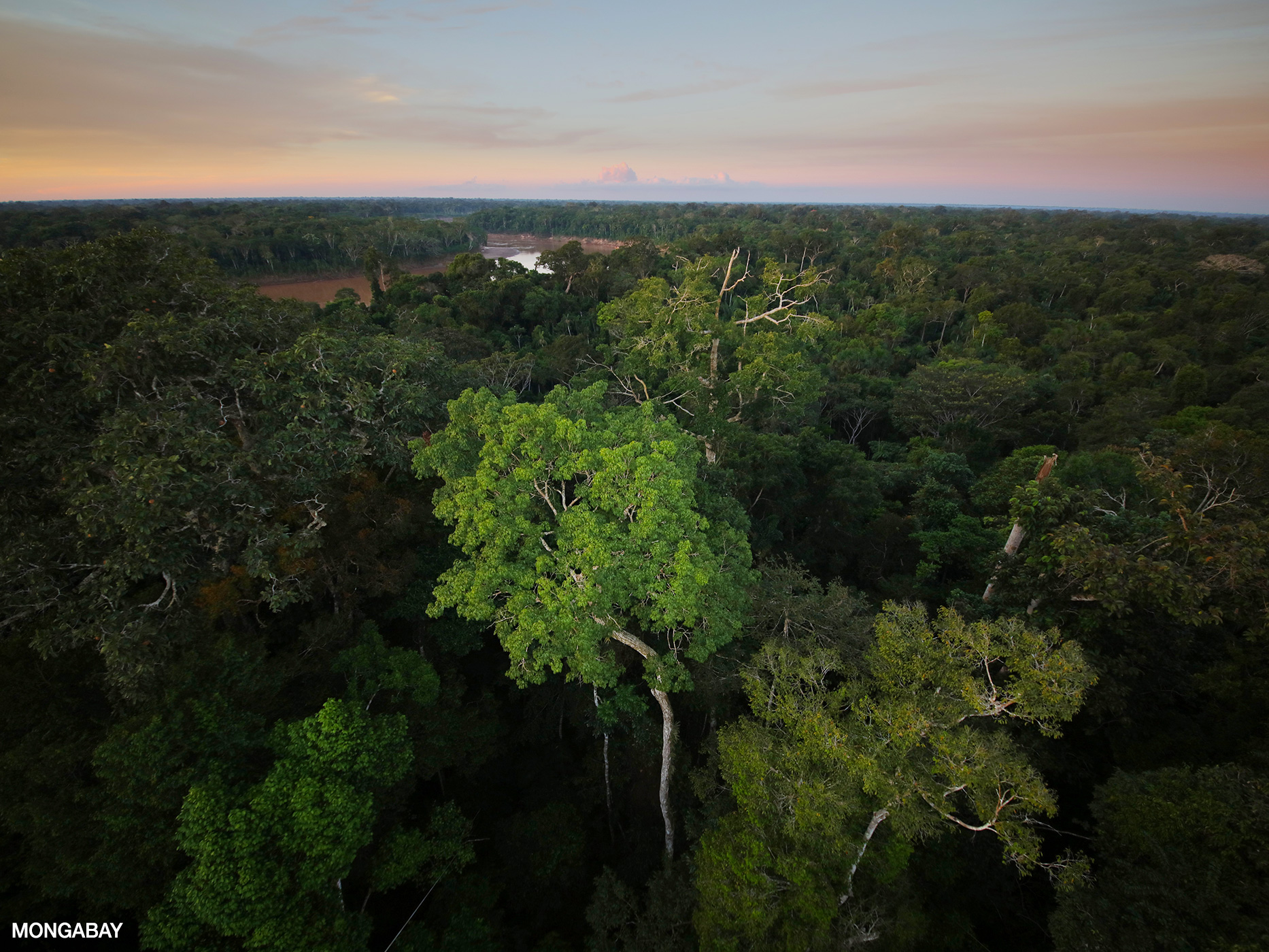
Ecotourism presents a compelling “green economy” frontier for the Amazon. The allure of its unparalleled biodiversity, unique cultures, and pristine landscapes attracts a growing number of international and domestic tourists. This sector generates significant revenue, creating jobs in hospitality, guiding, and local services. Critically, ecotourism provides an economic alternative to destructive activities like logging or cattle ranching, offering local and indigenous communities a direct financial incentive to preserve their natural environment. Beyond tourism, the sustainable harvesting of non-timber forest products (NTFPs) offers another pathway to green livelihoods. Products like açai, Brazil nuts, rubber, and various medicinal plants can be harvested sustainably, providing consistent income for local communities without destroying the forest. Investment in processing facilities, supply chain improvements, and market access for these NTFPs enhances their economic viability and global market penetration, offering stable, regenerative economic benefits.
Impact Investing and Conservation Finance: Merging Profit with Purpose
The Amazon has become a focal point for the rapidly expanding field of impact investing and conservation finance. This involves channeling private and public capital into projects that aim for both measurable financial returns and positive social and environmental impacts. Innovative financial instruments are being deployed, including green bonds, which raise capital for environmentally friendly projects; conservation easements, which provide financial incentives for landowners to protect their forest; and debt-for-nature swaps, where a portion of a country’s foreign debt is forgiven in exchange for commitments to environmental protection. Philanthropic organizations, development banks, and private equity funds are increasingly partnering to co-finance ventures that promote sustainable agriculture, reforestation, forest restoration, and sustainable supply chains in the Amazon. These investments are driven by a recognition that long-term financial stability and growth are intrinsically linked to ecological health.
The Economic Costs of Deforestation and Resource Mismanagement
While the direct economic benefits of resource extraction are often immediate and visible, the long-term economic costs of deforestation and mismanagement of the Amazon’s natural capital are far-reaching, often hidden, and increasingly catastrophic.
Long-Term Economic Losses: Erosion of Natural Capital
The clearing of the Amazon for agriculture, cattle ranching, or mining results in an erosion of natural capital that translates into significant long-term economic losses. Deforestation diminishes the forest’s capacity for carbon sequestration, which will eventually incur financial penalties as carbon pricing mechanisms become more widespread. It also leads to soil degradation, reducing agricultural productivity over time and requiring costly inputs like fertilizers. The loss of biodiversity means the permanent disappearance of potential pharmaceutical compounds, industrial materials, and genetic resources that could have yielded future economic benefits. Altered rainfall patterns due to deforestation can lead to droughts or floods, impacting agriculture, urban water supplies, and hydropower generation downstream, causing billions in economic damages. The hidden costs also include increased healthcare burdens from air and water pollution, and the social and economic disruption caused by the displacement of indigenous communities.
Geopolitical and Market Risks: International Economic Repercussions
The destruction of the Amazon carries substantial geopolitical and market risks that can negatively impact the economies of Amazonian nations and global supply chains. International pressure, often driven by consumer demand for sustainable products, can lead to trade disputes, boycotts of goods linked to deforestation (e.g., beef, soy), and damage to national brands. This creates significant financial risk for companies operating in the region and for the national economies reliant on these exports. Furthermore, the Amazon’s role as a climate regulator means its degradation contributes to global climate change, leading to increased insurance costs, disaster relief expenditures, and reduced productivity worldwide. International financial institutions and investors are increasingly scrutinizing the environmental and social governance (ESG) performance of companies and governments, with poor performance in Amazon conservation potentially impacting access to capital and increasing borrowing costs.
The Future of Amazonian Capital: Strategic Investment and Policy
The economic future of the Amazon Forest hinges on a complex interplay of strategic investment, robust policy frameworks, and innovative technological solutions that prioritize long-term sustainability over short-term gains.
Policy Frameworks and International Cooperation for Economic Resilience
Effective governance and strong policy frameworks are paramount to harnessing the Amazon’s economic potential sustainably. This includes clear land tenure policies that secure indigenous rights and reduce land conflicts, robust law enforcement against illegal logging and mining, and anti-corruption measures that ensure transparency in resource management. International cooperation, guided by agreements like the Paris Agreement and conventions like CITES (Convention on International Trade in Endangered Species of Wild Fauna and Flora), plays a vital role in creating a global economic environment that incentivizes preservation. Financial mechanisms from developed nations, channeled through multilateral institutions, can provide critical funding for conservation efforts, sustainable development projects, and capacity building in Amazonian countries, fostering economic resilience and shared prosperity.
Technological Innovations Driving a New Amazonian Economy
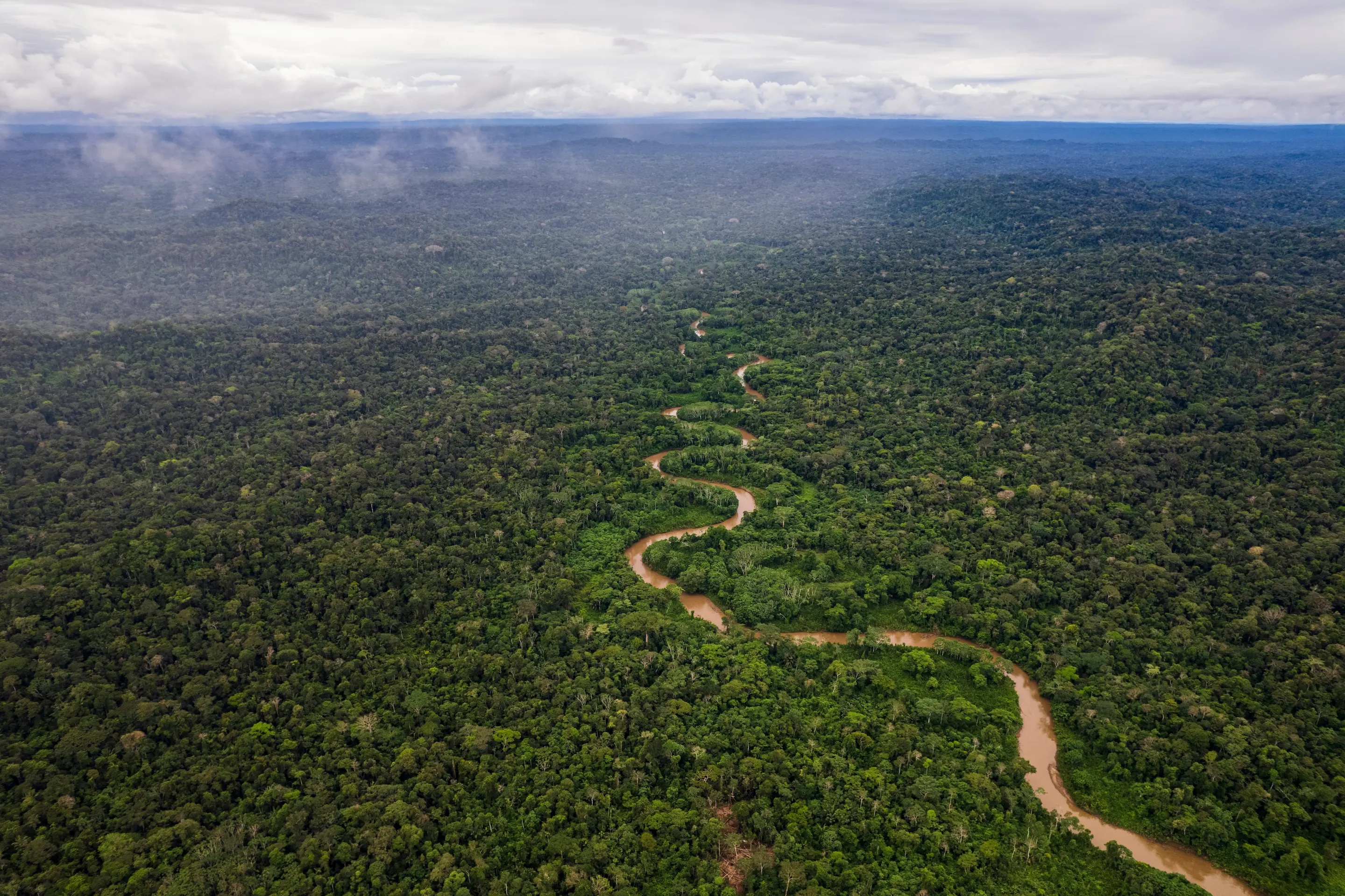
Technology is emerging as a powerful ally in shaping a new Amazonian economy. Remote sensing and satellite monitoring, coupled with AI and big data analytics, provide unprecedented real-time insights into deforestation rates, illegal activities, and forest health, enabling more targeted and effective enforcement and investment. Blockchain technology offers the potential for greater transparency and traceability in supply chains for Amazonian products, assuring consumers that their purchases are deforestation-free and ethically sourced, thereby enhancing market value. Biotechnology and genetic engineering can accelerate the development of sustainable agricultural practices that are less reliant on forest clearing, or enhance the value of existing sustainable products. Investing in these technological innovations, coupled with digital literacy and infrastructure development for local communities, can create entirely new economic sectors, foster entrepreneurship, and drive a truly sustainable, digitally-empowered Amazonian economy.
In conclusion, the Amazon Forest is far more than an ecological wonder; it is a global economic powerhouse, a repository of immense natural capital, and a critical component of climate stability with profound financial implications. From its untapped biodiversity to its role in carbon markets and water regulation, the economic decisions made regarding the Amazon today will shape not only its future but also the financial health and environmental stability of the planet for generations to come. Understanding “what is the Amazon Forest” from an economic perspective illuminates the urgent need for strategic investment, sustainable policies, and collaborative efforts to safeguard this invaluable global asset.
aViewFromTheCave is a participant in the Amazon Services LLC Associates Program, an affiliate advertising program designed to provide a means for sites to earn advertising fees by advertising and linking to Amazon.com. Amazon, the Amazon logo, AmazonSupply, and the AmazonSupply logo are trademarks of Amazon.com, Inc. or its affiliates. As an Amazon Associate we earn affiliate commissions from qualifying purchases.