
Navigating the landscape of student life often means balancing academic pursuits with a tight budget. Every dollar saved can make a significant difference, from affording textbooks to managing daily expenses. One of the most sought-after financial advantages for students is the availability of discounts, and Amazon, a ubiquitous platform for virtually everything, offers particularly valuable opportunities. This guide delves into the specifics of how students can leverage Amazon’s programs to unlock substantial savings, framing these strategies within the broader context of intelligent personal finance and budget management.
The Financial Edge: Why Student Discounts Matter for Your Wallet
For students, the concept of a “discount” isn’t merely a perk; it’s a fundamental pillar of sound financial planning. With tuition fees, living expenses, and the constant need for educational materials, every reduction in cost directly translates into greater financial stability and flexibility. Amazon’s student programs are specifically designed to alleviate some of this financial pressure, offering a tangible mechanism for students to stretch their budgets further without compromising on their needs.

Understanding the Value Proposition for Students
At its core, a student discount is a financial subsidy, an economic incentive provided to a demographic known for its limited disposable income. For Amazon, offering these discounts fosters long-term customer loyalty while providing immediate value. For students, this translates into direct savings on a vast array of products and services, from academic supplies and electronics to entertainment and daily necessities. The value isn’t just in the percentage off; it’s in the cumulative impact on one’s monthly or annual expenditure. Consider the compounding effect: saving $10 on one purchase, $20 on another, and eliminating shipping costs on dozens of orders throughout a semester. Over time, these individual savings coalesce into a substantial sum, freeing up capital that can be redirected towards educational investments, emergency funds, or even a much-needed personal indulgence. This strategic approach to spending is a foundational lesson in personal finance – understanding where and how to maximize your purchasing power.
The Broader Context of Student Budget Management
Student discounts on platforms like Amazon are not isolated benefits; they are integral components of a comprehensive student budget management strategy. A well-constructed budget for a student typically involves allocating funds for housing, food, transport, tuition, and study materials, alongside a small buffer for leisure. Without careful planning, any of these categories can quickly spiral out of control. By actively seeking out and utilizing student discounts, individuals embed a proactive money-saving habit into their financial routine. This isn’t just about reducing costs; it’s about making conscious financial decisions that contribute to overall fiscal health. It cultivates an awareness of value, encourages comparison shopping, and instills discipline in spending – all critical skills for managing personal finances not just during academic years, but for a lifetime. Embracing these opportunities transforms shopping from a simple transaction into a strategic financial maneuver, aligning everyday needs with long-term financial goals.
Your Roadmap to Amazon Prime Student: A Step-by-Step Financial Guide
The cornerstone of Amazon’s student savings program is undoubtedly Amazon Prime Student. This specialized membership offers a compelling array of benefits at a significantly reduced cost, making it an indispensable tool for students looking to optimize their spending. Understanding the eligibility, application process, and core financial advantages is crucial for any student aiming to leverage this powerful resource.
Eligibility Requirements: Who Qualifies for These Savings?
Amazon’s commitment to supporting students is manifested through specific, yet straightforward, eligibility criteria for Prime Student. To qualify for this discounted membership, applicants must generally meet the following conditions:
-
Active Enrollment: You must be actively enrolled in a degree-granting college or university located in the United States. This typically means you are taking at least one course.
-
Valid .edu Email Address: A valid academic email address (ending in .edu) is often the primary method of verification. This digital credential serves as proof of your student status.
-
Proof of Enrollment (if needed): In some cases, if the .edu email address is insufficient for verification, Amazon may request additional documentation. This could include a transcript, a student ID card, or an enrollment letter, all confirming your current academic status.
-
Age Requirement: You must be 18 years of age or older.
-
No Prior Prime Student Membership: You cannot have been a Prime Student member in the past and exhausted your eligibility period.
Meeting these criteria ensures that the financial benefits are directed to the intended demographic, helping students manage their educational and living expenses more effectively. It’s a mechanism designed to offer genuine financial relief where it’s most needed.
The Application Process: Securing Your Discounted Membership
The application process for Amazon Prime Student is streamlined to be user-friendly, typically involving a few simple steps that translate directly into financial savings:
-
Visit the Amazon Prime Student Page: Navigate directly to the Prime Student signup page on Amazon’s website.
-
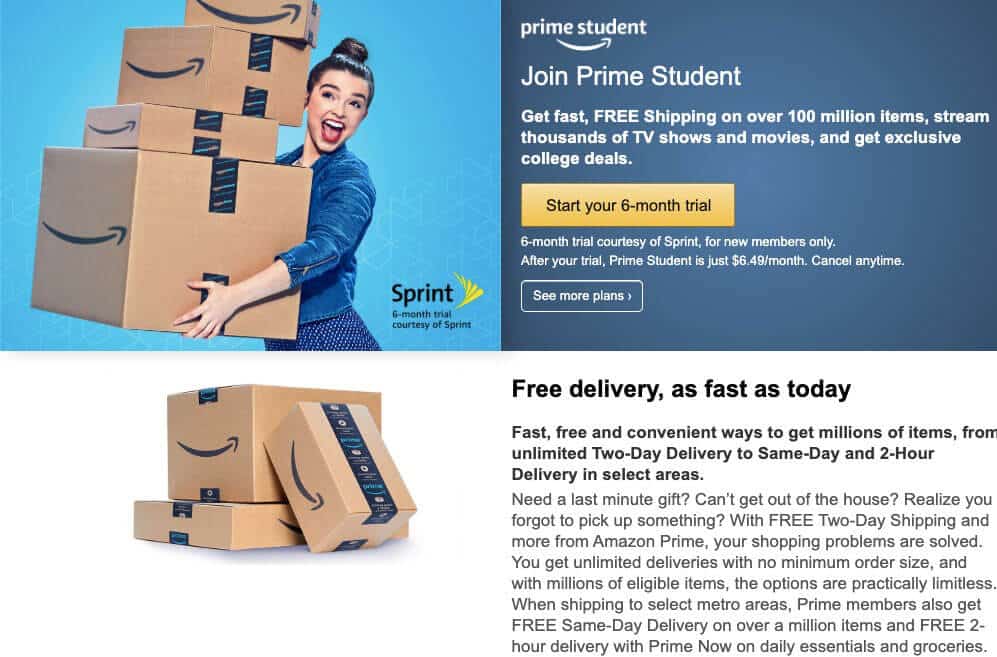
Start Your Free Trial: Amazon offers a generous six-month free trial of Prime Student. This initial period is a fantastic financial advantage, providing all the Prime benefits at zero cost, allowing students to experience the value before committing.
-
Provide Your Academic Email: Enter your valid .edu email address. Amazon will send a verification link to this address.
-
Verify Your Email: Click the link in the verification email to confirm your student status. This digital handshake is usually all that’s required.
-
Enter Payment Information: Even during the free trial, you’ll need to provide payment information. This is for the eventual transition to the discounted paid membership, which currently stands at 50% off the standard Prime membership fee. It’s crucial for students to monitor this transition to avoid unexpected charges, a key aspect of proactive personal finance.
-
Optional Document Upload: If your .edu email isn’t sufficient for immediate verification, you’ll be prompted to upload one of the aforementioned documents.
Successfully completing these steps secures your access to a wealth of student-specific financial benefits, effectively halving the cost of a premium service and significantly reducing incidental expenses like shipping.
Key Benefits and Financial Advantages of Prime Student
The financial implications of a Prime Student membership extend far beyond just discounted access. The program offers a suite of benefits designed to provide maximum value and convenience, directly impacting a student’s financial well-being:
-
Discounted Prime Membership: The most immediate and significant benefit is the 50% reduction in the annual Prime membership fee after the initial free trial. This alone represents substantial yearly savings compared to a standard Prime account.
-
Free Two-Day Shipping: Eliminating shipping costs on eligible items, regardless of order size, is a massive financial advantage. For students who frequently order books, supplies, or even groceries, this can save hundreds of dollars annually in shipping fees. It also allows for more flexible ordering, preventing the need to consolidate large orders just to qualify for free shipping.
-
Exclusive Student Deals and Promotions: Prime Student members gain access to exclusive discounts on various products, from electronics to fashion, often tailored to student needs. These limited-time offers are direct opportunities for additional savings on essential and desired items.
-
Prime Video, Music, and Gaming: While often seen as entertainment perks, these can also be viewed through a financial lens. Access to Prime Video can reduce the need for separate streaming subscriptions, saving monthly entertainment costs. Prime Music offers ad-free listening, potentially negating the need for another music service. Prime Gaming provides free games and in-game content, offering entertainment value without additional expenditure.
-
Prime Reading: Free access to a rotating selection of eBooks, magazines, and comics means students can access reading materials without purchasing them, providing direct financial savings on leisure reading.
-
Prime Try Before You Buy: For apparel, this allows students to try on clothes before committing to a purchase, reducing the risk of buying items that don’t fit or aren’t desired, thereby preventing wasted money on returns or ill-fitting garments.
-
Whole Foods Market Discounts: For students living near a Whole Foods, Prime membership offers exclusive discounts and 5% back on select purchases when using the Amazon Prime Rewards Visa Card, extending savings to grocery bills – a significant expense category.
Collectively, these benefits make Prime Student an exceptionally valuable financial tool for academic success and daily living, transforming it from a simple subscription into a strategic money-saving asset.
Beyond Prime Student: Unearthing Additional Amazon Savings
While Amazon Prime Student serves as the primary gateway to a wealth of discounts, savvy students know that additional avenues exist to further reduce their expenses on the platform. Embracing a multi-faceted approach to saving can significantly enhance a student’s financial prudence, extending their budget well beyond the core Prime benefits.
Exploring Textbook Rentals and Digital Resources
Textbooks are notoriously expensive, often representing a significant financial burden each semester. Amazon offers robust solutions to mitigate these costs:
-
Textbook Rentals: Instead of purchasing textbooks outright, Amazon’s textbook rental service allows students to rent books for the duration of a semester at a fraction of the retail price. This is a direct and substantial saving, eliminating the need to recoup costs through reselling, which can be uncertain. Students simply return the book at the end of the term.
-
Kindle Textbooks: For many courses, digital versions of textbooks are available through Kindle. These e-textbooks are frequently cheaper than their physical counterparts and offer portability and search functions. Furthermore, Kindle Unlimited (a separate subscription that sometimes has student-friendly promotions) provides access to a vast library of books, some of which might be relevant for coursework or general knowledge, further reducing the need for individual purchases. Leveraging these digital options embodies smart financial decision-making by prioritizing cost-effectiveness and convenience.
Leveraging Amazon Warehouse Deals and Renewed Products
For budget-conscious students, Amazon’s less conventional sections can be treasure troves of savings:
-
Amazon Warehouse Deals: This section offers significant discounts on open-box, pre-owned, or slightly damaged items. These products are often “like new” but can’t be sold as new, leading to considerable price reductions. This is an excellent way to purchase electronics, home goods, and even textbooks at a lower cost, adhering to the principle of getting maximum value for less. All items are quality-checked and backed by Amazon’s return policy, minimizing financial risk.
-
Amazon Renewed: This program features professionally inspected, tested, and cleaned pre-owned products that work and look like new. Categories often include smartphones, laptops, and other electronics crucial for academic success. Buying renewed is a financially astute decision, allowing students to access high-quality tech at a fraction of the cost of brand-new items, without compromising on performance or reliability, thanks to Amazon’s guarantee.
The Role of Student-Specific Promotions and Coupon Codes
Beyond the structured programs, Amazon frequently rolls out specific promotions and offers that students can capitalize on:
-
Student-Specific Promotions: Keep an eye out for flash sales, percentage-off deals, or bundle offers on items commonly purchased by students, such as stationery, dorm room essentials, or software. These are often advertised directly to Prime Student members or through educational portals. Subscribing to Amazon’s promotional emails can help students stay informed about these fleeting financial opportunities.
-
Coupon Codes: Amazon has a dedicated “Coupons” section on its website, where users can “clip” digital coupons for various products. These can range from a few dollars off to significant percentage discounts. Always check this section before making a purchase, as it’s a quick and effortless way to shave off additional costs. External coupon websites and browser extensions can also identify available Amazon codes, further enhancing a student’s ability to save money. By being proactive and diligent in seeking out these ad-hoc savings, students can further optimize their expenditure on the platform.
Strategic Spending: Maximizing Your Budget with Amazon
Successful personal finance isn’t just about finding discounts; it’s about intelligent spending habits that ensure every dollar is allocated effectively. When shopping on Amazon, even with student discounts in hand, adopting a strategic mindset can amplify savings and prevent common financial pitfalls. This involves conscious decision-making, leveraging tools, and understanding the fine print.
Mindful Shopping: Avoiding Impulse Buys
The sheer convenience and vast selection on Amazon can often lead to impulse purchases, eroding carefully constructed budgets. Mindful shopping is a critical skill for students seeking to maximize their financial resources. This involves:
-
Creating a Shopping List: Before browsing, make a specific list of needs. Stick to it.
-
The 24-Hour Rule: For non-essential items, wait 24 hours before completing the purchase. This cooling-off period often reveals whether an item is a genuine need or a fleeting desire, preventing unnecessary spending.
-
Setting a Budget for “Wants”: Allocate a specific, limited portion of your budget for discretionary spending on Amazon. Once this limit is reached, defer further “want” purchases until the next budgeting cycle.
-
Understanding Needs vs. Wants: Critically evaluate each potential purchase. Is it essential for your studies or daily living (a need), or is it something you merely desire (a want)? Prioritizing needs helps maintain financial stability.
By cultivating these habits, students can transform their Amazon experience into a tool for financial empowerment rather than a source of budget strain.
Price Tracking and Comparison Tools for Smart Decisions
Even with student discounts, prices on Amazon can fluctuate. Employing price tracking and comparison tools ensures that students are always getting the best possible value for their money.
-
Browser Extensions: Tools like Keepa, Honey, or CamelCamelCamel integrate directly into your browser and provide historical price data for Amazon products. This allows students to see if the current price is a good deal or if it’s likely to drop further. Honey also automatically finds and applies coupon codes at checkout, adding another layer of savings.
-
Amazon Price Alerts: Some tools allow you to set alerts for specific products. When the price drops to your desired level, you receive a notification, enabling timely, cost-effective purchases.
-
Comparing Across Retailers: While Amazon is often competitive, it’s not always the cheapest. Before a major purchase, use price comparison websites or even a quick Google search to see if another retailer offers the same item at a lower price, even after factoring in student discounts or shipping. This diligence ensures optimal financial allocation.
Utilizing these tools transforms passive shopping into an active, financially intelligent quest for the best deal, a core tenet of astute personal finance.
Understanding Return Policies and Guarantees
Mismanaging returns can lead to wasted money, time, and frustration. For students, a clear understanding of Amazon’s return policies and product guarantees is vital for protecting their investments.
-
Standard Return Policy: Most new, unopened items sold and fulfilled by Amazon can be returned within 30 days of receipt for a full refund. Being aware of this timeframe is crucial.
-
Specific Item Policies: Be mindful that some items, like digital content, certain electronics, or health and personal care products, may have different or more restrictive return policies. Always check the product page’s return details before purchasing.
-
Amazon Renewed Guarantee: Items purchased through Amazon Renewed typically come with a 90-day guarantee, allowing returns or replacements if the product doesn’t work as expected. This significantly reduces the financial risk associated with buying pre-owned electronics.
-
Third-Party Sellers: When buying from third-party sellers on Amazon’s marketplace, their return policies might differ from Amazon’s own. Always verify the seller’s return policy to avoid financial complications.
A thorough understanding of these policies not only protects your monetary outlay but also fosters confidence in your purchasing decisions, a key aspect of responsible consumer finance.
Sustaining Your Savings: Long-Term Financial Habits with Amazon
The pursuit of student discounts on Amazon is more than just a temporary fix for immediate financial needs; it’s an opportunity to cultivate long-term financial habits that extend well beyond your academic career. Sustaining these savings requires proactive management, integration into a broader financial plan, and foresight for future transitions.
Annual Renewal and Maintaining Eligibility
For Amazon Prime Student, maintaining your discounted membership is critical to sustaining savings.
-
Annual Verification: Amazon typically requires periodic verification of your student status. This usually involves re-entering your .edu email or providing updated documentation. Neglecting this step can lead to an automatic upgrade to a full-price Prime membership, resulting in unexpected financial outlay.
-
Monitoring Expiration Dates: Be aware of when your current Prime Student membership or free trial is set to expire. Setting calendar reminders can prevent lapses in membership and ensure continuous access to benefits. This proactive approach to managing subscriptions is a cornerstone of smart personal finance.
-
Eligibility Period: Amazon Prime Student offers a maximum eligibility period, typically four years or until you graduate, whichever comes first. Understanding this timeframe helps in financial planning and anticipating when you’ll transition to full-price services.
By actively managing your Prime Student account and staying vigilant about verification, you ensure a continuous flow of financial benefits throughout your academic journey.
Integrating Amazon Discounts into Your Overall Financial Plan
The savings accrued from Amazon student discounts should not be seen in isolation but rather as an integral part of your overarching financial strategy.
-
Budgetary Allocation: Incorporate the expected savings into your monthly or annual budget. For instance, if you save $50 on textbook rentals, factor that $50 back into your discretionary spending or, more wisely, into your savings or emergency fund.
-
Financial Goals: Align your Amazon spending and savings with broader financial goals. Are you saving for a down payment on a car, a post-graduation trip, or an investment? Every dollar saved on Amazon frees up capital that can be directed towards these objectives.
-
Tracking Savings: Consider tracking the actual money saved through discounts. This tangible evidence can be a powerful motivator for continuing smart financial habits and reinforces the real impact of your diligent efforts. It transforms abstract savings into concrete figures that contribute directly to your wealth building.
Viewing Amazon discounts as components of a larger financial ecosystem encourages a holistic approach to money management, reinforcing discipline and strategic allocation of funds.

The Transition Post-Graduation: Preparing for Full Price
Graduation marks a significant life transition, not just academically but financially. Students must be prepared for the cessation of student-specific benefits, including discounted Amazon Prime.
-
Anticipate Cost Adjustments: Once your Prime Student eligibility ends, your membership will automatically convert to a full-price Prime membership unless you cancel it. Factor this increased cost into your post-graduation budget well in advance.
-
Evaluate Continued Need: After graduation, re-evaluate if a full-price Prime membership still offers sufficient value for your lifestyle and financial situation. While valuable, the cost might need to be weighed against other priorities.
-
Explore Alternatives: If Prime no longer fits your post-student budget, research alternative shipping options, streaming services, or retail platforms that align with your new financial reality. This foresight prevents financial surprises and ensures a smooth transition into independent financial management.
By preparing for this shift, students can avoid unexpected expenses and maintain control over their personal finances, demonstrating the maturity and foresight gained from years of strategic money management.
In conclusion, navigating how to get student discounts on Amazon is a practical skill that provides immediate financial relief and instills valuable long-term money management habits. By understanding eligibility, leveraging Prime Student, exploring additional savings avenues, employing strategic spending techniques, and planning for the future, students can transform Amazon from just a shopping platform into a powerful tool for personal financial empowerment. This proactive approach to managing resources is a cornerstone of financial success, both during academic life and well into the professional world.
aViewFromTheCave is a participant in the Amazon Services LLC Associates Program, an affiliate advertising program designed to provide a means for sites to earn advertising fees by advertising and linking to Amazon.com. Amazon, the Amazon logo, AmazonSupply, and the AmazonSupply logo are trademarks of Amazon.com, Inc. or its affiliates. As an Amazon Associate we earn affiliate commissions from qualifying purchases.