
In an increasingly digitized world, subscription services have become an integral part of our daily lives, transforming how we consume entertainment, shop, and even learn. Among these, Amazon Prime stands out as a behemoth, offering a sprawling ecosystem of benefits from expedited shipping to a vast library of streaming content. However, the landscape of digital subscriptions is ever-evolving, and recent shifts, particularly concerning advertising within streaming services, have prompted many subscribers to ask a crucial question: “How much is Prime without ads?” This isn’t merely a query about a dollar figure; it’s a prompt for a deeper financial analysis, urging consumers to evaluate value, budget, and the true cost of convenience and an uninterrupted viewing experience.
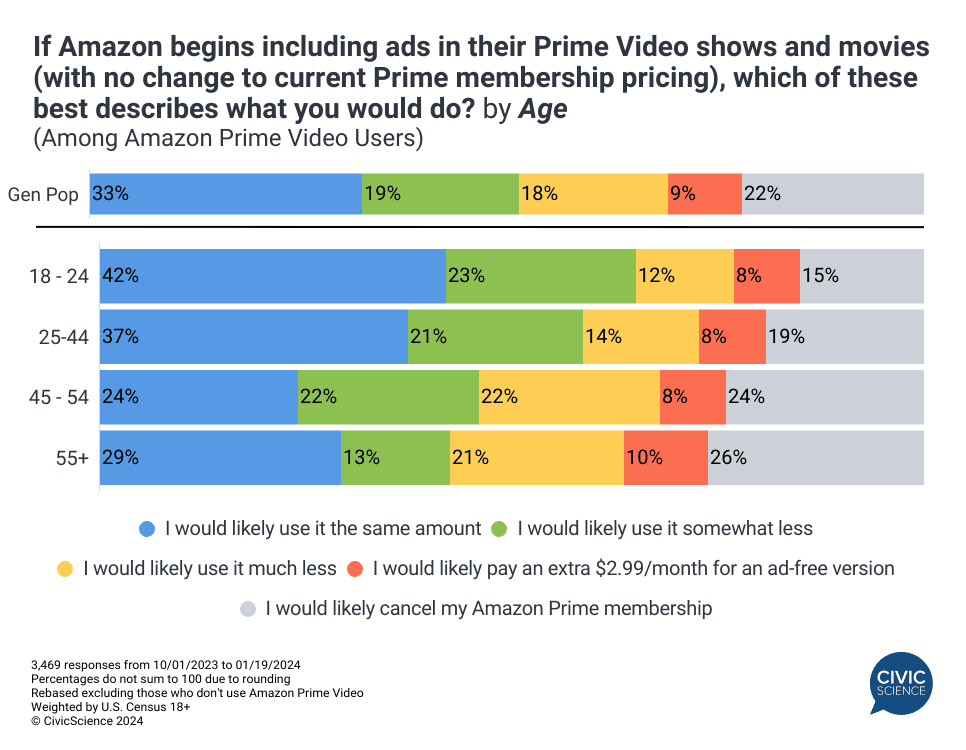
For the savvy financial planner, understanding the nuances of such a subscription is paramount. It moves beyond simply enjoying a service to intelligently managing personal finances, making informed purchasing decisions, and ensuring that every dollar spent aligns with one’s financial goals. This article will dissect the financial implications of Amazon Prime, specifically focusing on the costs associated with an ad-free experience, helping you determine if this premium tier represents a sound financial decision for your individual circumstances.
Understanding the Evolving Landscape of Amazon Prime Pricing
Amazon Prime has long been perceived as a comprehensive package, bundling an array of services under a single, attractive annual or monthly fee. Its initial appeal was largely rooted in its convenience and perceived all-inclusive nature. However, like many other streaming platforms and digital services, Prime Video, a core component of the Prime offering, has recently adapted its pricing structure to introduce an ad-supported tier as the default, positioning an ad-free experience as a premium add-on.
The Core Value Proposition of Amazon Prime
Before delving into the ad-free option, it’s essential to recall the foundational value proposition of Amazon Prime. A standard membership, traditionally, has offered an impressive suite of benefits:
-
Fast, Free Shipping: Perhaps the most iconic benefit, providing rapid delivery on millions of eligible items, often within one or two days, which significantly impacts budgeting for household essentials and impulse purchases by removing shipping costs.
-
Prime Video: Access to a vast library of movies, TV shows, and Amazon Originals, a primary draw for many subscribers.
-
Prime Music: A curated selection of ad-free songs and podcasts.
-
Prime Reading: Access to a rotating selection of ebooks, magazines, and comics.
-
Amazon Photos: Unlimited full-resolution photo storage.
-
Exclusive Deals & Discounts: Early access to Lightning Deals and special savings events like Prime Day.
-
And More: Twitch Prime, Amazon Fresh grocery delivery perks, and various other niche benefits.
For many, the cumulative value of these services has easily justified the annual fee, making it a staple in their household budget. However, the introduction of ads within Prime Video represented a significant shift in this established value perception.
Introduction of the Ad-Supported Tier for Prime Video
In a move mirroring industry trends set by competitors like Netflix and Disney+, Amazon began rolling out advertisements within Prime Video content in early 2024. This change positioned the standard Prime membership as now including an ad-supported version of Prime Video. While Amazon stated that the ad load would be significantly lighter than traditional broadcast television, the mere presence of ads in a service previously considered “premium” prompted a wave of questions and, for many, a re-evaluation of their subscription’s worth.
From a business finance perspective, this strategy allows Amazon to increase revenue streams through advertising while simultaneously incentivizing users to upgrade to a higher-margin ad-free tier. For consumers, it introduces a new variable into their entertainment budget planning.
The “Ad-Free” Option: A Premium Upsell
To maintain the uninterrupted viewing experience that many subscribers had grown accustomed to, Amazon introduced an “Ad-Free” option for Prime Video. This is presented not as a separate subscription but as an add-on to the existing Amazon Prime membership. This strategic positioning means that the cost of ad-free viewing is layered on top of your current Prime subscription fee, making it crucial to understand both components when calculating your total expenditure. It transforms a perceived all-inclusive benefit into a tiered service, requiring consumers to decide if the financial outlay for an ad-free experience aligns with their personal value assessment and budgetary constraints.
Deconstructing the Costs: What You Really Pay for Ad-Free Prime
Understanding the actual cost of an ad-free Amazon Prime experience requires a clear breakdown of the financial components. It’s not just about the extra monthly fee; it’s about understanding your total annual expenditure for the full suite of Prime benefits with an uninterrupted viewing experience.
Breakdown of Standard Amazon Prime Membership Fees
As of the latest available information, a standard Amazon Prime membership typically costs:
-
Monthly: Approximately $14.99 per month
-
Annually: Approximately $139 per year (offering a saving compared to the monthly option, roughly equivalent to getting two months free)
It’s important to note that these figures can vary slightly based on region, promotional offers, or specific membership types (e.g., student discounts, EBT/Medicaid discounts). These standard fees grant access to all Prime benefits, including Prime Video with ads. This is your baseline cost.
Calculating the Additional Cost for Ad-Free Viewing
The “Ad-Free” option for Prime Video is an additional charge on top of your standard Prime membership. This typically costs:
- Monthly Ad-Free Add-on: Approximately $2.99 per month
Therefore, to calculate the total monthly cost for Amazon Prime with ad-free viewing, you would add this $2.99 to your monthly Prime fee:
- Total Monthly with Ad-Free: $14.99 (Prime) + $2.99 (Ad-Free) = $17.98 per month
If you pay for Prime annually, the calculation is slightly different but still involves the monthly ad-free add-on. The ad-free option is charged monthly, even if your core Prime membership is annual. So, an annual Prime member wanting ad-free viewing would pay:
- Total Annual with Ad-Free: $139 (Annual Prime) + ($2.99 * 12 months) = $139 + $35.88 = $174.88 per year
This calculation is critical for budgeting. It represents the full financial commitment for uninterrupted viewing, alongside all other Prime benefits. For many, this incremental cost might seem minor, but when accumulated over a year and factored into a broader household budget, it becomes a significant line item, especially if you subscribe to multiple streaming services.

The Implicit Cost of Ad Exposure (Time and Influence)
Beyond the explicit financial cost, it’s insightful to consider the implicit cost of ad exposure. While not directly quantifiable in dollars and cents from your bank account, these costs impact your valuable time and potential spending habits.
-
Time Cost: Every minute spent watching an ad is a minute not spent watching your desired content or engaged in other activities. While ads might be short, they accumulate. If you value your leisure time highly, the interruption can be a significant detractor from your experience. For someone who watches several hours of Prime Video a week, these cumulative ad minutes could translate into hours per month.
-
Influence Cost: Advertisements are designed to influence consumer behavior, encouraging purchases of products and services. While not all ads will lead to an immediate purchase, their constant presence can subtly shape desires, create perceived needs, and ultimately lead to additional spending down the line. From a financial perspective, if avoiding ads helps you reduce exposure to consumerist messaging and stick to your budget, the ad-free option could have a subtle, positive long-term impact on your financial health. This “cost” is highly subjective but worth acknowledging in a holistic financial assessment.
Is Ad-Free Prime a Financially Sound Decision for You?
Deciding whether to pay for the ad-free Prime Video option is a personal financial choice that should be rooted in a thorough assessment of your viewing habits, budget, and overall financial priorities. It’s not a one-size-fits-all answer.
Assessing Your Viewing Habits and Sensitivity to Ads
The first step is to honestly evaluate how much you use Prime Video and how much ads truly bother you.
-
Frequency of Use: Do you watch Prime Video daily, weekly, or only occasionally? If you rarely use the service, paying an extra $36 a year for an ad-free experience might not be a wise investment. Conversely, if Prime Video is a primary source of entertainment, the extra cost could be well worth it for an uninterrupted experience.
-
Content Types: Are you watching movies, which tend to have fewer ad breaks, or TV series, which might have more frequent interruptions? The nature of your viewing can influence your tolerance.
-
Ad Sensitivity: Some individuals are highly sensitive to ads, finding them disruptive and irritating, leading to a diminished viewing experience. Others are more tolerant and can easily tune them out. If ads genuinely detract from your enjoyment and relaxation, then investing in the ad-free option could be a justifiable expense for your well-being. Consider the psychological cost of annoyance versus the financial cost of the upgrade.
Budgeting for Subscription Services: A Holistic View
When evaluating the ad-free Prime option, it’s crucial to consider it within the context of your entire subscription budget. Many households now juggle multiple streaming services (Netflix, Hulu, Disney+, Max, Spotify, etc.) alongside other digital subscriptions.
-
Total Monthly/Annual Spend: Calculate your total expenditure on all subscriptions. Does the additional $2.99 for ad-free Prime push this total beyond a comfortable threshold in your budget?
-
Prioritization: If budget is tight, where does ad-free Prime rank in your priorities? Would you rather pay for ad-free Prime Video or keep another subscription service that you use more frequently or value more highly? Perhaps cutting another less-used service could free up funds for the ad-free Prime without increasing your overall subscription budget.
-
Financial Tools: Utilize budgeting apps or spreadsheets to track and categorize your subscription spending. This visibility can help you identify redundancies or areas where you might be overspending. Tools like Mint, YNAB (You Need A Budget), or Simplifi can provide excellent insights into these recurring expenses.
Opportunity Cost: Where Else Could Your Money Go?
Every dollar spent on the ad-free Prime option represents a dollar that cannot be spent elsewhere. This concept, known as opportunity cost, is fundamental in personal finance.
-
Savings and Investments: Could the $36 per year (or ~$3 per month) be better allocated to an emergency fund, a retirement account, or a high-yield savings account? While seemingly small, consistent reallocation of such sums can compound significantly over time.
-
Debt Reduction: If you have high-interest debt (credit cards, personal loans), even a small amount directed towards principal reduction can save you more in interest over time than the cost of ad-free viewing.
-
Other Experiences: Could that money contribute to a different leisure activity, a meal out, a book, or a small charitable donation?
By framing the decision in terms of opportunity cost, you gain a clearer perspective on the true value you place on an ad-free viewing experience versus other financial goals or desires.
Maximizing Your Amazon Prime Value, With or Without Ads
Regardless of your decision regarding the ad-free option, there are strategies to ensure you’re getting the most financial value out of your Amazon Prime membership. A subscription is an ongoing expense, and smart financial management dictates maximizing benefits from all your expenditures.
Leveraging All Prime Benefits Beyond Video
Many Prime subscribers initially sign up for one or two key benefits (often shipping or video) and neglect the others. To truly maximize your investment, explore and utilize the full spectrum of Prime offerings:
-
Shipping: Are you consistently using the fast, free shipping for everyday items, thus saving on individual shipping fees from other retailers? This is often the most significant financial saving for active shoppers.
-
Music & Reading: Do you pay for separate music streaming or ebook subscriptions? Prime Music and Prime Reading might offer enough content to allow you to cancel other services, leading to significant savings.
-
Amazon Photos: If you pay for cloud storage for photos, consider if Amazon Photos meets your needs and allows you to cancel that separate subscription.
-
Prime Day & Exclusive Deals: Make a point to leverage Prime Day and other exclusive deals. However, approach these with a budget and a clear shopping list to avoid impulse purchases that negate any savings. Use these events to purchase items you genuinely need and have budgeted for.
-
Grocery Delivery: If available in your area and you use Amazon Fresh, utilize the free delivery perks to save on delivery fees.
By actively engaging with and using more Prime benefits, the overall per-benefit cost decreases, enhancing your financial return on the subscription.
Strategies for Cost-Saving on Subscriptions
Beyond Prime, consider broader strategies for managing all your subscription costs:
-
Audit Regularly: Schedule a quarterly or semi-annual review of all your subscriptions. Cancel anything you no longer use or value. Many financial experts recommend a “subscription cleanse” to eliminate forgotten or underutilized services.
-
Bundle Discounts: Some providers offer discounts if you bundle services (e.g., internet and streaming). While Prime is a standalone product, exploring these options for other services can save money.
-
Student/Senior/Low-Income Discounts: Always check if you qualify for any reduced-price Prime memberships or other streaming services. Amazon offers Prime Access for EBT/Medicaid recipients and Prime Student, both at significantly reduced rates.
-
Share Responsibly: If family sharing is permitted (and ethical), explore options to share certain accounts with trusted family members to split costs, where allowed by terms of service.
-
Rotate Subscriptions: Instead of subscribing to every service simultaneously, consider rotating them. For example, subscribe to Netflix for a few months, cancel, then subscribe to Disney+ for a few months. This “churn and burn” strategy can dramatically reduce your annual streaming expenditure.

Regular Financial Review of Your Digital Spending
Finally, integrate your digital spending, including streaming subscriptions, into your regular financial review process. Just as you track your mortgage or grocery expenses, monitor what you spend on entertainment.
-
Categorize Expenses: Ensure your banking or budgeting apps correctly categorize subscription payments so you have a clear picture of this spending category.
-
Set Limits: Establish a maximum monthly or annual budget for all entertainment subscriptions. If adding a new service or an ad-free option pushes you over this limit, it’s time to make a choice about what to cut.
-
Compare Value: Periodically compare the value you receive from each service against its cost. If you find yourself watching more content on a free, ad-supported service (e.g., Tubi, Pluto TV) than on a paid subscription, it might be time to reassess that paid service.
In conclusion, understanding “how much is Prime without ads” is more than just knowing an additional fee; it’s an exercise in personal finance. It prompts a critical evaluation of a pervasive digital service, encouraging consumers to assess the true cost of convenience, the value of an uninterrupted experience, and how these align with their broader financial goals and budget. By applying diligent financial principles, you can ensure your entertainment choices are not just enjoyable, but also fiscally responsible.
aViewFromTheCave is a participant in the Amazon Services LLC Associates Program, an affiliate advertising program designed to provide a means for sites to earn advertising fees by advertising and linking to Amazon.com. Amazon, the Amazon logo, AmazonSupply, and the AmazonSupply logo are trademarks of Amazon.com, Inc. or its affiliates. As an Amazon Associate we earn affiliate commissions from qualifying purchases.