
In an increasingly subscription-based economy, services like Amazon Prime have become ubiquitous, deeply embedding themselves into the daily routines of millions. While the allure of convenience and instant gratification is often highlighted, a more critical question for the financially astute consumer is: “What does Prime membership really get me in monetary terms?” This article aims to unpack Amazon Prime’s financial value proposition, scrutinizing its costs against its benefits to help you determine if it’s a prudent financial decision for your personal economy. Beyond the headline features, we’ll delve into how this membership impacts budgeting, spending habits, and overall financial optimization.

Decoding the Core Financial Benefits of Amazon Prime
At its heart, Amazon Prime is a comprehensive ecosystem designed to offer a multifaceted value proposition. From a purely financial standpoint, several key components stand out as direct or indirect savings opportunities that warrant closer examination.
The Undeniable Savings on Shipping Costs
For many, the most compelling financial argument for Prime membership lies in its expedited, often free, shipping. In an era where online shopping is a necessity rather than a luxury, the cost of shipping can quickly accumulate, eroding potential savings from competitive pricing. A standard two-day shipping fee for a non-Prime member can range from $5 to upwards of $15 per order, depending on the item and speed. If an individual places just one order per week, the annual shipping costs could easily exceed $260.
Prime’s offer of unlimited free two-day, one-day, and even same-day delivery on eligible items effectively eliminates these recurring expenses. For frequent shoppers, this represents a tangible, quantifiable saving that can quickly surpass the annual membership fee. The faster delivery also means less reliance on brick-and-mortar stores for last-minute needs, which can lead to more considered online purchases and potentially avoiding impulse buys driven by urgency in physical retail environments where prices might be higher. Furthermore, the convenience factor indirectly translates to financial value by saving time, which, as the adage goes, “time is money.” Less time spent calculating shipping costs or waiting for standard delivery means more time for income-generating activities or personal pursuits.
Exclusive Deals and Discount Access
Beyond the baseline shipping benefits, Prime membership unlocks a treasury of exclusive discounts and promotional events. The most prominent of these is “Prime Day,” an annual global shopping event offering substantial discounts across a vast range of products. For consumers with planned purchases or those looking to stock up on essentials, Prime Day can yield significant savings that contribute directly to the membership’s cost-effectiveness.
However, the financial benefits extend beyond this marquee event. Prime members frequently gain early access to Lightning Deals, receive exclusive coupons, and sometimes benefit from member-only pricing on select items. While not every deal will be relevant to every member, consistently leveraging these opportunities for items already on one’s shopping list can result in a cumulative discount that adds considerable value over the year. The key here is strategic shopping: discerning between genuine savings on desired products and succumbing to impulse purchases driven purely by a discount. A well-planned approach to utilizing these deals can make a real difference to a household budget.
Valuing Digital Entertainment: A Substitute for Other Subscriptions
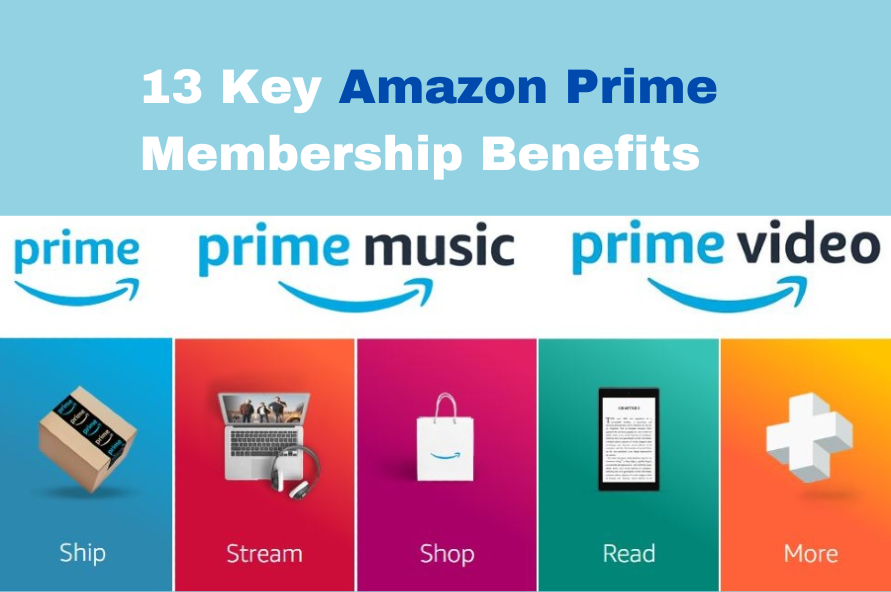
In an age saturated with streaming services, the entertainment components of Amazon Prime – Prime Video, Amazon Music Prime, and Prime Reading – present a significant, often underestimated, financial benefit. Individually, popular streaming services for video can cost anywhere from $7 to $15+ per month, music streaming subscriptions often hover around $10-$15 per month, and e-book/magazine subscriptions can add another $10-$20.
Prime Video, with its extensive library of movies, TV shows, and Amazon Originals, can serve as a viable alternative or supplement to other video streaming platforms, potentially allowing subscribers to cancel or reduce their reliance on separate services. Similarly, Amazon Music Prime, offering a vast catalog of songs and ad-free listening, might negate the need for a dedicated music streaming subscription for many users. Prime Reading provides access to a rotating selection of free e-books and magazines, saving money on individual purchases or separate e-reading subscriptions.
By bundling these services, Prime offers a compelling financial proposition. For a consumer who would otherwise subscribe to even one or two separate entertainment services, the value derived from Prime’s digital offerings alone could easily offset a substantial portion, if not the entirety, of the annual membership fee. This convergence of entertainment under one umbrella directly impacts a household’s monthly expenditure on leisure and media.
Integrating Prime into Smart Personal Finance and Budgeting
While the direct financial benefits are clear, Prime membership also plays a nuanced role in broader personal finance strategies and daily budgeting. Understanding this interplay is crucial for maximizing its value and avoiding potential pitfalls.
The Convenience Factor: Time Saved Equals Money Saved (Indirectly)
The speed and reliability of Prime’s shipping are more than just a perk; they’re a significant convenience that has a quantifiable, albeit indirect, financial value. Consider the time saved by not having to travel to physical stores, search for parking, or stand in lines. This reclaimed time can be reallocated to income-generating activities, further education, or even simply self-care that prevents burnout, which itself can lead to costly mistakes.
Furthermore, the ability to receive essential items quickly can prevent emergency purchases from more expensive local retailers when time is short. For instance, needing a specific household item immediately might force a non-Prime member to buy it at a higher price from a convenience store. Prime members, on the other hand, can often get it delivered within hours or a day at a competitive online price, effectively saving money by preventing financially disadvantageous last-minute decisions. This efficiency factor contributes to a more streamlined and cost-effective personal operation.
Preventing Impulse Buys vs. Streamlining Planned Purchases
Prime membership presents a double-edged sword when it comes to budgeting and spending habits. On one hand, the ease of ordering and rapid delivery can, for some, encourage impulse buying, leading to unnecessary expenditures that chip away at financial goals. The “one-click” purchasing option and the psychological comfort of “free” shipping might lower the perceived barrier to making a purchase.
However, when approached strategically, Prime can actually support planned, budget-friendly purchasing. For households that meticulously plan their grocery lists, household essentials, or gift purchases, Prime’s reliable delivery ensures these items arrive when needed, often at competitive prices that have been researched. This allows for a more controlled approach to spending, where items are bought based on need and value, rather than succumbing to the pressures of an immediate physical store visit or last-minute scarcity. The key is disciplined shopping behavior, using Prime as a tool for efficiency and savings, not an enabler for spontaneous indulgence.
The “Sunk Cost Fallacy” and Membership Utilization
A common psychological trap associated with subscriptions is the “sunk cost fallacy,” where individuals feel compelled to utilize a service more often than they otherwise would, simply because they’ve already paid for it. With Prime, this could manifest as buying items just to “make the most” of the free shipping or browsing Prime Video because “it’s already paid for,” even if there’s no genuine need or interest.
From a financial perspective, it’s crucial to resist this urge. The annual Prime fee is a fixed expense. The additional purchases made purely to justify that fee are new expenses that detract from, rather than add to, the membership’s value. Smart financial management dictates that one should only make purchases that align with their budget and needs, regardless of whether a subscription is in place. The true measure of Prime’s financial benefit is derived from the savings on purchases you would have made anyway and the value derived from services you genuinely use, not from forced utilization. Periodically assessing your genuine usage against the annual fee helps in making an objective financial decision.

Strategic Optimization: Maximizing Monetary Return on Your Prime Investment
To truly make Amazon Prime a financial asset rather than just another recurring bill, proactive optimization strategies are essential. There are several avenues through which members can amplify their return on investment.
Leveraging Household Sharing for Amplified Value
One of Prime’s most underrated financial benefits is the ability to share the membership. Amazon Household allows two adults and up to four children to share Prime benefits, including free shipping, Prime Video, and Prime Reading, all under a single paid membership. This effectively reduces the per-person cost of Prime’s extensive suite of features.
For families, housemates, or even close relatives living under the same roof, this represents a substantial saving. Instead of multiple individuals paying the annual fee, one membership can cater to several people, multiplying the collective savings on shipping, entertainment, and exclusive deals. If two adults share a membership, the effective annual cost per person is halved, making the break-even point for the membership much easier to reach and significantly boosting its financial appeal. This feature is a powerful tool for maximizing the economic efficiency of the subscription.
Prime Rewards Visa Card: Earning Cash Back on Your Purchases
For consumers who frequently shop on Amazon and are responsible credit card users, the Amazon Prime Rewards Visa Signature Card offers a direct and tangible financial incentive. This co-branded credit card typically provides 5% cash back on Amazon.com and Whole Foods Market purchases for Prime members, along with 2% back at restaurants, gas stations, and drugstores, and 1% on all other purchases.
This cash back accumulates as rewards points that can be redeemed for Amazon purchases or as statement credit, effectively reducing future spending. For a Prime member who spends a significant amount on Amazon throughout the year, the 5% cash back can quickly add up, directly offsetting a portion of the Prime membership fee or simply putting money back into their wallet. For example, spending $2,000 annually on Amazon would yield $100 in cash back, almost fully covering the typical annual Prime fee. This makes the Prime membership a vehicle for earning rewards on existing spending, enhancing its financial attractiveness.
Exploring Prime’s Ancillary Services for Financial Advantage
Beyond the headline features, Prime includes a range of ancillary services that, while perhaps not daily drivers, can offer significant financial advantages when utilized.
-
Whole Foods Market Discounts: Prime members receive exclusive discounts and 5% back on selected items when shopping at Whole Foods Market, providing direct savings on groceries, a major household expense.
-
Prime Pantry/Amazon Fresh: These services (where available) allow Prime members to order groceries and household staples, often at competitive prices, potentially reducing trips to multiple stores and saving on gas and time.
-
Amazon Photos: Unlimited full-resolution photo storage in the cloud, negating the need for separate cloud storage subscriptions (which can cost $5-$10 per month) for photo backups.
-
Early Access to Deals: Beyond Prime Day, members often get 30-minute early access to Lightning Deals, increasing their chances of snagging popular items at discounted prices before they sell out.
Each of these less-publicized benefits, when consciously utilized, adds layers to Prime’s financial value. By consolidating various household needs and services under one membership, Prime can contribute to a more optimized and cost-effective personal financial ecosystem.
Is Amazon Prime a Sound Financial Decision for Your Wallet?
Ultimately, the decision of whether Amazon Prime is a financially sound investment is highly individual, dependent on consumption patterns, financial discipline, and specific needs.
Calculating Your Personal Break-Even Point
To determine if Prime is truly worth it for your wallet, you must calculate your personal break-even point. This involves weighing the annual membership cost (currently around $139/year or $14.99/month) against the monetary value you derive from its benefits.
Consider these questions:
-
How much would you typically spend on shipping costs if you weren’t a Prime member? Estimate your average number of online orders per year and multiply by an average shipping fee.
-
How much do you save through Prime Day and other exclusive discounts on items you would have purchased anyway?
-
Do you utilize Prime Video, Music, or Reading? How much would you pay for comparable standalone streaming services?
-
Do you use the Prime Rewards Visa Card? How much cash back do you earn annually?
-
Do you take advantage of Whole Foods discounts or Amazon Photos? What are the potential savings there?
If the sum of your estimated savings and value derived (shipping savings + discount savings + entertainment savings + cash back + other benefits) comfortably exceeds the annual membership fee, then Prime is likely a financially beneficial subscription for you.
Alternatives to Prime: Comparing Costs and Benefits
It’s also prudent to consider alternatives. Many retailers offer free shipping above a certain purchase threshold, and some credit cards offer cash back on general online spending. Standalone streaming services might offer more specific content tailored to individual preferences, and public libraries provide free access to books, music, and movies.
For infrequent shoppers, consolidating orders to meet free shipping minimums on other sites might be more cost-effective than a Prime membership. For those primarily interested in digital entertainment, subscribing to one or two specialized streaming services might offer better value than Prime’s broader, but perhaps less deep, offerings in specific niches. A comparative analysis based on your actual usage patterns is vital.
When to Consider Cancelling or Reassessing Your Membership
Financial circumstances and consumption habits evolve. It’s wise to periodically reassess the value of all your subscriptions, including Amazon Prime. If your online shopping frequency decreases, if you find yourself not utilizing the digital entertainment options, or if alternative services offer better value for your needs, then it might be time to cancel or pause your Prime membership.
Before renewing, take a moment to review your Amazon order history and usage of Prime benefits. If your actual usage doesn’t justify the annual fee, don’t fall victim to the sunk cost fallacy. There’s no financial benefit in continuing a subscription that no longer serves your monetary interests.
In conclusion, Amazon Prime membership offers a potent mix of convenience and tangible financial benefits. For the right user – particularly frequent online shoppers, those who can leverage its digital entertainment offerings to replace other subscriptions, and those who strategically utilize its discounts and cash-back opportunities – Prime can indeed be a sound financial investment, effectively saving money and optimizing personal spending. However, like any financial decision, it demands a thoughtful, individualized assessment to ensure it truly aligns with your budgetary goals and provides genuine value for your hard-earned money.
aViewFromTheCave is a participant in the Amazon Services LLC Associates Program, an affiliate advertising program designed to provide a means for sites to earn advertising fees by advertising and linking to Amazon.com. Amazon, the Amazon logo, AmazonSupply, and the AmazonSupply logo are trademarks of Amazon.com, Inc. or its affiliates. As an Amazon Associate we earn affiliate commissions from qualifying purchases.