
In today’s digital economy, the word “Prime” has become synonymous with a suite of premium services, often bundled under a single subscription. For many, the immediate association is Amazon Prime, a colossal ecosystem offering everything from expedited shipping to exclusive streaming content. But beyond the convenience, the question “How much Prime?” delves deep into the realm of personal finance, prompting a critical evaluation of cost, value, and the true return on investment from such memberships. This article explores the financial implications of “Prime” memberships, offering insights into budgeting, optimizing benefits, and making informed decisions about these increasingly ubiquitous services.

The Anatomy of a “Prime” Membership Fee
At its core, a “Prime” membership represents a financial commitment. Whether it’s a monthly debit or an annual lump sum, understanding the direct and indirect costs is the first step toward a sound financial assessment.
Decoding Amazon Prime’s Price Tag
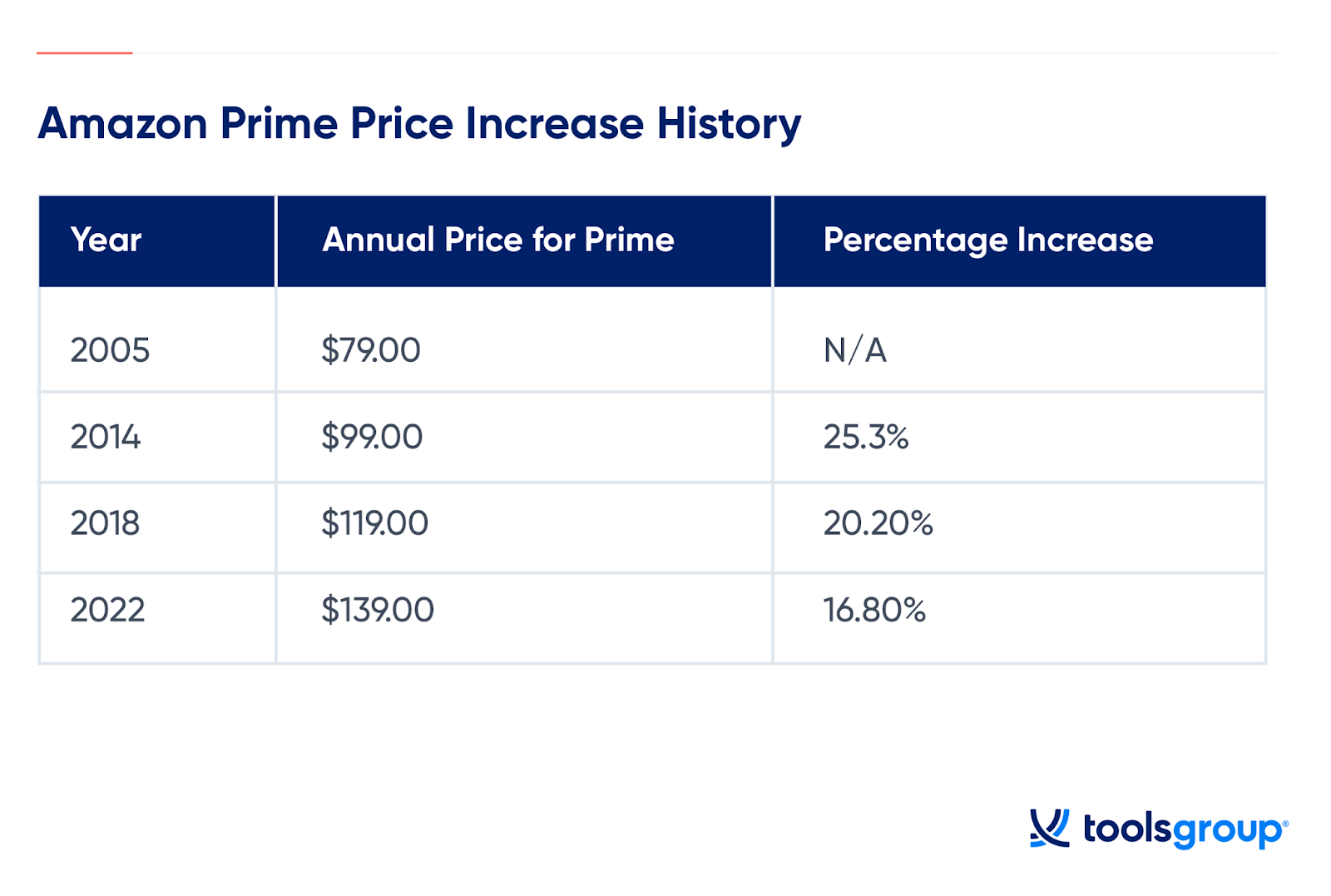
Amazon Prime stands as the quintessential example of a “Prime” service. Its stated cost—a recurring monthly or annual fee—is transparent. However, the true “price tag” extends beyond this headline figure. For instance, an annual subscription often presents a discount compared to cumulative monthly payments, making the annual option seemingly more financially prudent for consistent users. Yet, this assumes uninterrupted usage and a steady need for the services. Paying annually also ties up a larger sum of money at once, which could otherwise be earning interest or be allocated to more urgent financial needs.
Furthermore, tiered pricing or specialized plans exist. Student discounts, EBT/Medicaid recipient discounts, and even trials (often leading to full subscriptions) are part of the pricing strategy. These variations aim to broaden accessibility but also introduce complexity into the “how much” equation. A financially astute consumer must not only know the standard fee but also investigate any eligibility for reduced rates that could significantly alter their annual outlay.
Beyond the Monthly/Annual Fee: Hidden Costs and Considerations
The advertised subscription fee is only one layer of the financial onion. Several indirect or “hidden” costs can subtly influence the true expense of a Prime membership:
-
Opportunity Cost: The money spent on Prime could be invested elsewhere. Even a modest savings account interest rate means that funds are earning nothing while locked into a subscription. For individuals with high-interest debt, that money might be better used for debt reduction.
-
Encouraged Spending: The primary benefit of Amazon Prime—free, fast shipping—is designed to reduce friction in online purchasing. While convenient, this can inadvertently lead to increased impulse buying or a tendency to default to Amazon even when cheaper alternatives exist elsewhere (minus shipping). The psychological nudge to “make the most” of the shipping benefit can paradoxically encourage spending more money overall.
-
Digital Bloat and Unused Services: A Prime membership is a bundle. Many subscribers utilize only a fraction of the services offered (e.g., shipping and Prime Video, but rarely Prime Reading or Amazon Music). Paying for an entire suite of services, only some of which are used, constitutes a form of inefficiency, where portions of your subscription fee effectively go to waste.
-
Subscription Creep: Prime often acts as a gateway drug to other digital subscriptions. “Oh, since I have Prime Video, maybe I should also get Hulu and Disney+ to complete my streaming library.” This incremental layering of subscriptions can quickly inflate a household’s total digital entertainment budget, making Prime just one component of a larger, potentially unchecked expense.
Understanding these multifaceted costs is crucial for a complete financial assessment. It’s not just “how much is Prime,” but “how much does Prime influence my overall spending and financial behavior?”
Maximizing Your Return on Investment (ROI) from Prime
Once the costs are clear, the next financial step is to evaluate the benefits. A smart consumer aims to maximize their return on investment (ROI) from any financial outlay, and premium subscriptions are no exception.
Assessing the Tangible Financial Benefits
The most straightforward benefits of a Prime membership are those that offer direct financial savings or value:
-
Shipping Savings: For frequent online shoppers, the “free” two-day (or faster) shipping can accrue significant savings. Calculate how much you would normally pay for shipping without Prime and compare it to the subscription fee. If you’re consistently placing orders that would incur shipping charges, this benefit can quickly outweigh the annual cost.
-
Exclusive Deals and Discounts: Prime members often gain early access to lightning deals or receive exclusive discounts on certain products. Over the course of a year, diligent shoppers who take advantage of these offers can realize real savings, especially during major sales events like Prime Day.
-
Digital Content Value: Prime Video, Amazon Music Prime, Prime Reading, and Twitch Prime (now Prime Gaming) offer substantial entertainment value. To quantify this, compare the cost of standalone subscriptions to similar services (e.g., Netflix, Spotify Premium, Kindle Unlimited) to the portion of your Prime fee that theoretically covers these benefits. If you’d pay for these services anyway, Prime’s bundled approach can represent a considerable saving.
-
Other Prime-Exclusive Services: Benefits like unlimited photo storage (Amazon Photos) or prescription savings (Amazon Pharmacy) also offer tangible value. For those who need these services, they contribute directly to the financial justification of the membership.
Leveraging Prime’s Intangible Value in Your Budget
Beyond direct monetary savings, Prime offers intangible benefits that, while harder to quantify in dollars and cents, contribute to perceived value and can subtly impact your financial well-being:
-
Convenience and Time Savings: The ability to order essentials with rapid delivery saves trips to physical stores, conserving gas money, vehicle wear and tear, and precious time. While not a direct cash saving, the value of time often has a financial equivalent, especially for busy individuals or families.
-
Reduced Decision Fatigue: Having a default option for online shopping and entertainment can reduce the mental load of choosing between various retailers or streaming platforms. This psychological benefit, while not directly monetary, can contribute to overall life satisfaction and potentially free up mental energy for other financial planning tasks.
-
Access and Exclusivity: Being part of the “Prime” club often means access to services or products before others, or an enhanced user experience. This sense of exclusivity, while not a financial saving, can contribute to customer loyalty and perceived value.
Strategies for Prime Membership Optimization
To truly get your money’s worth, active optimization is key:

-
Annual Review: Set a reminder to review your Prime usage and its financial impact annually, ideally before your renewal date.
-
Utilize All Benefits: Actively explore and use the various services included. Don’t pay for Prime Reading if you never read an e-book, but if it’s there, try it out!
-
Share Benefits (Where Allowed): Amazon Household allows two adults and up to four children to share many Prime benefits, effectively reducing the per-person cost.
-
Track Spending: Monitor your Amazon purchases. Are you buying more because of Prime, or genuinely saving money on items you would have purchased anyway?
Is “Prime” Truly Worth the Money? A Personal Finance Perspective
The ultimate question is whether the benefits—tangible and intangible—outweigh the costs for your specific financial situation and lifestyle. There’s no universal answer; it’s deeply personal.
The Cost-Benefit Analysis Framework
A robust financial decision hinges on a clear cost-benefit analysis:
-
Calculate Total Annual Cost: This includes the membership fee plus any estimated indirect costs like increased spending due to convenience.
-
Estimate Total Annual Savings/Value: Quantify all the benefits. How much would you have spent on shipping? How much would equivalent streaming services cost? What’s the dollar value you assign to time saved?
-
Compare: If estimated savings and value significantly exceed the total cost, Prime is likely a good financial deal. If they’re roughly equal or less, it’s time to reconsider.
Be honest in your estimation. Don’t overvalue benefits you rarely use, and don’t underestimate the impact of increased spending.
When to Commit, When to Reconsider
-
Commit when: You frequently order items online, consistently use Prime Video and other digital services, take advantage of exclusive deals, and find the convenience invaluable for your lifestyle. The financial math clearly shows savings that exceed the subscription cost.
-
Reconsider when: You rarely shop on Amazon, prefer other streaming services, don’t utilize most of the bundled benefits, or are struggling with discretionary spending. If your cost-benefit analysis is weak or negative, or if the membership encourages impulsive spending that harms your budget, it might be time to cut back.
Remember, a free trial is a great way to genuinely assess usage before committing. Set a reminder to cancel if it’s not a fit.
Alternatives and Competitors: Weighing Your Options
The “Prime” model has inspired many competitors and alternatives:
-
Other Retailer Memberships: Many stores offer loyalty programs or paid memberships for shipping benefits (e.g., Walmart+). Compare these directly if your shopping habits lean towards a different retailer.
-
Standalone Services: If you only care about streaming, dedicated subscriptions like Netflix, Hulu, or Disney+ might be more cost-effective. If it’s just music, Spotify or Apple Music. Unbundling can save money if you’re a niche user.
-
Smart Shopping Habits: Without Prime, you might aggregate purchases to meet free shipping minimums, use store pickup, or simply shop less impulsively. These habits, though less convenient, are often financially healthier.
Integrating Prime Subscriptions into Your Financial Plan
Successfully managing premium subscriptions requires their conscious integration into your broader financial strategy.
Budgeting for Premium Services
Treat Prime and similar subscriptions as a fixed expense in your monthly or annual budget. Allocate a specific line item for “Digital Subscriptions” or “Entertainment.” This ensures that the cost is accounted for and doesn’t become a surprise drain on your finances. If the total for all subscriptions becomes too high, it’s a clear signal to evaluate which ones are truly indispensable. Tools like budgeting apps or spreadsheets can help you track these recurring payments and spot subscription creep.
The Psychology of Subscription Spending
The subscription model thrives on convenience and the illusion of low cost. A small monthly fee seems negligible until you aggregate several such fees. Be aware of the “set it and forget it” mentality. Companies rely on inertia for renewals. Make it a point to regularly review all your subscriptions, even the seemingly small ones, to ensure they still align with your financial goals and usage patterns. Conscious consumption, even of digital services, is a cornerstone of sound personal finance.
Future-Proofing Your Subscription Portfolio
The landscape of premium services is constantly evolving. New platforms emerge, prices change, and your needs shift. Regularly assessing your “Prime” memberships and other subscriptions (at least once a year, or whenever major life changes occur) ensures your money is always going towards services that genuinely add value to your life and align with your financial situation. This proactive approach allows you to adapt to new offerings, cut unnecessary expenses, and maintain control over your digital spending.
Ultimately, “how much Prime” isn’t just about a dollar amount; it’s about understanding the complex interplay of cost, value, convenience, and personal financial discipline. By taking a methodical, analytical approach, you can ensure that your premium subscriptions are an asset, not a liability, in your financial journey.
aViewFromTheCave is a participant in the Amazon Services LLC Associates Program, an affiliate advertising program designed to provide a means for sites to earn advertising fees by advertising and linking to Amazon.com. Amazon, the Amazon logo, AmazonSupply, and the AmazonSupply logo are trademarks of Amazon.com, Inc. or its affiliates. As an Amazon Associate we earn affiliate commissions from qualifying purchases.