
In the digital age, an “account” is often perceived as a mere gateway to a service. However, when we speak of an Amazon account, the question “how much is it?” delves far deeper than a simple price tag. It encompasses a spectrum of financial considerations, from direct costs and subscription fees to the immense potential for online income, business growth, and the often-overlooked value of convenience and access. Understanding the true financial footprint of an Amazon account requires a comprehensive look at its various facets, both for the individual consumer and the astute entrepreneur.
Amazon, a behemoth in e-commerce and cloud computing, has woven itself into the financial fabric of millions worldwide. Its ecosystem offers a diverse range of opportunities and expenditures, making the concept of an “Amazon account” a multifaceted financial entity. This article will dissect these financial layers, providing an insightful perspective on what your Amazon account truly costs, and more importantly, what financial value it can generate.
The Baseline: Understanding the Cost of Amazon Accounts for Consumers
For most individuals, their primary interaction with Amazon begins with a personal shopping account. While the basic account appears free, a deeper dive reveals various monetary investments that unlock its full potential and add significant financial value.
The “Free” Standard Account: More Than Meets the Eye
At its core, signing up for an Amazon account to browse products and make purchases comes at no direct monetary cost. This accessibility is a cornerstone of Amazon’s widespread adoption. However, even this “free” account comes with implicit financial decisions. Users must provide payment information, linking their personal finances directly to the platform. While this is standard for online shopping, the ease of one-click ordering and personalized recommendations can subtly influence spending habits, becoming a hidden cost for those who struggle with budgeting. The absence of an explicit fee does not negate the financial implications of the purchasing power it grants. Furthermore, standard shipping fees for non-Prime members, or the necessity to meet minimum order thresholds for free shipping, represent direct costs that prompt many to consider an upgrade.
Amazon Prime: The Premium Investment and Its ROI
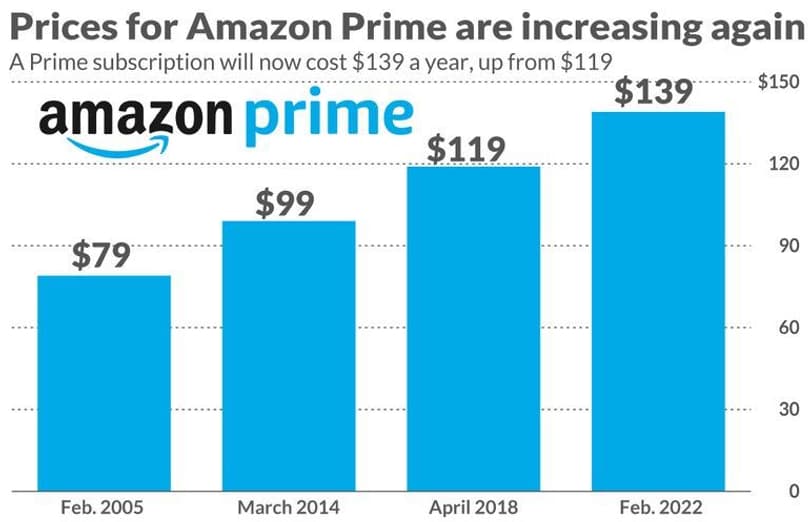
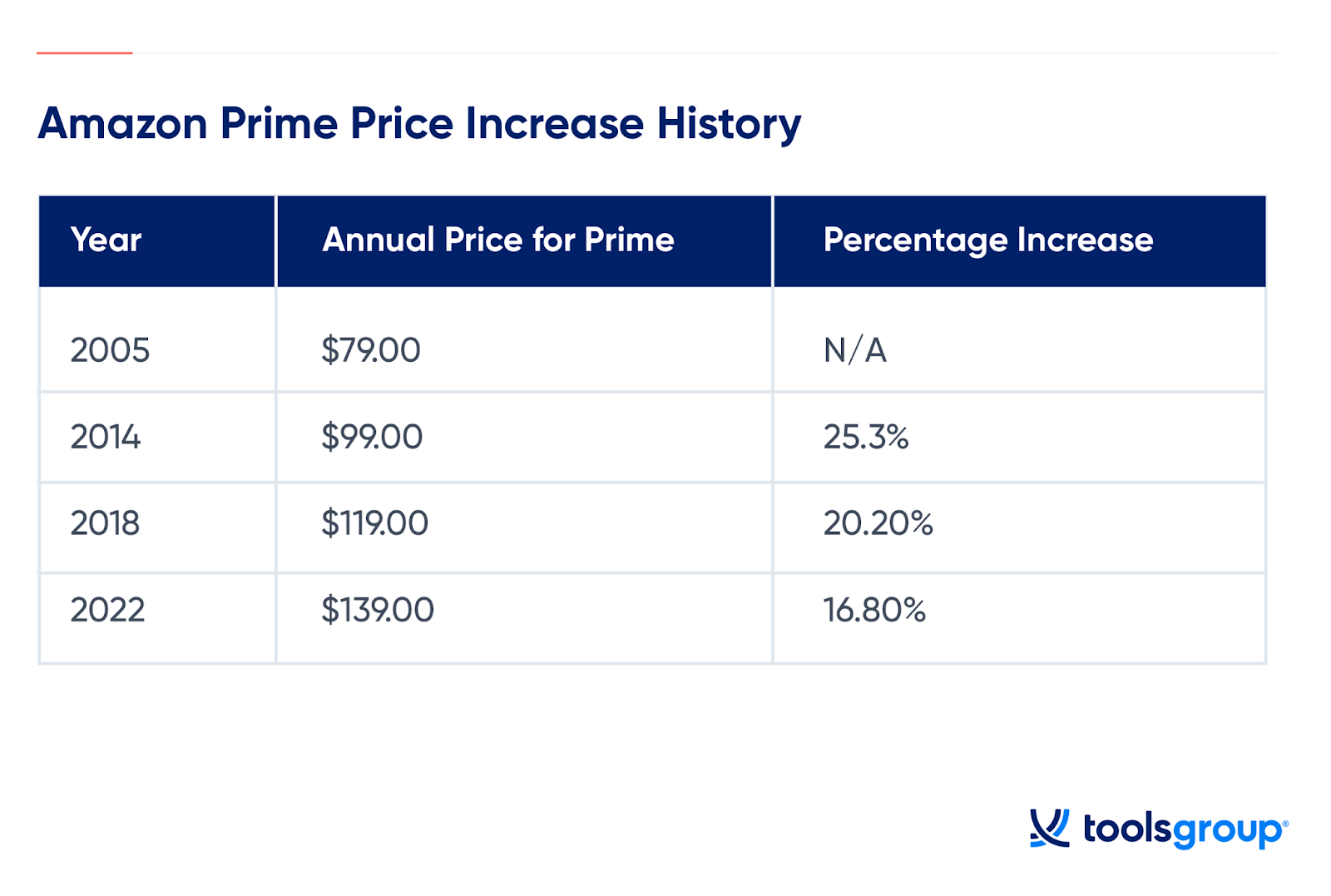
Amazon Prime is perhaps the most prominent financial consideration for individual Amazon users. For a recurring fee—be it monthly or annually—Prime unlocks a suite of benefits designed to enhance the shopping experience and expand entertainment options. The core financial draw of Prime is undoubtedly its expedited, free shipping on millions of items. For frequent shoppers, the savings on shipping fees can quickly outweigh the subscription cost, especially when factoring in the convenience of rapid delivery.
Beyond shipping, Prime’s value proposition extends into digital entertainment and exclusive deals. Prime Video offers a vast library of streaming content, potentially offsetting costs for other entertainment subscriptions. Prime Music, Prime Reading, and Twitch Prime add further layers of value for specific user segments. Exclusive early access to Lightning Deals during events like Prime Day also presents opportunities for significant savings, provided one shops strategically. The return on investment (ROI) for Prime is highly individual; it hinges on usage patterns across its diverse offerings. For some, it’s a justifiable expense that delivers tangible savings and entertainment value; for others, it might be an underutilized luxury. Analyzing one’s own Amazon activity is crucial to determining if Prime truly provides financial benefit.
Ancillary Subscriptions: Layered Costs and Niche Benefits
Beyond the overarching Prime membership, Amazon offers a variety of specialized subscriptions that cater to specific interests, adding further layers to the financial cost of fully leveraging the Amazon ecosystem. These include:
-
Audible: A monthly subscription for audiobooks, offering credits for new titles and access to a curated selection. For avid listeners, this can be a more cost-effective way to consume audio content than individual purchases.
-
Kindle Unlimited: Provides unlimited access to a vast library of ebooks and magazines for a monthly fee. This is a significant financial draw for voracious readers, potentially saving hundreds on individual book purchases.
-
Amazon Music Unlimited: An expanded music streaming service beyond what Prime Music offers, competing directly with Spotify and Apple Music. Its value is determined by individual preferences for music selection and ad-free listening.
-
Amazon Kids+ (formerly FreeTime Unlimited): A subscription service offering thousands of kid-friendly books, movies, TV shows, educational apps, and games. For families, this can be a valuable educational and entertainment resource, consolidating costs for various children’s content.
Each of these represents an additional financial outlay, turning a “free” Amazon account into a robust, personalized entertainment and service hub with cumulative monthly or annual costs. The decision to subscribe to these services should be based on a clear assessment of their utility and whether the benefits truly outweigh the ongoing financial commitment.
Beyond Personal Use: The Monetary Value of an Amazon Account for Businesses and Entrepreneurs
While consumers evaluate the cost versus convenience, an Amazon account transforms into a powerful income-generating engine for businesses and entrepreneurs. Here, “how much is it?” shifts from cost to potential earnings and the strategic investment required to unlock them.
Amazon Seller Accounts: Navigating Fees and Profit Potential
For businesses, an Amazon Seller Account is a direct pathway to reaching millions of customers worldwide. However, this access comes with a clear financial structure of fees and potential profit. There are typically two main selling plans:
-
Individual Selling Plan: Suitable for those selling fewer than 40 items a month, with no monthly subscription fee. Instead, sellers pay a $0.99 per-item fee plus referral fees.
-
Professional Selling Plan: Designed for sellers exceeding 40 items a month, this plan carries a monthly subscription fee (currently $39.99) but waives the per-item fee. Referral fees still apply.
Beyond the subscription or per-item fees, the primary financial considerations for sellers include:
-
Referral Fees: A percentage of the selling price (typically 8% to 15%, but varies by category) that Amazon collects for each sale. This is a significant operational cost that must be factored into product pricing.
-
Fulfillment by Amazon (FBA) Fees: For sellers opting to use Amazon’s vast fulfillment network (storage, picking, packing, shipping, customer service), FBA fees cover these services. These fees are based on product size and weight and storage duration. While adding to costs, FBA can significantly reduce a seller’s logistical burden and unlock Prime eligibility for their products, potentially increasing sales velocity.
-
Advertising Costs: To stand out in a crowded marketplace, many sellers invest in Amazon Ads (Sponsored Products, Sponsored Brands, Sponsored Display). These are pay-per-click models, and effective ad management is crucial to generating a positive ROI.
-
Inventory Costs and Shipping to Amazon: The capital tied up in inventory and the cost of shipping products to Amazon’s fulfillment centers are also substantial financial considerations.
Ultimately, the monetary value of an Amazon Seller account is determined by a business’s ability to manage these costs effectively, price competitively, and drive sales, turning a significant investment into a profitable enterprise. It represents a direct path to online income and business growth, often becoming a primary revenue stream.
The Affiliate Advantage: Earning Through Amazon Associates
For content creators, bloggers, and influencers, an Amazon Associates account offers a passive income stream by leveraging their audience. Becoming an Amazon Associate is free, with no direct monetary cost. The financial value here lies entirely in the potential for earning referral fees (commissions) by directing traffic from their platforms to Amazon. When a user clicks on an Associate’s unique link and makes a qualifying purchase on Amazon, the Associate earns a percentage of that sale.
The commission rates vary significantly by product category, ranging from 1% to 10% or more. The financial success of an Associates account is directly proportional to the traffic, trust, and influence an affiliate can generate. It’s a strategic investment of time and content creation, rather than direct money, to build an audience that will convert into sales on Amazon. For many, it’s a lucrative side hustle or even a primary income source, transforming an audience into a monetizable asset through the Amazon ecosystem.
Content Creation and Royalties: KDP, Merch, and ACX
Amazon also provides platforms for creators to directly monetize their artistic and intellectual property, transforming their creativity into tangible income.
-
Kindle Direct Publishing (KDP): Authors can self-publish ebooks and print-on-demand paperbacks for free. The financial value comes from royalties earned on each sale, typically 35% or 70% of the list price for ebooks, depending on pricing and territory, and a set royalty for paperbacks minus printing costs. KDP offers a direct path for writers to generate income without traditional publishing barriers, making their Amazon account a literary storefront.
-
Merch by Amazon: Designers and artists can upload their designs, and Amazon handles the printing, selling, and shipping of merchandise (T-shirts, hoodies, phone cases, etc.). This is also free to join and operate, with the financial value derived from royalties on each sale. It’s a low-risk way for creators to monetize their designs without managing inventory or fulfillment.
-
Audible Creation Exchange (ACX): Authors and narrators can collaborate to produce audiobooks for Audible. Authors can receive royalties on sales, or narrators can be paid per finished hour or share royalties with the author. This platform adds another layer for creators to turn their work into a financial asset through the Amazon ecosystem.
These platforms demonstrate how an Amazon account can be a launchpad for creative entrepreneurship, directly generating royalties and income streams based on intellectual property and artistic output. The “cost” is primarily in the time and effort invested in creation, with the financial return being potentially significant.
Assessing the Intangible Financial Worth: Convenience, Security, and Brand Equity
Beyond explicit costs and direct income, an Amazon account carries significant intangible financial worth derived from convenience, security, and the leveraging of Amazon’s powerful brand. These elements contribute to overall financial well-being and opportunity.
Time Savings and Opportunity Costs: The Convenience Factor
The convenience offered by an Amazon account—easy shopping, fast delivery, centralized order history, and customer service—translates into valuable time savings. In a financially driven world, time is often money. By simplifying purchasing processes and reducing the need to visit physical stores, Amazon allows individuals and businesses to reallocate their time to more productive or personally enriching activities. This saved time represents an opportunity cost benefit, where the financial value is realized through what one can do with the extra time. For businesses, this efficiency can directly reduce operational costs and improve productivity.
Digital Security and Financial Protection: Mitigating Risks
While no online platform is entirely immune to threats, Amazon invests heavily in digital security measures to protect customer data and financial information. Multi-factor authentication, secure payment processing, and robust fraud detection systems are in place to safeguard accounts. The peace of mind and reduced risk of financial fraud that come with a generally secure platform have an inherent, albeit indirect, financial value. Protecting sensitive financial details and transaction history helps prevent costly breaches and identity theft, saving users from potential financial loss and distress. For businesses, Amazon’s established security infrastructure alleviates the need to build and maintain their own, representing a significant financial saving.
Leveraging the Amazon Ecosystem for Financial Growth
The sheer scale and brand recognition of Amazon provide an invaluable foundation for anyone operating within its ecosystem. For sellers, being on Amazon instantly grants credibility and access to a massive, trust-imbued customer base that would be astronomically expensive to build independently. For affiliates and creators, Amazon’s brand acts as a powerful conversion engine; users are often more willing to purchase through an Amazon link due to their existing trust in the platform. This leveraging of Amazon’s brand equity for financial growth is an intangible asset that dramatically reduces marketing costs and accelerates market entry for businesses and entrepreneurs.
Strategic Financial Management of Your Amazon Engagement
Understanding the financial landscape of an Amazon account isn’t just about tallying costs and potential earnings; it’s about strategic management to maximize its financial benefits and minimize unnecessary expenditures.
Budgeting and Tracking Amazon Expenditures
For consumers, effective financial management begins with conscious budgeting. Regularly reviewing Amazon order history, subscription renewals, and linked payment methods can provide a clear picture of spending patterns. Utilizing budgeting tools or spreadsheets to allocate funds specifically for Amazon purchases and subscriptions ensures that the convenience doesn’t lead to financial overextension. Canceling underutilized subscriptions (Prime, Audible, Kindle Unlimited) can free up significant recurring capital. The perceived “free” nature of a basic account often masks the cumulative effect of small, frequent purchases.
Maximizing Returns: Optimizing Seller Performance and Affiliate Strategies
For entrepreneurs, financial success hinges on continuous optimization. Sellers must diligently analyze sales data, manage inventory efficiently, optimize ad campaigns for ROI, and constantly evaluate product pricing and profitability. Understanding Amazon’s fee structures is paramount to ensuring healthy margins. Affiliates, similarly, should focus on creating high-quality, relevant content that genuinely adds value, improving conversion rates. Diversifying affiliate links and understanding category commission rates can also enhance earnings. Regular performance reviews and adapting to Amazon’s ever-evolving algorithms are critical for sustained financial growth.

The Long-Term Financial Outlook: Building Assets on Amazon
For many, their Amazon account is more than just a place to shop or sell; it’s a platform for building long-term financial assets. A successful Amazon FBA business, with established product listings, positive reviews, and a proven sales history, can be a highly valuable asset, potentially sold for multiples of its annual profit. KDP authors build a catalog of intellectual property that can generate royalties for years. The financial value of an Amazon account, therefore, extends beyond immediate transactions to encompass the potential for creating enduring wealth and scalable businesses.
In conclusion, “how much is an Amazon account” is a question with a profoundly complex financial answer. It ranges from the explicit costs of Prime and ancillary subscriptions to the implicit costs of purchasing habits, and crucially, to the immense financial potential for income generation, business growth, and asset building. Whether you’re a consumer seeking convenience or an entrepreneur forging a digital empire, a deep understanding of these financial dynamics is essential for strategically navigating the Amazon ecosystem and unlocking its true monetary value.
aViewFromTheCave is a participant in the Amazon Services LLC Associates Program, an affiliate advertising program designed to provide a means for sites to earn advertising fees by advertising and linking to Amazon.com. Amazon, the Amazon logo, AmazonSupply, and the AmazonSupply logo are trademarks of Amazon.com, Inc. or its affiliates. As an Amazon Associate we earn affiliate commissions from qualifying purchases.