
In an increasingly digital world, a question as seemingly simple as “where is the closest PNC?” reveals a nuanced truth about how we manage our money. It’s more than a geographical query; it’s a reflection of our enduring need for accessible financial services, whether that means a physical location for a specific transaction or the peace of mind that a trusted institution is within reach. For individuals and businesses alike, the proximity and availability of a financial institution like PNC Bank remain a crucial component of effective personal finance management and robust business operations. This article delves into why this query persists, exploring the intricate relationship between physical bank branches, digital banking tools, and the overarching landscape of personal and business finance.

The Evolving Landscape of Banking Access
The way we interact with our money has undergone a seismic shift over the past two decades. The internet and mobile technology have ushered in an era of unprecedented convenience, allowing us to perform countless financial tasks from the comfort of our homes or the palm of our hands. Yet, despite this digital revolution, the question of a bank’s physical presence remains remarkably relevant, underscoring a complex interplay between technology, trust, and the fundamental human need for tangible support in financial matters.
The Enduring Role of Physical Branches
While headlines often tout the “death of the bank branch,” the reality is far more complex. For many, a brick-and-mortar location is not merely a place to deposit a check; it’s a vital financial tool. Physical branches serve as hubs for complex transactions that digital channels can’t fully support, such as withdrawing large sums of cash, making specific business deposits, or securing notary services. More importantly, they offer a space for in-depth conversations with financial advisors regarding mortgages, business loans, wealth management, or estate planning. This face-to-face interaction fosters trust and allows for personalized advice that algorithms and chatbots, while increasingly sophisticated, cannot yet fully replicate. For some, particularly older generations or those less comfortable with technology, the physical branch remains the primary and most reassuring point of contact for all their banking needs.
Digital Transformation and Convenience
The rise of online banking platforms and mobile applications has undeniably transformed daily financial management. Tasks such as checking balances, transferring funds, paying bills, and even depositing checks (via mobile deposit) have become instantaneous and accessible 24/7. This digital convenience has become an expectation, freeing up valuable time and reducing the need for frequent trips to a physical branch for routine transactions. Banks like PNC have invested heavily in these digital tools, offering robust apps and intuitive online portals designed to empower customers with greater control over their finances. This transformation is not just about convenience; it’s about efficiency, enabling quicker financial decisions and more proactive money management for individuals and businesses striving to optimize their cash flow and financial health.
Hybrid Models: The Best of Both Worlds
The most successful financial institutions today are those that have mastered the art of integration, offering a seamless experience that leverages the strengths of both digital and physical channels. This “hybrid model” acknowledges that while digital tools excel at routine transactions and immediate access, physical branches provide essential support for complex needs, problem-solving, and relationship building. For a bank like PNC, this means maintaining a robust branch network strategically located to serve diverse communities and business districts, while simultaneously pushing the boundaries of digital innovation. Customers can initiate a loan application online and then visit a branch to discuss specific terms with a financial expert, or manage their daily spending via an app while knowing they have a physical location to turn to for unexpected issues or specialized services. This blended approach ensures that customers have choices and can tailor their banking experience to their specific financial requirements and personal preferences.
Navigating Your Financial Ecosystem: Finding Your PNC
The query “where is the closest PNC?” is often the first step in engaging with this hybrid banking model. It signifies a need to locate a specific point of access within a broader financial ecosystem. Understanding how to efficiently find and utilize these physical touchpoints is crucial for optimizing one’s financial operations, whether personal or business-related.
Leveraging Digital Tools for Branch Location
Ironically, the best way to find a physical branch often involves digital tools. PNC, like most modern banks, provides several avenues for locating their nearest branches:
-
PNC Mobile App: The official PNC Bank mobile application is typically the most direct and convenient way. Most banking apps feature a “Locations” or “Find Us” function that uses your device’s GPS to pinpoint the closest branch and ATMs, often providing real-time directions, hours of operation, and specific services available.
-
PNC Website Branch Locator: The bank’s official website usually has a comprehensive “Branch & ATM Locator” tool. Users can enter their address or zip code to find nearby locations, filter by services (e.g., drive-thru, safe deposit boxes, investment services), and get detailed information.
-
Third-Party Mapping Services: Popular mapping applications like Google Maps, Apple Maps, or Waze are excellent for finding any local business, including bank branches. A simple search for “PNC Bank” will typically yield nearby locations, complete with reviews, hours, and directions. These services are particularly useful if you’re in an unfamiliar area.
For business owners managing multiple locations or employees, having a clear protocol for locating bank branches can streamline cash deposits or other operational tasks, ensuring timely and secure handling of funds.
Beyond Just Directions: Checking Branch Services and Hours
Finding the closest branch is only half the battle; knowing if that branch can meet your specific needs is equally important. Not all bank branches offer the same suite of services. A smaller branch might only handle basic transactions, while a larger financial center could house specialized advisors for mortgages, wealth management, or small business lending. Before making a trip, it’s wise to:
-
Verify Hours of Operation: Bank hours can vary significantly, especially on weekends or holidays. Confirming these in advance saves a wasted trip.
-
Check Available Services: If you need something specific—like a notary, a safe deposit box, a drive-thru, or access to a specific type of financial advisor—ensure the chosen branch offers that service. This information is usually available on the bank’s website or app.
-
ATM Access: Many branches offer 24/7 ATM access, which can be crucial for cash withdrawals or deposits outside of banking hours, supporting continuous financial operations.
This due diligence is a critical component of effective personal and business finance, preventing delays and ensuring that your time is used efficiently when conducting banking tasks.
The Strategic Placement of Branches
Banks don’t randomly open branches; their locations are a result of meticulous strategic planning. This strategy is deeply intertwined with their broader financial goals and commitment to serving specific customer segments. PNC’s branch network, for instance, reflects a conscious effort to:
-
Serve Densely Populated Areas: Placing branches in urban centers and busy suburban hubs maximizes accessibility for a large number of retail customers.
-
Support Business Districts: Branches near commercial zones are vital for small to medium-sized businesses that rely on convenient access for deposits, cash management, and business banking services.
-
Expand Market Reach: Strategic branch openings can signal a bank’s expansion into new geographical markets, attracting new customers and deepening their presence in existing ones.
-
Community Engagement: A local branch often becomes a pillar of its community, providing not just financial services but also employment and local engagement, reinforcing the bank’s brand and fostering trust.
Understanding this strategic placement helps customers appreciate the underlying commitment to financial accessibility that drives a bank’s physical footprint, reinforcing its role as a key player in the financial health of the regions it serves.
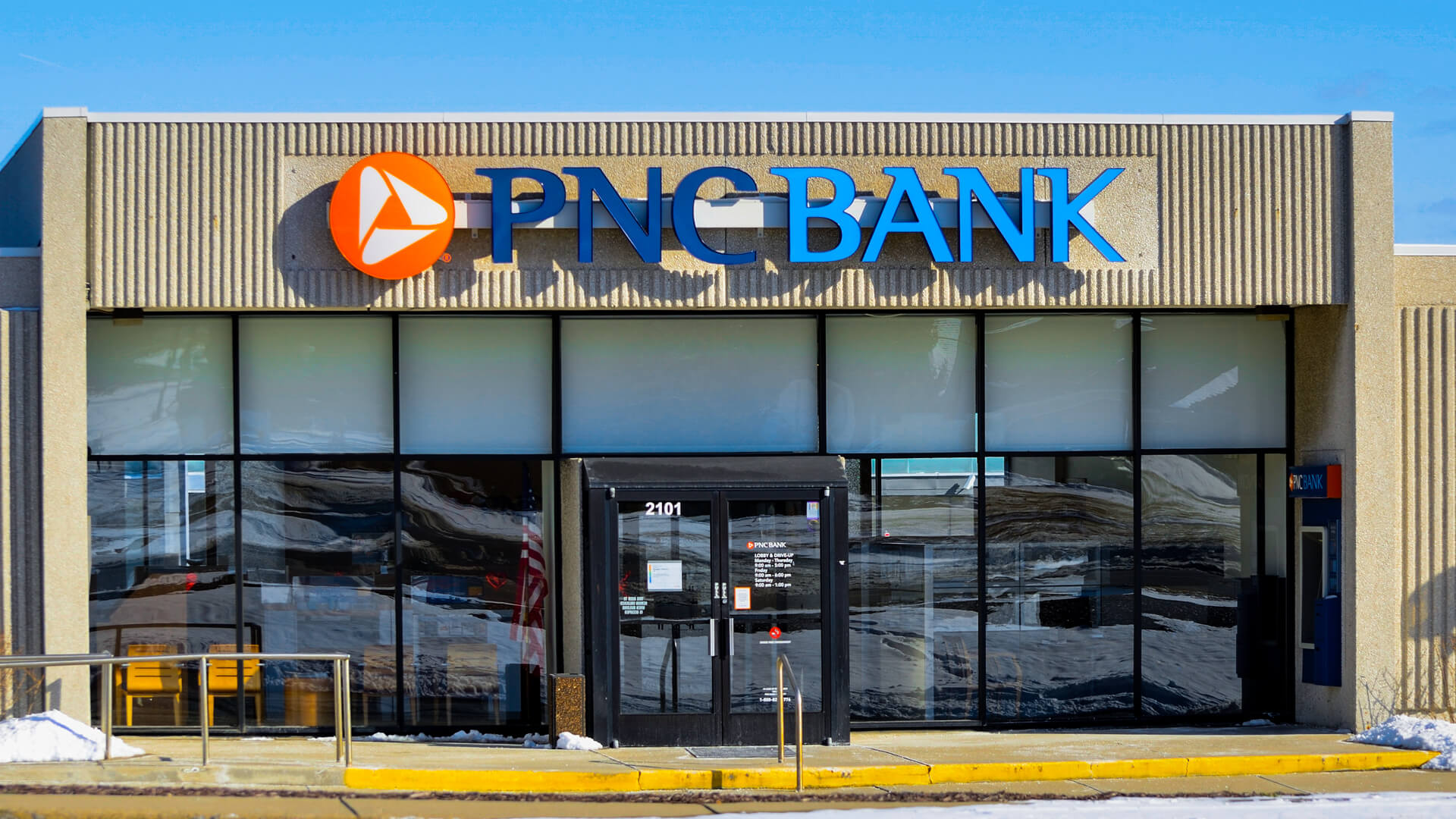
Why a Physical PNC Branch Might Be Your Go-To Financial Tool
While digital banking excels at speed and convenience for routine tasks, there are specific scenarios where a physical PNC branch transcends a mere location and becomes an indispensable financial tool, offering capabilities and assurances that digital channels cannot fully replicate.
Addressing Complex Financial Needs
For significant life events or intricate financial decisions, the human element becomes paramount. Whether you’re applying for a mortgage, securing a substantial business loan, setting up a trust, or discussing wealth management strategies, these are not transactions easily handled through an app. They require detailed conversations, understanding complex terms, and often, the guidance of a seasoned financial professional. A physical branch provides the ideal environment for these consultations, allowing for in-depth discussions, document review, and personalized advice tailored to unique financial circumstances and long-term goals. For businesses, this might include negotiating lines of credit, discussing international trade financing, or strategizing cash flow management with an experienced commercial banker.
Cash Management and Deposits
Despite the rise of digital payments, cash remains a vital part of the economy, particularly for many small businesses and individuals. Depositing large sums of cash, making withdrawals beyond ATM limits, or dealing with specific denominations often necessitate a visit to a teller. For businesses, efficient cash management is critical for operations, and the security and reliability of a physical branch for daily deposits are often non-negotiable. While smart ATMs offer advanced deposit capabilities, the human assurance of a teller for complex cash transactions or for verifying large business deposits remains a preferred option for many.
Building Trust and Personal Relationships
In an era of automated customer service, the value of a personal relationship with your bank cannot be overstated. Walking into a branch and being recognized by a teller or branch manager can significantly enhance your banking experience. This familiarity fosters trust and can be incredibly valuable when you need prompt assistance or advice. For small business owners, developing a relationship with a local branch manager or business banker can lead to better understanding of their financial needs, potentially resulting in more favorable terms on loans or more proactive support during challenging times. This human connection transforms a transactional relationship into a partnership, which is invaluable for long-term financial stability and growth.
Resolving Issues and Seeking Expert Advice
When things go wrong – a fraudulent charge, a complex account issue, or a dispute – online support, while often efficient, can sometimes feel impersonal or inadequate. A physical branch offers a direct channel for problem resolution. You can speak to a person face-to-face, explain your situation thoroughly, and receive immediate, tangible assistance. Moreover, for specific financial advice that goes beyond basic account management, such as planning for retirement, setting up college savings, or exploring investment opportunities, a branch connects you with specialists who can provide expert guidance, helping you make informed decisions that align with your financial aspirations.
Optimizing Your Banking Relationship with PNC and Beyond
The question “where is the closest PNC?” ultimately speaks to the broader concept of optimizing your banking relationship. It’s about ensuring seamless access to your financial services, whether through cutting-edge digital platforms or the reliable presence of a local branch. A well-managed banking relationship, leveraging both physical and digital assets, is a cornerstone of robust personal and business finance.
Integrating Digital and Physical Banking Habits
The most effective way to bank in today’s world is to seamlessly integrate your digital and physical habits. Use the PNC mobile app for daily check-ins, transfers, and bill payments, enjoying the efficiency and convenience it offers. Reserve your branch visits for transactions requiring a personal touch, expert advice, or specific services like cash deposits or notary needs. This dual approach maximizes efficiency and security, allowing you to manage your finances proactively and react effectively to both routine needs and unexpected challenges. For business owners, this might mean using online portals for payroll and vendor payments, while relying on the branch for large cash deposits, complex loan discussions, or preparing for significant investments.
Understanding PNC’s Branch Network Strategy
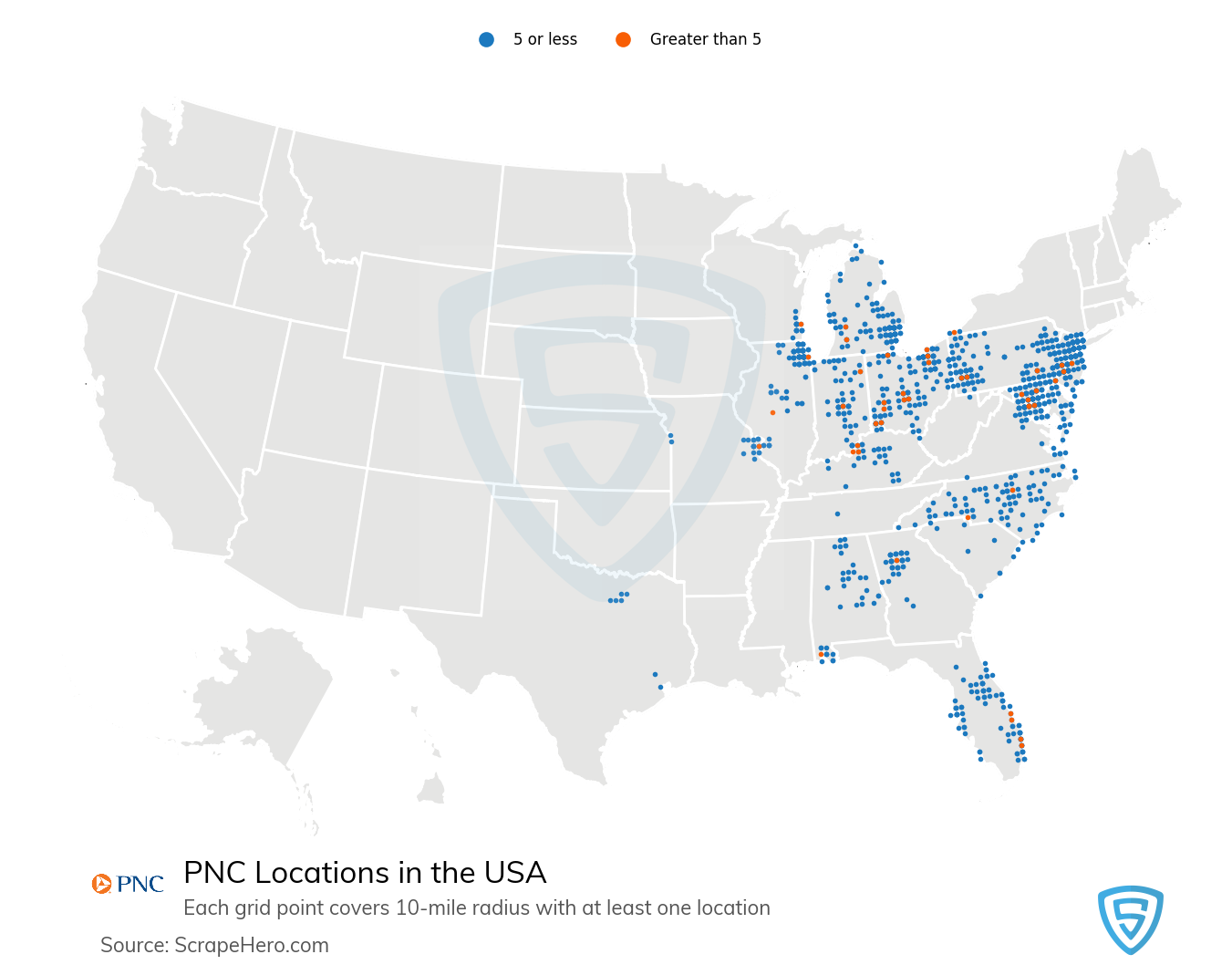
PNC’s branch network isn’t just a collection of buildings; it’s a strategic asset designed to support its diverse customer base. By understanding where PNC places its branches and why, customers can better anticipate where to find support. Their presence in certain neighborhoods or business districts reflects their commitment to those specific communities and their understanding of local financial needs, be it retail customers needing basic checking and savings, or small to large businesses requiring sophisticated financial solutions. This strategic layout reinforces PNC’s role as a comprehensive financial partner, accessible and responsive to varying demands across different segments of the economy.
When to Choose a Branch vs. Digital Channels
Making an informed decision about how to conduct a banking task is key to optimizing your financial operations.
-
Choose Digital Channels For:
-
Checking balances
-
Transferring funds between accounts
-
Paying bills
-
Mobile check deposits
-
Setting up alerts
-
Reviewing statements
-
Basic account inquiries
-
Managing debit card controls
-
-
Choose a Physical Branch For:
-
Large cash deposits or withdrawals
-
Applying for complex loans (mortgage, business loans)
-
Opening new accounts with specific requirements
-
Consulting with financial advisors (wealth management, investments)
-
Notary services
-
Resolving complex account issues or disputes
-
Accessing safe deposit boxes
-
International wire transfers or currency exchange
-
This framework helps individuals and businesses navigate their financial tasks efficiently, ensuring they utilize the most appropriate channel for their specific needs, thereby enhancing their overall financial management.
Beyond PNC: The Broader Context of Financial Accessibility
The quest for “the closest PNC” extends to a broader appreciation for financial accessibility. For personal finance, knowing your banking options empowers you to make timely decisions, avoid fees, and manage your money effectively. For business finance, accessibility directly impacts operational efficiency, cash flow management, and the ability to grow and adapt. In a world where financial well-being is increasingly tied to immediate access and informed decision-making, the location of your bank – whether physical or digital – is not a trivial detail but a fundamental element of a secure and prosperous financial future.
In conclusion, “where is the closest PNC?” is a question that bridges the past and future of banking. It highlights the continued importance of tangible financial infrastructure alongside the transformative power of digital innovation. For anyone navigating their personal or business finances, understanding and effectively utilizing both these realms is paramount to achieving financial success and peace of mind.
aViewFromTheCave is a participant in the Amazon Services LLC Associates Program, an affiliate advertising program designed to provide a means for sites to earn advertising fees by advertising and linking to Amazon.com. Amazon, the Amazon logo, AmazonSupply, and the AmazonSupply logo are trademarks of Amazon.com, Inc. or its affiliates. As an Amazon Associate we earn affiliate commissions from qualifying purchases.