
The question “where is Huntington Bank located?” extends far beyond a simple geographical pin on a map. For a financial institution of its stature, location signifies market strategy, customer accessibility, economic influence, and the very foundation of its financial service delivery. Understanding Huntington Bank’s physical and digital footprint is crucial for anyone seeking to engage with its personal, business, or investment banking services, or for those interested in its broader economic impact. In the realm of money, a bank’s location dictates its reach, its capacity to serve diverse financial needs, and its strategic position within competitive markets.
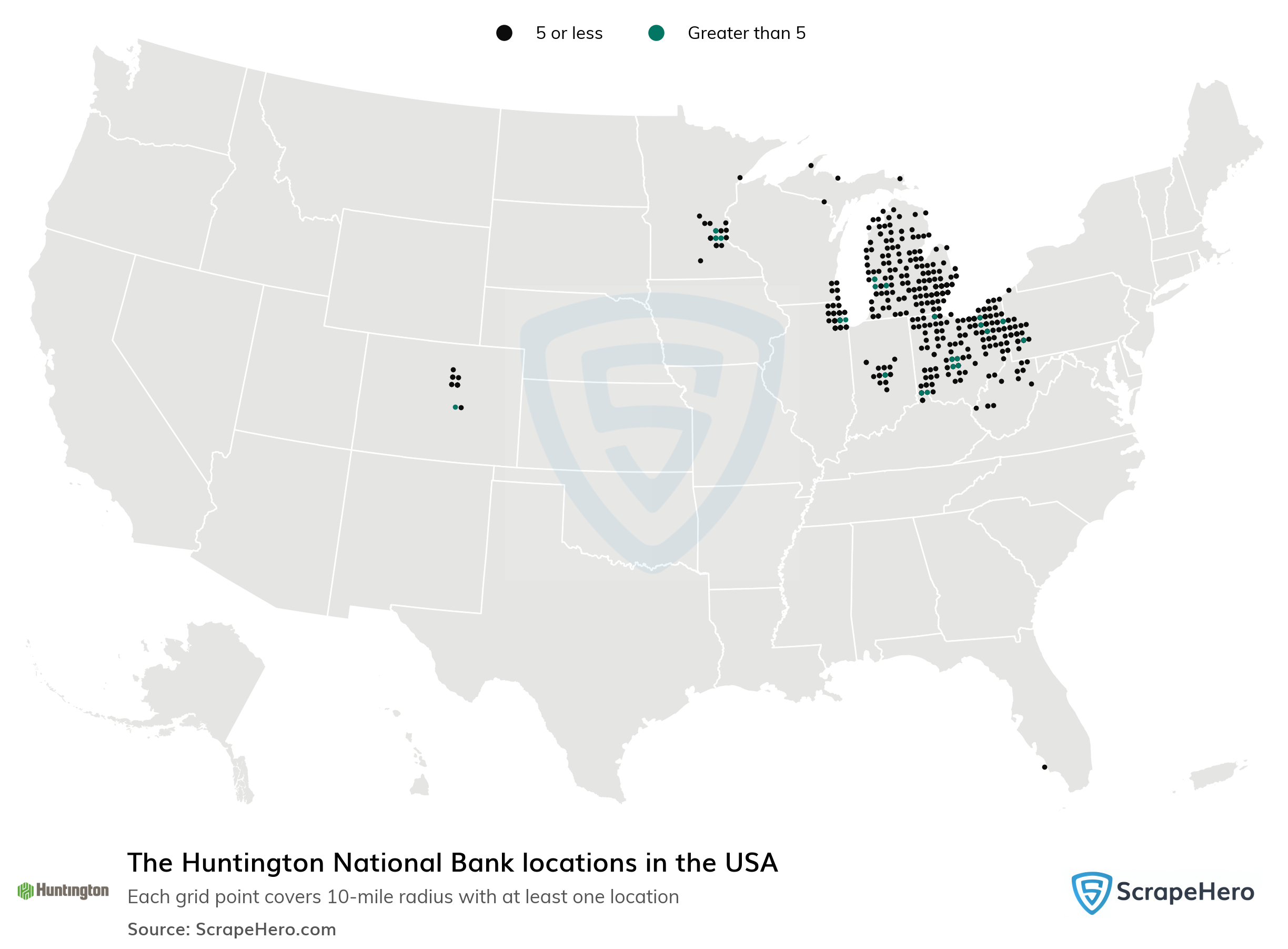
Huntington Bank, headquartered in Columbus, Ohio, has meticulously cultivated a presence that reflects its growth ambitions and commitment to its customer base. Its operational map is a testament to calculated expansion, digital transformation, and a deep understanding of regional economic dynamics. Far from being a static entity, Huntington’s “location” is a dynamic concept, continuously evolving to meet the contemporary demands of finance. This article will delve into the multifaceted answer to where Huntington Bank is located, exploring its core geographic presence, its digital expansion, its economic impact, and its strategic growth initiatives, all through the lens of personal and business finance.
The Core Geographic Footprint: A Foundation for Financial Services
Huntington Bank’s primary operational base is firmly rooted in the Midwest, a region characterized by a robust industrial heritage, a strong agricultural sector, and growing technology hubs. This strategic concentration is not accidental; it represents a deliberate focus on markets where the bank can leverage its established brand, build deep community ties, and provide tailored financial solutions. For individuals and businesses within these states, Huntington’s physical presence translates directly into accessible financial services, a cornerstone of effective money management.
Branch Network and ATM Accessibility for Personal Banking
At the heart of Huntington’s physical footprint lies its extensive network of branches and ATMs. These physical touchpoints are vital for personal banking customers who value face-to-face interactions, require assistance with complex transactions, or prefer traditional banking methods. The presence of branches across states like Ohio, Michigan, Indiana, Pennsylvania, West Virginia, Kentucky, and Illinois ensures that a significant portion of the Midwest and parts of the Mid-Atlantic population has convenient access to deposit accounts, loan applications, financial planning services, and wealth management advice. For many, proximity to a bank branch is a key factor in choosing a financial partner, influencing decisions on where to open checking and savings accounts, secure personal loans, or seek mortgage advice. The dense concentration of ATMs further enhances this accessibility, allowing customers to manage their cash needs without geographical constraints within their service area. This physical infrastructure underpins everyday financial activities, making Huntington a tangible and reliable financial presence in the communities it serves. The strategic placement of these branches often considers population density, economic activity, and competitive landscapes, ensuring maximum reach and utility for consumers managing their personal finances.
Commercial Banking Hubs and Business Finance Access
Beyond personal banking, Huntington’s locations are critical for its commercial banking operations. Each state within its core footprint features key cities that serve as commercial hubs, where the bank establishes dedicated offices and teams specializing in business finance. These locations are vital for small, medium, and large enterprises seeking commercial loans, lines of credit, treasury management services, and merchant services. A physical presence allows Huntington’s business bankers to cultivate relationships, understand local economic conditions, and provide bespoke financial solutions that cater to the unique challenges and opportunities of regional industries. For a manufacturing firm in Michigan, an agricultural business in Ohio, or a tech startup in Pennsylvania, having local experts who understand their specific financial needs can be a game-changer. These commercial banking hubs are not merely points of transaction; they are centers of financial partnership, fostering local economic growth by enabling businesses to access the capital and services they need to operate, expand, and innovate. The bank’s ability to offer specialized lending and advisory services within these specific economic contexts reinforces its role as a significant financial enabler for the business community.
Strategic Branch Placement: Serving Key Economic Corridors
Huntington’s branch placement strategy is intricately linked to major economic corridors and population centers. The decision to open or maintain a branch is often driven by market analysis that considers local economic health, demographic trends, and the presence of competitor institutions. For instance, the bank’s strong presence along the Ohio River Valley or within bustling metropolitan areas like Chicago, Pittsburgh, or Detroit reflects a deliberate effort to serve regions rich in economic activity and financial opportunity. This strategic positioning allows Huntington to capture market share, attract diverse customer segments, and embed itself deeply within the financial fabric of these areas. By aligning its physical locations with key economic arteries, Huntington maximizes its ability to facilitate financial transactions, provide capital, and offer wealth management services where they are most needed and utilized. This thoughtful approach ensures that its physical “location” is not just about being present, but about being strategically positioned to make a meaningful financial impact. The selection of these economic corridors is often based on long-term growth projections and the stability of the local financial ecosystems.
Beyond Brick and Mortar: Digital Expansion and Modern Financial Access
While physical branches remain important, the modern answer to “where is Huntington Bank located?” increasingly includes its robust digital presence. In an age where financial transactions are often conducted at the speed of light, online and mobile platforms have become indispensable extensions of a bank’s operational “location.” For Huntington, this digital expansion is not merely an add-on; it’s a fundamental pillar of its strategy to provide accessible, efficient, and comprehensive financial services to an ever-wider audience, regardless of their physical proximity to a branch. This digital footprint democratizes access to financial tools, making personal and business finance management more convenient and inclusive.
Online Banking and Mobile Apps: Expanding Financial Reach
Huntington’s online banking portal and mobile application are paramount in expanding its financial reach beyond its traditional geographic footprint. These digital platforms allow customers to manage their money 24/7, from anywhere in the world. Services such as checking balances, transferring funds, paying bills, depositing checks via mobile, and applying for loans are all readily available. This accessibility is particularly critical for customers who live outside the bank’s core branch network, or for those who simply prefer the convenience of digital finance. The mobile app, in particular, transforms a smartphone into a portable financial branch, offering real-time insights and control over one’s financial accounts. For individuals, this means greater empowerment in managing their personal budgets, investments, and savings goals. For businesses, it provides flexibility in managing cash flow, processing payments, and overseeing accounts, streamlining operations and ensuring financial agility. This digital infrastructure is a vital component of modern financial inclusion, reducing barriers to banking services and making financial management more fluid.
The Digital-First Approach to Personal Finance Management
Huntington has embraced a digital-first approach to personal finance, offering tools and features designed to empower customers with greater control and insight into their money. Features like budgeting tools, spending trackers, and proactive alerts are integrated into their digital platforms, enabling customers to monitor their financial health with unprecedented ease. This proactive stance on digital personal finance extends to services like online loan applications and digital financial planning resources, making it easier for individuals to navigate complex financial decisions from the comfort of their homes. The bank’s commitment to digital innovation ensures that its “location” is not just a place where money is held, but a dynamic platform where financial literacy is promoted, and personal financial goals can be actively pursued. This digital ecosystem fosters a more informed and engaged customer base, transforming how individuals interact with and manage their wealth. It shifts the focus from merely transacting to actively managing and optimizing personal financial outcomes.

Streamlining Business Finance Through Digital Platforms
For businesses, Huntington’s digital offerings are designed to streamline complex financial operations, thereby enhancing efficiency and profitability. Online treasury management services allow companies to optimize cash flow, manage payables and receivables, and conduct international transactions with greater ease. Digital platforms facilitate payroll processing, provide robust reporting and analytics, and offer secure portals for managing commercial credit lines. These tools are indispensable for modern enterprises, allowing them to operate more efficiently, reduce administrative burdens, and focus on core business activities. By offering advanced digital solutions, Huntington effectively expands its “location” as a financial partner to businesses across various sectors, enabling them to manage their finances remotely, securely, and effectively. This digital infrastructure supports the agility and growth of businesses, reinforcing Huntington’s role as a comprehensive financial service provider for the corporate world. The ability to access sophisticated financial tools digitally is a significant advantage for businesses operating in today’s fast-paced global economy.
Driving Economic Impact: Huntington’s Role in Regional Economies
Huntington Bank’s presence in specific geographic locations translates directly into significant economic impact. Beyond merely providing banking services, the institution plays a crucial role in fueling regional economies through capital injection, employment, and community investment initiatives. This makes understanding “where” Huntington Bank is located essential to grasping its contribution to local and broader economic health. From a money perspective, the bank acts as a vital circulatory system, channeling funds and resources that stimulate growth and stability within its operational territories.
Local Lending and Investment: Fueling Growth
One of the most direct ways Huntington Bank impacts regional economies is through its lending and investment activities. By providing loans to individuals for mortgages, auto purchases, and personal needs, and to businesses for expansion, equipment, and working capital, the bank injects substantial capital into local markets. This flow of money is critical for stimulating economic activity, enabling job creation, and fostering innovation. A small business loan from Huntington can allow a local entrepreneur to open a new shop, hire employees, and contribute to the local tax base. Similarly, a mortgage enables families to purchase homes, contributing to the housing market and related industries. The bank’s willingness to invest in local projects and businesses reflects a commitment to the financial vitality of the communities it serves, acting as a crucial intermediary that transforms savings into productive investments. This localized capital deployment is a powerful engine for economic development, underpinning the financial stability and growth of entire regions.
Employment and Economic Multipliers in Core States
Huntington Bank is a significant employer in its core states, directly providing thousands of jobs in banking, finance, technology, and administrative roles. Beyond direct employment, the bank’s operations create an economic multiplier effect. Employees spend their wages locally, supporting other businesses and industries. Furthermore, the bank’s engagement with local vendors for services, supplies, and infrastructure projects further stimulates economic activity. The presence of a major financial institution like Huntington attracts other businesses and investments to a region, enhancing its overall economic attractiveness. This ripple effect of employment and expenditure underscores how deeply embedded the bank is within the economic fabric of its locations. The stability and growth of Huntington directly contribute to the financial well-being of the communities where its employees live and work, demonstrating its widespread monetary influence.
Community Development Initiatives and Financial Empowerment
Huntington Bank’s commitment to its communities extends to various development initiatives aimed at financial empowerment and revitalization. Through partnerships with non-profit organizations, direct financial contributions, and volunteer efforts, the bank addresses critical community needs, often focusing on affordable housing, small business development in underserved areas, and financial literacy programs. These initiatives are not merely philanthropic; they represent strategic investments in the long-term economic health and stability of its operating locations. By helping individuals gain financial literacy, supporting minority-owned businesses, or funding community development projects, Huntington fosters an environment where more people can achieve financial security and contribute to the local economy. This proactive engagement in community development strengthens the economic resilience of its regions, demonstrating a holistic approach to its role as a financial institution beyond just transactions. These programs underscore the bank’s belief that a healthy community is a financially prosperous community, directly linking its location to its mission of fostering widespread financial well-being.
Strategic Growth and Future Financial Horizons
Understanding “where is Huntington Bank located?” is not a static inquiry but an ongoing observation of its dynamic growth strategy. The bank’s current footprint is a result of calculated historical expansion, and its future “location” will be shaped by evolving market demands, technological advancements, and strategic decisions regarding mergers, acquisitions, and market optimization. From a financial perspective, this future-oriented approach is critical for maintaining competitiveness, expanding financial market share, and adapting to the changing landscape of personal and business finance.
Mergers, Acquisitions, and Expanding Market Share
Huntington Bank’s history includes strategic mergers and acquisitions, such as its significant acquisition of TCF Financial Corporation. These moves are pivotal in expanding its geographic footprint and, by extension, its financial market share. Each acquisition brings new branches, new customers, and new business relationships into the Huntington fold, effectively extending its “location” overnight. Such expansions are not just about adding branches; they are about integrating new economic territories, tapping into diverse customer segments, and consolidating market power. For customers, an acquisition might mean access to a broader suite of financial products or a larger network of ATMs and branches. For the bank, it means increased asset size, greater operational scale, and enhanced capacity to compete with national and super-regional banks. These strategic financial maneuvers are crucial for long-term growth and the ability to offer more comprehensive financial solutions across an expanded service area, directly impacting its financial presence and capabilities.
Adapting to Evolving Financial Needs and Consumer Demands
The financial industry is constantly evolving, driven by technological innovation and shifting consumer preferences. Huntington’s future “location” will increasingly be defined by its ability to adapt to these changes. This means investing in new digital banking technologies, developing innovative financial products, and tailoring services to meet the demands of a diverse and digitally savvy customer base. For example, as more transactions move online, the emphasis might shift from merely having physical branches to optimizing those branches for advisory services and complex financial planning, while everyday transactions are handled digitally. This adaptability is key to remaining relevant and accessible in the dynamic world of money management. By anticipating and responding to these trends, Huntington ensures that its financial services remain robust, convenient, and aligned with the expectations of both personal and business customers. This proactive adaptation is essential for maintaining its financial competitive edge and ensuring its services remain accessible wherever and however customers prefer to bank.

Future Outlook: Digital Innovation and Geographic Optimization
Looking ahead, Huntington Bank’s strategic vision for its “location” will likely involve a continuous balance between digital innovation and the optimization of its physical presence. This includes ongoing investments in AI-driven financial tools, enhanced cybersecurity measures for digital banking, and personalized financial insights delivered through online platforms. Simultaneously, the bank will likely continue to evaluate its branch network, ensuring that physical locations are strategically positioned to complement its digital offerings and serve as centers for high-value financial interactions. This blend of digital reach and optimized physical presence will define Huntington’s future accessibility and relevance in the financial landscape. Its commitment to leveraging technology while maintaining a strong community-focused presence ensures that it remains a powerful and accessible financial partner, well-positioned to serve the evolving money management needs of individuals and businesses across its expansive and growing footprint. This dual strategy ensures both broad reach and deep engagement within its financial markets.
aViewFromTheCave is a participant in the Amazon Services LLC Associates Program, an affiliate advertising program designed to provide a means for sites to earn advertising fees by advertising and linking to Amazon.com. Amazon, the Amazon logo, AmazonSupply, and the AmazonSupply logo are trademarks of Amazon.com, Inc. or its affiliates. As an Amazon Associate we earn affiliate commissions from qualifying purchases.