
In the intricate world of modern finance, understanding the mechanisms that govern our money’s movement is paramount. One such mechanism, the Automated Clearing House (ACH) network, facilitates billions of electronic transactions daily, making direct deposits, bill payments, and interbank transfers seamless. However, even these seemingly straightforward processes can sometimes encounter a snag – an “ACH hold.” For customers of major financial institutions like Bank of America, encountering an ACH hold can be a source of confusion and concern. This article delves into the core of ACH transactions, explains why holds occur at banks like Bank of America, and offers insights into navigating these financial interruptions within the Money niche.
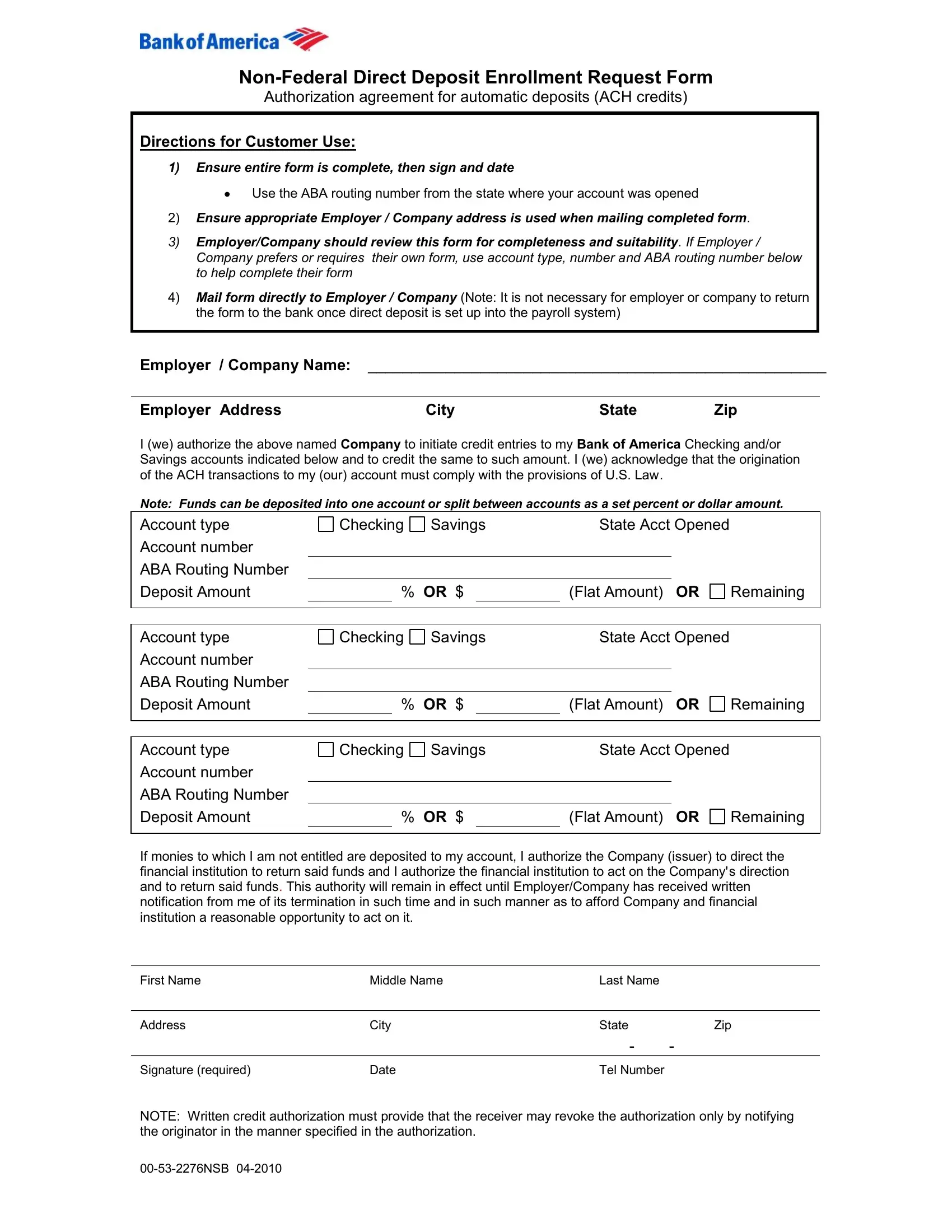
Understanding ACH Transfers: The Backbone of Digital Finance
Before dissecting the concept of an ACH hold, it’s crucial to grasp the fundamental nature of ACH transfers. This system underpins much of the digital financial ecosystem we interact with daily, often without realizing its presence.
What is ACH? A Quick Overview
The Automated Clearing House (ACH) network is a secure, batch-oriented electronic funds transfer system that facilitates transactions between participating financial institutions within the United States. Governed by Nacha (National Automated Clearing House Association), ACH is distinct from real-time payment systems like wire transfers. Instead, it processes transactions in large batches at specific intervals throughout the day, making it a cost-effective and reliable method for recurring and non-urgent payments. Think of it as the silent workhorse behind your paycheck arriving in your account or your mortgage payment being debited automatically each month.
How ACH Transfers Work
The process of an ACH transfer involves several key players:
-
Originator: The individual or entity initiating the payment (e.g., your employer paying your salary).
-
Originating Depository Financial Institution (ODFI): The originator’s bank that sends the payment request into the ACH network.
-
The ACH Network: Operated by the Federal Reserve and The Clearing House, this acts as the central hub, sorting and directing transactions.
-
Receiving Depository Financial Institution (RDFI): The recipient’s bank (e.g., Bank of America, if you’re the recipient) that receives the payment request.
-
Receiver: The individual or entity receiving the payment (e.g., you).
The process typically begins with the originator authorizing a debit or credit. The ODFI then bundles this transaction with others and sends them to the ACH network. The network processes these batches and forwards them to the respective RDFIs, which then post the funds to the receiver’s account. This multi-step process, while efficient, inherently involves certain time lags, which are foundational to understanding why holds can occur.
Common Uses of ACH
The versatility of ACH makes it indispensable for a wide array of financial activities:
-
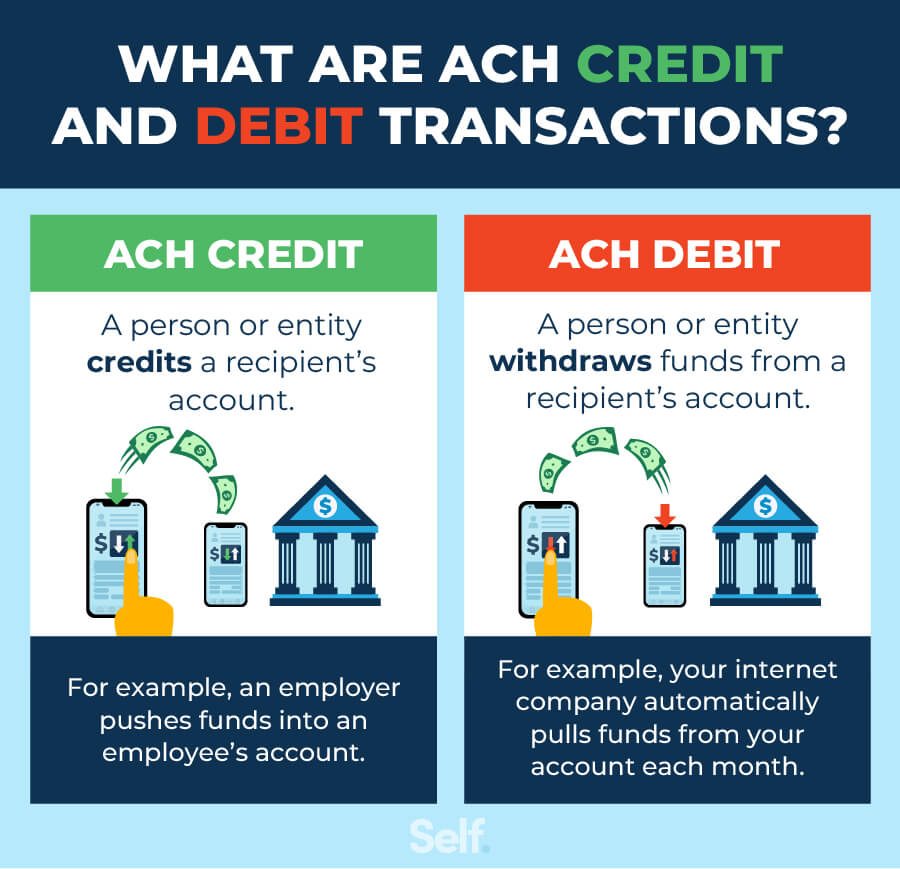
Direct Deposit: The most common use, enabling employers to pay employees directly into their bank accounts.
-
Bill Payments: Utilities, loan repayments, insurance premiums, and subscription services often use ACH debits for automated payments.
-
Business-to-Business (B2B) Payments: Companies use ACH for vendor payments, intercompany transfers, and supply chain financing.
-
Peer-to-Peer (P2P) Apps: Many popular payment apps like Venmo or Zelle often use ACH to move funds between users’ bank accounts, especially for larger transfers or when instant payment isn’t required.
-
Government Payments: Tax refunds, social security benefits, and other government disbursements frequently utilize the ACH network.
Delving into the “ACH Hold” Phenomenon
An ACH hold, in essence, is a temporary restriction placed on funds transferred via the ACH network, preventing immediate access to the money. While inconvenient for the recipient, these holds serve critical functions within the banking system, particularly for institutions like Bank of America.
The Purpose of an ACH Hold
Banks implement ACH holds primarily for three vital reasons:
-
Risk Management: To mitigate the risk of insufficient funds (NSF) or fraudulent transactions. If a deposited ACH transfer later turns out to be invalid or reversed, the bank needs time to ensure the funds are genuinely available before releasing them to the customer.
-
Fraud Prevention: ACH transactions, especially those from new or unfamiliar sources, can be targets for fraud. Holds allow banks to scrutinize transactions for suspicious patterns or activities, protecting both the bank and its customers.
-
Regulatory Compliance: Banks are bound by various federal regulations, such as Regulation CC (Expedited Funds Availability Act), which dictates the maximum time banks can hold certain types of deposits. While ACH transfers are electronic, they still fall under the umbrella of funds availability rules, and banks often use holds to comply with these guidelines, especially for incoming credits.
Why Banks Place Holds: Bank of America’s Perspective
Like all financial institutions, Bank of America’s policy on ACH holds is designed to balance customer convenience with robust risk management. While specific policies can vary, common reasons for Bank of America to place an ACH hold include:
-
New Account Status: Recently opened accounts often face longer holds as the bank establishes a transaction history and assesses risk.
-
Large Transaction Amounts: Significantly larger than usual deposits, particularly those that could strain the bank if they were to bounce, are often held for verification.
-
Unusual Transaction Patterns: If an incoming ACH deposit deviates significantly from an account’s typical activity (e.g., a sudden, large deposit from an unknown entity), it might trigger a hold.
-
Insufficient Funds (Originator’s End): Although less common for incoming credits, if the originating account has insufficient funds, the ACH transaction could fail, and the receiving bank might place a hold while verifying the credit’s finality.
-
Fraud Flagging: Any transaction flagged by the bank’s internal fraud detection systems will likely result in a hold for further investigation.
-
Third-Party Notifications: If the originating bank or the ACH network signals a potential issue with the transaction, Bank of America will likely place a hold.
Types of ACH Holds
ACH holds aren’t uniform; they can vary based on the context and risk assessment:
-
Standard Processing Holds: These are inherent to the ACH system’s batch processing. While not strictly “holds,” they refer to the 1-3 business days it takes for funds to settle and become fully available. For instance, a deposit initiated on a Monday might not clear until Wednesday or Thursday.
-
Extended Holds for New Accounts: As mentioned, new accounts often have restricted immediate access to funds, with holds lasting several business days while the bank verifies the account holder and transaction legitimacy.
-
Large Deposit Holds: Deposits exceeding a certain threshold (which varies by bank and account) are often subject to longer holds, typically 5-7 business days, to ensure the funds clear the originator’s bank.
-
Suspicious Activity Holds: These are triggered by the bank’s fraud detection algorithms and can last as long as the investigation requires, potentially several weeks in complex cases, though typically resolved within a few business days if legitimate.
-
Returned Item Holds: If a previous deposit was returned due to insufficient funds or another issue, subsequent deposits might face extended holds as a precautionary measure.
Navigating ACH Holds: What to Expect and How to Respond
When an ACH hold occurs at Bank of America, understanding the process and your recourse is essential for managing your finances effectively.
Typical Duration of an ACH Hold

The duration of an ACH hold can vary significantly.
-
Standard ACH Processing: Most ACH credits (like direct deposits) generally clear within 1-3 business days. If the transaction is initiated early in the week, it’s often available relatively quickly. Transactions initiated late in the week or before holidays might take longer due to non-processing days.
-
Extended Holds: For reasons such as large deposits, new accounts, or suspicious activity, holds can extend to 5-7 business days, and in rare fraud investigation cases, even longer. Regulation CC mandates that most funds become available within specific timeframes, but exceptions exist for new accounts, large deposits, or if the bank suspects fraud.
It’s important to remember that “business days” typically exclude weekends and federal holidays, which can extend the actual calendar time a hold is in place.
How Bank of America Communicates Holds
Bank of America generally strives to communicate effectively when funds are held.
-
Online Banking/Mobile App: You might see a notification or a specific status on the transaction indicating that funds are “pending” or “on hold,” often with an estimated availability date. The available balance on your account may differ from your current balance.
-
Email/Mail Notifications: For significant or extended holds, the bank might send an email or a letter explaining the reason for the hold and when the funds are expected to be available.
-
Customer Service: If you are unsure about a hold, contacting Bank of America’s customer service directly is the most reliable way to get detailed information specific to your account and transaction.
Steps to Resolve or Mitigate an ACH Hold
If you’re facing an ACH hold, proactive steps can often help clarify or even expedite the process:
-
Contact Bank of America Immediately: The first step is always to call their customer service or visit a branch. Be prepared with transaction details (date, amount, originator information). They can often provide the specific reason for the hold and an estimated release date.
-
Provide Documentation: If the hold is due to suspicious activity or a large deposit, the bank might ask for supporting documentation, such as invoices, contracts, or proof of the source of funds. Having these ready can speed up the verification process.
-
Understand Bank Policies: Familiarize yourself with Bank of America’s funds availability policy, which is typically available on their website or upon request. This helps set realistic expectations.
-
Avoid Overdrafts: While funds are on hold, they are not available for use. Be mindful of your available balance to avoid potential overdraft fees or bounced payments.
-
Consider Alternative Payment Methods for Urgent Needs: If you have immediate financial obligations, explore other available funds or alternative payment methods until the hold is released.
Impact on Personal and Business Finance
ACH holds, while a necessary risk management tool for banks, can have tangible repercussions for both individuals and businesses trying to manage their finances.
Financial Implications for Individuals
For individuals, an unexpected ACH hold can disrupt personal financial planning:
-
Cash Flow Disruptions: If you were relying on the incoming funds to pay bills, cover daily expenses, or transfer money, a hold can create a significant cash flow gap.
-
Bill Payment Delays: This can lead to late fees on credit cards, utilities, or loan payments if the funds needed aren’t available when due.
-
Potential for Fees: Attempting to use funds that are on hold can result in non-sufficient funds (NSF) fees or overdraft charges from the bank.
-
Stress and Inconvenience: The uncertainty and inability to access one’s own money can be a major source of frustration and anxiety.
Business Operational Challenges
Businesses, especially small and medium-sized enterprises (SMEs), can experience more severe impacts:
-
Vendor Payments: Delays in receiving ACH payments can impact a business’s ability to pay its own vendors, potentially damaging relationships and supply chains.
-
Payroll Issues: If a business is expecting an incoming ACH transfer to cover payroll, a hold could delay employee payments, leading to significant employee dissatisfaction and legal issues.
-
Customer Satisfaction: For businesses that rely on incoming customer payments via ACH, holds can create reconciliation problems or delays in fulfilling orders if the payment isn’t confirmed as settled.
-
Working Capital Strain: Businesses often operate on tight working capital. An unexpected hold on a large incoming payment can tie up crucial funds, impacting day-to-day operations and investment plans.
Best Practices for Avoiding Future Holds
While not all holds can be prevented, certain practices can reduce their likelihood:
-
Maintain Account Health: Keep your bank account in good standing, avoid frequent overdrafts, and ensure regular, predictable transaction patterns.
-
Understand Transaction Limits: Be aware of any daily or weekly transaction limits or thresholds that might trigger a hold.
-
Proactive Communication: If you anticipate a large or unusual ACH deposit, consider informing Bank of America in advance. They might be able to flag the transaction internally to expedite its clearance.
-
Verify Originator’s Information: For incoming payments, ensure the originator has accurate bank details to avoid rejections or delays.
-
Utilize Faster Payment Options for Urgency: For critical, time-sensitive transactions, consider options like wire transfers, which offer same-day finality, albeit at a higher cost.
The Broader Landscape: ACH vs. Other Payment Methods
Understanding where ACH stands in the pantheon of payment methods helps contextualize its holds and when to choose alternatives.
ACH vs. Wire Transfers
-
Cost: ACH is significantly cheaper, often free for standard transactions, compared to wire transfers which can cost $15-$50 per transaction.
-
Speed: Wire transfers offer same-day, often near-instant, finality. ACH takes 1-3 business days for settlement.
-
Finality: Wire transfers are generally irrevocable once sent. ACH debits can be disputed and reversed within certain timeframes.
-
Use Cases: ACH is ideal for recurring, non-urgent payments (payroll, bill pay). Wire transfers are for high-value, time-sensitive, and international transfers where immediate finality is critical.
ACH vs. Debit/Credit Card Transactions
-
Underlying Mechanism: Debit/credit card transactions use card networks (Visa, Mastercard) for real-time authorization, followed by batch settlement. ACH directly debits/credits bank accounts.
-
Fraud Protection: Credit cards offer robust fraud protection to the consumer. Debit card protection is often less extensive. ACH has dispute mechanisms, but it’s often up to the banks to resolve issues.
-
Dispute Resolution: Credit card disputes are well-defined. ACH disputes can involve Nacha rules and bank-specific processes.
-
Fees: Merchants pay higher fees for card transactions compared to ACH, which is why some businesses offer discounts for ACH payments.
The Evolving Future of Digital Payments
The financial landscape is dynamic. While ACH remains foundational, newer technologies are emerging:
-
Real-time Payments (RTP): Systems like FedNow Service and The Clearing House’s RTP network offer instant, irrevocable, 24/7/365 payments. These could reduce the need for certain types of holds due to their immediate finality.
-
Faster ACH: Nacha continually works to speed up ACH processing, with same-day ACH now widely available, offering a compromise between standard ACH and RTP.
-
Blockchain and Digital Currencies: While nascent in mainstream banking, these technologies could eventually reshape how funds are transferred, potentially offering transparency and speed that circumvent traditional hold mechanisms.
In conclusion, an ACH hold at Bank of America, while potentially disruptive, is a standard banking practice rooted in risk management and regulatory compliance. By understanding the ACH system, anticipating potential hold triggers, and knowing how to communicate with your bank, you can navigate these financial interruptions more effectively, ensuring the smooth flow of your personal and business finances. As the digital payment landscape continues to evolve, staying informed about these fundamental processes remains a crucial aspect of financial literacy.
aViewFromTheCave is a participant in the Amazon Services LLC Associates Program, an affiliate advertising program designed to provide a means for sites to earn advertising fees by advertising and linking to Amazon.com. Amazon, the Amazon logo, AmazonSupply, and the AmazonSupply logo are trademarks of Amazon.com, Inc. or its affiliates. As an Amazon Associate we earn affiliate commissions from qualifying purchases.