
In the intricate world of finance, where numbers often dominate, the simple phrase “account name” might seem like an afterthought. Yet, it stands as a cornerstone of financial identification, playing a pivotal role in the accuracy, security, and legality of virtually every monetary transaction. Whether you’re setting up a direct deposit for your salary, wiring funds to an international vendor, or simply sharing your details to receive a payment from a friend, understanding what your account name entails and why it matters is fundamental to managing your personal and business finances effectively. This article delves deep into the significance of the account name, exploring its various facets, its interplay with other banking identifiers, and best practices for its use and protection within the financial ecosystem.

The Core Components of Bank Details: More Than Just Numbers
Bank details are a collection of identifiers that collectively point to a specific financial account at a specific institution. While numbers like account numbers and routing codes are undoubtedly critical, the “account name” provides the human-readable identifier, linking the account to its rightful owner.
Decoding the “Account Name”: Individual vs. Business
At its most basic, the “account name” refers to the legal name of the individual or entity that owns the bank account.
-
For Personal Accounts: This is typically your full legal name, as it appears on your government-issued identification (e.g., passport, driver’s license) and as registered with your bank. This might include your first name, middle name (or initial), and last name. Discrepancies, even minor ones, can sometimes lead to transaction delays or rejections, especially for international transfers.
-
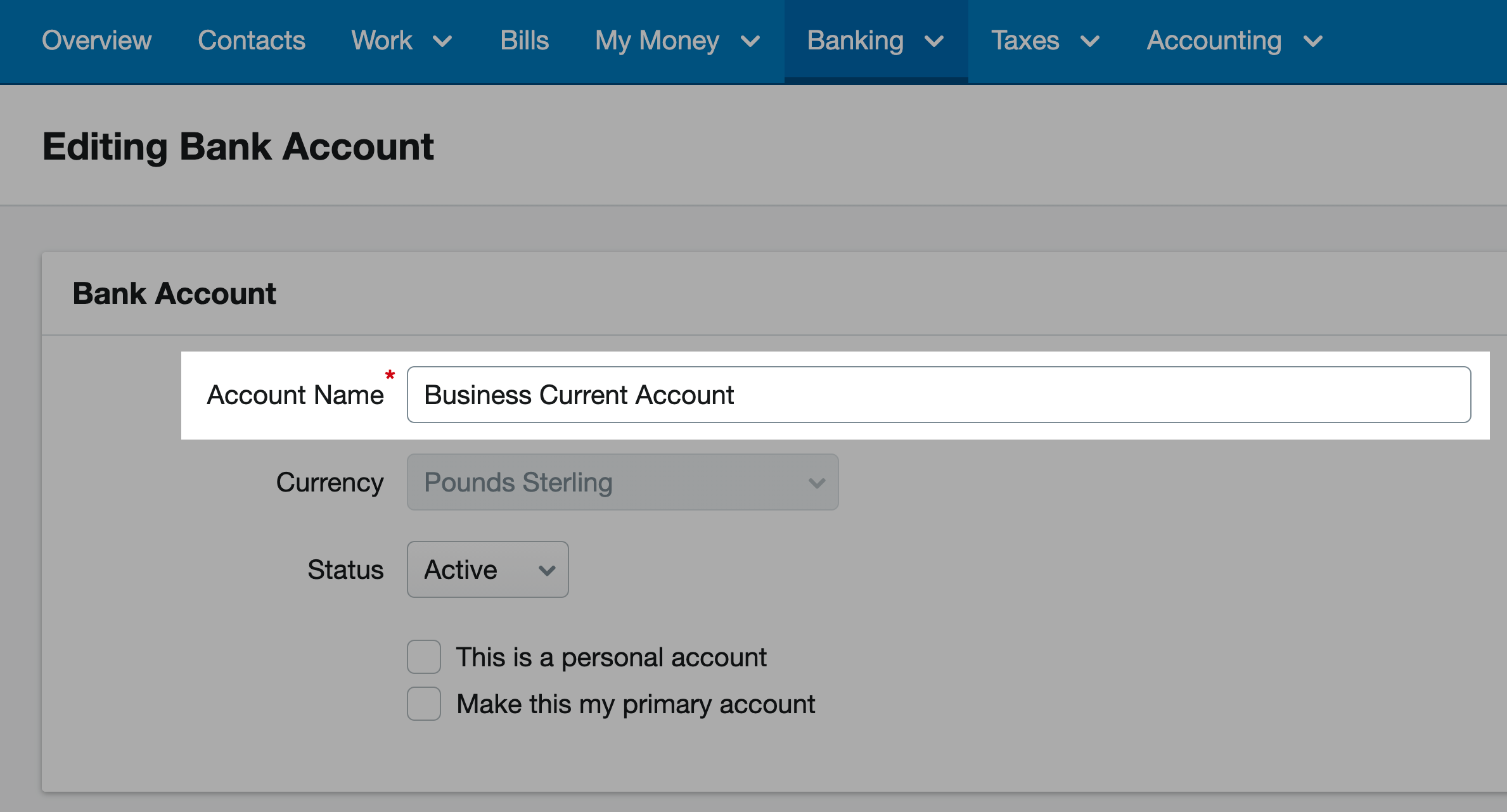
For Business Accounts: The account name will be the full legal registered name of the business or organization. This could be “XYZ Corporation,” “ABC LLC,” or “John Doe Sole Proprietorship,” depending on the business structure and how it’s legally registered with the appropriate authorities and the bank. It’s crucial that this name exactly matches the official registration to ensure smooth operation and compliance.
The account name acts as a critical cross-reference. While banks process transactions primarily using account numbers and sort codes (or routing numbers), the account name serves as a human-verification layer, particularly in cases of dispute or error.
The Significance of Bank Account Numbers and Sort Codes/Routing Numbers
Beyond the account name, other numerical identifiers are indispensable:
-
Bank Account Number (BAN): This is a unique sequence of digits assigned by your bank to your specific account. It uniquely identifies your account within your bank. The length and format vary by country and bank.
-
Sort Code (UK) / Routing Number (USA) / Bank Code (Other regions): This identifies the specific branch or institution where your account is held. In the UK, a sort code is a six-digit number. In the US, a routing number (ABA routing transit number) is a nine-digit number. These codes direct funds to the correct bank and branch, after which the account number directs them to the correct account.
These numerical identifiers are the primary mechanisms for automated transaction processing. The account name, while not always technically required for the electronic transfer to initiate, is often a mandated field and is always checked for compliance and reconciliation purposes, especially for large sums or international transfers.
Understanding SWIFT/BIC Codes for International Transactions
When dealing with international money transfers, another crucial identifier comes into play: the SWIFT/BIC (Society for Worldwide Interbank Financial Telecommunication / Bank Identifier Code). This is an 8-to-11-character code that identifies a specific bank in an international transaction. It ensures that funds are sent to the correct bank across national borders. While the SWIFT/BIC code points to the bank, the account name, along with the IBAN (International Bank Account Number – a standardized international account number that incorporates the country code, bank code, and account number), ensures the funds reach the correct recipient’s account at that international bank. Without an accurate account name matching the IBAN, international transfers are highly susceptible to delays, rejections, or even loss of funds.
Why Your Account Name Matters: Precision and Security in Transactions
The seemingly simple “account name” field holds significant weight in the financial world. Its accuracy directly impacts the success, security, and legality of financial transactions, protecting both senders and recipients.
Preventing Transaction Errors and Delays
Imagine sending money to a friend, only to have it bounce back a few days later, or worse, go to the wrong person. This frustrating scenario often stems from a mismatch in bank details, with the account name being a frequent culprit.
-
Mistyped Names: A simple spelling error in the account name, even if the account number is correct, can trigger a bank’s fraud detection systems or result in the receiving bank rejecting the payment, leading to delays and potential fees.
-
Partial or Incorrect Names: Using nicknames, abbreviations, or only part of a legal name (e.g., “John Smith” instead of “John D. Smith”) can cause issues. For businesses, using a trading name instead of the full legal registered name is a common mistake.
-
Discrepancy Checks: Many banks, especially for larger transfers or specific types of payments (like payroll), perform name-matching checks. While some systems might be forgiving, others are stringent, requiring an exact match between the provided account name and the name registered with the receiving bank. This is particularly true in regions with stricter regulatory environments, where “name and number matching” is increasingly becoming a standard.
The Role of Account Name in Fraud Prevention
The account name acts as a vital layer of defense against financial fraud.
-
Verification: When you send money, the recipient’s bank uses the provided account name, along with other details, to verify the legitimacy of the transaction. If the name on the payment doesn’t match the name associated with the account number, it’s a red flag that can halt a potentially fraudulent transfer.
-
Scam Protection: Many scams involve tricking individuals into sending money to accounts that don’t belong to the expected recipient. If you’re asked to send money to “John Smith” but the provided account name is “XYZ Holdings,” this discrepancy can alert you to a potential scam before you authorize the transfer.
-
Anti-Money Laundering (AML) and Know Your Customer (KYC): Financial institutions are legally obligated to prevent money laundering and terrorist financing. The account name is a crucial element in their KYC procedures, ensuring they know who owns and operates each account. Mismatched names can trigger investigations and lead to account freezes or transaction rejections as part of AML efforts.
Legal and Compliance Implications
The accuracy of the account name extends beyond mere convenience; it has significant legal and compliance ramifications.
-
Contractual Agreements: In many legal and business contracts, bank details, including the account name, are specified for payments. Any discrepancy could be seen as a breach of contract or at least complicate the fulfillment of payment obligations.
-
Tax Reporting: For businesses, freelancers, and individuals receiving specific types of income, the account name ensures that payments are correctly attributed for tax purposes. If payments are received under a different name, it can lead to auditing complications or tax liabilities.
-
Regulatory Requirements: Financial regulators globally impose strict rules regarding the identification of account holders. Banks must adhere to these rules, making accurate account names indispensable for their compliance framework. Failure to comply can result in hefty fines for institutions and disruptions for customers.
Providing Your Bank Details: Best Practices and Common Scenarios
Understanding the importance of your account name leads naturally to the best practices for providing and utilizing your bank details in various financial scenarios. Clarity, accuracy, and security should always be your guiding principles.
Setting Up Direct Debits and Standing Orders
When authorizing a third party (like a utility company, gym, or subscription service) to collect payments directly from your account via a direct debit, or setting up a recurring payment yourself as a standing order, you’ll need to provide your full bank details, including:
-
Your Account Name: Your full legal name or the full legal business name.
-
Your Bank Account Number: The unique identifier for your account.
-
Your Sort Code/Routing Number: Identifying your bank and branch.
Always double-check these details on the authorization form or within your online banking portal before confirming. A common mistake is to reverse the sort code and account number, or to misspell your own name.
Receiving Payments: Salaries, Invoices, and Transfers
Whether you’re an employee expecting your monthly salary, a freelancer invoicing clients, or simply receiving money from a friend, providing your accurate bank details is paramount.
-
For Employment: Your employer will require your exact account name, account number, and sort code (or routing number) to set up direct deposit. Any error can lead to delayed paychecks.
-
For Business/Freelance Invoices: Always include your full legal business name (or personal name if operating as a sole proprietor) as the account name on your invoices, along with your other bank details. This ensures clients pay into the correct account and helps in reconciliation.
-
Personal Transfers: When sharing details with friends or family, explicitly state your full legal name, even if they know you by a nickname. It helps avoid confusion and ensures the payment lands correctly.
Making Payments: Online Banking and Wire Transfers
When you are the one initiating a payment, you are responsible for entering the recipient’s accurate details.
-
Online Banking: For local transfers, you’ll typically enter the recipient’s account name, account number, and sort code/routing number. Take an extra moment to verify these details.
-
Wire Transfers (Domestic and International): These often involve larger sums and stricter verification. For international transfers, you’ll need the recipient’s full account name, their IBAN, their bank’s SWIFT/BIC code, and potentially their bank’s full address. Always confirm these details directly with the recipient through a trusted, secure channel. Never rely solely on details provided in an email if the sender’s identity isn’t absolutely verifiable.
International Transfers: Specific Requirements
International money transfers come with an added layer of complexity and stringent requirements due to varying global financial regulations and banking systems.
-
Full Legal Names: It is almost always mandatory for both sender and receiver to provide their full legal names.
-
Recipient’s Address: Often required for international transfers, alongside bank details.
-
Purpose of Payment: Some countries and banks require you to state the purpose of the transfer (e.g., “payment for services,” “family support”).
-
IBAN: Crucial for European transfers and increasingly common worldwide. It includes country code, bank code, and account number in one string.
-
SWIFT/BIC: Essential for identifying the recipient’s bank globally.
Any minor error in the account name, IBAN, or SWIFT/BIC can cause significant delays, substantial tracing fees, or the outright rejection and return of funds, often with conversion losses.
Safeguarding Your Bank Details: A Digital Age Imperative
In an increasingly digital financial landscape, protecting your bank details, including your account name, is paramount. The consequences of compromised information can range from inconvenience to severe financial loss.
Recognizing and Avoiding Phishing Scams
Phishing attacks are a primary method criminals use to trick individuals into divulging their bank details.
-
Be Skeptical of Unsolicited Requests: Never share your full bank details (especially passwords or PINs, which banks will never ask for via email or phone) in response to unsolicited emails, texts, or calls, even if they appear to be from your bank or a reputable organization.
-
Verify Sender Identity: Always verify the sender’s identity through official channels (e.g., calling your bank using a number from their official website, not one provided in a suspicious email).
-
Look for Red Flags: Poor grammar, generic greetings, urgent threats, and suspicious links are common indicators of phishing attempts.
Secure Sharing Practices
While you need to share your bank details for legitimate transactions, doing so securely is vital.
-
Use Secure Platforms: When providing details online, ensure the website is secure (look for “https://” in the URL and a padlock icon).
-
Avoid Public Wi-Fi: Refrain from accessing your online banking or sharing sensitive financial information over unsecured public Wi-Fi networks.
-
Limit Information Shared: Only provide the necessary details. For someone to pay you, they typically only need your account name, account number, and sort code/routing number. They do not need your password, PIN, card security code (CVC), or the full 16-digit number from your debit card.
-
Shred Documents: Physically shred bank statements, payment confirmations, and any documents containing your bank details before disposal.
Monitoring Your Accounts for Suspicious Activity
Proactive monitoring is your last line of defense against financial fraud.
-
Regularly Check Statements: Review your bank statements and online transaction history frequently for any unauthorized transactions or unfamiliar activity.
-
Set Up Alerts: Enable SMS or email alerts from your bank for significant transactions, logins, or changes to your account details.
-
Report Immediately: If you notice any suspicious activity, contact your bank immediately to report it. The faster you act, the better your chances of mitigating damage.
Common Questions and Misconceptions about Account Names
Even with a clear understanding, certain scenarios or long-held beliefs can lead to confusion regarding account names. Addressing these can further solidify your grasp of this financial identifier.
What if My Name Has Changed? (Marriage, Deed Poll)
If your legal name changes due to marriage, divorce, deed poll, or any other reason, it is imperative to update your bank account name with your bank as soon as possible.
-
Provide Documentation: Banks will require official documentation (e.g., marriage certificate, deed poll, court order) to verify the name change.
-
Impact on Transactions: Until your bank updates your account name, incoming payments made under your new name might be rejected. Outgoing payments will continue to appear under your old name. This can cause significant confusion for recipients and can complicate identity verification processes.
What if It’s a Joint Account?
For joint accounts, the “account name” typically includes the names of all primary account holders, usually joined by “and” (e.g., “John and Jane Smith”).
-
Full Names Required: When providing details for a joint account, it’s best practice to give the full legal names of all account holders as registered with the bank.
-
Transaction Authority: While the account name identifies all owners, either individual may typically authorize transactions (unless specific mandates are in place requiring multiple signatures). However, for identity verification purposes, the full joint account name may still be required.
Business Accounts vs. Personal Accounts: Naming Conventions
The distinction between business and personal account naming is critical for both legal and financial clarity.
-
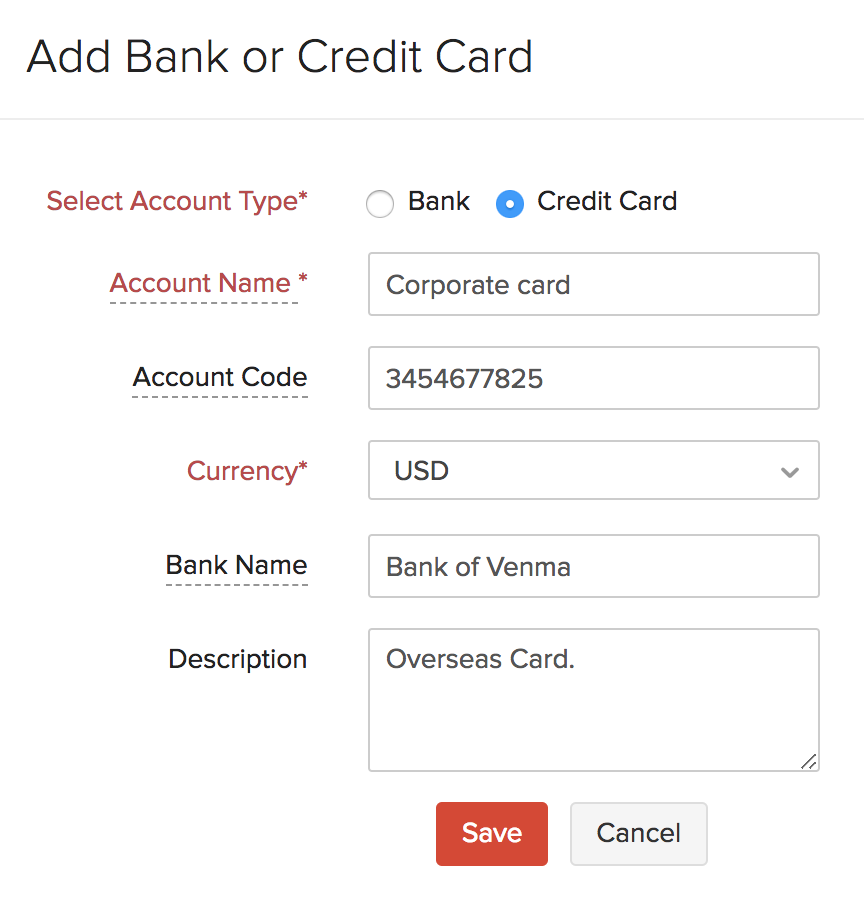
Sole Proprietorships: Often, a sole proprietor’s business account name might be their personal legal name, sometimes followed by “T/A” (Trading As) a specific business name. For example, “John Smith T/A Smith’s Auto Repair.” This needs to be accurately reflected in banking records.
-
Incorporated Businesses: For LLCs, Corporations, Partnerships, etc., the account name must be the full legal registered name of the entity, as recorded with the state or national authorities and the bank. Using a fictitious business name (DBA) or an abbreviation without it being formally linked to the legal entity can lead to issues.
-
Separation of Funds: It’s a fundamental principle of business finance to keep personal and business funds separate. Using the correct account name helps enforce this separation, simplifying accounting, tax preparation, and legal compliance.
In conclusion, the “account name” is far more than a mere label; it is a critical component of your bank details that underpins the integrity, security, and efficiency of your financial life. From ensuring smooth transactions and preventing fraud to complying with legal and regulatory mandates, its accuracy and careful management are indispensable. By understanding its role and adhering to best practices, you empower yourself with greater control and confidence in navigating the complex world of personal and business finance.
aViewFromTheCave is a participant in the Amazon Services LLC Associates Program, an affiliate advertising program designed to provide a means for sites to earn advertising fees by advertising and linking to Amazon.com. Amazon, the Amazon logo, AmazonSupply, and the AmazonSupply logo are trademarks of Amazon.com, Inc. or its affiliates. As an Amazon Associate we earn affiliate commissions from qualifying purchases.