
Embarking on a journey towards financial security often begins with a simple yet powerful step: opening a savings account. For millions, traditional banks like Wells Fargo offer a familiar and accessible pathway to manage their money, save for future goals, and build a robust financial foundation. A savings account isn’t just a place to stash cash; it’s a strategic tool designed to separate your emergency fund from daily expenses, accumulate wealth for significant purchases, or simply earn a modest return on your idle funds. This comprehensive guide will walk you through everything you need to know about opening a Wells Fargo savings account, from understanding your options to successfully setting up and managing your new account, all within the crucial context of sound personal finance.

Understanding Wells Fargo Savings Account Options
Choosing the right savings account is a critical financial decision that should align with your personal savings goals and habits. Wells Fargo, being one of the largest financial institutions in the United States, offers a range of savings products designed to cater to diverse needs, from beginners to experienced savers. Familiarizing yourself with these options is the first step in making an informed choice.
Types of Wells Fargo Savings Accounts
Wells Fargo typically offers a few primary savings account options, each with distinct features:
-
Way2Save Savings Account: This is Wells Fargo’s most common and accessible savings account, often paired with a Wells Fargo checking account. It’s designed for everyday savers and includes features like optional automatic transfers, making it easier to build your savings effortlessly. For instance, you can set up a recurring transfer of a small amount from your checking to your savings each pay period, or even transfer a small amount every time you use your debit card. This account is ideal for those just starting their savings journey or looking for a straightforward way to compartmentalize their funds.
-
Platinum Savings Account: Geared towards customers with higher balances, the Platinum Savings Account typically offers tiered interest rates, meaning the more you save, the higher interest rate you might earn. This account often requires a larger minimum balance to waive monthly service fees and maximize interest potential. It’s suitable for individuals who have already accumulated a substantial amount of savings and are looking for a slightly better return within a traditional banking environment.
-
Certificates of Deposit (CDs): While not a traditional savings account in the same flexible sense, Wells Fargo also offers Certificates of Deposit (CDs). CDs are time-deposit accounts where you agree to leave your money deposited for a fixed period (e.g., 3 months, 1 year, 5 years) in exchange for a fixed interest rate, which is often higher than traditional savings accounts. They are excellent for long-term savings goals where you won’t need immediate access to your funds, as early withdrawals typically incur penalties. This option is great for laddering strategies or saving for specific large future expenses like a down payment on a house or college tuition.
Key Features and Benefits
Regardless of the specific account type, Wells Fargo savings accounts come with a set of common features designed to aid your financial management:
-
Interest Earning: All savings accounts with Wells Fargo accrue interest, allowing your money to grow over time, albeit at varying rates depending on the account type and market conditions. Understanding the Annual Percentage Yield (APY) is crucial here.
-
Accessibility: Funds in Way2Save and Platinum Savings accounts are readily accessible through online banking, mobile banking, ATMs, and in-branch visits, providing liquidity when you need it.
-
Online and Mobile Banking: Robust digital tools allow you to monitor balances, set up transfers, view statements, and manage your account from virtually anywhere. This digital convenience is a cornerstone of modern personal finance.
-
Automatic Savings Tools: Features like automatic transfers from a linked Wells Fargo checking account make it easy to consistently save without active effort, a cornerstone principle of effective personal finance.
Eligibility Requirements
To open a savings account with Wells Fargo, like any other financial institution, you’ll need to meet certain eligibility criteria:
-
Age: You must typically be at least 18 years old to open an account independently. Minors can often have custodial accounts opened for them by an adult.
-
Residency: You must be a U.S. citizen or a resident alien with a valid Social Security Number (SSN) or Individual Taxpayer Identification Number (ITIN).
-
Initial Deposit: Most accounts require a minimum initial deposit to get started, which can vary by account type.
Preparing for Your Application
Opening a new financial account, even one as straightforward as a savings account, requires a degree of preparation. Gathering the necessary documents and understanding the financial implications beforehand can significantly streamline the application process and prevent potential delays. This stage is all about ensuring you have everything in order to smoothly transition into your new savings journey.
Required Documentation
When opening a Wells Fargo savings account, whether online or in person, you will need to provide certain identifying information and documents to comply with federal regulations designed to prevent fraud and money laundering (like the Patriot Act). Typically, this includes:
-
Primary Photo Identification: A valid, unexpired government-issued ID such as a driver’s license, state ID card, or U.S. passport. This confirms your identity.
-
Social Security Number (SSN) or Individual Taxpayer Identification Number (ITIN): Essential for tax reporting purposes (Form 1099-INT for interest earned) and identity verification.
-
Proof of Address: A document showing your current residential address if it’s not on your primary ID, such as a utility bill (electricity, gas, water), lease agreement, or another official document issued within the last 60 days.
-
Beneficiary Information (Optional but Recommended): If you wish to designate beneficiaries for your account in case of your passing, you’ll need their full legal names, dates of birth, and Social Security Numbers. This is an important estate planning step within personal finance.
Financial Considerations
Before committing to a specific account, it’s wise to consider the financial implications of your choice:
-
Initial Deposit: Understand the minimum amount required to open the account. Ensure you have these funds readily available, whether in cash, via transfer from another bank, or from a linked Wells Fargo checking account.
-
Monthly Service Fees: Most savings accounts at traditional banks come with monthly service fees unless certain conditions are met. These conditions often include maintaining a minimum daily balance, having a linked checking account with qualifying activity, or setting up qualifying direct deposits. Be clear on how to waive these fees to avoid unnecessary costs that eat into your savings.
-
Interest Rates (APY): While traditional bank savings accounts generally offer lower interest rates compared to high-yield online savings accounts, it’s still important to understand the Annual Percentage Yield (APY). Compare it with other Wells Fargo options and potentially other institutions if you’re shopping around.
-
Linking Accounts: Consider if you want to link your new savings account to an existing Wells Fargo checking account. This often makes transfers easier and can sometimes help waive fees.
Researching Account Tiers
Take the time to thoroughly review the features, benefits, and fee structures of each Wells Fargo savings account type. Don’t just pick the first one you see. Think about:
-
Your Savings Goals: Are you saving for a short-term goal (emergency fund) or a long-term goal (down payment)?
-
How Much You Plan to Save: If you anticipate holding a higher balance, a Platinum Savings account might offer better returns. If you’re starting small, Way2Save is more accessible.
-
Your Ability to Meet Fee Waivers: Can you consistently maintain the minimum balance or meet other requirements to avoid monthly fees?
-
Access Needs: Do you need frequent access to your funds, or are you comfortable locking them away in a CD for a fixed period?
This meticulous research helps you choose an account that truly serves your financial objectives and supports your overall personal finance strategy.
Step-by-Step Guide to Opening Your Account
Wells Fargo offers multiple convenient avenues for opening a savings account, catering to different preferences. Whether you prefer the digital efficiency of online applications or the personalized touch of an in-branch visit, the process is designed to be straightforward.
Online Application Process
Opening an account online is often the quickest and most convenient method, available 24/7. This is ideal for those who are comfortable with digital forms and have all their documents ready electronically.
-
Visit the Wells Fargo Website: Navigate to the official Wells Fargo website (
wellsfargo.com) and look for the “Open an Account” or “Savings Accounts” section. -
Choose Your Account: Select the specific savings account you wish to open (e.g., Way2Save, Platinum Savings). Read through the details one last time to confirm your choice.
-
Start Application: Click on “Open Now” or a similar button to begin the online application.
-
Provide Personal Information: You’ll be prompted to enter your personal details, including your full name, date of birth, Social Security Number, phone number, email address, and current residential address.
-
Identify Yourself: Wells Fargo will use secure methods to verify your identity. This might involve answering security questions based on your credit history (soft inquiry) or providing images of your ID.
-
Review and Consent: Carefully review all the terms and conditions, disclosures, and fee schedules. Electronically sign the necessary documents.
-
Fund Your Account: You’ll be asked to make your initial deposit. This can typically be done by transferring funds from an existing bank account (Wells Fargo or another institution) using your account and routing numbers, or by funding it later in a branch or through other electronic means.
-
Confirmation: Once submitted, you’ll receive a confirmation email with your new account number and instructions on setting up online banking access if you don’t already have it.
In-Branch Application Process
For those who prefer face-to-face interaction or need assistance with the application, visiting a Wells Fargo branch is an excellent option.
-
Gather Documents: Ensure you have all the required documentation (photo ID, SSN/ITIN, proof of address) physically with you.
-
Locate a Branch: Use the Wells Fargo website or mobile app to find the nearest branch location. You may wish to call ahead or use their online system to schedule an appointment to minimize wait times.
-
Meet with a Banker: A personal banker will guide you through the process, answer any questions you have, and help you choose the most suitable account. This is an opportune moment to clarify any aspects of the account’s fee structure or features.
-
Complete Forms: The banker will assist you in filling out the necessary application forms.
-
Initial Deposit: You can make your initial deposit at the branch, either with cash, a check, or by arranging an electronic transfer.
-
Account Activation and Welcome Kit: Once the application is complete and funded, your account will be activated. You’ll receive immediate confirmation, and often a welcome kit with information about your account, online banking access, and any debit cards or checkbooks that will be mailed to you.
Initial Funding and Account Activation
Regardless of how you open your account, the initial funding is crucial. Your account won’t be fully active and ready for use until the minimum deposit is made. Once funded, make sure to:
-
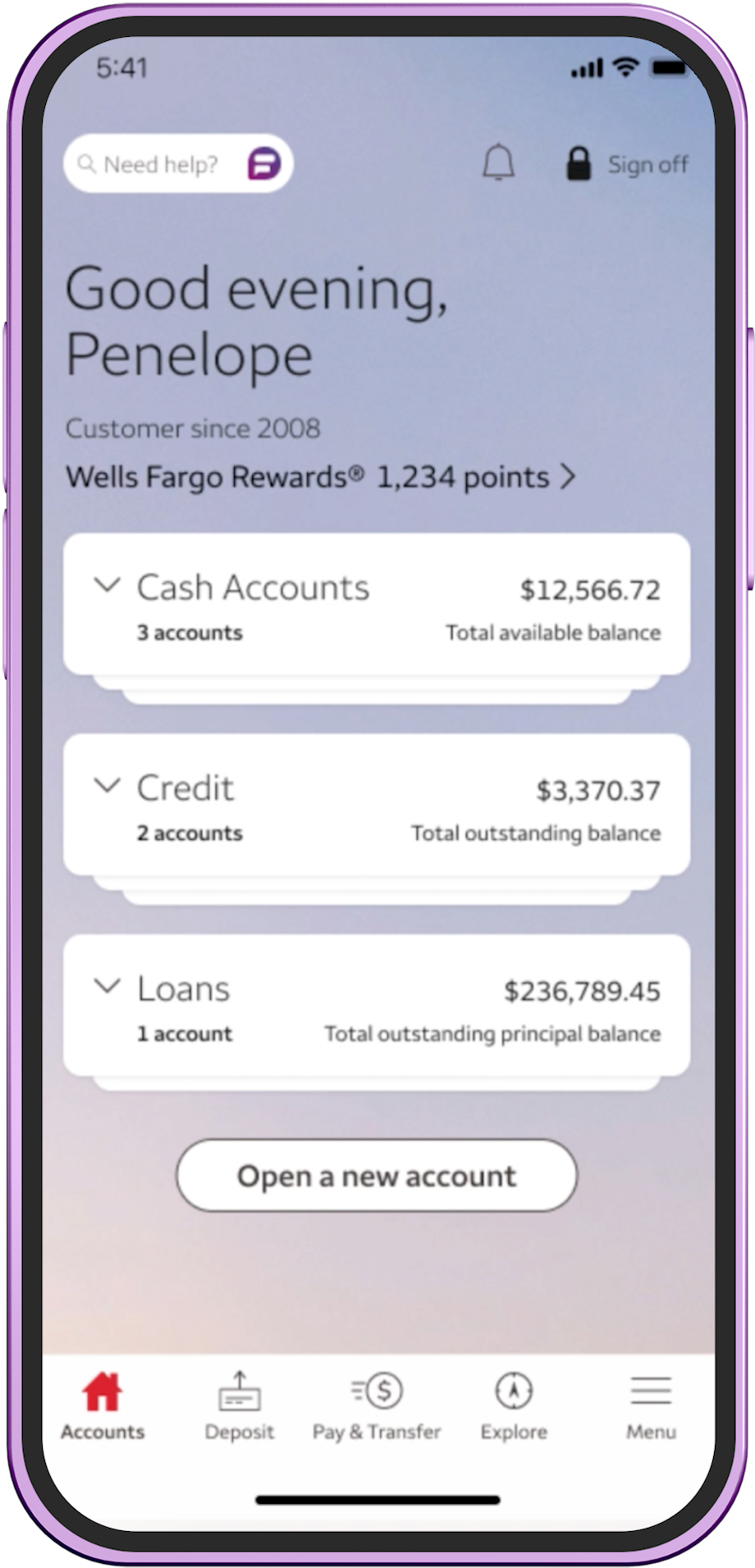
Set Up Online Access: If you don’t have existing Wells Fargo online banking, set it up immediately. This provides instant access to your account details, transaction history, and digital tools.
-
Order Debit Card/Checkbook (if applicable): While savings accounts typically don’t come with a debit card for direct spending, some may offer ATM cards for withdrawals. If you’ve linked it to a checking account, you’ll use that card. If checks are part of your setup (less common for pure savings), ensure they are ordered.
-
Review Welcome Materials: Carefully read through any welcome packets or digital information provided. This often contains crucial details about your account, contact information for customer service, and tips for managing your money.
Managing Your New Wells Fargo Savings Account
Opening the account is just the beginning; effective management is key to maximizing its benefits and achieving your financial goals. Your Wells Fargo savings account can be a powerful tool for building wealth and securing your future, provided you utilize its features wisely.
Online and Mobile Banking Features
Wells Fargo offers robust digital platforms that are central to modern personal finance management. These tools provide unprecedented control and insight into your savings:
-
Balance Monitoring: Instantly check your account balance and transaction history. Regularly reviewing this helps you stay on top of your finances.
-
Transfers: Easily transfer funds between your linked Wells Fargo accounts or to external accounts. Setting up recurring transfers to your savings is a cornerstone of automated saving.
-
Bill Pay (for linked checking): While savings accounts aren’t meant for bill payments, if linked to a checking account, you can manage all your outflows from one platform.
-
Budgeting Tools: Wells Fargo’s online platform may offer budgeting tools to help you track your spending and allocate funds, integrating your savings goals into your overall financial plan.
-
Account Alerts: Set up custom alerts for low balances, large deposits, or withdrawals to stay informed about your account activity and prevent overdrafts or fraud.
Maximizing Your Savings
Beyond just holding your money, actively managing your savings account can significantly accelerate your progress towards financial goals:
-
Automated Transfers: This is perhaps the most powerful tool. Set up automatic, recurring transfers from your checking account to your savings account on payday. Even small, consistent contributions add up over time, leveraging the “pay yourself first” principle.
-
Goal Setting: Utilize any goal-setting features within Wells Fargo’s online banking or simply mentally earmark your savings for specific purposes (e.g., “Emergency Fund,” “Vacation Fund,” “Down Payment”). This makes saving more tangible and motivating.
-
Interest Rate Monitoring: While rates are often modest, occasionally review the APY on your account. If market conditions change significantly or Wells Fargo introduces new products with better rates, consider if an upgrade or adjustment is appropriate.
-
Avoid Excessive Withdrawals: Remember the purpose of a savings account is to save. Frequent withdrawals can deplete your balance and slow your progress. Most traditional savings accounts also have federal limits on certain types of withdrawals per month (Regulation D, though temporarily suspended for some transfers, it’s good practice to adhere to the spirit of it).
Understanding Fees and Avoiding Them
Unnecessary fees can erode your savings. Being proactive about understanding and avoiding them is a vital aspect of financial literacy:
-
Monthly Service Fees: As mentioned, most Wells Fargo savings accounts have a monthly service fee that can be waived by meeting specific criteria, such as:
-
Maintaining a minimum daily balance (e.g., $300)
-
Having a certain amount of qualifying direct deposits into a linked Wells Fargo checking account.
-
Linking your savings account to a qualifying Wells Fargo checking account.
-
Being under 24 years old (student waiver).
-
-
Overdraft/Insufficient Funds Fees: While less common for pure savings accounts, if you link your savings account for overdraft protection for a checking account, be aware of how this works and any associated fees if your savings are insufficient to cover the overdraft.
-
Excess Withdrawal Fees: While federal limits on certain withdrawals (Regulation D) have been relaxed, some banks may still charge fees for exceeding a certain number of specified transactions in a month. Always check the specific terms of your account.
By regularly reviewing your account statements and being mindful of the conditions for fee waivers, you can ensure that more of your money is working for you, rather than going towards avoidable charges.
Advantages and Considerations of Banking with Wells Fargo
Choosing a bank is a personal decision that impacts your daily financial life. While Wells Fargo offers many conveniences, it’s essential to weigh its advantages against potential considerations to determine if it’s the right fit for your personal finance strategy.
Pros of Banking with Wells Fargo
-
Extensive Branch and ATM Network: Wells Fargo boasts one of the largest physical footprints in the U.S., offering convenient access to branches and ATMs for in-person transactions and support. This can be a significant advantage for those who prefer traditional banking services.
-
Comprehensive Digital Tools: Their online and mobile banking platforms are well-developed, offering a wide array of features for account management, transfers, bill pay, and financial tracking, providing flexibility and convenience.
-
Wide Range of Financial Products: Beyond savings accounts, Wells Fargo offers a full suite of financial products, including checking accounts, credit cards, mortgages, loans, and investment services. This allows for consolidated banking relationships and potentially simplified financial management under one roof.
-
Customer Service Access: With numerous branches and extensive customer service channels (phone, online chat), help and advice are generally accessible when needed.
Cons and Considerations
-
Potentially Lower Interest Rates: Traditional brick-and-mortar banks like Wells Fargo often offer lower interest rates on savings accounts compared to online-only banks or credit unions, which typically have lower operating costs. If maximizing interest earnings is your top priority, you might find higher APYs elsewhere.
-
Monthly Service Fees: As discussed, avoiding monthly fees requires meeting specific criteria, which might be a hurdle for some, particularly those with smaller balances or irregular banking habits.
-
Past Controversies: It’s worth noting that Wells Fargo has faced significant public scrutiny and regulatory actions in the past regarding various practices. While the bank has taken steps to address these issues, some customers may prefer institutions with an unblemished record. This is a personal decision related to trust and corporate ethics within the financial sector.
-
Minimum Balance Requirements: To avoid fees or unlock higher-tier benefits, some accounts require maintaining minimum balances, which might not be feasible for all savers.
Is Wells Fargo Right for You?
Ultimately, the decision to open a Wells Fargo savings account depends on your individual priorities. If you value the convenience of a vast branch network, comprehensive digital tools, and the ability to consolidate multiple financial products with one institution, Wells Fargo could be an excellent choice. However, if your primary goal is to maximize interest earnings and you’re comfortable with a purely online banking experience, exploring high-yield online savings accounts might be more beneficial.
Consider your saving habits, your comfort with digital versus in-person banking, and your overall financial goals before making your final decision.
Opening a Wells Fargo savings account is a straightforward process that serves as a foundational step in effective personal finance. By understanding the different account options, preparing your documentation, diligently following the application steps, and actively managing your account, you can effectively use this tool to build your savings, achieve your financial goals, and foster a more secure financial future. Remember, the journey to financial prosperity is a marathon, not a sprint, and every dollar saved is a step in the right direction.
aViewFromTheCave is a participant in the Amazon Services LLC Associates Program, an affiliate advertising program designed to provide a means for sites to earn advertising fees by advertising and linking to Amazon.com. Amazon, the Amazon logo, AmazonSupply, and the AmazonSupply logo are trademarks of Amazon.com, Inc. or its affiliates. As an Amazon Associate we earn affiliate commissions from qualifying purchases.