
In the modern financial landscape, your bank account number stands as a cornerstone of your personal or business financial identity. It is a unique identifier, distinct from your debit card number or credit card number, that plays a pivotal role in almost every electronic money transaction you undertake. From receiving your salary via direct deposit to paying bills automatically, or even initiating larger financial transfers, knowing how to securely access this crucial piece of information is fundamental to managing your finances effectively.
This guide aims to demystify the process of locating your bank account number, outlining the various reliable methods available and emphasizing the critical importance of safeguarding this sensitive data. Understanding where to find it and when it’s needed empowers you to navigate your financial life with confidence and security, ensuring your money goes where it’s supposed to, every time.
Decoding Your Bank Account and Routing Numbers
Before diving into how to retrieve your bank account number, it’s essential to understand what it represents and its critical partner: the routing number. These two identifiers work in tandem to ensure your financial transactions are processed accurately and securely.
What is a Bank Account Number?
Your bank account number is a unique sequence of digits assigned by your financial institution to identify your specific deposit account. This number differentiates your individual checking or savings account from every other account held by that bank. It’s the destination address for funds intended for you or the source address for funds you authorize to be withdrawn. Unlike your debit card number, which is linked to your account for transactions at points of sale or ATMs, the account number directly identifies the underlying financial reservoir. It is typically between 8 and 12 digits long, though this can vary by bank and account type.
What is a Bank Routing Number?
The bank routing number, also known as an ABA (American Bankers Association) routing transit number, is a nine-digit code that identifies the financial institution itself. Think of it as the bank’s unique “address” within the larger banking system. When money is transferred electronically, the routing number ensures the funds are directed to the correct bank, and then your account number guides it to your specific account within that bank. Different types of transactions (e.g., ACH transfers, wire transfers) might use different routing numbers even for the same bank, so it’s always wise to verify the correct routing number for the specific transaction you’re undertaking.
The Tandem Importance of Both
Both your bank account number and routing number are indispensable for a multitude of financial operations. For most electronic fund transfers, such as direct deposits or Automated Clearing House (ACH) transactions, both numbers are required. The routing number acts as the primary navigational tool, directing the transaction to the correct financial institution. Once the funds arrive at that institution, the account number takes over, pinpointing the exact account where the money should be deposited or withdrawn. This two-part identification system forms the backbone of secure and efficient electronic banking, preventing misdirected funds and ensuring transaction integrity. Without both, many modern financial services would simply not be possible.
Reliable Methods to Access Your Account Number
While your bank account number is a highly sensitive piece of information, there are several secure and straightforward methods to retrieve it when needed. These methods are designed to ensure you, as the legitimate account holder, can access your information with ease.
On Your Physical Checks or Deposit Slips
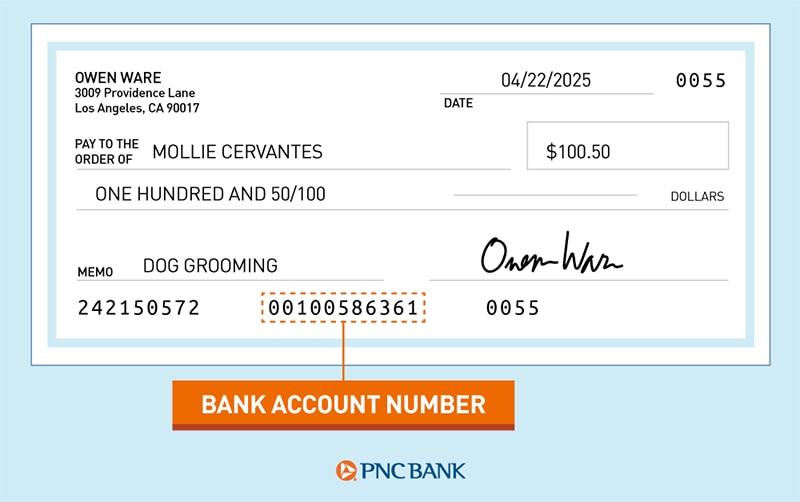
For many, the most traditional and readily accessible source for both your account and routing numbers is your checkbook. When you look at the bottom of a personalized check, you’ll typically find three sets of numbers printed in magnetic ink. From left to right: the first set is your bank’s routing number, the middle set is your individual bank account number, and the last set is the check number. Deposit slips follow a similar pattern, also displaying your routing and account numbers, making them a convenient reference for incoming funds. Always ensure you are using a check from the correct account, especially if you have multiple accounts.
Through Your Online Banking Portal or Mobile App
In today’s digital age, your online banking portal or mobile application is often the quickest and most secure way to find your account number. After logging in with your credentials, navigate to the specific account you’re interested in (e.g., “Checking Account”). Most banks will display your full account number within the “Account Details,” “Account Summary,” or “Statements” section. For security reasons, some platforms might initially mask part of the number with asterisks, requiring you to click a “reveal” or “show full number” option. Always ensure you are on your bank’s official website or app and using a secure, private internet connection.
On Your Official Bank Statements
Your monthly bank statements, whether received by mail or accessed electronically, are another reliable source for your full bank account number. When you review your paper statement, your account number is typically prominently displayed at the top or within the account summary section. For e-statements accessed through your online banking portal, you can download a PDF version, which will contain all the necessary details. While this method requires waiting for a statement cycle or logging into online banking, it provides a comprehensive record of your financial activity alongside your account details.
Directly Contacting Your Bank
If the above methods are unavailable or you prefer direct assistance, contacting your bank’s customer service is a foolproof option. You can call the customer service number provided on your bank’s official website, the back of your debit card, or your bank statements. Be prepared for robust identity verification questions, which may include your Social Security Number, date of birth, mother’s maiden name, or specific transaction history, to ensure you are the legitimate account holder. Alternatively, visiting a physical branch with a valid form of identification (such as a driver’s license or passport) will allow a bank representative to provide your account number securely.
Key Scenarios Requiring Your Bank Account Number
Your bank account number is a frequently requested piece of information across various financial transactions and services. Understanding these common scenarios helps you anticipate when you’ll need to provide it and why it’s necessary.
Setting Up Direct Deposit
Perhaps the most common use of your bank account number is for direct deposit. Whether it’s your salary from an employer, government benefits like Social Security, or tax refunds, direct deposit ensures funds are transferred electronically and securely into your account, often faster than physical checks. Employers or benefit providers will typically request both your bank account number and routing number on a direct deposit authorization form, sometimes asking for a voided check to verify the information.
Automating Bill Payments and Subscriptions
To streamline your monthly expenses, many service providers (utilities, internet, insurance, loan payments) offer automated bill payment options directly from your bank account. By providing your account and routing numbers, you authorize the company to debit your account for recurring charges. This is known as an ACH debit and helps avoid late fees and simplifies financial management. Similarly, certain subscription services might use this method instead of credit card numbers for recurring charges.

Initiating or Receiving Wire Transfers
For larger or time-sensitive money transfers, particularly across different financial institutions or internationally, wire transfers are often utilized. When sending a domestic wire, you’ll need the recipient’s bank name, routing number, and account number. For international wires, you’ll also typically need the recipient’s bank’s SWIFT/BIC (Society for Worldwide Interbank Financial Telecommunication / Bank Identifier Code) in addition to their account details. Wire transfers are irrevocable once sent, making accurate account number provision absolutely critical.
Linking External Financial Services
Many modern financial tools and services, such as budgeting apps, investment platforms, or peer-to-peer payment services, require linking to your primary bank account. This often involves providing your bank account and routing numbers to establish a secure connection for transferring funds in and out. This enables features like automated savings, investment contributions, or simply viewing all your financial accounts in one consolidated dashboard. Always ensure that any third-party service you link your bank account to is reputable and has robust security protocols.
Applying for Financial Products
When you apply for loans, lines of credit, or even certain insurance products, financial institutions may ask for your bank account number. This is often part of the verification process, allowing them to confirm your banking relationship, assess your financial stability, or set up automatic payments for loan repayments. Providing this information helps lenders understand your financial habits and facilitates the efficient disbursement and repayment of funds should your application be approved.
Best Practices for Safeguarding Your Account Information
Given the critical role your bank account number plays in your financial life, protecting it from unauthorized access is paramount. Diligent security practices are essential to prevent fraud, identity theft, and financial losses.
Digital Security Measures
In an increasingly digital world, robust digital security is your first line of defense. Always use strong, unique passwords for your online banking accounts and enable two-factor authentication (2FA) whenever available. Be extremely wary of phishing attempts—emails, texts, or calls that try to trick you into revealing your banking information by impersonating your bank or another legitimate entity. Always verify the sender and URL before clicking links or providing data. Furthermore, access your online banking only through secure, private internet connections, avoiding public Wi-Fi networks when handling sensitive financial data.
Physical Document Protection
While digital threats are prominent, physical security remains crucial. Store your checkbook, deposit slips, and bank statements in a secure location where they are not easily accessible to others. When you no longer need old bank statements or voided checks, shred them thoroughly to prevent anyone from piecing together your sensitive information. Never leave banking documents lying around in public places, and retrieve mail promptly to prevent theft of financial correspondence.
Mindful Sharing and Verification
Be highly selective about who you share your bank account and routing numbers with. Only provide this information to legitimate, trusted entities that genuinely require it for a specific transaction (e.g., your employer for direct deposit, a reputable biller for automated payments). Always verify the identity of the requester. If you receive a request via email or phone, initiate contact with the organization through their official, publicly listed contact information rather than relying on the contact details provided in the suspicious communication. Avoid sharing your bank account numbers via insecure channels like unencrypted email, text messages, or public social media posts.
Proactive Account Monitoring
Vigilance is key to detecting potential unauthorized activity early. Regularly review your bank statements and online transaction history, ideally on a daily or weekly basis. Look for any transactions you don’t recognize or that seem suspicious, no matter how small. Many banks offer customizable alerts for various account activities, such as large withdrawals, low balances, or online login attempts. Activating these alerts can provide an early warning system for potential security breaches, allowing you to react quickly.
Special Considerations: Business Accounts and Enhanced Security
While the principles of obtaining and protecting bank account numbers apply broadly, business bank accounts often come with additional layers of complexity and unique security considerations.
Business Account Distinctives
A business bank account is fundamentally separate from a personal account, a distinction critical for legal, tax, and accounting purposes. Businesses may have multiple accounts (e.g., operating, payroll, savings) each with its own unique account number. Access to these accounts might be shared among multiple authorized individuals, such as owners, partners, or financial controllers, each with varying levels of authority. This necessitates clear internal protocols for managing and accessing account numbers, ensuring only authorized personnel can initiate or approve transactions.
Enhanced Business Security Needs
Businesses typically handle larger transaction volumes and higher monetary values than individual consumers, making them attractive targets for fraud. This often demands more sophisticated security measures. Business online banking platforms usually offer enhanced security features, such as multi-user access controls, daily transaction limits, and more stringent approval processes for large transfers. Implementing internal controls, regular audits, and robust employee training on financial security best practices are paramount for safeguarding business finances and preventing both external fraud and internal embezzlement.
What If Your Information Is Compromised?
Despite all precautions, financial information can sometimes be compromised. If you suspect your bank account or routing number has fallen into the wrong hands, immediate action is crucial. Contact your bank immediately to report the compromise. They can advise on next steps, which may include freezing your account, changing account numbers, or setting up enhanced monitoring. For businesses, this might also involve reporting to relevant authorities, informing stakeholders, and reviewing internal security protocols. For personal accounts, regularly monitoring your credit report is also advisable to detect any associated identity theft. Swift action can significantly limit potential financial damage and restore your peace of mind.

Conclusion
Your bank account number, alongside your routing number, is an indispensable component of your financial identity, enabling a vast array of modern financial transactions. Whether you need it for direct deposit, automated bill payments, or linking to financial apps, knowing how to reliably retrieve this information is a core financial literacy skill.
From checking your physical checks or bank statements to utilizing secure online banking platforms or contacting your financial institution directly, the methods for accessing your account number are straightforward and accessible. However, convenience must always be balanced with caution. The security of this sensitive data is paramount. By adopting strong digital and physical security practices, being mindful about who you share your information with, and proactively monitoring your accounts, you can confidently manage your finances while safeguarding against potential threats. Empower yourself with this knowledge, and take charge of your financial security.
aViewFromTheCave is a participant in the Amazon Services LLC Associates Program, an affiliate advertising program designed to provide a means for sites to earn advertising fees by advertising and linking to Amazon.com. Amazon, the Amazon logo, AmazonSupply, and the AmazonSupply logo are trademarks of Amazon.com, Inc. or its affiliates. As an Amazon Associate we earn affiliate commissions from qualifying purchases.