
Changing the name on your bank account might seem like a daunting administrative task, but it’s a critical step following a significant life event or legal requirement. Whether it’s due to marriage, divorce, a legal name change, or correcting a simple error, ensuring your financial identity is accurate across all your accounts is paramount for security, legal compliance, and smooth financial operations. This comprehensive guide will walk you through the process, providing insights into why and how you can update your bank account name, what documentation you’ll need, and what to do once the change is complete. Adhering to these steps will help you navigate the process efficiently, ensuring your personal finance foundation remains solid and reflective of your current legal identity.
Why You Might Need to Change Your Bank Account Name
A name change is often more than a cosmetic update; it’s a reflection of a legal or personal transition that impacts nearly every aspect of your life, especially your financial standing. Understanding the common catalysts for such a change can help you anticipate the process and gather the necessary evidence.
Marriage or Divorce
One of the most frequent reasons individuals change their name on a bank account is due to marriage or divorce. Upon marriage, many choose to adopt a spouse’s surname, hyphenate their name, or even create a new combined surname. Conversely, after a divorce, individuals often revert to their maiden name or a previously used name. In both scenarios, updating your bank account name ensures consistency with your new legal identity, preventing discrepancies that could cause issues with direct deposits, withdrawals, or legal transactions. It’s also vital for joint accounts, where both parties’ updated information might need to be reflected.
Legal Name Change
Beyond marriage and divorce, individuals may undergo a legal name change for various personal reasons, such as gender affirmation, personal preference, or religious conversions. These changes are typically sanctioned by a court order, which serves as the official document validating your new identity. Banks require this legal proof to update their records, ensuring they comply with Know Your Customer (KYC) regulations and maintain accurate client information. Failing to update your bank account could lead to complications with government benefits, tax returns, and other financial services linked to your legal name.
Correcting Errors
Sometimes, the need to change a name isn’t due to a life event but rather a clerical error. A misspelled name, an incorrect initial, or a transposed letter can create discrepancies between your official identification and your bank records. While seemingly minor, such errors can cause significant headaches, from rejected transactions to difficulty verifying your identity. Correcting these errors promptly is crucial for maintaining the integrity of your financial records and ensuring seamless access to your funds.
Business Account Name Changes
For entrepreneurs and business owners, the name on a business bank account is directly tied to the legal structure and identity of their enterprise. A business might change its name due to rebranding, a merger or acquisition, or a legal restructuring (e.g., transitioning from a sole proprietorship to an LLC or corporation). In these cases, the bank will require official documentation such as updated articles of incorporation, business licenses, or legal resolutions to reflect the new entity name. This is crucial for maintaining legal compliance, ensuring accurate financial reporting, and protecting the business’s assets.
The General Process: Steps to Update Your Name
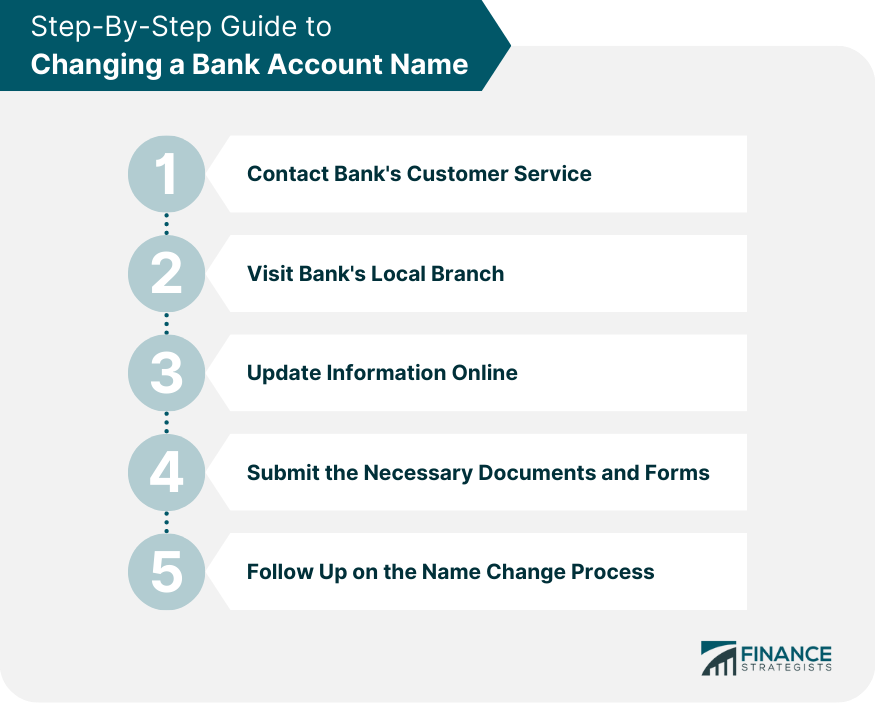
Regardless of the reason, the fundamental steps for changing your name on a bank account generally follow a similar pattern. Understanding this process can help you prepare and execute the change smoothly.
Contact Your Bank
The first and most crucial step is to contact your bank directly. Banks have specific procedures and requirements, which can vary slightly between institutions. You can initiate contact by visiting a local branch, calling their customer service line, or checking their official website for guidance. Explain your situation and inquire about the specific documents they require and the steps you need to follow. Some banks might allow certain parts of the process online or via mail, while others might mandate an in-person visit, especially for identity verification.
Gather Necessary Documents
Based on your bank’s instructions and the reason for your name change, you’ll need to collect a set of official documents. This is the most critical part, as incomplete documentation will cause delays. These typically include primary identification with your new name and official proof of the name change. It’s advisable to have both original documents and photocopies, though some banks may require certified copies.
Submit Your Request
Once you have all the required documents, you can submit your request. This often involves filling out a specific form provided by the bank. If you’re visiting a branch, a bank representative will guide you through the paperwork and verify your identity and documents on the spot. If submitting by mail, ensure you follow all instructions meticulously, potentially sending certified copies and retaining originals for your records. For online submissions, which are less common for name changes due to security protocols, you’ll upload digital copies of your documents.
Confirmation and Verification
After submission, the bank will process your request. This typically involves an internal verification period, which can range from a few business days to a couple of weeks, depending on the bank and the complexity of the change. You should receive a confirmation once the change has been successfully processed. It’s wise to monitor your account statements or online banking portal to ensure your new name is correctly reflected.
Required Documentation and What to Prepare
The success of your name change request hinges on providing the correct and complete documentation. Banks are stringent about identity verification to prevent fraud and comply with regulatory requirements.
Primary Identification with New Name
You will invariably need a primary form of identification that displays your new legal name. This typically includes:
-
Driver’s License: A state-issued driver’s license with your updated name.
-
Passport: A valid passport reflecting your new name.
-
State ID Card: An official identification card issued by the state.
Ensure these documents are current and have been updated before you approach your bank. Changing your ID documents with the relevant government agencies (DMV, Passport Agency) is often the first step in the entire name change process.
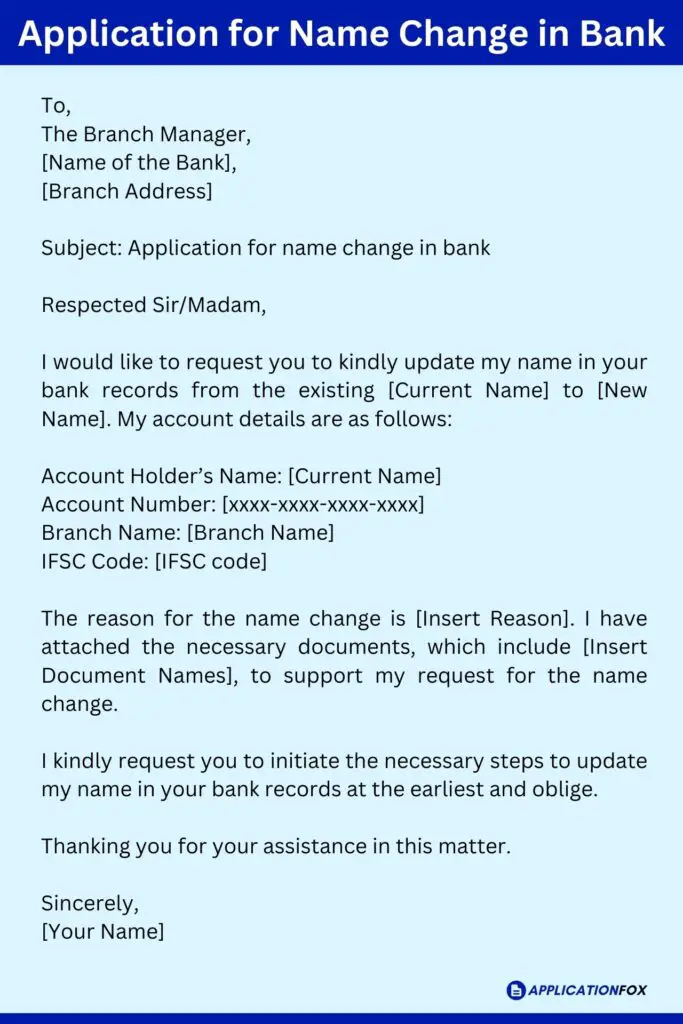
Proof of Name Change
This is the legal document that officially sanctions your name change. The specific document required will depend on the reason for the change:
-
Marriage Certificate: For name changes due to marriage.
-
Divorce Decree: For name changes following a divorce, especially if it explicitly states the name restoration.
-
Court Order: For all other legal name changes, such as those due to personal preference or gender affirmation. This is the most definitive proof for non-marriage/divorce related changes.
Ensure these are official, certified copies, not just photocopies.
Supporting Documents
In some cases, banks may request additional supporting documentation to further verify your identity or address. These might include:
-
Utility Bills: Recent bills (e.g., electricity, water, gas) showing your new name and current address.
-
Bank Statements: Recent statements from another financial institution, if applicable, to cross-reference information.
-
Social Security Card: While not primary ID, some banks might ask to see your updated Social Security card as further proof, especially if your Social Security Administration (SSA) record has already been updated.
Old and New Signature Samples
Banks keep signature records for security purposes. You may be required to provide a new signature sample that reflects your updated name. This ensures that any future checks or documents you sign can be verified against your updated bank records.
Business-Specific Documentation
For business accounts, the documentation requirements are more extensive and relate to the legal entity itself:
-
Employer Identification Number (EIN) Confirmation: If your business structure changed and required a new EIN, you’d need proof.
-
Articles of Incorporation/Organization: Updated articles reflecting the new business name.
-
Business License: An updated state or local business license.
-
Operating Agreement/Bylaws: Any amended internal documents.
-
Board Resolutions: If the name change was approved by a board of directors.
Special Considerations and Potential Challenges
While the process is generally straightforward, certain scenarios or aspects can introduce complexities. Being aware of these can help you mitigate potential issues.
Joint Accounts
If you hold a joint bank account, both account holders typically need to be present or provide consent for a name change. The bank will need to verify the identity and updated name of the individual undergoing the change, and often require the other joint holder’s approval, especially if the account terms or access might be affected. Communicate with your joint account holder(s) in advance to ensure a smooth process.
Minor Accounts
For accounts belonging to minors, a parent or legal guardian will typically need to initiate and oversee the name change. The required documentation will include the minor’s updated birth certificate or court order, along with the parent/guardian’s identification and proof of guardianship. Banks have strict protocols for minor accounts to protect children’s financial interests.
International Banks or Accounts
Changing your name on accounts held with international banks or in foreign countries can be more complex due to differing legal systems and banking regulations. You may need to provide apostilled or notarized translations of your legal documents, and the processing times could be significantly longer. It’s advisable to consult with the specific international bank or a legal expert familiar with the laws of that country.
Potential Fees and Timelines
While most banks do not charge a fee for a name change, it’s always good to confirm. However, there might be fees associated with ordering new checks or debit cards. The timeline for the change can vary widely, from a few days to several weeks. Factors influencing this include the bank’s internal processes, the complexity of your case, and the completeness of your documentation. Always ask about the expected timeline when you submit your request.
Impact on Credit Score or Financial Products
A name change on your bank account itself generally does not directly impact your credit score. Your credit history is linked to your Social Security Number (SSN) or Taxpayer Identification Number (TIN), not solely your name. However, failing to update your name across all financial accounts (e.g., credit cards, loans) can lead to discrepancies that might indirectly cause issues or delays when applying for new credit or verifying your identity. It’s crucial to ensure all your financial identities are consistent.
Post-Change Checklist: What to Do After Updating Your Name
Updating your bank account name is a significant step, but the process isn’t truly complete until you’ve updated your information across all relevant entities. This final checklist ensures consistency and prevents future complications.
Update Other Financial Accounts
Your bank account is just one piece of your financial puzzle. Ensure your new name is updated on:
-
Credit Cards: Contact each credit card issuer to update your name and request a new card.
-
Investment Accounts: Inform your brokerage firms, retirement account providers (e.g., 401k, IRA), and any other investment platforms.
-
Loans: Update your name with mortgage lenders, student loan providers, and auto loan companies.
-
Insurance Policies: Inform your health, auto, home, and life insurance providers.
Inform Employers and Government Agencies
Crucial entities need to know about your name change to ensure proper payroll, tax reporting, and benefit distribution:
-
Employer: Provide your HR department with your updated information for payroll, benefits, and tax documents (e.g., W-2s).
-
Social Security Administration (SSA): Update your name with the SSA first, as this underpins many other government records.
-
Internal Revenue Service (IRS): Ensure your name on file with the IRS matches your updated Social Security records, especially before tax season.
-
Department of Motor Vehicles (DMV): If you haven’t already, update your driver’s license or state ID.
-
Passport Agency: If you have a passport, apply for a new one with your updated name.
-
Other Government Benefits: If you receive benefits (e.g., veterans’ benefits, unemployment), inform the relevant agencies.
Update Recurring Payments and Subscriptions
To avoid interruptions in services, ensure you update your billing information with:
-
Utility Providers: Electricity, water, gas, internet, and phone companies.
-
Streaming Services: Netflix, Spotify, Hulu, etc.
-
Online Retailers: Amazon, eBay, and other frequent shopping sites where your payment information is stored.
-
Gym Memberships and Subscriptions: Any service that bills you directly.
Review Direct Deposits and Withdrawals
After your name is changed on your bank account, verify that all incoming direct deposits (like payroll) and outgoing automatic withdrawals (like bill payments) continue to process correctly. If any services directly link to your old name, they might require an update from their end or a resubmission of your bank details.

Order New Checks and Debit/Credit Cards
Once your name is officially updated, request new checks and a new debit card from your bank. Your old checks and card may still function for a transitional period, but it’s best to have updated versions to reflect your current legal name and for future transactions.
Changing your name on a bank account is a necessary administrative task that, while detailed, is manageable with proper planning and documentation. By understanding the reasons, the process, the required documents, and the post-change steps, you can ensure a smooth transition and maintain the integrity of your financial identity. Taking these proactive steps safeguards your financial well-being and prevents potential complications down the line, solidifying your control over your personal financial landscape.
aViewFromTheCave is a participant in the Amazon Services LLC Associates Program, an affiliate advertising program designed to provide a means for sites to earn advertising fees by advertising and linking to Amazon.com. Amazon, the Amazon logo, AmazonSupply, and the AmazonSupply logo are trademarks of Amazon.com, Inc. or its affiliates. As an Amazon Associate we earn affiliate commissions from qualifying purchases.