
Changing your legal name is a significant life milestone, whether it stems from marriage, divorce, a gender transition, or a personal preference for a fresh start. While the emotional and social aspects of a name change are often the focus, the administrative transition—specifically within your financial life—is arguably the most critical. Your bank account serves as the central hub of your personal finances; it is where your income lands, your bills are paid, and your credit history is anchored. Ensuring that your financial identity matches your legal identity is not merely a matter of preference; it is a regulatory necessity that impacts your ability to access credit, file taxes, and conduct daily transactions.
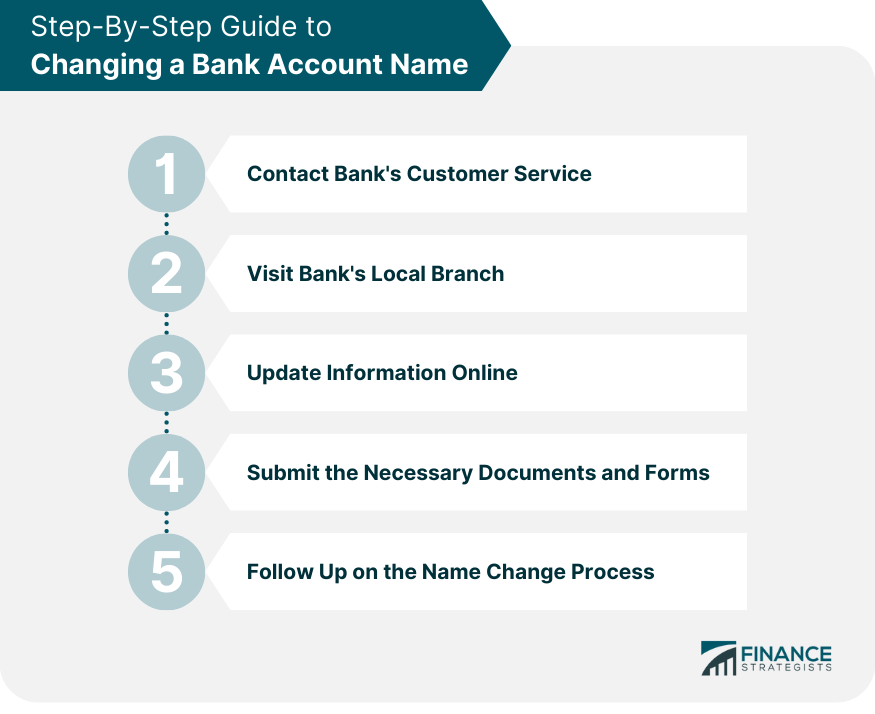
Navigating the bureaucracy of a financial institution can feel daunting, but understanding the protocols involved can streamline the process. Banks are governed by strict “Know Your Customer” (KYC) regulations designed to prevent fraud and money laundering. Consequently, they require specific sets of documentation to verify that you are who you say you are. This guide provides a detailed roadmap for updating your bank records, managing the ripple effects on your digital finance tools, and maintaining a healthy credit profile during the transition.
Preparing Your Legal Documentation: The Foundation of Financial Verification
Before you contact your bank, you must have your legal house in order. A bank cannot change the name on your account based on a verbal request or a social media update. They require government-sanctioned proof. The process of changing your name on a bank account is the final step in a chain of documentation that usually begins with a court or a government agency.
Primary Legal Documents Required
The specific document you need depends entirely on the reason for your name change. For those who have recently married, an original or certified copy of the marriage certificate is the primary requirement. If the change is due to a divorce, a court-issued divorce decree explicitly stating the restoration of a previous name is necessary. For other legal name changes, a formal court order signed by a judge is the gold standard.
It is important to note that banks generally require “certified copies” rather than photocopies. A certified copy usually bears a raised seal or a specific watermark from the issuing clerk’s office. Keeping several of these copies on hand during your transition is a wise financial move, as many institutions will require you to mail or present them in person.
The Role of Government IDs and the Social Security Administration
In the United States, the Social Security Administration (SSA) is the gatekeeper of your legal identity. Most banks will not update your account until you have first updated your records with the SSA. Once you have applied for a new Social Security card, you will receive a receipt or the new card itself, which serves as a foundational document for the bank.
Following the SSA update, you must update your state-issued identification, such as a driver’s license or state ID. Banks use these IDs to verify your physical identity. Attempting to change your name at a bank with an old ID and a new marriage certificate is often met with resistance; having a current photo ID that matches your new name is the most effective way to prevent delays.
The Step-by-Step Process with Financial Institutions
Once you have your new Social Security card and driver’s license, you are ready to approach your financial institution. Every bank has slightly different internal policies, but the core procedure remains consistent across the industry.
In-Person Visits vs. Digital Portals
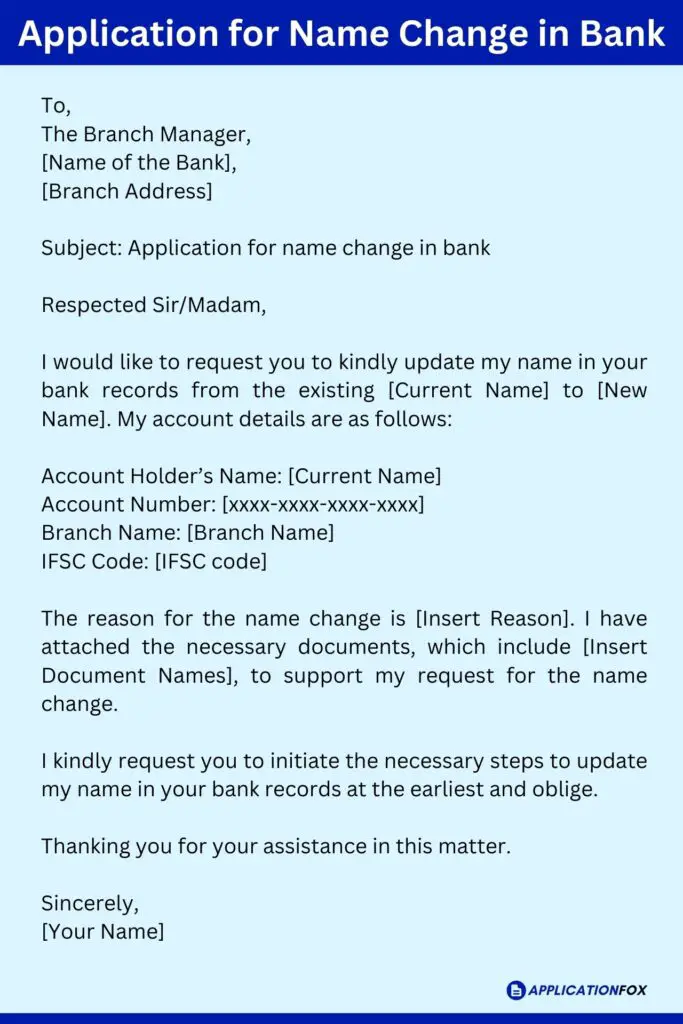
While we live in an era of digital-first banking, many traditional brick-and-mortar institutions still require an in-person visit to a local branch to process a name change. This is primarily for security and to allow a bank officer to physically inspect your original documents. If your bank is a national or regional chain, you can typically walk into any branch, though making an appointment with a personal banker can save time.
For online-only banks or fintech platforms, the process is handled through secure digital uploads or certified mail. You will likely be asked to sign into a secure portal, fill out a “Name Change Request Form,” and upload high-resolution scans of your documentation. Some online banks may still require you to mail a notarized copy of the name change affidavit to verify the authenticity of the request.
Managing Joint Accounts and Signature Cards
If you hold a joint account, the process becomes slightly more complex. Both parties may need to be present, or at the very least, the other account holder may need to sign updated documentation. A name change effectively requires the creation of a new “Signature Card.” This is the legal document the bank keeps on file to verify your signature on checks and legal authorizations. Even in a digital age, the signature card remains a vital piece of the bank’s risk management strategy.
When updating a joint account, take the opportunity to review your “Transfer on Death” (TOD) or “Payable on Death” (POD) beneficiaries. A name change is an ideal time to ensure that all estate planning elements attached to your bank account are current and legally sound.
What to Expect: Timeframes and Verification Procedures
Updating a name is not instantaneous. Once you submit your paperwork, the bank’s back-office or compliance department must verify the documents. This can take anywhere from 24 hours to two weeks. During this period, your old checks and debit cards may still function, but it is best to limit major transactions until you receive confirmation that the update is complete. The bank will often issue a formal letter or email notification once their records have been officially transitioned.
Beyond the Account: Updating Integrated Financial Tools
Changing the name on your account is only the first half of the battle. The modern financial life is interconnected, and failing to update the “peripheral” tools associated with your bank account can lead to declined transactions and administrative headaches.
Debit and Credit Card Reissuance
As soon as your name is updated in the bank’s system, you should request new debit and credit cards. Most banks will not automatically send these; you must trigger the request. Be aware that your card number might stay the same, but the name on the physical card and the EMV chip data must match your legal ID to avoid issues at point-of-sale terminals, especially when traveling or making high-value purchases where ID might be requested.
Additionally, check your credit cards. If you have cards with the same bank, they may update automatically, but cards from other issuers will require separate notifications. This is also a critical time to update your name with the three major credit bureaus (Equifax, Experian, and TransUnion), though they typically pull this information from your creditors over one or two billing cycles.
Checkbooks and Direct Deposit Settings
If you still use paper checks, your old ones are technically obsolete once your name is changed. While many banks will honor checks with your old name for a short transition period, it is professional and financially prudent to order a new set immediately.
More importantly, you must notify your employer’s payroll department. If your direct deposit is sent under a name that does not match the name on the receiving account, the bank’s automated systems might flag the deposit as suspicious or reject it entirely. Provide your HR department with the same legal documentation you gave the bank to ensure a seamless transition of your salary.
Online Banking Profiles and Digital Wallets
In the digital space, ensure your profile settings are updated in your banking app. This includes your contact email and any “Zelle” or “Venmo” aliases linked to your account. Digital wallets like Apple Pay, Google Pay, and Samsung Pay should also be updated. You will likely need to remove your old card and re-add the new one to ensure the metadata associated with the digital token matches your updated account information.
Strategic Financial Considerations Post-Name Change
A name change is a pivotal moment to conduct a comprehensive “financial physical.” Beyond the paperwork, there are strategic considerations that impact your long-term financial health.
Impact on Credit Reporting and Credit Scores
One of the most common concerns is whether a name change will “reset” or damage a credit score. Fortunately, your credit history is tied primarily to your Social Security number, not your name. When the bank updates your records, they report the change to the credit bureaus. Your credit report will eventually list your new name as the primary identity and your old name as an “alias” or “previously known as.”
To ensure there are no gaps, it is recommended to pull a free credit report about three months after your name change. Verify that all accounts are correctly showing under the new name and that your credit age and payment history remain intact. This is particularly important if you plan on applying for a mortgage or auto loan in the near future.
Tax Implications and the IRS Connection
The IRS receives data from the Social Security Administration. If you change your name at the bank but fail to notify the SSA, you may run into significant issues when filing your tax return. If the name on your tax return does not match the name on file with the SSA, the IRS’s automated systems may reject your return or delay your refund.
From a banking perspective, ensure that your Form W-9 (Request for Taxpayer Identification Number and Certification) is updated if you have any interest-bearing accounts or investment vehicles. This ensures that the 1099-INT or 1099-DIV forms you receive at the end of the year are accurate, preventing a mismatch that could trigger an audit.

Future-Proofing Your Personal Finances
Finally, use this transition as an opportunity to reorganize. Update your emergency contact information, review your insurance policies (life, health, and auto), and ensure your retirement accounts (401k, IRA) are aligned with your new identity.
A name change is more than a change of letters; it is a realignment of your legal and financial presence in the world. By approaching the process with a methodical, documentation-first mindset, you can protect your assets, maintain your credit standing, and ensure that your financial foundation remains secure as you enter this new chapter of your life. Consistent record-keeping and proactive communication with your financial institutions are the keys to a successful and stress-free transition.
aViewFromTheCave is a participant in the Amazon Services LLC Associates Program, an affiliate advertising program designed to provide a means for sites to earn advertising fees by advertising and linking to Amazon.com. Amazon, the Amazon logo, AmazonSupply, and the AmazonSupply logo are trademarks of Amazon.com, Inc. or its affiliates. As an Amazon Associate we earn affiliate commissions from qualifying purchases.