
In today’s interconnected financial world, knowing your bank account number is fundamental for a myriad of essential tasks. Whether you’re setting up a new direct deposit for your paycheck, initiating an international money transfer, linking your accounts to a budgeting app, or simply needing it for tax purposes, this unique identifier is crucial. While it might seem like a piece of information you should always have at your fingertips, it’s surprisingly common for individuals to draw a blank, especially if they primarily rely on debit cards or digital payment apps.
Finding your bank account number isn’t a complex endeavor, but it does require knowing where to look and understanding the security protocols involved. This comprehensive guide will walk you through the most reliable methods to locate your bank account number, ensuring you can confidently manage your finances while maintaining the highest level of security.
Traditional Methods: Physical Documents and Statements
Before the age of widespread digital banking, physical documents were the primary means of accessing and verifying your account details. These methods remain highly reliable and often serve as a go-to for many individuals.
Checking Your Physical Checks
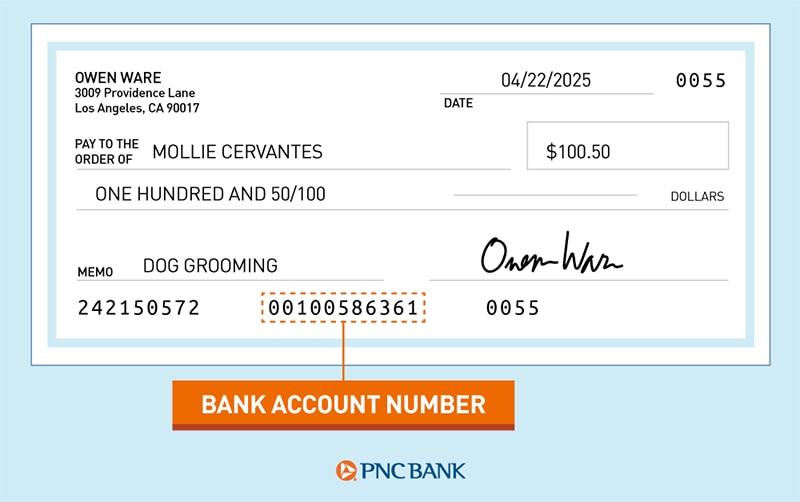
One of the most common and immediate places to find your bank account number is on a physical check from your checking account. Look at the bottom of a check. You’ll typically see three sets of numbers. From left to right, these are usually:
-
Routing Number: This nine-digit number identifies your financial institution. It tells other banks where to send the money.
-
Account Number: This is your specific bank account number, which can range from 8 to 12 digits depending on the bank. It uniquely identifies your individual account within that bank.
-
Check Number: This number identifies the specific check in the sequence.
Your account number is usually the middle set of numbers. It’s important to distinguish it from the routing number and the check number. If you have a checkbook, you always have a reliable reference point for your account number.
Bank Statements
Bank statements, whether received in the mail or accessed digitally, are official records of your account activity and always include your full account number.
-
Paper Statements: If you receive paper statements by mail, carefully review the top section of the statement. Your account number is prominently displayed, often near your name and address, or within the “account summary” section. Keep these statements in a secure location, as they contain sensitive information.
-
Digital Statements (e-Statements): Most banks now offer the option to receive electronic statements. You can typically access these through your online banking portal (which we’ll cover next). Once logged in, navigate to the “Statements,” “Documents,” or “e-Documents” section. Select the most recent statement and open the PDF. Your account number will be clearly visible, just as it would be on a paper statement. This is an excellent method as it provides a readily accessible, yet secure, digital record.
Deposit Slips
Similar to checks, deposit slips provided by your bank also contain your account number. If you’ve ever filled out a paper deposit slip, you’ll notice the pre-printed account number at the bottom. These slips are primarily used for making deposits to your account, so they must clearly identify the target account. While less common to have a blank deposit slip on hand compared to a check, if you have one lying around, it’s a quick reference.
Account Opening Documents
When you initially opened your bank account, you would have received a set of documents, often referred to as a “welcome kit” or “account agreement.” These documents contain all the critical details of your account, including your full account number, the date of opening, and the terms and conditions. While these might not be readily accessible years after opening an account, if you’ve kept your important financial papers organized, this can be a definitive source. Think about where you store contracts, loan agreements, or other vital records – your initial bank documents might be there.
Digital Pathways: Online and Mobile Banking
The rise of digital banking has revolutionized how we manage our finances, providing unparalleled convenience and access to information. Your bank’s online portal and mobile app are powerful tools for finding your account number.
Navigating Your Online Banking Portal
Your bank’s website is arguably the most convenient and frequently used method for accessing your account information. Here’s a general step-by-step guide:
-
Log In Securely: Go to your bank’s official website and log in using your unique username and password. Always ensure you are on the legitimate website (check the URL for “https://” and look for a padlock icon).
-
Select the Desired Account: Once logged in, you’ll typically see a dashboard displaying all your accounts (checking, savings, credit cards, etc.). Click on the specific checking or savings account for which you need the number.
-
Locate Account Details: Within the selected account’s view, look for sections like “Account Details,” “Account Summary,” “View Statement,” or “Manage Account.” Banks vary in their exact terminology, but it’s usually intuitive.
-
Find the Account Number: In this section, your full account number should be displayed. Some banks might initially show only the last few digits for security reasons and require you to click an option like “Show Full Account Number” or enter a password/PIN for full disclosure. This additional security step is designed to protect your information from anyone who might be looking over your shoulder.
Utilizing Mobile Banking Apps
Mobile banking apps offer a streamlined experience for managing your money on the go. Finding your account number through an app is very similar to the online portal:
-
Open and Log In: Launch your bank’s official mobile app on your smartphone or tablet and log in using your credentials, fingerprint, or facial recognition.
-
Select the Account: Tap on the specific account you need information for from your account list.
-
Access Account Details: Look for an option like “Account Details,” “Account Info,” “Statement,” or a “gear” or “three-dot” icon that typically signifies settings or more options for that account.
-
View Account Number: Similar to the online portal, your account number will be displayed, possibly requiring an extra tap or verification to reveal the full number. The design and navigation might differ slightly between apps, but the core functionality is consistent.
Digital Statements and e-Documents
As mentioned under traditional methods, your online banking portal and mobile app also provide access to your digital statements. These e-statements are identical to their paper counterparts and contain your full account number. This is an excellent method for historical reference and ensures you have a secure, digital copy available whenever needed.
Direct Assistance: Contacting Your Bank
If for any reason you’re unable to access your physical documents or online banking, or if you prefer direct communication, contacting your bank directly is a secure and reliable option.
Calling Customer Service

This is often the quickest way to get your account number if you can’t find it through other means.
-
Prepare for Verification: Before calling, have some personal information ready. The customer service representative will need to verify your identity to protect your account. This typically includes your full name, address, date of birth, Social Security Number (SSN) or Taxpayer Identification Number (TIN), and possibly answers to security questions you’ve set up with the bank. They may also ask for a recent transaction detail to confirm you are the account holder.
-
Dial the Official Number: Always use the customer service number listed on your bank’s official website, on the back of your debit card, or on a recent bank statement. Avoid numbers found through generic web searches, as these could lead to phishing scams.
-
Explain Your Request: Clearly state that you need your account number and are having trouble locating it. The representative will guide you through the verification process and provide the number once your identity is confirmed.
Visiting a Branch In Person
For those who prefer face-to-face interaction or if a phone call isn’t an option, visiting a local branch is an excellent way to retrieve your account number.
-
Bring Identification: Make sure to bring one or two forms of valid, government-issued photo identification, such as a driver’s license, state ID, or passport. This is crucial for identity verification.
-
Speak with a Teller or Representative: Approach a teller or customer service representative and explain your need. They will ask for your ID and may ask additional security questions to verify your identity before providing your account number. This method offers the highest level of security, as your identity is visually confirmed.
Secure Messaging within Banking Platforms
Many banks now offer secure messaging or chat features within their online banking portals or mobile apps. This allows you to communicate with a bank representative in a secure, authenticated environment without making a phone call.
-
Log In and Navigate: Log into your online banking portal or mobile app. Look for a “Messages,” “Contact Us,” “Secure Mail,” or “Chat” option.
-
Initiate a Conversation: Start a new message or chat session. Explain your request for your account number. Since you’re already logged into a secure platform, identity verification may be less extensive than over the phone, but the representative may still ask for specific details for confirmation.
-
Receive Your Number: The representative will provide your account number through the secure messaging system.
Understanding Your Account Number and Routing Number
While the focus of this guide is on finding your account number, it’s essential to understand its relationship with your routing number. These two numbers work in tandem for most financial transactions.
Differentiating Account Number from Routing Number
-
Account Number: This is your unique identifier within your specific bank. It tells the bank which specific account to deposit money into or withdraw money from.
-
Routing Number: This nine-digit number identifies your specific bank or financial institution. It tells which bank the transaction should go to. Think of it as the bank’s address.
Importance of Both for Transactions
For almost any transaction involving direct transfers of funds between banks – such as direct deposit, wire transfers, ACH payments (like paying bills online), or setting up automatic withdrawals – you will need both your bank’s routing number and your specific account number. Providing only one will lead to a failed transaction.
Where to Find Your Routing Number
While this article primarily focuses on your account number, it’s worth noting that your routing number is generally easier to find:
-
On Checks: It’s the leftmost set of numbers.
-
Bank Statements: Usually listed near your account number.
-
Online Banking/Mobile App: Often found on the “Account Details” page alongside your account number.
-
Bank’s Website: Many banks list their routing number prominently on their homepage or “Contact Us” section.
Security Best Practices When Handling Account Information
Your bank account number is a critical piece of financial information. Protecting it from unauthorized access is paramount to preventing fraud and identity theft.
Protecting Your Information
-
Never Share Unsolicited: Do not provide your account number to anyone who contacts you unexpectedly via email, phone, or text, claiming to be your bank or another legitimate entity. Banks will never ask for your full account number (or password) via unsecured email or text messages.
-
Use Strong, Unique Passwords: For your online banking and mobile app, always use strong, complex passwords that are unique to your banking accounts. Enable two-factor authentication (2FA) if your bank offers it, which adds an extra layer of security.
-
Be Wary of Phishing and Scams: Be vigilant against phishing attempts. These are fraudulent communications designed to trick you into revealing sensitive information. Always verify the sender and the legitimacy of the request before clicking links or providing details. If in doubt, contact your bank directly using official contact information.
-
Secure Wi-Fi: Avoid accessing your bank accounts or sharing sensitive information over public, unsecured Wi-Fi networks. These networks are often vulnerable to eavesdropping.
Secure Storage
-
Avoid Writing It Down Carelessly: Don’t write your full account number on easily discoverable notes, in your wallet without protection, or on devices that could be lost or stolen.
-
Digital Security: If you must store it digitally (e.g., in a password manager), ensure it’s in an encrypted, secure environment.
Verifying Recipients
Before providing your account number to a legitimate recipient (e.g., your employer for direct deposit, a utility company for automatic payments), always double-check their legitimacy and the context of the request. Confirm that you are providing the information to the correct, authorized party for the stated purpose.
Recognizing Scams
Be alert to anyone asking for your account number for unusual reasons, offering too-good-to-be-true deals, or pressuring you for immediate action. These are classic red flags of potential scams.

Conclusion
Finding your bank account number is a straightforward process once you know where to look. From the traditional reliability of physical checks and bank statements to the modern convenience of online banking portals and mobile apps, or the direct support of customer service, multiple secure avenues are available.
Remember that while your account number is essential for legitimate financial activities, it is also a sensitive piece of personal information. Always prioritize security by using official channels, verifying identities, and adhering to best practices for safeguarding your financial data. By understanding these methods and embracing security consciousness, you can confidently access and manage your bank account number whenever the need arises.
aViewFromTheCave is a participant in the Amazon Services LLC Associates Program, an affiliate advertising program designed to provide a means for sites to earn advertising fees by advertising and linking to Amazon.com. Amazon, the Amazon logo, AmazonSupply, and the AmazonSupply logo are trademarks of Amazon.com, Inc. or its affiliates. As an Amazon Associate we earn affiliate commissions from qualifying purchases.