
Managing your credit card payments effectively is a cornerstone of sound personal finance. For Bank of America credit cardholders, understanding the various payment methods available, coupled with best practices for managing your account, is crucial for maintaining a healthy credit score, avoiding unnecessary fees, and ultimately achieving financial stability. This guide will meticulously walk you through every conceivable method to pay your Bank of America credit card, offering insights into each option’s benefits and considerations, and integrating these practices into your broader financial strategy.
Navigating Your Payment Landscape: Diverse Options for Financial Control
Bank of America provides a robust suite of payment options designed to offer flexibility, convenience, and control over your credit card obligations. Choosing the right method often depends on your personal preferences, urgency, and the resources available to you.
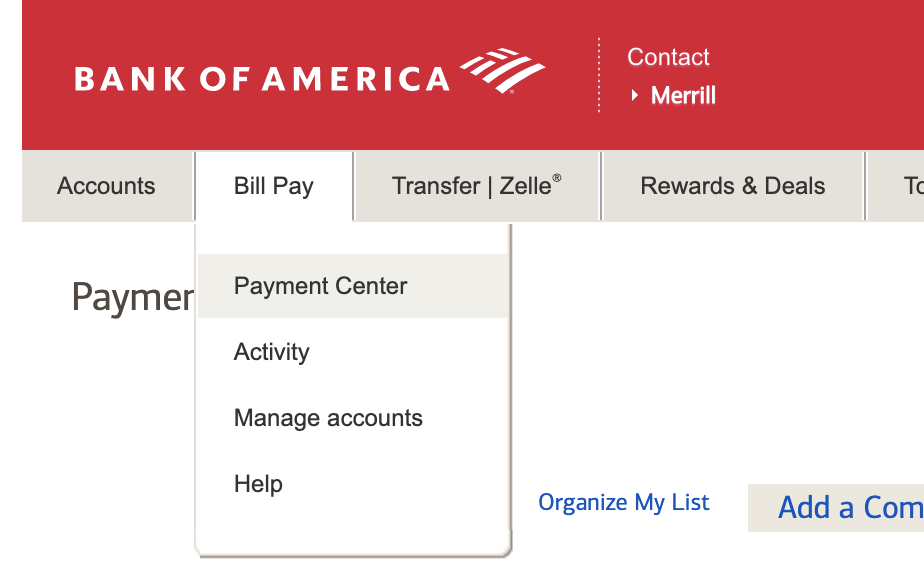
Digital Dominance: Online Banking and the Bank of America Mobile App
In today’s digital age, online platforms and mobile applications have become the most popular and efficient ways to manage your finances, and credit card payments are no exception. Bank of America’s digital tools offer unparalleled convenience.
Paying via Online Banking:
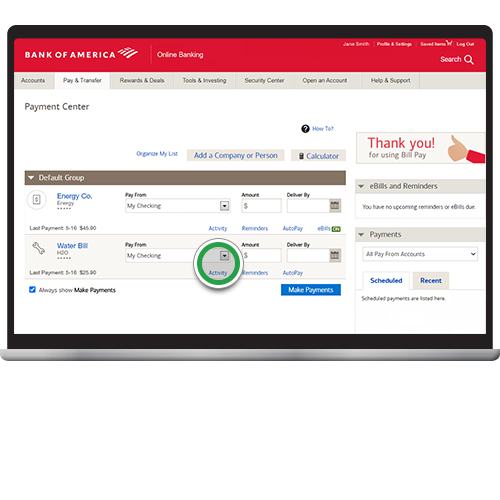
Once logged into your Bank of America online banking account, you’ll find a dedicated section for your credit cards. From there, you can easily:
-
Select Your Account: Choose the specific credit card you wish to pay.
-
Initiate Payment: Select the “Make a Payment” or similar option.
-
Choose Payment Amount: You’ll typically have options to pay the minimum amount due, the full statement balance, your current balance, or a custom amount.
-
Select Payment Date: Specify when you want the payment to be processed.
-
Choose Payment Source: You can use a linked Bank of America checking or savings account, or add an external bank account (from another financial institution) as a payment source. If using an external account, ensure it’s linked and verified beforehand, which might take a few business days.
-
Review and Confirm: Double-check all details before confirming the payment. You’ll usually receive a confirmation number.
Paying via the Bank of America Mobile App:
The mobile app offers a streamlined experience with the added benefit of on-the-go access. The steps are very similar to online banking, often more intuitive due to the mobile-first design:
-
Log In: Use your credentials, or biometric authentication (fingerprint, face ID) for quick access.
-
Navigate to Credit Card: Find your credit card account listed on the dashboard.
-
Tap “Make a Payment”: The button is usually prominently displayed.
-
Enter Details: Input the amount, select the payment date, and choose the funding source.
-
Confirm: Verify the payment details and submit.
Benefits: Digital payments are swift, secure (when using secure networks), and provide instant confirmation. You can schedule payments in advance, view payment history, and access statements all in one place.
The Power of Automation: Setting Up AutoPay
For ultimate peace of mind and to virtually eliminate the risk of missing a payment, setting up AutoPay is an invaluable financial tool. AutoPay automatically deducts your payment from your designated bank account on or before your due date.
How to Set Up AutoPay:
You can set this up through your Bank of America online banking portal or mobile app. You’ll typically be able to choose from a few options:
-
Statement Balance: Pay the full amount of your statement each month. This is the ideal option for those who want to avoid interest charges entirely.
-
Minimum Payment Due: Pay only the minimum required amount. While this prevents late fees, it will accrue interest on the remaining balance.
-
Fixed Amount: Choose a specific dollar amount to pay each month. This is useful for consistent budgeting, but you must ensure it covers at least the minimum, and preferably more, to reduce your balance effectively.
Considerations: While incredibly convenient, ensure that the linked bank account always has sufficient funds to cover the AutoPay amount. Overdrafts can incur fees and negatively impact your financial standing. Regularly review your statements to ensure the correct amount is being debited.
Traditional Avenues: In-Person and Mail Payments
While digital methods dominate, Bank of America still supports traditional payment methods for those who prefer them or have specific needs.
In-Person Payments:
You can visit any Bank of America financial center to make a payment.
-
Process: Simply bring your credit card statement or card number to a teller, along with your payment (cash or check).
-
Benefits: This is ideal if you prefer to pay with cash, need a physical receipt, or have questions that a teller can answer. Payments are usually posted quickly.
-
Location: Use the Bank of America website or app to find the nearest financial center.
Mail Payments:
For those who prefer a physical check, paying by mail remains an option.
-
Process: Write a check payable to “Bank of America” for the desired amount. Detach the payment coupon from your credit card statement and mail it along with your check in the provided envelope. Ensure your credit card account number is written clearly on the check’s memo line.
-
Mailing Address: The correct payment address will be listed on your monthly statement. Do not guess or use a generic corporate address.
-
Considerations: This method requires foresight due to mail transit times. Send your payment at least 7-10 business days before your due date to ensure it arrives and is processed on time. Missed due dates due to postal delays are still considered late payments.
Direct Communication: Phone Payments
If you need to make a payment quickly, are experiencing issues with online platforms, or prefer speaking to a representative, paying by phone is an option.
-
Process: Call the customer service number listed on the back of your credit card or on your statement. You’ll typically navigate an automated system or speak to a representative to provide your account and payment details.
-
Potential Fees: Be aware that some credit card issuers may charge a fee for making payments over the phone with a representative. Confirm this before proceeding.
-
Urgency: This method can be useful for last-minute payments if you’re close to a due date, though digital methods are often faster.
Strategic Payment Practices: Optimizing Your Credit Card Management
Beyond just knowing how to pay, understanding how to pay strategically is vital for your financial health.
Beyond the Minimum: Accelerating Debt Reduction and Interest Savings
While paying the minimum amount due keeps your account in good standing, it’s a slow and expensive way to pay off debt. Credit card interest rates can be high, and paying only the minimum means most of your payment goes towards interest, with very little reducing your principal balance.
-
The Impact of Interest: Compound interest works against you, making your debt grow larger over time if not managed.
-
Saving Money: Paying more than the minimum — ideally, the full statement balance each month — dramatically reduces the total interest paid over the life of the debt, saving you significant money.
-
Improving Credit Utilization: Paying down your balance also lowers your credit utilization ratio (the amount of credit you’re using versus your total available credit), which is a key factor in your credit score.
Mastering Due Dates and Statement Cycles for Flawless Payments
Understanding your credit card’s billing cycle is critical.
-
Billing Cycle: This is the period (usually 28-31 days) during which transactions are recorded.
-
Statement Closing Date: The last day of your billing cycle. All transactions up to this date appear on your statement.
-
Payment Due Date: The date by which your payment must be received by Bank of America. This is typically 21-25 days after your statement closing date.
Best Practice: Aim to pay your credit card bill a few days before the due date. This buffer helps account for any unforeseen processing delays. If you consistently pay your full statement balance before the due date, you generally won’t incur any interest charges (assuming you’re not carrying a balance from previous months).
The Credit Score Connection: Why Timely Payments Are Paramount
Your payment history is the single most important factor in your credit score, accounting for approximately 35% of your FICO score.
-
Late Payments Hurt: Even a single payment that is 30 days or more past due can severely damage your credit score, which can take years to recover from. This negative mark stays on your credit report for up to seven years.
-
Positive Impact: Consistent, on-time payments build a strong credit history, leading to a higher credit score. A good credit score opens doors to lower interest rates on loans (mortgages, auto loans), better credit card offers, and even affects things like insurance premiums and rental applications.
Leveraging Bank of America’s Tools for Enhanced Payment Management
Bank of America provides several digital features within its online banking and mobile app to help you stay on top of your payments and manage your account effectively.
Proactive Reminders: Alerts and Notifications
Set up customized alerts to ensure you never miss an important date or event related to your credit card.
-
Payment Due Date Reminders: Get an alert a few days before your payment is due.
-
Payment Confirmation: Receive a notification once your payment has been processed.
-
Balance Alerts: Be informed if your balance reaches a certain threshold.
-
Security Alerts: Get notifications for suspicious activity or large transactions.
These alerts can be delivered via email, text message, or push notifications through the mobile app, acting as a crucial safety net for your financial well-being.
Insightful Tracking: Accessing Payment History and Statements
Regularly review your payment history and monthly statements to ensure accuracy and track your financial habits.
-
Digital Statements: Access digital versions of your monthly statements, often going back several years. This makes budgeting, tax preparation, and dispute resolution much easier.
-
Payment History: View a detailed record of all payments made, including dates, amounts, and payment methods. This helps confirm that all payments were processed correctly.
-
Transaction Monitoring: Use your statement to reconcile your spending, identify any unauthorized charges, and understand where your money is going.
Streamlining External Payments: Linking Accounts
If you use accounts from other banks, Bank of America makes it easy to link them for payment purposes. This centralizes your payment management within their platform.
-
Process: You can add external accounts through your online banking portal. This usually involves a verification process, such as micro-deposits, to ensure you own the account.
-
Benefits: Once linked, you can seamlessly pull funds from your external checking or savings accounts to pay your Bank of America credit card, simplifying your financial ecosystem.
Addressing Common Challenges and Ensuring Payment Security
Even with the best intentions, challenges can arise. Being prepared and understanding security measures is key.
When Funds Are Low: Exploring Options Before It’s Too Late
Life happens, and sometimes you might find yourself unable to make a full payment.
-
Communicate Early: If you anticipate difficulty making a payment, contact Bank of America customer service before the due date. They may be able to offer solutions like a temporary payment arrangement or hardship program, which could help avoid a late payment mark on your credit report.
-
Pay Something: Even if you can’t pay the full amount, paying at least the minimum due will prevent a late payment fee and a negative impact on your credit score.
-
Avoid Panic: Don’t ignore the issue. Proactive communication is always better than reactive damage control.
Protecting Your Financial Information: Security Best Practices
When making digital payments, security is paramount.
-
Secure Networks: Always use a secure, private internet connection when accessing your bank accounts or making payments. Avoid public Wi-Fi networks for sensitive transactions.
-
Strong Passwords and 2FA: Use strong, unique passwords for all your financial accounts and enable two-factor authentication (2FA) whenever possible for an added layer of security.
-
Beware of Phishing: Be vigilant against phishing attempts. Bank of America will never ask for your personal information (like passwords or full account numbers) via unsolicited emails or texts. Always verify the sender and URL.
-
Monitor Activity: Regularly check your credit card and bank statements for any suspicious or unauthorized activity. Report anything unusual immediately.
Confirming Your Payment: The Final Step
After initiating any payment, it’s crucial to confirm it has been successfully processed.
-
Confirmation Numbers: Always note down or save payment confirmation numbers.
-
Check Account Activity: A few days after making a payment, log into your Bank of America account to confirm the payment has posted and your balance has been updated. Also, check the source account (checking/savings) to ensure the funds were debited.
This verification provides peace of mind and allows you to quickly address any discrepancies.
Integrating Credit Card Payments into Your Broader Financial Strategy
Paying your credit card isn’t an isolated task; it’s an integral part of your overall financial health.
Budgeting for Success: Allocating Funds for Credit Card Payments
A robust budget is the foundation of effective financial management. Include your credit card payments as a non-negotiable line item in your monthly budget.
-
Prioritize: Treat credit card payments, especially if you’re carrying a balance, with the same importance as rent or utilities.
-
Track Spending: Understand where your money is going to identify areas where you can cut back to free up funds for larger credit card payments.
-
Debt Reduction Focus: If you have multiple credit cards or significant balances, consider strategies like the debt snowball or debt avalanche to prioritize payments and accelerate debt payoff.

Debt Management and Optimization: Beyond Just Paying the Bill
For those with substantial credit card debt, simply making payments might not be enough.
-
Balance Transfers: If you have high-interest debt, consider a balance transfer to a new card with a 0% introductory APR. This can give you a window to pay down principal without accruing interest, but be mindful of transfer fees and the promotional period’s end.
-
Debt Consolidation Loans: A personal loan with a lower interest rate can consolidate multiple credit card debts into one manageable monthly payment, potentially saving you money and simplifying your finances.
-
Financial Counseling: If you feel overwhelmed, consider consulting a non-profit credit counseling service. They can help you create a debt management plan and offer personalized advice.
In conclusion, paying your Bank of America credit card is a straightforward process with multiple convenient options. By leveraging digital tools, understanding your payment cycles, embracing strategic payment practices, and integrating these into a comprehensive financial plan, you can effectively manage your credit card, protect your financial standing, and move closer to achieving your financial goals.
aViewFromTheCave is a participant in the Amazon Services LLC Associates Program, an affiliate advertising program designed to provide a means for sites to earn advertising fees by advertising and linking to Amazon.com. Amazon, the Amazon logo, AmazonSupply, and the AmazonSupply logo are trademarks of Amazon.com, Inc. or its affiliates. As an Amazon Associate we earn affiliate commissions from qualifying purchases.