
In an increasingly cashless world, the seemingly simple question, “Where’s the nearest ATM machine?” can still trigger a surprising degree of anxiety. While digital payment methods like credit cards, mobile wallets, and peer-to-peer transfers dominate daily transactions, the need for physical cash remains a persistent reality for many. Whether it’s an unexpected need for small bills, a vendor that only accepts cash, or a personal preference for tangible money management, the ATM stands as a crucial, albeit sometimes elusive, pillar of personal finance. This article delves into the enduring relevance of cash, the strategies for locating ATMs efficiently, and how to integrate smart ATM usage into a robust personal finance strategy.

The Enduring Relevance of Cash in a Digital Age
Despite the continuous push towards a fully digital economy, cash retains a vital, often understated, role in the financial ecosystem. Its universal acceptance, immediate finality, and the sense of control it offers continue to make it indispensable in various scenarios.
When Digital Fails: Scenarios Where Cash Is King
Even with the sophistication of modern payment systems, there are numerous situations where cash remains the undisputed king. Consider the street vendor selling fresh produce at a farmers’ market, a small independent coffee shop in a remote town, or an emergency situation where power outages render digital systems inoperative. Natural disasters, network failures, or even simple technical glitches can quickly expose the vulnerabilities of an entirely cashless existence. In such moments, the physical currency in your wallet or accessible via an ATM becomes your most reliable medium of exchange. Furthermore, cash offers a level of privacy that digital transactions simply cannot; for those who value financial discretion, cash provides an untraceable method of payment. For many, especially in rural areas or developing countries, cash is still the primary, if not the only, accepted form of payment, making access to ATMs a fundamental necessity rather than a mere convenience.
Bridging the Divide: How ATMs Facilitate Both Traditional and Modern Financial Ecosystems
ATMs serve as a critical bridge between traditional cash-based transactions and the broader digital financial infrastructure. They allow individuals to convert their digital bank balances into physical currency and, increasingly, to deposit cash back into their digital accounts. This bidirectional flow is essential for maintaining liquidity and flexibility in personal finance. For businesses that operate primarily in cash, ATMs provide a convenient way to deposit their daily earnings, linking their physical sales directly to their digital banking records. Similarly, gig economy workers, freelancers, or those operating informal businesses often rely on cash payments and subsequently use ATMs to manage their funds. In essence, ATMs don’t just facilitate cash withdrawals; they empower individuals and small businesses to navigate a hybrid financial landscape, ensuring they can participate effectively in both the analog and digital economies. They stand as a testament to the fact that while technology rapidly advances, the fundamental need for accessible currency remains a constant.
Navigating the ATM Landscape: Finding Your Cash Source
The days of aimlessly wandering the streets hoping to spot an ATM are largely behind us, thanks to technological advancements. However, smart navigation involves more than just finding the closest machine; it also means understanding network affiliations and avoiding unnecessary fees.
Leveraging Technology: Banking Apps, Google Maps, and Dedicated ATM Locators
In today’s interconnected world, finding an ATM is often just a few taps away. Most major banks offer robust mobile applications that include an ATM locator feature, often integrated with GPS to show the nearest branded machines. These apps can also provide details like operating hours and whether the ATM offers advanced services such as deposits. Beyond specific bank apps, general mapping services like Google Maps, Apple Maps, and Waze have incorporated ATM search functionalities. Simply typing “ATM” or “cash machine” into the search bar will usually yield a list of nearby locations, often with directions and user reviews. For broader coverage, dedicated ATM locator apps and websites, such as those provided by network alliances like Allpoint, Plus, and Cirrus, can be invaluable. These tools allow you to find ATMs that are part of a surcharge-free network, which can save you significant money over time. Utilizing these technologies proactively can transform the panicked search for cash into a quick, seamless process, ensuring you’re never stranded without access to your funds.
Beyond Your Bank: Understanding Network Affiliations (Plus, Cirrus, Allpoint)
While finding your own bank’s ATM is ideal for avoiding fees, it’s not always practical. This is where understanding ATM networks becomes crucial. Visa’s Plus network and MasterCard’s Cirrus network are the two largest global interbank networks, meaning most debit and credit cards are affiliated with one or both. If you see the Plus or Cirrus logo on an ATM, you can generally use your card there, though you might incur a foreign ATM fee from your bank and a surcharge from the ATM owner.
A more financially savvy approach involves seeking out surcharge-free networks like Allpoint, MoneyPass, or CO-OP. These networks consist of thousands of ATMs located in convenient places like grocery stores, pharmacies, and gas stations, allowing cardholders of participating banks to withdraw cash without paying an owner-imposed surcharge. Before you travel or if you frequently find yourself needing cash away from your primary bank, it’s wise to check if your bank is part of any of these surcharge-free networks. This proactive research can translate into substantial savings over time, transforming what could be an expensive transaction into a cost-free convenience.
The Hidden Costs: ATM Fees and How to Avoid Them
One of the most frustrating aspects of using an ATM not affiliated with your bank is the potential for multiple fees. These typically include:
-
Surcharge Fee: Levied by the owner of the ATM (the bank or independent operator) for using their machine. This fee is usually displayed on the ATM screen before you complete the transaction.
-
Foreign ATM Fee (or Out-of-Network Fee): Charged by your own bank for using an ATM outside of their network. This fee is typically a flat rate per transaction.
-
Currency Conversion Fee: If you’re using an ATM in a foreign country, your bank may also charge a percentage-based fee for converting the foreign currency into your home currency.
These fees can quickly add up, turning a simple cash withdrawal into an expensive transaction. To avoid them:
-
Use your own bank’s ATMs: This is the most straightforward way to avoid both types of fees.
-
Utilize surcharge-free networks: As discussed, networks like Allpoint or MoneyPass can be lifesavers. Check your bank’s website or app for participating ATMs.
-
Plan your withdrawals: Instead of making multiple small withdrawals, take out a larger sum that will last you for a few days or weeks, reducing the number of fee-incurring transactions.
-
Consider banks that refund ATM fees: Some online banks or specific account types offer to refund foreign ATM fees and even surcharges, making them excellent choices for frequent travelers or those without easy access to their bank’s ATMs.
-
Use a debit card with no foreign transaction fees: For international travel, specific debit cards are designed to waive currency conversion fees, significantly reducing the cost of cash withdrawals abroad.
By being mindful of these potential costs and planning your ATM usage strategically, you can minimize or even eliminate the financial burden of accessing your own money.

Smart ATM Usage: Security and Financial Prudence
Beyond just finding an ATM, knowing how to use it securely and prudently is paramount to protecting your finances and ensuring smooth transactions.
Safeguarding Your Transactions: Tips for Secure ATM Use
Security should always be your top priority when using an ATM. Criminals are constantly devising new methods to steal card information and PINs, making vigilance essential.
-
Be aware of your surroundings: Before approaching an ATM, take a moment to scan the area. Avoid using machines in dimly lit or secluded locations, especially at night. If anything seems suspicious, leave and find another ATM.
-
Inspect the ATM: Before inserting your card, visually inspect the card reader, keypad, and surrounding area. Look for anything that seems loose, damaged, or out of place. Skimming devices are often designed to blend in, but careful inspection can reveal irregularities. Wiggle the card reader to see if it’s securely attached.
-
Shield your PIN: Always cover the keypad with your other hand or body while entering your PIN, even if you think no one is watching. Cameras can be hidden to record PIN entries.
-
Protect your card: Never let anyone distract you or offer assistance while you’re at the ATM. These are common tactics used by criminals.
-
Secure your cash immediately: Once you’ve received your cash, put it away quickly and discreetly before leaving the ATM. Count it later in a safe location.
-
Review your statements: Regularly check your bank statements for any unauthorized transactions. Report suspicious activity immediately.
-
Choose well-lit and busy locations: ATMs inside banks, shopping malls, or other public places are generally safer than standalone machines in isolated spots.
By adopting these habits, you significantly reduce the risk of falling victim to ATM fraud, safeguarding your financial security.
Optimizing Withdrawals: Minimizing Fees and Maximizing Convenience
Strategic ATM usage isn’t just about avoiding fees; it’s also about convenience and aligning with your broader financial habits.
-
Batch your withdrawals: Instead of making frequent, small withdrawals, try to estimate your cash needs and take out a larger sum at once. This reduces the number of transactions and, consequently, the number of potential fees.
-
Set a cash budget: If you prefer using cash for certain categories of spending (e.g., groceries, entertainment), allocate a specific amount of cash for these expenses at the beginning of the week or month. This helps with budgeting and reduces impulsive ATM visits.
-
Use cash-back options: Many grocery stores and retailers offer a “cash back” option at the point of sale when you make a debit card purchase. This can be a fee-free alternative to an ATM, especially for smaller amounts. Just ensure you’re making a legitimate purchase you intended to make anyway.
-
Leverage deposit functionality: Modern ATMs often allow for cash and check deposits. Understanding this feature can save you trips to the teller and make managing your accounts more efficient.
-
Know your daily limits: Be aware of your daily ATM withdrawal limit set by your bank. If you anticipate needing a large amount of cash, plan ahead or contact your bank to temporarily increase the limit.
By integrating these practices, ATM usage becomes a controlled and efficient part of your money management, rather than a frantic scramble for cash.
The Evolution of ATMs: Beyond Cash Withdrawals
The ATM of today is far more sophisticated than its predecessors. While cash withdrawal remains its primary function, modern ATMs offer a suite of services designed to enhance financial convenience and streamline banking operations. Many ATMs now support:
-
Cash and check deposits: Allowing you to deposit funds directly into your account without needing a teller.
-
Fund transfers: Moving money between your linked accounts.
-
Bill payments: Paying utilities, credit card bills, and other expenses.
-
Mini-statements and balance inquiries: Providing quick access to account information.
-
Cardless transactions: Some advanced ATMs allow withdrawals and other transactions using only a smartphone app or QR code, eliminating the need for a physical card.
-
Foreign currency exchange: A limited number of ATMs, typically in tourist heavy areas or international airports, offer foreign currency.
These expanded capabilities transform the ATM from a simple cash dispenser into a comprehensive, self-service banking terminal. Understanding and utilizing these features can significantly reduce the need for in-person bank visits, saving time and offering greater flexibility in managing your finances.
ATMs and Your Personal Finance Strategy
Integrating ATM usage into your personal finance strategy can empower better budgeting, ensure readiness for emergencies, and adapt to the ongoing evolution of financial habits.
Budgeting with Cash: A Tangible Approach to Spending
For many, using cash for certain spending categories offers a powerful psychological and practical advantage in budgeting. The physical act of handing over money creates a more tangible connection to spending than swiping a card. The “envelope system,” where specific amounts of cash are allocated to different spending categories (e.g., groceries, entertainment, discretionary), is a classic budgeting technique that relies heavily on cash. When the cash in an envelope is gone, spending for that category stops, preventing overspending. This method can be particularly effective for curbing impulsive purchases and gaining a clearer picture of where your money is actually going. By strategically withdrawing cash from an ATM to fund these envelopes, you can maintain discipline and adhere more closely to your financial goals, transforming the ATM from a mere convenience into a tool for financial control.
Emergency Funds and Cash Access: Being Prepared
A well-rounded personal finance strategy always includes an emergency fund. While a significant portion of this fund should ideally be held in easily accessible savings accounts or money market funds, having a small, readily available amount of physical cash can be crucial in certain emergency situations. Think about scenarios where digital systems are down due to power outages or network failures, or where you need to make immediate purchases from vendors who only accept cash. Knowing where your nearest ATM is, and having a mental plan for accessing cash quickly, becomes an integral part of your emergency preparedness. It’s not just about having the money; it’s about having immediate, reliable access to it, regardless of external circumstances. This foresight can be the difference between a minor inconvenience and a significant crisis during unforeseen events.
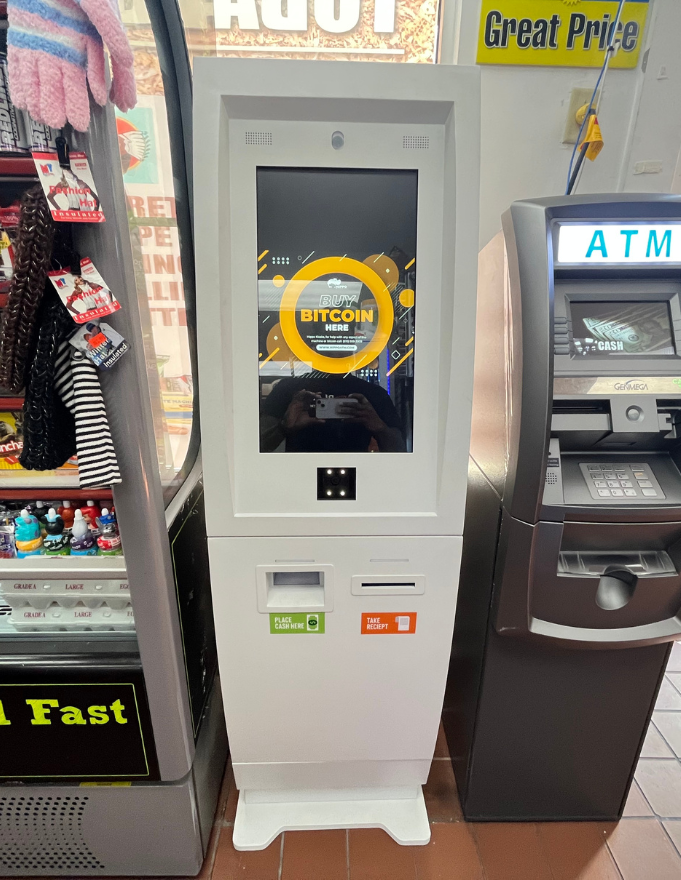
The Future of Cash and ATMs: Adapting to Changing Financial Habits
The financial landscape is in constant flux. While the trend towards digital payments is undeniable, the complete eradication of cash seems unlikely in the foreseeable future. Instead, we are witnessing an adaptation. ATMs are becoming more sophisticated, offering advanced features and integrating with mobile technology. The demand for cash may shift from daily transactions to specific use cases like emergencies, small vendor payments, or personal budgeting strategies. As consumers’ financial habits evolve, so too will the role of the ATM. Financial institutions will continue to optimize their ATM networks, perhaps consolidating less-used machines while enhancing the capabilities of those in high-demand areas. Understanding these shifts allows individuals to adapt their personal finance strategies, ensuring they always have convenient and secure access to their money, whether in digital form or as physical currency.
In conclusion, “Where’s the nearest ATM machine?” is more than just a navigational query; it’s a testament to the enduring necessity of cash and a prompt for individuals to be proactive in managing their financial access. By leveraging technology, understanding network affiliations, safeguarding transactions, and integrating smart ATM usage into a broader personal finance strategy, individuals can ensure they are always prepared, financially secure, and in control of their money in any circumstance. The ATM, far from being an archaic relic, remains a vital tool in the modern financial toolkit, bridging the gap between digital convenience and the enduring power of physical currency.
aViewFromTheCave is a participant in the Amazon Services LLC Associates Program, an affiliate advertising program designed to provide a means for sites to earn advertising fees by advertising and linking to Amazon.com. Amazon, the Amazon logo, AmazonSupply, and the AmazonSupply logo are trademarks of Amazon.com, Inc. or its affiliates. As an Amazon Associate we earn affiliate commissions from qualifying purchases.