
Cashing a check, especially one drawn from a major institution like Bank of America, might seem like a straightforward task. However, depending on whether you’re an account holder, the amount of the check, and your urgency, the process can involve various options, each with its own set of advantages, limitations, and potential fees. Navigating these choices wisely is a fundamental aspect of sound personal finance, ensuring you access your funds efficiently and cost-effectively. This guide will walk you through all available avenues for cashing a Bank of America check, offering insights into each method to help you make informed financial decisions.
Understanding Check Cashing: The Basics
Before diving into specific locations and methods, it’s crucial to grasp the foundational concepts of check cashing. This understanding forms the bedrock of making financially prudent choices when dealing with checks.
What is a Check and How Does it Work?
A check is essentially a written order instructing a bank (the “drawee”) to pay a specific amount of money from a person’s account (the “drawer”) to the person or entity named on the check (the “payee”). When you receive a check, you are the payee, and your goal is to convert that written promise into spendable cash or deposited funds. The bank of America check, in this context, simply means the funds are being drawn from an account held at Bank of America.
Why Cashing a Check Can Be Tricky
While checks are a common form of payment, cashing them isn’t always instant cash in hand. Banks and other institutions need to verify funds, prevent fraud, and comply with regulations. This can lead to “holds” on funds, requiring identification, and sometimes incurring fees, especially if you don’t have an account with the issuing bank. Understanding these potential hurdles is key to avoiding frustration and unexpected costs.
The Importance of Endorsement
Before you can cash or deposit any check, you must endorse it. This usually involves signing your name on the back of the check, typically on the line marked “Endorse Here.” Your signature verifies that you are the legitimate payee. For added security, you can also write “For Deposit Only” below your signature if you intend to deposit it into an account, rather than cash it. Without a proper endorsement, no financial institution will process the check.
Cashing Your Bank of America Check as an Account Holder
If you hold an account with Bank of America, you have the most straightforward and often most cost-effective options for cashing a check drawn from the same bank. Your existing relationship facilitates a smoother transaction, as the bank already has your identity and account information.
Bank of America Branches and ATMs
The most traditional method is to visit a Bank of America branch. Simply present the endorsed check and a valid photo ID to a teller. If you’re cashing the check for deposit into your account, funds are typically available much faster, sometimes immediately, depending on the check amount and your account history. If you wish to receive cash, the teller will process it, verifying funds and your identity.
For smaller amounts or deposits, Bank of America ATMs offer a convenient alternative. You can deposit endorsed checks directly into your account at most Bank of America ATMs. While ATMs typically don’t dispense cash directly from a deposited check, the funds become available in your account according to the bank’s standard hold policies, which are usually outlined on the ATM screen or your deposit receipt. Some advanced ATMs might offer “cash back” options during a deposit, but this is usually limited to a certain amount and relies on your account having available funds, not the check you just deposited.
Mobile Check Deposit via the Bank of America App
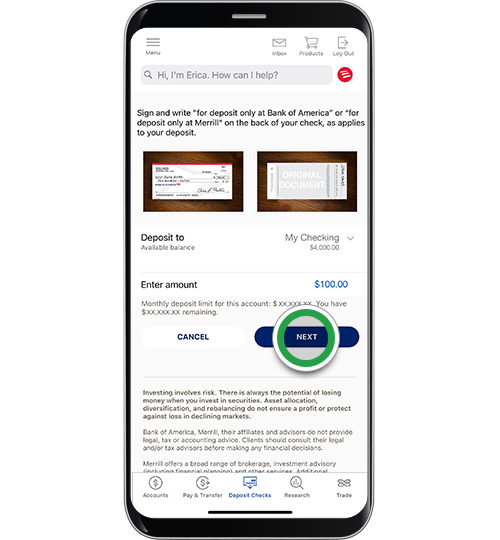
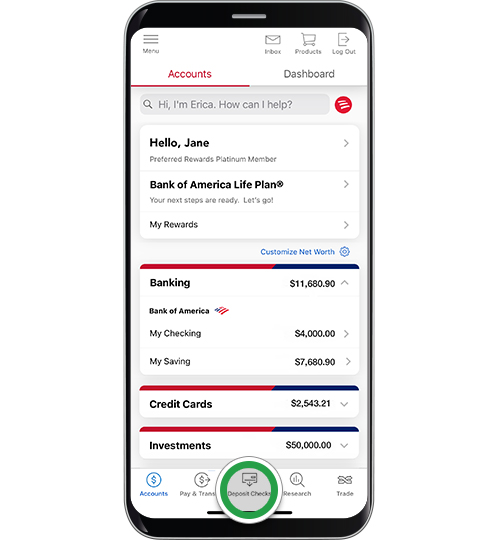
In the digital age, mobile banking applications have revolutionized check cashing. Bank of America’s mobile app offers a “Mobile Check Deposit” feature, allowing you to deposit checks using your smartphone’s camera. You simply endorse the check, open the app, select the deposit option, enter the amount, and snap photos of the front and back of the check.
This method offers unparalleled convenience, allowing you to deposit checks from almost anywhere, at any time. However, it’s important to be aware of daily and monthly deposit limits, which vary by account and customer relationship. Funds deposited via mobile app are subject to the same availability policies as physical deposits, meaning there might be a hold period before the money is fully accessible. Always keep the physical check for a few days after mobile deposit until you confirm the funds are fully cleared.
Online Banking Transfers (if depositing into another BoA account)
While not “cashing” in the traditional sense, if the goal is to move funds from a Bank of America check into another Bank of America account (perhaps a joint account or a business account you also hold), you can sometimes facilitate this through online banking. After depositing the check into one of your BoA accounts (via branch, ATM, or mobile), you can then initiate an internal transfer to another one of your BoA accounts once the funds become available. This is less about cashing and more about managing funds between your own accounts within the same institution.
Cashing a Bank of America Check Without a Bank of America Account
Cashing a Bank of America check when you don’t have an account with them presents a few more challenges, but it’s certainly possible. You’ll typically encounter stricter requirements and potentially higher fees, as the institution cashing the check takes on more risk.
Cashing at a Bank of America Branch
Yes, you can often cash a Bank of America check at one of their branches even if you don’t have an account there. However, the bank will require stringent identification to verify your identity and ensure you are the legitimate payee. Expect to present at least one, if not two, forms of valid government-issued photo ID (e.g., driver’s license, passport, state ID). Be prepared for potential fees, as Bank of America may charge a non-customer check cashing fee, which can vary. The teller will also verify that the funds are available in the issuer’s account before handing over the cash.
Other Financial Institutions (Your Own Bank/Credit Union)
Your personal bank or credit union is generally the next best option after Bank of America itself. If you have an account at another financial institution, you can deposit the Bank of America check there. While your bank might place a hold on the funds for a few business days (especially for larger amounts or if you have a new account), this is typically the most secure and often fee-free way to access your money. Your own bank has your verified identity, reducing the risk and complexity compared to cashing it at a BoA branch as a non-customer.
Retail Stores and Supermarkets
Many large retail chains and supermarkets offer check cashing services as an added convenience to their customers. Stores like Walmart, Kroger, and some grocery store chains often cash payroll checks, government checks, and sometimes personal checks, including those drawn from Bank of America.

These services usually come with a fee, which is a percentage of the check amount or a flat fee, and they often have daily cashing limits (e.g., $1,000 to $5,000). You will definitely need a valid government-issued photo ID. While convenient, the fees can add up, making this a more expensive option than using a bank if your primary goal is to save money.
Check Cashing Stores
Dedicated check cashing stores are an option, but they should generally be considered a last resort due to their typically higher fees. These businesses specialize in cashing various types of checks, including personal checks, without requiring a bank account. They charge a significant percentage of the check’s face value, which can quickly erode the amount of money you receive. While they offer immediate cash, the cost often outweighs the convenience, especially for individuals who have other banking options. Always compare their fees with other options before using these services.
Key Considerations Before Cashing Your Check
Regardless of where you choose to cash your Bank of America check, a few universal considerations can help protect your funds and ensure a smooth transaction.
Identification Requirements
Always have proper identification ready. Most financial institutions and check cashing services require at least one, and sometimes two, forms of valid, government-issued photo ID (e.g., driver’s license, state ID, passport, military ID). Make sure your ID is current and matches the name on the check. This is a critical step in fraud prevention.
Understanding Fees and Charges
Fees can significantly impact the net amount you receive from your check. Your own bank or credit union will typically offer fee-free deposits. However, cashing a check at the issuing bank as a non-customer, or at a retail store or dedicated check cashing service, almost always involves a fee. These fees can range from a few dollars to a substantial percentage of the check amount. Always ask about fees upfront and factor them into your decision.
Check Holds and Fund Availability
Even after depositing a check, the funds might not be immediately available. Banks commonly place “holds” on checks, especially for larger amounts, new accounts, or checks from out-of-state banks. This is regulated by the Expedited Funds Availability Act (Regulation CC), which dictates how quickly banks must make funds available. While some funds might be available the next business day, the full amount could take several days to clear. Always confirm the hold period with your bank so you know precisely when you can access your money without penalty.
Verifying Check Validity
Unfortunately, check fraud is a persistent issue. While cashing a check from a major bank like Bank of America reduces some risks, it doesn’t eliminate them entirely. Be wary of checks that look suspicious, are for an amount significantly higher than expected, or come with instructions to send money back. If you have any doubts about a check’s authenticity, contact the issuer directly (not using contact info on the check itself, but independently verified details) or ask the bank cashing it to verify its legitimacy before proceeding.
What If the Check Bounces?
A bounced check, also known as a returned check or non-sufficient funds (NSF) check, occurs when the check’s issuer does not have enough money in their account to cover the payment. If you cash or deposit a bounced check, your bank will typically reverse the deposit and may charge you a fee for the returned item. You’ll then be responsible for recovering the funds from the check’s issuer. This underscores the importance of verifying funds if you have any reason to suspect issues, especially when dealing with new or unknown senders.
Pro Tips for Seamless Check Cashing
To ensure a smooth and financially sound experience when cashing your Bank of America check, consider these practical tips:
Always Have Proper ID Ready
This cannot be stressed enough. Without valid, current identification, you will likely be turned away from any financial institution or legitimate check cashing service.
Know Your Bank’s Policies
If you have your own bank account, familiarize yourself with their check deposit limits, hold policies, and mobile deposit features. This knowledge empowers you to choose the most efficient method.
Consider Direct Deposit for Recurring Payments
For recurring payments like paychecks or government benefits, consider setting up direct deposit. This eliminates the need to physically cash or deposit a check, ensures immediate fund availability, and is the most secure method.
Explore Mobile Banking Features
Leverage your bank’s mobile app. Features like mobile check deposit and balance checks offer unparalleled convenience and can save you trips to the bank.
Keep Records of Your Transactions
Whether it’s a deposit slip, an ATM receipt, or a screenshot of a mobile deposit confirmation, always keep a record of your check cashing transaction until you confirm the funds are fully available and cleared.
Conclusion
Cashing a check from Bank of America can be a simple process, provided you understand your options and the financial implications of each. For Bank of America account holders, branch visits, ATM deposits, and mobile app deposits offer convenient and often fee-free solutions. If you don’t have an account with them, options range from visiting a Bank of America branch (with potential fees) to using your own bank, retail stores, or, as a last resort, check cashing services. By being prepared with proper identification, understanding potential fees and holds, and staying vigilant against fraud, you can efficiently access your funds and manage your personal finances with confidence.
aViewFromTheCave is a participant in the Amazon Services LLC Associates Program, an affiliate advertising program designed to provide a means for sites to earn advertising fees by advertising and linking to Amazon.com. Amazon, the Amazon logo, AmazonSupply, and the AmazonSupply logo are trademarks of Amazon.com, Inc. or its affiliates. As an Amazon Associate we earn affiliate commissions from qualifying purchases.