
In an increasingly digital financial landscape, the quest for a simple phone number might seem anachronistic. Yet, for millions, knowing the direct line to a financial institution like Bank of America remains an indispensable tool for managing their money effectively, addressing urgent concerns, or navigating complex financial decisions. While online banking and mobile apps offer unparalleled convenience for day-to-day transactions, there are critical moments when only a human voice, backed by the security and authority of the bank, will suffice. This article delves into the various reasons and methods for contacting Bank of America via phone, ensuring you’re equipped to handle your financial matters with confidence and security within the realm of personal and business finance.
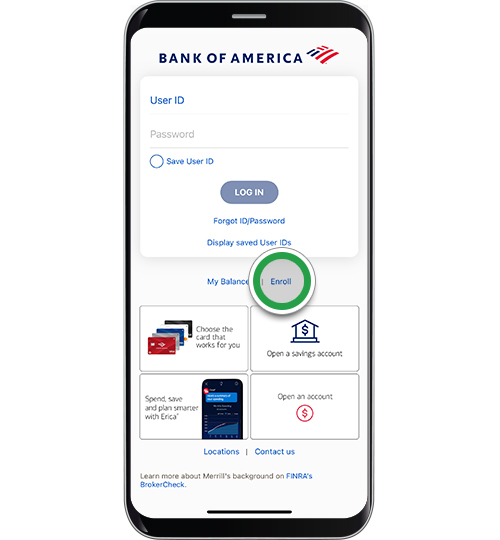
The Direct Lines to Bank of America: Navigating Customer Service Channels
Bank of America, as one of the largest financial institutions globally, offers a multitude of contact numbers tailored to specific services and customer needs. Understanding which number to call can significantly streamline your experience and get you to the right department more quickly. While specific numbers can change, the most reliable way to find current contact information is always through the official Bank of America website, usually under a “Contact Us” or “Help & Support” section. However, here we outline the common categories for which you might seek direct phone assistance.
General Customer Service and Account Inquiries
For a vast array of common banking needs, including checking account balances, clarifying transactions, resolving billing disputes, or updating personal information, the general customer service line is your primary point of contact. This number typically serves as the entry point for most customers and is equipped to handle a broad spectrum of inquiries. While digital channels can manage many of these tasks, complex issues or those requiring personalized guidance often necessitate a call. Having your account number readily available and being prepared to verify your identity will expedite this process.
Credit Card Services
Credit cards are a fundamental component of personal finance, offering convenience and building credit, but they also come with their own set of potential issues. Whether you need to report a lost or stolen card, dispute a charge, inquire about your credit limit, understand rewards programs, or discuss payment arrangements, a dedicated credit card service line is essential. These lines are often available 24/7, acknowledging the urgent nature of credit card security and usage. Quick action on a lost card, for instance, can prevent significant financial fraud and protect your assets.
Mortgage, Home Equity, and Auto Loans
Major financial commitments like mortgages, home equity lines of credit (HELOCs), and auto loans require specialized attention. The phone numbers for these services connect you with experts who understand the intricacies of real estate financing and vehicle loans. You might call to inquire about your current loan balance, discuss refinancing options, understand escrow accounts, make a large principal payment, or seek assistance if you’re facing difficulties with repayments. Given the significant sums involved and the long-term impact on your financial well-being, direct conversation with a knowledgeable representative is often preferred over digital communication for these matters.
Investment Services (Merrill)
Bank of America’s Merrill Lynch division (now often referred to simply as Merrill) provides comprehensive investment and wealth management services. If you have an investment account, require advice from a financial advisor, need to execute complex trades, discuss retirement planning, or inquire about market performance, dedicated Merrill phone lines are available. These services are crucial for individuals managing their investment portfolios and planning for future financial security, making direct, expert consultation invaluable.
Small Business Banking
Small businesses are the backbone of the economy, and their financial needs often blend personal and corporate finance principles. Bank of America offers specialized support for small business clients, addressing everything from business checking and savings accounts to merchant services, business loans, and lines of credit. Business owners often rely on direct phone contact for payroll inquiries, large transaction approvals, fraud protection for their business accounts, or to discuss strategic financial planning for their enterprise.
When to Pick Up the Phone: Critical Scenarios for Direct Contact
While digital channels have revolutionized banking, providing instant access and convenience, there are specific financial situations where a phone call is not just helpful but often critical. Recognizing these scenarios ensures you leverage the most effective communication method for your financial safety and peace of mind.
Fraud and Security Concerns
This is arguably the most critical reason to call your bank immediately. If you suspect unauthorized activity on your account, believe your debit or credit card information has been compromised, or fall victim to a phishing scam, time is of the essence. Calling the bank’s fraud department directly allows for immediate action – freezing accounts, cancelling cards, and initiating investigations – which can prevent significant financial loss. Relying solely on digital messaging might delay this urgent response.
Complex Account Inquiries and Resolutions
Some financial issues are simply too nuanced for self-service portals or standardized online forms. This could include disputing a complex transaction that involves multiple parties, resolving long-standing errors in your account history, or understanding the implications of a specific fee structure. When an issue requires detailed explanation, cross-referencing multiple pieces of information, or an individualized solution, speaking directly with a customer service representative or a specialist can cut through confusion and lead to a quicker resolution.
Applying for New Financial Products or Significant Changes
While preliminary applications for loans, mortgages, or credit cards can often start online, the process frequently requires direct consultation. Discussing your specific financial situation, understanding the terms and conditions, negotiating rates, or navigating the required documentation often benefits from a direct conversation. Similarly, making significant changes to existing products, such as restructuring a loan or adjusting investment strategies, usually warrants a phone call with a qualified representative or advisor.
Estate Planning and Deceased Account Assistance
Dealing with the financial affairs of a deceased loved one is a sensitive and often complicated process. Banks have specific procedures for handling deceased accounts, including transferring funds, closing accounts, and providing necessary documentation for estate settlement. These interactions are highly personal and require a empathetic, direct approach, making phone calls or in-person visits far more appropriate than digital channels.
Escalating Dissatisfaction with Digital Channels
If you’ve attempted to resolve an issue through online chat, email, or social media and haven’t received a satisfactory resolution, a phone call is often the next logical step for escalation. Speaking directly to a supervisor or a higher-tier support agent can sometimes bypass the initial troubleshooting scripts and lead to a more effective solution for persistent financial problems.
Navigating Customer Service: Tips for an Efficient Call
Making a phone call to a large bank can sometimes feel like navigating a maze. However, with a few preparatory steps and an understanding of the process, you can significantly enhance the efficiency and effectiveness of your interaction, saving both time and potential frustration.
Prepare Before You Call
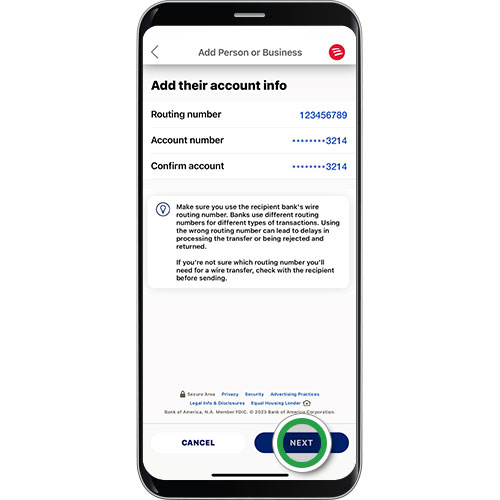
Before dialing, gather all relevant information. This includes your account number(s), the specific dates and amounts of any transactions in question, any previous reference numbers from prior contacts, and a clear, concise summary of your issue or question. Having a pen and paper ready to take notes – including the representative’s name, the time of the call, and any advice or actions agreed upon – is also highly recommended. This preparation not only speeds up the call but also ensures you have a record for future reference if needed.
Understand the Automated System (IVR)
Most large banks use Interactive Voice Response (IVR) systems to direct calls. Listen carefully to the options provided. While it can be tempting to press “0” repeatedly to reach a human, sometimes a specific menu option will lead you to the correct department faster. If you’re unsure, try to choose the option that most closely matches the purpose of your call, not just the general category. Some systems also allow you to speak your request, which can sometimes be more efficient.
Be Clear and Concise
Once you connect with a representative, clearly state your name, account number, and the precise reason for your call. Avoid getting sidetracked or providing unnecessary background information initially. A clear and direct statement of your problem allows the representative to quickly understand your need and determine the best course of action or transfer you to the appropriate specialist.
Document Your Interaction
As mentioned earlier, taking notes during and immediately after your call is crucial. Record the date and time of the call, the name of the representative you spoke with (and their employee ID if available), a summary of the discussion, and any promises made or actions that need to be taken by either party. This documentation is invaluable if there’s a need to follow up or dispute a resolution later.
Knowing When to Ask for a Supervisor
If you feel your issue is not being understood, if the representative is unable to provide a satisfactory solution, or if you believe you are receiving incorrect information, it’s appropriate to politely request to speak with a supervisor or a higher-level manager. Frame your request calmly and explain why you believe escalation is necessary, referring to your notes if applicable.
Complementary Channels: When Digital Tools Excel in Financial Management
While direct phone contact remains vital for specific scenarios, it’s important to recognize that Bank of America, like most modern financial institutions, offers a robust suite of digital tools that excel for everyday financial management. Understanding when to use these channels can optimize your banking experience and free up phone lines for those with critical, complex needs.
Mobile Banking App Features
The Bank of America mobile app is a powerhouse for personal finance. It allows you to check balances, review transaction history, pay bills, transfer funds between accounts, deposit checks remotely, send money via Zelle, and even manage credit card limits or set up travel notifications. For quick, routine tasks that don’t require human intervention, the app offers unparalleled convenience and instant access, often avoiding the need for a phone call altogether.
Online Banking Portal
The desktop online banking portal provides a more comprehensive view of your financial ecosystem. Here, you can access detailed statements, export transaction data for budgeting, set up alerts, manage recurring payments, apply for new accounts, access investment reports, and securely send messages to the bank. For in-depth financial review and management from a computer, the online portal is an invaluable tool.
Secure Message Center
Within both the mobile app and online portal, Bank of America typically offers a secure message center. This channel is ideal for non-urgent inquiries that require detailed written communication or the sharing of sensitive information that should not be sent via standard email. Responses might not be instantaneous, but it provides a documented record of communication and ensures data security.
Branch Visits
While not a digital channel, visiting a physical branch remains crucial for certain financial needs. These include opening complex new accounts, getting documents notarized, making large cash deposits or withdrawals, discussing intricate financial planning with a financial advisor face-to-face, or resolving identity verification issues that require in-person validation. For highly personal and complex financial discussions, the human element of a branch visit is often irreplaceable.
The Importance of Verified Contact Information in Financial Security
In an era rife with sophisticated phishing schemes and imposter scams, verifying the legitimacy of contact information is paramount for financial security. Scammers frequently create fake websites, send deceptive emails, or make unsolicited calls impersonating banks to trick individuals into revealing sensitive financial information.
Beware of Scams and Phishing Attempts
Never trust a phone number provided in an unsolicited email, text message, or pop-up window, even if it appears to be from Bank of America. Scammers can spoof caller IDs, making it look like a legitimate call. Be extremely cautious of any communication that demands immediate action, asks for personal identifying information (like your full Social Security number, account passwords, or PINs), or pressures you into making a financial decision on the spot. Your bank will never ask for your full password or PIN over the phone or via email.
Always Use Official Sources
The safest way to find the correct phone number for Bank of America (or any financial institution) is to visit their official website directly by typing the URL into your browser (e.g., www.bankofamerica.com). Look for the “Contact Us,” “Help,” or “Support” section. Alternatively, refer to the back of your official debit or credit card, or check your official bank statements, which typically list customer service numbers. These sources are verified and updated by the bank itself.
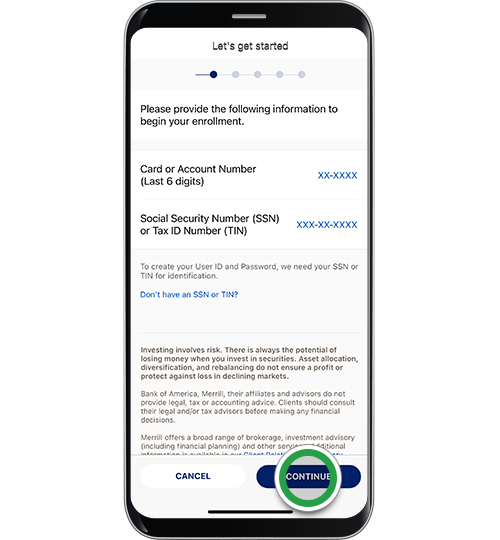
Regular Verification of Contact Details
It’s a good practice to periodically verify the contact information you have on file, especially before making an important call. Banks may update their phone numbers or introduce new dedicated lines for specific services. A quick check on the official website ensures you’re always using the most current and accurate information.
In conclusion, while the digital age has transformed how we interact with our finances, the humble phone call remains a powerful and often necessary tool for managing your money with institutions like Bank of America. Whether you’re reporting fraud, navigating a complex loan, or seeking personalized financial advice, knowing when and how to pick up the phone, coupled with rigorous attention to security, ensures your financial well-being is always protected. By balancing the efficiency of digital platforms with the critical support offered through direct human interaction, you can maintain robust control over your personal and business finance.
aViewFromTheCave is a participant in the Amazon Services LLC Associates Program, an affiliate advertising program designed to provide a means for sites to earn advertising fees by advertising and linking to Amazon.com. Amazon, the Amazon logo, AmazonSupply, and the AmazonSupply logo are trademarks of Amazon.com, Inc. or its affiliates. As an Amazon Associate we earn affiliate commissions from qualifying purchases.