
Securing a loan from a major financial institution like Bank of America requires more than just filling out a form; it requires a strategic understanding of their lending criteria, a well-organized financial profile, and a clear grasp of the specific loan products available. As one of the largest “Big Four” banks in the United States, Bank of America offers a vast array of financing options, ranging from personal lines of credit and auto loans to complex commercial mortgages and small business term loans.
To navigate this process successfully, applicants must position themselves as low-risk borrowers. This involves optimizing credit scores, managing existing debt, and leveraging the bank’s relationship-based banking model. Whether you are looking to consolidate high-interest debt, purchase a new home, or scale a business operation, understanding the nuances of Bank of America’s internal approval process is the first step toward a successful funding outcome.
Building a Strong Financial Profile for Approval
Before submitting an application, you must view your financial health through the lens of a bank underwriter. Bank of America utilizes sophisticated algorithms and manual reviews to assess risk, primarily focusing on your ability to repay the principal plus interest over the life of the loan.
The Role of Credit Health
Your FICO score is arguably the most critical factor in the loan approval process. For most unsecured personal loans at Bank of America, a “Good” to “Excellent” credit score—typically 670 or higher—is expected. However, to access the most competitive interest rates, a score above 740 is often necessary. Beyond the number itself, the bank examines your credit history for patterns of reliability. They look for a history of on-time payments, a healthy mix of credit types (revolving vs. installment), and a low number of recent hard inquiries. If your credit is currently below these benchmarks, it is often advisable to delay your application by three to six months while focusing on aggressive debt repayment and error correction on your credit report.
Debt-to-Income (DTI) Ratio and Cash Flow
Bank of America places significant emphasis on your Debt-to-Income (DTI) ratio. This figure represents the percentage of your gross monthly income that goes toward paying monthly debt obligations, such as rent, mortgages, student loans, and credit card minimums. Generally, a DTI ratio below 36% is ideal for most loan types, though some mortgage products may allow for higher thresholds.
For business owners seeking commercial loans, the focus shifts slightly toward the Debt Service Coverage Ratio (DSCR). This measures the business’s ability to use its operating income to cover debt payments. Ensuring your personal or business cash flow is documented and steady is vital, as the bank will require recent pay stubs, W-2s, or tax returns to verify that your income can comfortably absorb a new monthly payment.
The Advantage of Relationship Banking
One of the unique aspects of Bank of America is its emphasis on the “Preferred Rewards” program. If you are already an account holder with a significant balance in your checking, savings, or Merrill investment accounts, you gain a distinct advantage. Relationship banking often results in lower interest rates (ranging from 0.25% to 0.50% discounts) and potentially smoother underwriting processes. Before applying for a loan, it may be beneficial to move assets into the Bank of America ecosystem to qualify for these tiered benefits, as this demonstrates loyalty and provides the bank with a deeper view of your financial stability.
Identifying the Right Loan Product for Your Needs
Bank of America offers a diverse portfolio of lending products, and selecting the wrong one can lead to unnecessary costs or a higher likelihood of rejection. Each product has its own set of underwriting standards and intended uses.
Personal and Auto Loans
Bank of America’s personal loans are typically used for debt consolidation, home improvements, or major life events. These are often unsecured, meaning you do not need to provide collateral. Because they are unsecured, the interest rates are higher than home equity loans but lower than most credit cards.
For auto loans, the bank provides financing for both new and used vehicles, as well as refinancing options. A key tip for auto loans at Bank of America is to get “Pre-Qualified” or “Pre-Approved” before visiting a dealership. This allows you to walk onto a lot with the bargaining power of a cash buyer, knowing exactly what your interest rate and loan limit will be.
Mortgage and Home Equity Options
As a leader in the mortgage space, Bank of America offers traditional fixed-rate and adjustable-rate mortgages (ARMs), as well as FHA and VA loans for those with lower down payments or military service. For existing homeowners, their Home Equity Line of Credit (HELOC) is a popular tool for accessing the value built up in a property. Unlike many smaller banks, Bank of America often waives closing costs on HELOCs, though they require a rigorous appraisal process and a substantial equity cushion—usually at least 15% to 20% of the home’s value.
Small Business Financing
For entrepreneurs, Bank of America provides specialized small business loans, including term loans, lines of credit, and SBA-guaranteed loans. To qualify for these, the bank typically requires the business to have been in operation for at least two years and to show consistent profitability. Business owners should be prepared to provide a comprehensive business plan, several years of tax returns, and potentially a personal guarantee, even if the loan is in the name of the business entity.
The Step-by-Step Application and Documentation Process
Once you have prepared your finances and selected a loan product, the application process involves a series of logistical steps. Accuracy during this phase is paramount; any discrepancy between your application and your supporting documents can trigger a manual review or an immediate denial.
Gathering Necessary Documentation
The “paperwork” phase is often where applications stall. To ensure a smooth process, have the following digital or physical documents ready:
-
Proof of Identity: Government-issued ID (Driver’s license or passport).
-
Income Verification: The last two years of W-2s, the last two months of pay stubs, and potentially the last two years of federal tax returns.
-
Asset Statements: Statements for non-Bank of America accounts, including 401(k)s, IRAs, or brokerage accounts, to prove liquidity.
-
Debt Documentation: Information on any current loans or leases you are paying off.
-
For Business Loans: Profit and Loss (P&L) statements, balance sheets, and articles of incorporation.
Digital vs. In-Person Application
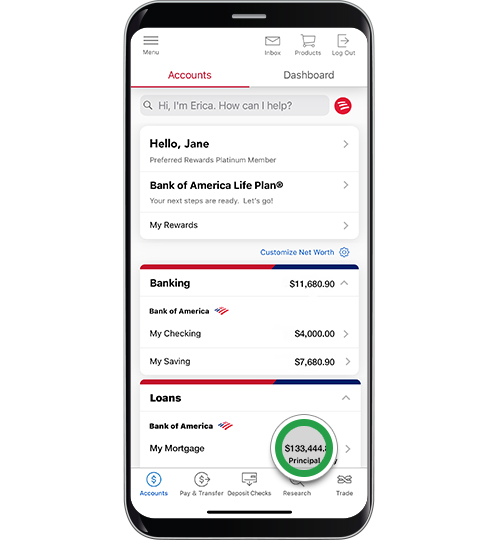
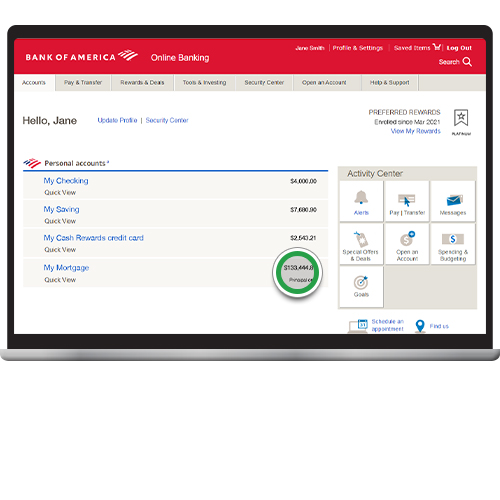
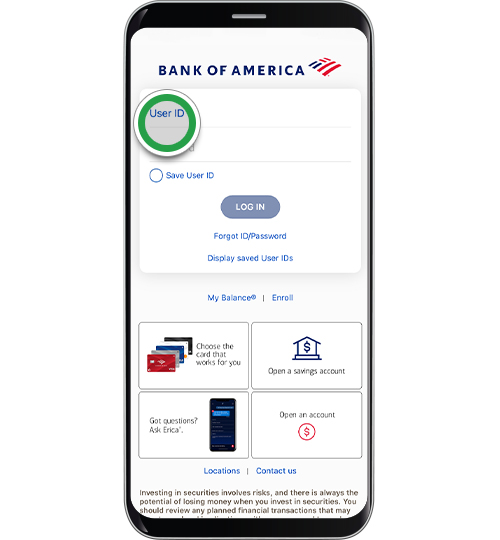
Bank of America has invested heavily in its digital infrastructure. Most personal, auto, and small business loans can be initiated through the mobile app or online portal. The digital application is often faster and allows for real-time document uploads. However, for complex needs—such as a first-time mortgage or a large commercial expansion loan—scheduling an appointment with a Relationship Manager at a local financial center is often the better route. An in-person advisor can help “package” your application, ensuring that any unique financial circumstances (such as being self-employed or having non-traditional income) are properly explained to the underwriters.
The Underwriting and Approval Timeline
After submission, the loan enters the underwriting phase. During this time, the bank verifies all information provided and assesses the risk of the loan. For personal loans, you may receive a decision within minutes or a few business days. For mortgages or business loans, the process can take 30 to 45 days. It is crucial to respond to any “conditions” or requests for additional information from the bank immediately. Delays in providing a single requested document can push your closing date back by weeks.
Strategies for Managing Your Loan and Ensuring Success
Getting the loan is only the first half of the journey; managing it effectively is essential for maintaining your financial health and ensuring future access to credit.
Interest Rate Optimization and Repayment
Once the funds are disbursed, focus on the repayment schedule. Bank of America offers “AutoPay” features that often come with a small interest rate reduction (typically 0.25%). Setting up automatic payments ensures you never miss a deadline, which is vital for protecting your credit score. If you have taken out a variable-rate loan, such as a HELOC, keep a close watch on market trends. If interest rates begin to rise significantly, you may want to discuss “fixing” a portion of that balance into a stable, fixed-rate installment to avoid ballooning monthly costs.
Dealing with a Denial
If your application is denied, Bank of America is legally required to provide an “Adverse Action Notice” explaining the reasons for the rejection. Use this document as a roadmap for improvement. Common reasons include “excessive debt,” “insufficient credit history,” or “low appraisal value” in the case of real estate. If the denial was based on credit, you are entitled to a free copy of the credit report used in the decision. Review it for errors. If your DTI was too high, focus on paying down revolving balances and re-apply in six months. Often, a “no” today is simply a “not yet,” and following the bank’s specific feedback can lead to an approval on your next attempt.
Future Credit Leveraging
A successfully managed loan from Bank of America serves as a cornerstone for your financial reputation. As you pay down the principal and demonstrate reliability, the bank is more likely to offer you higher credit limits, lower rates on future products, and invitations into exclusive wealth management services. By maintaining a holistic view of your relationship with the bank—treating the loan as one piece of a larger financial puzzle—you can turn a simple bank loan into a powerful tool for long-term wealth creation and business growth.
aViewFromTheCave is a participant in the Amazon Services LLC Associates Program, an affiliate advertising program designed to provide a means for sites to earn advertising fees by advertising and linking to Amazon.com. Amazon, the Amazon logo, AmazonSupply, and the AmazonSupply logo are trademarks of Amazon.com, Inc. or its affiliates. As an Amazon Associate we earn affiliate commissions from qualifying purchases.