
In an era dominated by mobile deposits, peer-to-peer payment apps, and digital-only “neobanks,” the question of “where is the closest U.S. Bank?” might seem like a relic of a bygone financial age. However, for millions of Americans, the physical branch remains a cornerstone of their personal finance strategy. While digital tools provide the speed necessary for daily transactions, the brick-and-mortar branch offers the stability, security, and specialized services that a smartphone screen simply cannot replicate.
Understanding the geography of your financial institution is not just about finding an ATM for a quick cash withdrawal; it is about leveraging the full suite of services that U.S. Bank provides to its clients. From securing a mortgage to notarizing legal documents or managing business liquidity, the proximity of a physical branch plays a vital role in a comprehensive wealth management plan.
The Strategic Importance of Branch Proximity in Modern Finance
The shift toward digital banking has led many to believe that physical locations are becoming obsolete. Yet, data from the banking industry suggests otherwise. While routine tasks have moved online, the demand for high-touch, face-to-face financial consultation is higher than ever. When searching for the closest U.S. Bank, consumers are often looking for more than just a place to deposit a check.
Complex Transactions and the Human Element
There are certain financial milestones that require a level of nuance and explanation that automated systems lack. For example, applying for a home equity line of credit (HELOC) or a complex commercial loan often involves intricate paperwork and specific local market knowledge. Having a U.S. Bank branch nearby allows customers to sit down with a loan officer who understands the regional economic landscape.
Furthermore, sensitive life events—such as settling an estate, managing a trust, or dealing with the financial aftermath of a death in the family—are best handled in person. These situations are emotionally taxing and legally complex. The ability to walk into a local branch and speak with a professional who can guide you through the required documentation provides a level of comfort and clarity that a chatbot or a call center agent cannot match.
Security and Fraud Mitigation
Digital security is a top priority for U.S. Bank, but the physical branch serves as a critical fail-safe in the event of a security breach. If your identity is stolen or your digital accounts are compromised, the fastest way to regain control and verify your identity is often to visit a branch in person with physical identification.
Physical branches also offer services like safe deposit boxes, which remain the gold standard for protecting physical assets—such as original birth certificates, property deeds, and precious metals—that cannot be digitized. The proximity of a U.S. Bank branch determines how accessible these high-security storage options are to you during an emergency.
Utilizing Financial Tools to Locate Your Nearest Branch
Finding the closest U.S. Bank has been simplified through a variety of digital tools designed to bridge the gap between the virtual and physical worlds. The integration of geolocation technology into banking apps has transformed the search process from a chore into a seamless experience.
The U.S. Bank Mobile App and Real-Time Data
The most efficient way to locate a branch is through the U.S. Bank mobile app. Unlike a generic search engine, the app provides real-time data regarding branch hours, including holiday closures and temporary adjustments. It also specifies the services available at each location. Not all branches are created equal; some may offer specialized wealth management advisors, while others might focus on retail services or have 24-hour drive-up ATMs.
The app’s locator tool also allows users to filter by specific needs, such as “Notary Public,” “Safe Deposit Boxes,” or “Mortgage Professional.” This ensures that when you do make the trip to the closest branch, it is equipped to handle your specific financial request.
ATM Network Synergies and Surcharge-Free Access
For many, the search for a “bank” is actually a search for an ATM. U.S. Bank participates in extensive networks that expand its physical reach far beyond its branded storefronts. By using the locator tool, customers can find not only U.S. Bank-owned ATMs but also partner locations where they can withdraw cash without incurring the dreaded out-of-network surcharge.
Strategically choosing your banking partner based on their ATM density in your high-traffic areas—such as near your workplace or your commute route—can save a significant amount of money in fees over the course of a year. In personal finance, small recurring costs are the “leaks” that sink a budget; proximity to your bank’s network is a primary defense against these unnecessary expenses.
Beyond the Map: Choosing a Bank Based on Accessibility
When selecting a primary financial institution, “accessibility” should be viewed through a broader lens than just the distance in miles. It encompasses the ease with which you can interact with your money and the professionals who help you manage it.
The “Banking Desert” Challenge and Financial Inclusion
In many parts of the United States, the distance to the closest bank is a significant factor in financial health. “Banking deserts”—areas where there are no physical bank branches within a reasonable distance—often lead residents to rely on high-fee alternative financial services like payday lenders and check-cashing stores.
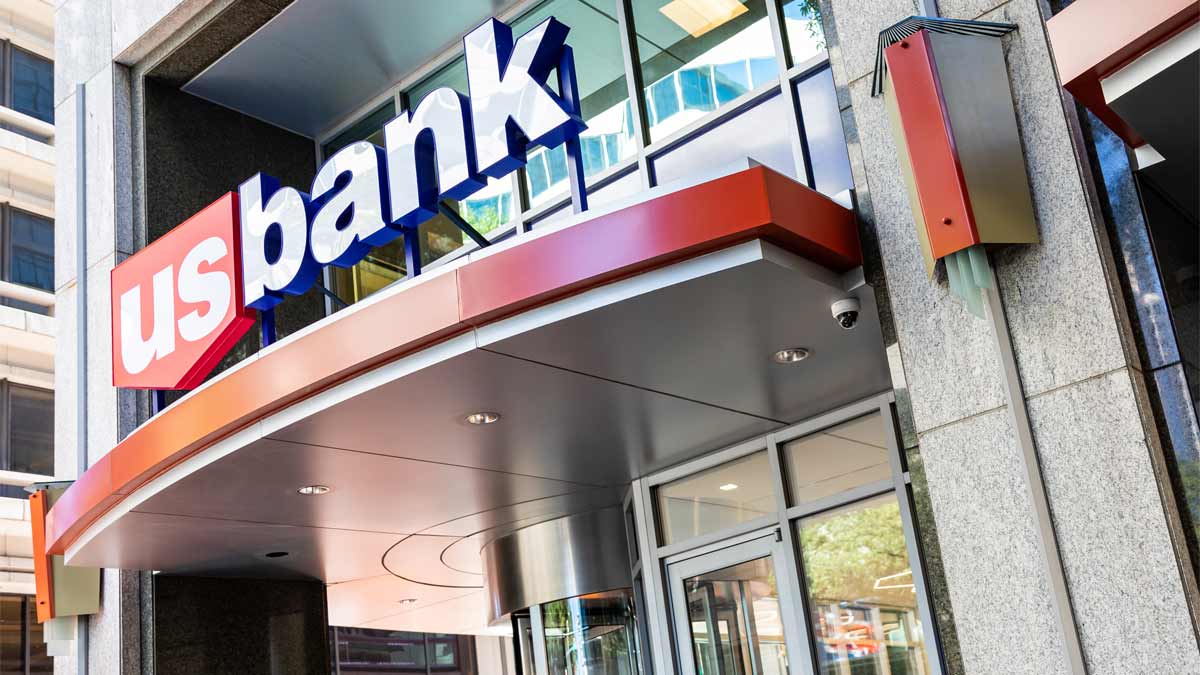
U.S. Bank’s commitment to maintaining a physical presence in diverse communities is a key part of its corporate identity. For a consumer, choosing a bank with a robust branch network is a vote for financial stability in their community. If you live in an area where U.S. Bank has a strong presence, you are better positioned to build a credit history and access traditional banking products that grow wealth over time.
Evaluating the Convenience-to-Cost Ratio
While physical proximity is a luxury, it is one that often comes with a different fee structure than online-only banks. Traditional banks have overhead costs—rent, utilities, and staffing for those physical branches. As a savvy consumer, you must weigh the benefits of having a local branch against the potential for lower interest rates on savings or higher fees on checking accounts.
However, many U.S. Bank customers find that the “relationship banking” model offsets these costs. By having a central location where they are known by the staff, they may receive fee waivers, better rates on loans, and personalized financial advice that more than pays for the convenience of the branch.
Relationship Banking: The Hidden ROI of Physical Locations
The “Return on Investment” of a physical bank branch is often found in the long-term relationships built between the banker and the client. This is an aspect of personal finance that is frequently overlooked in the rush to digitize everything.
Personalized Financial Planning and Mortgage Consulting
When you are ready to make a major life purchase, such as a home, the value of a local U.S. Bank branch becomes clear. A local mortgage consultant understands the local real estate market, the property tax nuances of your county, and the specific closing procedures required in your state.
Being able to meet in person to review a Loan Estimate or a Closing Disclosure can prevent costly mistakes. It allows for a dialogue where you can ask “what if” questions in real-time, helping you to tailor your mortgage to your overall financial goals. This level of personalized service is a primary reason why physical branches remain a vital part of the U.S. Bank ecosystem.
The Power of In-Person Business Banking
For small business owners, the closest U.S. Bank is often their most important partner. Business banking frequently requires the handling of physical cash, the issuance of cashier’s checks, and the signing of complex lending agreements.
A local business banker can act as a consultant, helping the business owner manage cash flow, set up merchant services, and plan for expansion. When a business owner can walk into a branch and speak with someone who knows their business by name, it creates a level of trust and agility that is essential for navigating the volatile world of entrepreneurship.
The Future of the “Phygital” Banking Experience
The future of U.S. Bank is not a choice between physical or digital, but rather a seamless integration of both—a concept often referred to as “phygital” banking. This model recognizes that while customers want the speed of an app, they also value the presence of a physical location.
Evolution of the Branch Layout
As you look for the closest U.S. Bank, you may notice that newer branches look different than they did a decade ago. The traditional teller line is being replaced by “universal bankers” equipped with tablets and comfortable meeting spaces designed for in-depth consultation.
These modern branches are designed to be “advice centers.” They leverage technology to handle the routine (like high-speed deposit ATMs) so that the human staff can focus on the complex (like retirement planning and investment strategies). This evolution ensures that the physical branch remains relevant and valuable in a digital-first world.

Balancing Digital Speed with Physical Reliability
Ultimately, the question of “where’s the closest U.S. Bank” is about reliability. In a world where digital systems can occasionally go down or accounts can be locked due to algorithmic errors, the physical branch stands as a permanent, reliable outpost of the financial system.
By maintaining a hybrid approach—using the U.S. Bank app for daily tracking and the local branch for strategic planning—you can optimize your personal finances for both efficiency and long-term growth. The closest bank isn’t just a point on a map; it is a gateway to a more secure and sophisticated financial future. Whether you are seeking to grow your savings, protect your assets, or fund a dream, the synergy between your digital tools and your local U.S. Bank branch provides the comprehensive support needed to navigate the complexities of modern money management.
aViewFromTheCave is a participant in the Amazon Services LLC Associates Program, an affiliate advertising program designed to provide a means for sites to earn advertising fees by advertising and linking to Amazon.com. Amazon, the Amazon logo, AmazonSupply, and the AmazonSupply logo are trademarks of Amazon.com, Inc. or its affiliates. As an Amazon Associate we earn affiliate commissions from qualifying purchases.