
In the digital age, few companies command as much attention, influence, and capital as Amazon.com, Inc. From its ubiquitous e-commerce platform to its foundational cloud services (AWS) and ventures into groceries, healthcare, and entertainment, Amazon has fundamentally reshaped numerous industries and, in doing so, generated immense wealth. When people ask, “Who is the Amazon owner?” they’re often seeking to understand the ultimate beneficiaries, the drivers of its financial success, and the complex web of ownership that characterizes one of the world’s most valuable corporations. This article will unravel Amazon’s ownership structure through a financial lens, exploring the roles of its visionary founder, its vast shareholder base, and the strategic financial decisions that underpin its enduring dominance.

The Founder’s Legacy: Jeff Bezos and the Genesis of Amazon’s Wealth
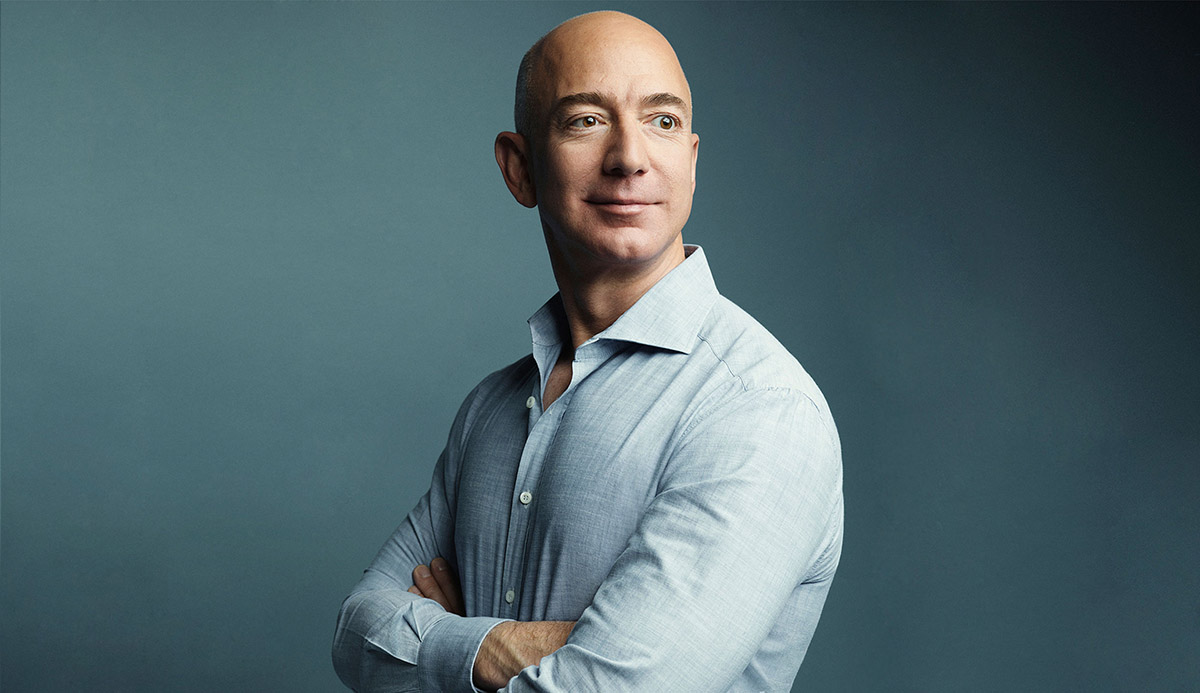
Any discussion of Amazon’s ownership must begin with its iconic founder, Jeff Bezos. His audacious vision laid the groundwork for what would become a global financial powerhouse, and his personal journey is inextricably linked to the company’s financial evolution.
From Garage Startup to Market Dominance: The Early Financial Journey
Jeff Bezos founded Amazon in 1994, initially as an online bookstore operating out of his garage in Bellevue, Washington. The early days were marked by bootstrapping and a relentless focus on growth, often at the expense of immediate profitability – a financial strategy that bewildered some traditional investors but ultimately proved revolutionary. Bezos sought seed funding from friends and family, accumulating approximately $1 million to launch operations. The pivotal financial moment came with Amazon’s Initial Public Offering (IPO) in May 1997. Listing on the NASDAQ under the ticker AMZN, the company sold 3 million shares at $18 per share, raising around $54 million. This event democratized ownership, allowing public investors to buy a piece of the burgeoning e-commerce dream, while simultaneously providing Amazon with the capital needed to fuel its aggressive expansion into new product categories, logistics infrastructure, and technology development. This early financial engineering was crucial, allowing Amazon to scale at an unprecedented rate, prioritizing market share and customer experience over short-term earnings. It was a risky financial play, betting on future profits over present ones, a strategy that would define Amazon’s financial approach for decades.
Bezos’s Enduring Stake and Personal Net Worth
Following the IPO, Jeff Bezos retained a significant portion of Amazon’s stock. While his percentage ownership has naturally diluted over the years as the company issued more shares for acquisitions, employee compensation, and capital raises, his stake has remained substantial. For many years, he held over 10% of the company, making him its largest individual shareholder. This ownership stake has been the primary driver of his colossal personal net worth, which, depending on Amazon’s stock performance, has frequently positioned him as one of the wealthiest individuals globally. Even after stepping down as CEO in 2021 and transitioning to Executive Chairman, Bezos retained a significant financial interest. His continued ownership of tens of millions of Amazon shares means that his personal financial well-being remains closely tied to the company’s market performance. His stake represents not just equity, but a powerful financial incentive to ensure Amazon’s long-term prosperity, influencing strategic decisions that impact shareholder value.
Strategic Divestments and New Ventures
While deeply committed to Amazon, Bezos has also strategically diversified his personal wealth through calculated stock sales. These divestments, often totaling billions of dollars annually, are not merely about cashing out; they are critical financial maneuvers that fund his other ambitious ventures and philanthropic efforts. The most prominent example is Blue Origin, his private aerospace company, which has received substantial financial backing from Bezos’s Amazon stock sales. These sales, publicly disclosed through SEC filings, demonstrate a sophisticated approach to wealth management, using the liquidity generated from Amazon’s success to fuel new industries and personal passions. From a financial planning perspective, such diversification is a prudent strategy, reducing concentration risk while allowing capital to be deployed in high-growth, albeit high-risk, frontier technologies. It highlights how the financial output of one venture can become the seed capital for the next generation of innovation.
The Public Ownership Model: Shareholders as the True Owners
While Jeff Bezos founded Amazon and his vision shaped its trajectory, the legal and financial reality is that Amazon, as a publicly traded company, is ultimately owned by its shareholders. This distributed ownership model is a cornerstone of modern capitalism and a defining characteristic of Amazon’s financial identity.
Amazon as a Publicly Traded Company
When a company goes public, it sells shares of its stock to investors, effectively dividing ownership into numerous small units. Amazon’s market capitalization – the total value of all its outstanding shares – frequently ranks among the highest in the world, reflecting the collective value investors place on its assets, earnings potential, and future growth. Each share of AMZN stock represents a fractional ownership claim on the company’s assets and earnings. Shareholders, whether individuals or institutions, possess certain rights, including the right to vote on key corporate matters (such as electing board members) and to receive a share of profits (though Amazon has historically reinvested profits rather than paying dividends). Understanding this public ownership model is crucial to grasping who “owns” Amazon in the financial sense; it’s a vast collective of investors betting on its continued success. The stock market provides a liquid, transparent mechanism for buying and selling these ownership stakes, constantly re-evaluating Amazon’s financial health and future prospects.
Institutional Investors and Mutual Funds
The vast majority of Amazon’s outstanding shares are held by institutional investors. These are large organizations that invest on behalf of their clients or members, including mutual funds, pension funds, hedge funds, and asset management firms. Giants like Vanguard, BlackRock, and Fidelity often appear among Amazon’s top shareholders, collectively holding percentages far greater than any individual. These institutions invest billions of dollars in Amazon stock because of its perceived financial stability and growth potential, making it a staple in many diversified investment portfolios. Their ownership is not merely passive; these large institutional investors exert significant influence on corporate governance through their voting power. Their financial analysis and investment decisions directly impact Amazon’s stock price and, consequently, its ability to raise capital or acquire other companies through equity. For the everyday investor, owning a mutual fund or ETF that holds Amazon stock is a common way to indirectly participate in its financial performance without directly buying individual shares.
Individual Investors and Employee Stock Options
Beyond institutional giants, millions of individual investors around the globe own Amazon stock directly through brokerage accounts. These range from seasoned traders seeking short-term gains to long-term investors holding for retirement. Furthermore, Amazon’s employee compensation package often includes Restricted Stock Units (RSUs) or stock options, granting employees a financial stake in the company’s success. This aligns employee incentives with shareholder interests, motivating them to contribute to the company’s financial growth. As these options vest and RSUs are granted, employees become direct owners of Amazon shares, further distributing the ownership pool. This broad individual and employee ownership fosters a sense of collective responsibility for Amazon’s financial health and strategic direction. The accessibility of stock market investing means that virtually anyone can become an “owner” of Amazon, however small their stake.
Navigating Corporate Governance and Financial Influence
While shareholders are the ultimate owners, the day-to-day financial management and strategic direction of Amazon are overseen by its leadership team and a robust corporate governance structure designed to protect and enhance shareholder value.

The Board of Directors and Executive Leadership
Amazon’s Board of Directors, comprised of a mix of insiders (like Jeff Bezos) and independent directors, is responsible for the strategic oversight of the company’s financial and operational performance. They appoint the CEO (currently Andy Jassy), approve major capital expenditures, review financial statements, and ensure compliance with regulatory requirements. The executive leadership team, led by the CEO, is tasked with executing the company’s financial strategy, managing its vast global operations, and delivering consistent shareholder returns. This includes critical decisions regarding investments in new technologies, market expansions, pricing strategies, and mergers & acquisitions – all of which have profound financial implications. The financial health of Amazon relies heavily on the competence and strategic acumen of these individuals, acting as fiduciaries for the collective body of shareholders.
Shareholder Activism and Investor Relations
While Amazon’s leadership has historically enjoyed strong shareholder support, the company is not immune to shareholder activism. Large investors or groups of investors can propose resolutions, engage with management, and even wage proxy battles to influence corporate policy, often with a focus on financial performance, environmental, social, and governance (ESG) factors, or executive compensation. Amazon’s investor relations department plays a crucial role in maintaining transparent communication with the financial community, providing financial reports, earnings call transcripts, and other information vital for investors to make informed decisions. This continuous dialogue helps manage expectations and maintain investor confidence, which is critical for Amazon’s stock valuation and its ability to raise capital on favorable terms.
Dividends, Buybacks, and Valuations
Unlike many mature companies, Amazon has famously never paid a cash dividend to its common shareholders. Instead, it has opted to reinvest virtually all its profits back into the business to fuel growth. This strategy, while foregoing immediate income for shareholders, has historically resulted in substantial capital appreciation as the company’s valuation soared. Share buybacks, another mechanism for returning value to shareholders, are less common for Amazon compared to other tech giants, again due to its growth-oriented reinvestment philosophy. Understanding Amazon’s financial valuation is also key to understanding its ownership. Analysts employ various metrics – such as Price-to-Earnings (P/E) ratios, Price-to-Sales (P/S) ratios, and discounted cash flow (DCF) models – to assess the company’s worth and the value of each share. These valuations are dynamic, influenced by market sentiment, financial results, competitive landscape, and broader economic conditions, constantly impacting the perceived value of Amazon ownership.
The Financial Ecosystem Beyond Direct Ownership
The concept of Amazon’s “ownership” extends beyond just direct shareholding to encompass the broader financial relationships and strategies that define its colossal economic footprint.
Amazon’s Debt Structure and Capital Investments
Like any massive corporation, Amazon relies on a complex debt structure to finance a significant portion of its operations and growth initiatives. It regularly issues bonds to raise capital, taking on debt to fund massive infrastructure projects, expand its data centers for AWS, build new fulfillment centers, and invest in research and development. This debt, managed by its finance teams, is a crucial component of its overall capital structure. While not “ownership” in the equity sense, bondholders are key financial stakeholders who are owed principal and interest payments. Amazon’s ability to maintain a strong credit rating allows it to borrow at favorable rates, further fueling its expansion and strategic investments. These investments, particularly in its logistics network and cloud computing infrastructure, are vital for its sustained competitive advantage and long-term financial performance.
Subsidiary Ownership and Acquisitions
Amazon’s empire has grown not only organically but also through a series of strategic acquisitions, each representing a financial decision to expand its market presence, technology capabilities, or product offerings. When Amazon acquires a company – such as Whole Foods Market, Ring, Zappos, or Twitch – it gains 100% ownership of that entity. These subsidiaries become fully integrated into Amazon’s financial reporting and strategic objectives. Each acquisition involves significant financial outlay, whether through cash payments, stock swaps, or a combination, and is meticulously evaluated for its potential return on investment and strategic fit within the broader Amazon ecosystem. These M&A activities are central to Amazon’s business finance strategy, enabling rapid diversification and market penetration across various sectors.
The Amazon Effect on Global Finance
Beyond its internal financial mechanics, Amazon’s sheer scale and influence create a ripple effect across global finance. Its growth has spurred innovation and competition in e-commerce, logistics, and cloud computing, influencing investment trends and capital allocation across industries. The “Amazon Effect” refers to the disruption and transformation brought about by its business model, forcing competitors to adapt their own financial strategies, pricing, and supply chains. Its stock performance can also significantly impact major market indices, affecting the portfolios of millions of investors. Furthermore, Amazon’s presence has a tangible economic impact on employment, regional development through its facilities, and the financial health of the vast network of third-party sellers who rely on its platform for income generation.
Investing in Amazon: A Financial Perspective
For current and prospective investors, understanding Amazon’s ownership structure is intertwined with analyzing its financial performance and assessing the opportunities and risks associated with holding its stock.
Analyzing Amazon’s Financial Performance
Investors interested in Amazon rigorously analyze its financial statements, including income statements, balance sheets, and cash flow statements, to gauge its health and future prospects. Key metrics include revenue growth (especially from AWS and advertising), operating income, net profit, and, crucially for Amazon, free cash flow. Free cash flow (operating cash flow minus capital expenditures) is particularly important for Amazon, as it reflects the cash generated after funding its massive growth investments, providing a clearer picture of its underlying profitability and financial efficiency. Metrics like return on invested capital (ROIC) and earnings per share (EPS) are also scrutinized to understand how effectively Amazon is deploying its capital and generating returns for shareholders.
Growth vs. Value Investing Considerations
Amazon has historically been a quintessential “growth stock,” appealing to investors seeking companies with high potential for future earnings and revenue expansion, even if current profitability is modest. Its reinvestment strategy and focus on market share made it less attractive to traditional “value investors” who prioritize companies with low P/E ratios, strong dividends, and stable earnings. However, as Amazon has matured and achieved consistent profitability, it has begun to attract attention from a broader range of investors. Understanding this dual appeal helps explain the diverse types of “owners” Amazon attracts, each with different financial objectives and risk tolerances. Its enormous scale and market dominance present a complex picture that blends both growth and emerging value characteristics.
Risks and Rewards of Amazon Stock Ownership
Investing in Amazon stock, like any investment, carries both risks and rewards. The rewards have historically been substantial, with long-term investors enjoying extraordinary capital appreciation. Amazon’s strong brand, dominant market positions in e-commerce and cloud computing, and relentless innovation continue to offer compelling long-term growth potential. However, risks persist. These include intense competition across its diverse segments, potential regulatory scrutiny and antitrust actions (which could impact its business model and profitability), supply chain disruptions, and macroeconomic headwinds. For the “owner” of Amazon stock, these factors translate into potential volatility and uncertainty in their investment. A thorough financial analysis of these risks and rewards is essential for anyone considering a financial stake in this global powerhouse.
In conclusion, “who is the Amazon owner” is a multi-faceted question. While Jeff Bezos remains its visionary founder and a significant individual shareholder, the financial reality dictates that Amazon is owned by millions of public shareholders – a vast collective of institutional and individual investors. This distributed ownership, managed by a sophisticated corporate governance structure and driven by a relentless financial strategy of reinvestment and growth, defines Amazon’s unique place in the global financial landscape. Its story is not just one of innovation, but also one of unparalleled wealth creation and financial engineering that continues to reshape industries and investment portfolios worldwide.
aViewFromTheCave is a participant in the Amazon Services LLC Associates Program, an affiliate advertising program designed to provide a means for sites to earn advertising fees by advertising and linking to Amazon.com. Amazon, the Amazon logo, AmazonSupply, and the AmazonSupply logo are trademarks of Amazon.com, Inc. or its affiliates. As an Amazon Associate we earn affiliate commissions from qualifying purchases.