
For investors, analysts, and even casual observers of the global economy, few events command as much attention as the quarterly earnings reports from Apple Inc. (AAPL). As the world’s most valuable company for extended periods, Apple’s financial disclosures offer far more than just a glimpse into the performance of a tech giant; they provide a crucial pulse check on consumer spending, technological trends, and the health of the broader global economy. Understanding when Apple reports its earnings, what to look for, and how to interpret the results is paramount for anyone navigating the complex world of finance. This article delves into the critical aspects of Apple’s earnings season, offering a comprehensive guide for investors seeking to make informed decisions.
Understanding the Significance of Apple Earnings Reports
Apple’s earnings reports are a cornerstone event in the financial calendar, eagerly anticipated and meticulously dissected. They serve as a critical barometer not just for the company itself, but often for the entire technology sector and global consumer markets.
The Quarterly Ritual and Fiscal Calendar
Publicly traded companies are mandated to report their financial performance on a quarterly basis. For Apple, this means four reports throughout the year, each covering a specific fiscal quarter. It’s important to note that Apple’s fiscal year does not align with the standard calendar year. Their fiscal year typically ends in September, meaning their first fiscal quarter (Q1) often encompasses the critical holiday shopping season (October to December) and is typically announced in late January or early February. The subsequent quarters (Q2, Q3, Q4) follow a similar pattern, with announcements usually made a few weeks after the close of the respective quarter. These announcements often take place on a Thursday afternoon after the market closes, followed by a conference call with analysts and investors.
More Than Just Numbers: A Holistic View
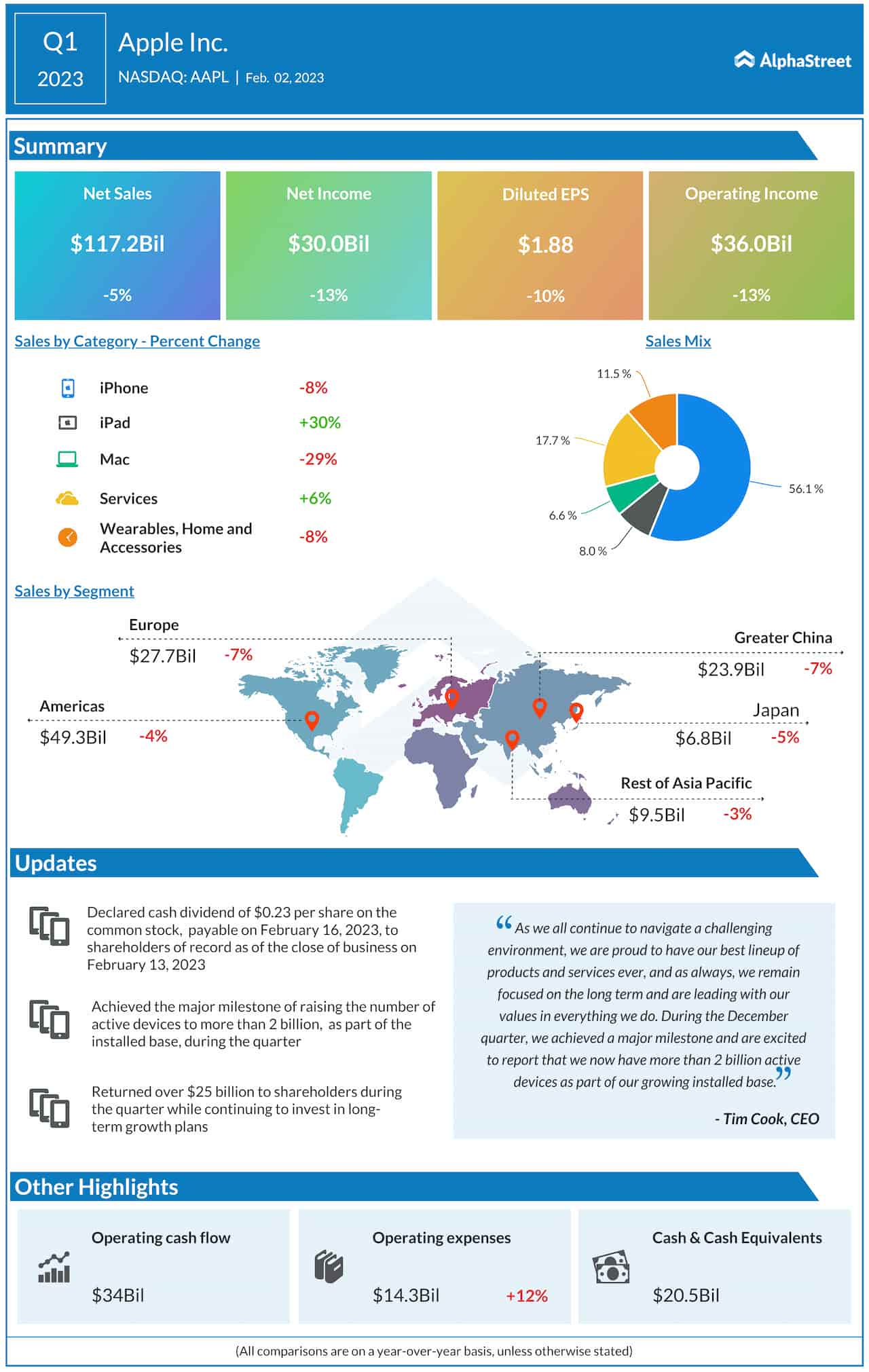
While headline figures like revenue and earnings per share (EPS) grab immediate attention, an Apple earnings report is a rich tapestry of data. It provides a holistic view of the company’s operational health, product segment performance, geographic sales trends, and future outlook. Investors can glean insights into the success of recent product launches, the growth trajectory of emerging business segments like Services and Wearables, and the efficiency of Apple’s supply chain and marketing strategies. This depth of information allows for a nuanced understanding that goes far beyond a simple profit or loss statement.
Bellwether for the Tech Sector and Consumer Trends
Given Apple’s immense market capitalization and its pervasive presence in consumer electronics, its performance often acts as a bellwether for the broader technology sector and global consumer spending habits. Strong iPhone sales, for instance, can signal robust consumer confidence, while weakness might suggest economic headwinds. Similarly, the growth of Apple’s Services division can indicate broader trends in digital content consumption and subscription models. For many, Apple’s earnings report is not just about AAPL stock; it’s a proxy for understanding the forces shaping the modern economy.
Investor Expectations vs. Reality: The Market’s Reaction
The market’s reaction to an earnings report is often less about the absolute numbers and more about how those numbers compare to analyst and investor expectations. A company can report record revenue and profit, but if these figures fall short of the consensus estimates, the stock price might decline. Conversely, a seemingly modest quarter could lead to a stock surge if it significantly surpasses dampened expectations. This dynamic highlights the importance of “guidance” – Apple’s forward-looking projections for the upcoming quarter – which often carries more weight than historical results in influencing immediate stock movements. The interplay between reported figures, analyst consensus, and company guidance creates a complex environment for market participants.
How to Track and Prepare for Apple’s Earnings Announcements
Missing an Apple earnings announcement can mean missing crucial market-moving information. Proactive tracking and preparation are essential for any serious investor.
Official Sources are Key: Apple Investor Relations
The most accurate and reliable source for Apple’s earnings dates and detailed reports is its official Investor Relations website. Here, Apple publishes its press releases, SEC filings (Form 10-K for annual reports and Form 10-Q for quarterly reports), and transcripts of earnings conference calls. Savvy investors should bookmark this page and check it regularly for updates on scheduled announcement dates, which are typically made public several weeks in advance. The official documents provide the most granular data and context directly from the company.
Financial Calendars and News Aggregators
Beyond Apple’s official site, numerous reputable financial platforms consolidate earnings calendars. Websites like Bloomberg, Reuters, The Wall Street Journal, Yahoo Finance, and major brokerage platforms offer dedicated earnings calendars that track thousands of companies, including Apple. These sources often integrate analyst consensus estimates, historical performance data, and related news, providing a convenient one-stop shop for earnings information. Setting up alerts on these platforms can ensure you receive notifications as soon as the dates are confirmed.
Setting Calendar Alerts and Pre-Earnings Homework
Once the earnings date is confirmed, integrate it into your personal calendar with multiple reminders. For serious investors, preparation extends beyond knowing the date. In the weeks leading up to the announcement, it’s prudent to:
-
Review previous reports: Understand Apple’s recent performance trends and management commentary.
-
Analyze analyst estimates: Familiarize yourself with the consensus revenue and EPS projections.
-
Track recent company news: Note any significant product launches, executive changes, or market developments that could impact performance.
-
Monitor competitive landscape: Understand how Apple’s rivals are performing and any shifts in market share.
-
Assess macroeconomic factors: Consider how broader economic conditions (inflation, interest rates, supply chain issues) might affect Apple’s operations and consumer demand.
This “homework” provides crucial context for evaluating the upcoming report.
Key Metrics and Insights to Watch in Apple’s Earnings
An Apple earnings report is a treasure trove of data. Knowing which metrics to prioritize and how to interpret them is vital for extracting actionable insights.
Revenue and Earnings Per Share (EPS): The Headline Figures
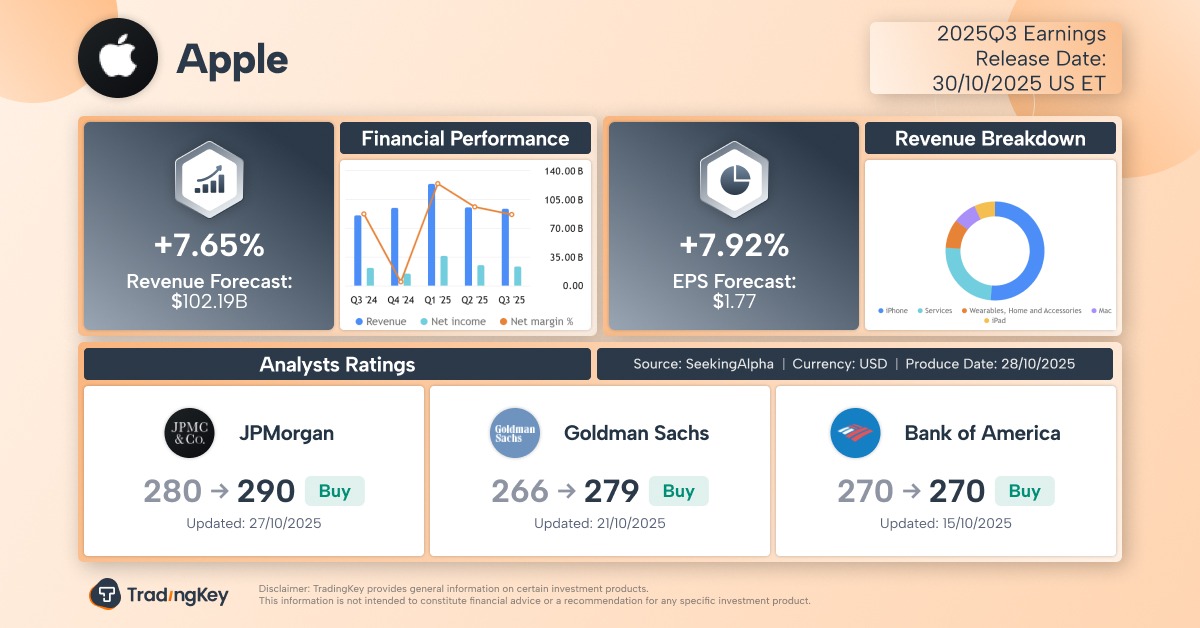
These are the most commonly cited numbers. Revenue indicates the total sales generated, while Earnings Per Share (EPS) represents a company’s profit allocated to each outstanding share of common stock. Investors meticulously compare these figures against analyst consensus estimates. A “beat” (exceeding estimates) often sends the stock higher, while a “miss” (falling short) can lead to declines. It’s not just the absolute numbers, but the growth rate of these figures year-over-year and quarter-over-quarter that signals the company’s momentum.
Product Segment Performance: Where the Growth Is
Apple breaks down its revenue by product category, offering critical insights into its diverse business lines:
-
iPhone Sales: Historically the company’s largest revenue driver. Watch for unit sales (though Apple has sometimes stopped reporting this) and Average Selling Price (ASP), which indicates pricing power and premiumization trends.
-
Mac & iPad Sales: These segments reflect performance in the personal computing and tablet markets, often influenced by new product cycles, work-from-home trends, and educational demand.
-
Wearables, Home, and Accessories (WH&A): This rapidly growing segment includes Apple Watch, AirPods, HomePod, and other accessories. Its growth is key to Apple’s diversification beyond the iPhone and signifies strength in the connected device ecosystem.
Services Revenue: The High-Margin Growth Engine
The Services segment (App Store, Apple Music, iCloud, Apple Pay, AppleCare, advertising, etc.) is perhaps the most scrutinized category. It’s a high-margin business that provides recurring revenue, making it a crucial component of Apple’s long-term valuation and a significant focus for investors looking for stability and predictable growth. Investors watch for consistent double-digit growth rates and expanding subscriber numbers.
Gross Margins: Indicator of Profitability and Efficiency
Gross Margin (revenue minus cost of goods sold, divided by revenue) is a key profitability metric. It indicates how efficiently Apple produces and sells its products and services. Fluctuations in gross margin can be influenced by product mix (e.g., more high-margin iPhones vs. lower-margin iPads), component costs, and foreign exchange rates. A strong or improving gross margin signals robust operational health.
Cash Flow and Capital Allocation
Investors also scrutinize Apple’s Free Cash Flow (FCF), which represents the cash a company generates after accounting for cash outflows to support operations and maintain its capital assets. A healthy FCF allows Apple to return value to shareholders through dividends and share buybacks. Consistent dividend increases and aggressive buyback programs signal management’s confidence in future cash generation and a commitment to shareholder returns.
Guidance for the Upcoming Quarter: Looking Ahead
Perhaps the most market-moving aspect of an earnings report is the guidance that management provides for the upcoming quarter. This includes projections for revenue, gross margin, and operating expenses. Management’s outlook on future performance often dictates stock movement more than the past quarter’s results, as it provides a forward-looking perspective on the company’s trajectory and potential challenges. Any deviation from analyst expectations in guidance can lead to significant stock price swings.
The Impact of Apple’s Earnings on Stock Performance and Market Sentiment
Apple’s earnings reports are a potent catalyst for stock movement, capable of generating significant short-term volatility and influencing long-term investment theses.
Immediate Volatility and After-Hours Trading
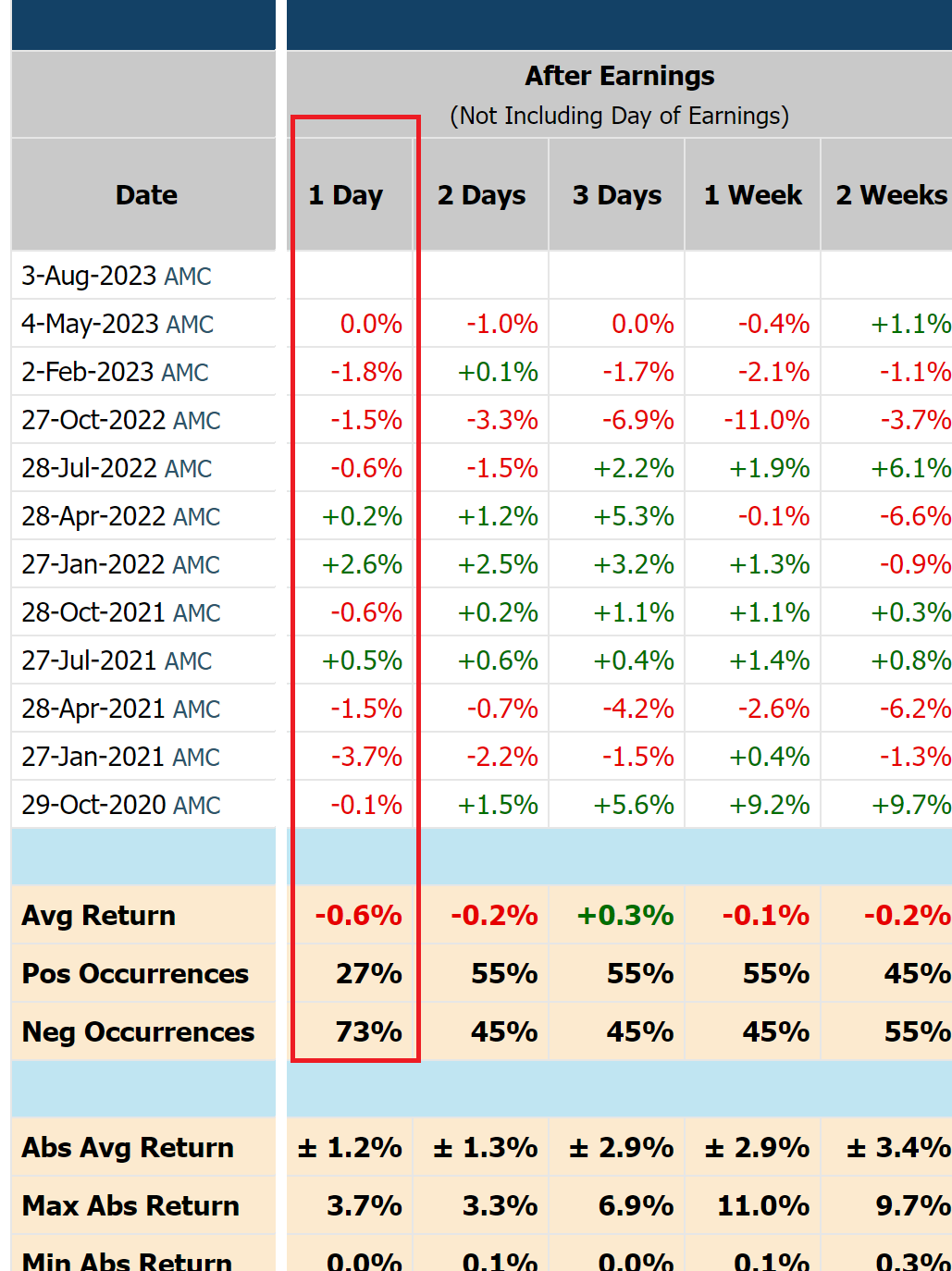
The moment Apple’s earnings report is released (typically after market close), its stock often experiences intense volatility in after-hours trading. Algorithms and human traders react swiftly to the headline numbers, guidance, and key metrics. A significant beat or miss can lead to immediate double-digit percentage swings. This initial reaction sets the tone for the next trading day, often impacting related stocks in the tech sector.
Long-Term Trends Versus Short-Term Swings
While immediate reactions can be dramatic, long-term investors need to differentiate between short-term market noise and fundamental shifts revealed by the earnings report. A temporary supply chain issue or a slight miss on analyst estimates might cause a dip, but if the underlying business remains strong and guidance is positive, a long-term investor might view such dips as buying opportunities. Conversely, a strong beat might be a temporary surge if the fundamental growth story is showing signs of slowing. It’s crucial to look beyond the immediate headlines and assess the report’s implications for Apple’s multi-year growth prospects.
Analyst Revisions and Price Targets
Following the earnings call, financial analysts from major investment banks will quickly update their research reports, revising their earnings estimates, price targets, and buy/sell/hold ratings for AAPL. These revisions, especially from influential analysts, can significantly impact investor sentiment and institutional buying/selling behavior, creating a ripple effect in the market that can extend for days or weeks after the initial report.
Macroeconomic Context: Amplifying or Muting Impacts
The impact of Apple’s earnings is never in a vacuum. Broader macroeconomic conditions can amplify or mute the market’s reaction. For example, a strong earnings report released during a period of high inflation and rising interest rates might see a less enthusiastic market response than it would during a buoyant economic period. Similarly, supply chain disruptions, geopolitical events, or shifts in consumer confidence can either exacerbate concerns highlighted in the report or temper enthusiasm for positive results. Investors must always consider the prevailing economic climate when interpreting earnings data.
Strategic Considerations for Investors Around Earnings Season
Navigating Apple’s earnings season requires a thoughtful and strategic approach, balancing potential rewards with inherent risks.
The “Buy the Rumor, Sell the News” Phenomenon
This common market adage often plays out around earnings announcements. Speculation and anticipation leading up to the report can drive a stock’s price up (“buy the rumor”). If the actual results, despite being good, don’t surpass the built-up expectations, the stock might decline immediately after the announcement as traders “sell the news” and lock in profits. This makes trading directly around earnings reports particularly risky, especially for short-term investors.
Risk Management and Options Strategies
The elevated volatility around earnings can be a double-edged sword. While it presents opportunities for quick gains for savvy traders, it also carries significant risk. For risk-averse investors, simply avoiding trading during the peak volatility period (the day of and day after the announcement) might be the safest strategy. More sophisticated investors might use options strategies like straddles or strangles, which profit from large price movements in either direction, but these strategies also come with their own complexities and risks. Understanding one’s risk tolerance is paramount.
Long-Term vs. Short-Term Investing Philosophies
For long-term investors, one quarter’s results are but a single chapter in Apple’s unfolding narrative. Their focus remains on the company’s fundamental health, competitive advantages, innovation pipeline, and market position over several years. Short-term earnings fluctuations are often seen as noise. In contrast, short-term traders might capitalize on earnings-induced volatility, seeking to profit from rapid price movements over hours or days. It’s crucial for investors to align their approach with their investment horizon and objectives.
Diversification: The Prudence of a Balanced Portfolio
Even with a company as robust and influential as Apple, over-concentration in a single stock, especially around high-volatility events like earnings, is generally ill-advised. A diversified portfolio helps mitigate the impact of any single company’s unexpected performance. While Apple may be a core holding for many, balancing it with other assets across different sectors and geographies is a fundamental principle of sound money management.
Listening to the Earnings Call: Deeper Insights
Beyond reading the press release and financial statements, serious investors should consider listening to the live earnings conference call or reviewing its transcript. During these calls, Apple’s CEO (Tim Cook) and CFO (Luca Maestri) provide management commentary, elaborate on key trends, and answer questions from institutional analysts. This direct engagement offers invaluable qualitative insights into the company’s strategy, challenges, and future direction that cannot be gleaned from numbers alone. The tone, emphasis, and details shared during the Q&A segment can reveal nuances vital for a comprehensive understanding.
Conclusion
The question “When is AAPL earnings?” is more than a simple query about a date; it’s an entry point into a sophisticated analysis of one of the world’s most influential companies. For astute money managers and individual investors alike, understanding Apple’s financial reporting is a critical component of informed decision-making. By meticulously tracking announcement dates, diligently preparing with pre-earnings homework, strategically monitoring key metrics, and interpreting the market’s reaction within a broader economic context, investors can navigate the complexities of earnings season with greater confidence. Apple’s earnings reports are a vital pulse check on global technology and consumer health, offering a rich dataset for those committed to a comprehensive and insightful investment approach.
aViewFromTheCave is a participant in the Amazon Services LLC Associates Program, an affiliate advertising program designed to provide a means for sites to earn advertising fees by advertising and linking to Amazon.com. Amazon, the Amazon logo, AmazonSupply, and the AmazonSupply logo are trademarks of Amazon.com, Inc. or its affiliates. As an Amazon Associate we earn affiliate commissions from qualifying purchases.