
Investing in Apple (AAPL) stock has long been a pursuit for individuals aiming to tap into the growth of one of the world’s most valuable and iconic companies. From its revolutionary products like the iPhone, Mac, and Apple Watch to its robust services ecosystem including the App Store, Apple Music, and iCloud, the company has consistently demonstrated innovation, brand loyalty, and financial prowess. For many, Apple represents a cornerstone of modern technology and a compelling investment opportunity.
However, the question isn’t just why invest in Apple, but how. Navigating the world of stock market investing, particularly for a high-profile stock like Apple, can seem daunting for newcomers. This comprehensive guide will demystify the process, outlining the various avenues available, the practical steps involved, and the strategic considerations essential for a well-informed investment decision. Whether you’re a novice looking to buy your first share or an experienced investor exploring diversification, understanding the mechanics of investing in Apple stock is the first step towards potentially growing your wealth.
Understanding Apple: A Deep Dive for Potential Investors
Before committing your capital, it’s crucial to understand the company you’re investing in. Apple Inc. isn’t just a technology firm; it’s a global phenomenon that has redefined multiple industries and continues to influence consumer behavior worldwide.
The Enduring Appeal of Apple
Apple’s persistent allure to investors stems from several core strengths. Firstly, its brand strength is unparalleled. The Apple logo itself evokes images of quality, innovation, and premium design, fostering an exceptionally loyal customer base. This brand equity allows Apple to command higher prices for its products and services compared to competitors.
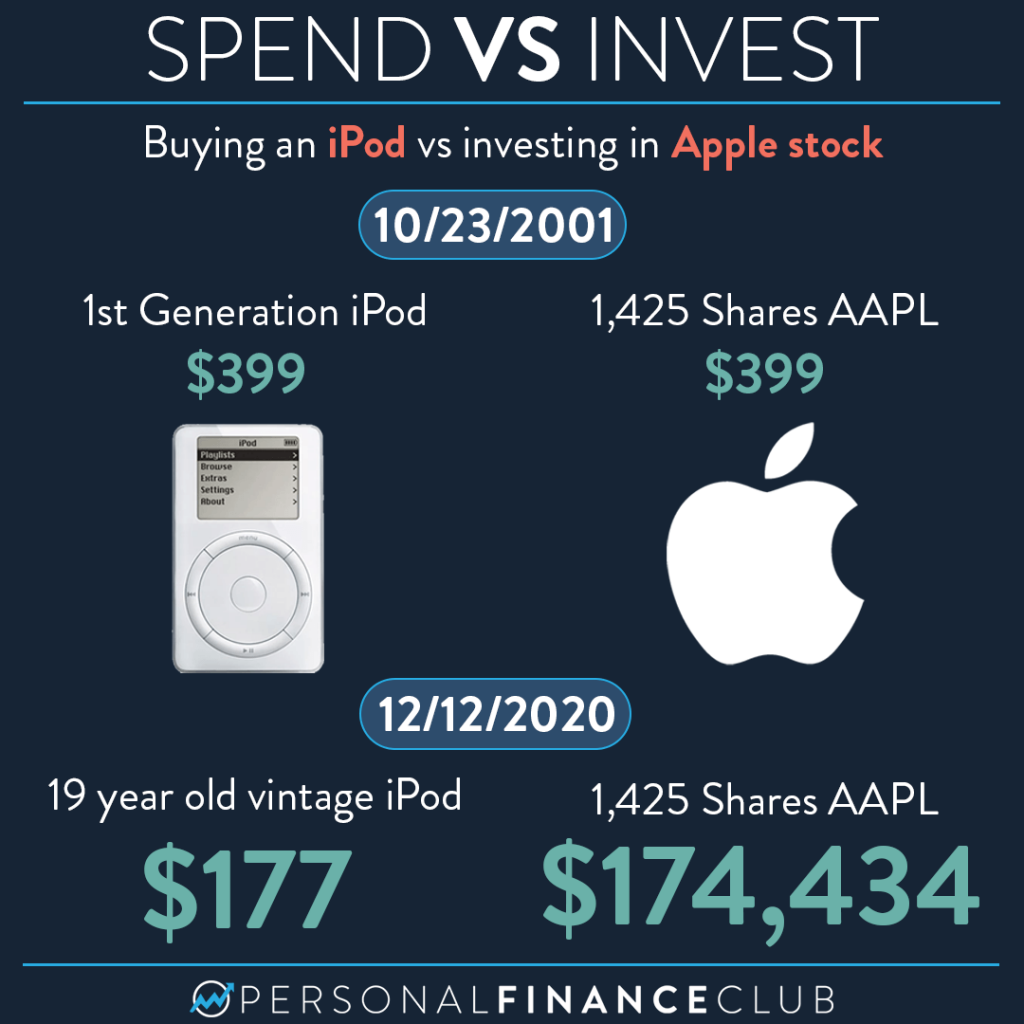
Secondly, Apple’s relentless focus on innovation keeps it at the forefront of technological advancement. From the iPod to the iPhone, iPad, and now the Vision Pro, Apple has consistently introduced category-defining products that captivate consumers and often set industry standards. This forward-looking approach suggests a continuous pipeline of potential growth drivers.
Finally, the strength of its ecosystem is a significant competitive advantage. Once users enter the Apple ecosystem with one device, they often find it convenient and intuitive to integrate other Apple products and services. This creates powerful network effects and a “stickiness” that reduces churn and drives recurring revenue from services. The robust App Store, coupled with services like Apple Music, Apple TV+, and iCloud, contributes significantly to the company’s profitability and diversifies its revenue streams beyond hardware sales.
Key Financial Metrics and Market Position
From a financial perspective, Apple consistently demonstrates impressive performance. It boasts staggering revenues and profitability, driven by strong product sales and growing services revenue. The company maintains healthy profit margins and a substantial cash reserve, providing flexibility for future investments, research and development, and shareholder returns through dividends and share buybacks.
Apple holds a dominant market position in several key segments, particularly in premium smartphones, tablets, and smartwatches. Its extensive global supply chain and distribution network further solidify its competitive edge. Investors often look at Apple’s market capitalization, which frequently positions it as one of the world’s largest public companies, reflecting its immense scale and investor confidence. Regular analysis of its quarterly earnings reports, balance sheet, and income statements is vital for any prospective investor to gauge its ongoing financial health and future prospects.
The Various Avenues for Investing in Apple Stock
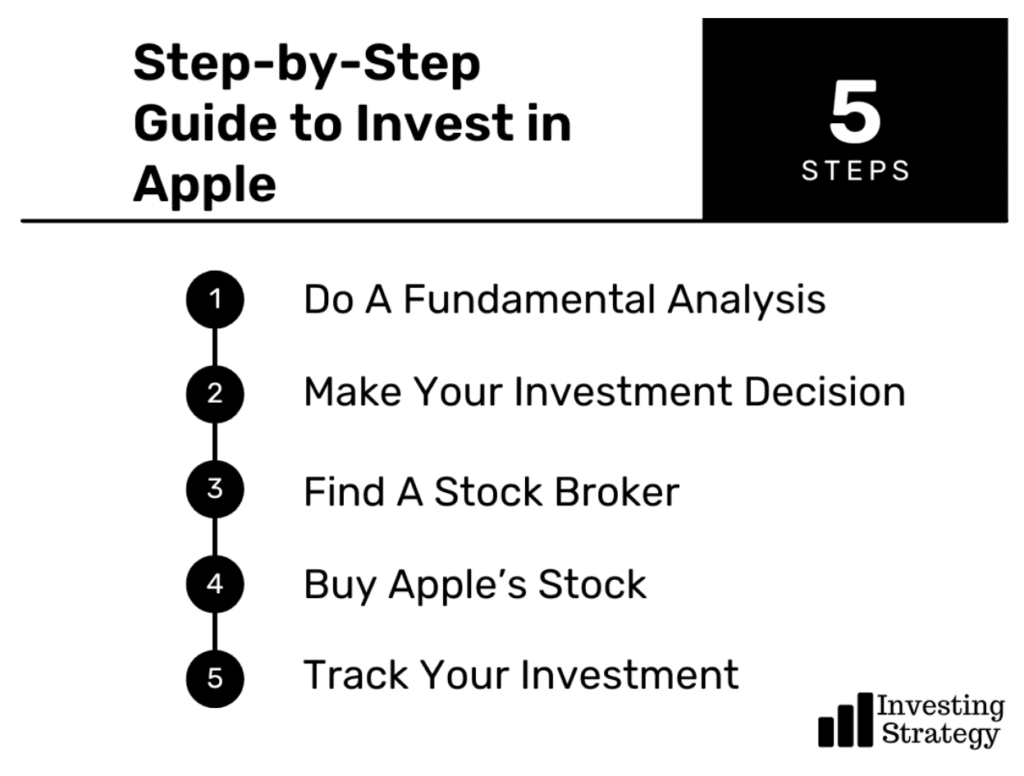
Once you’ve gained an appreciation for Apple’s business fundamentals, the next step is to understand the different ways you can actually acquire its stock. There isn’t just one path; several options cater to various investment goals, risk tolerances, and capital amounts.
Direct Stock Purchase Through a Brokerage Account
The most straightforward and common method to invest in Apple is to purchase its stock directly through a brokerage account. This involves opening an investment account with a financial institution (an online broker, traditional broker, or bank that offers brokerage services) and then using that account to buy shares of Apple stock. When you directly own shares of Apple, you become a partial owner of the company, entitled to potential capital gains if the stock price rises, as well as any dividends the company may distribute. This method is ideal for long-term investors who want direct exposure to Apple’s performance. Many online brokers now offer commission-free trading, making it more accessible than ever. Some even allow for the purchase of “fractional shares,” meaning you can invest a specific dollar amount (e.g., $50) to buy a portion of an Apple share, rather than needing to afford the full share price.
Investing via Exchange-Traded Funds (ETFs) and Mutual Funds
If you’re looking for broader diversification while still having exposure to Apple, investing through Exchange-Traded Funds (ETFs) or mutual funds that hold Apple stock is an excellent alternative. Many technology-focused ETFs, growth ETFs, or large-cap index funds will count Apple among their top holdings.
-
ETFs are baskets of securities that trade on an exchange, much like individual stocks. They offer diversification across multiple companies, sectors, or market segments. For instance, a tech-heavy ETF might hold Apple, Microsoft, Amazon, and Google, spreading your risk across several giants.
-
Mutual funds are professionally managed portfolios of stocks, bonds, or other investments. While similar to ETFs in providing diversification, mutual funds are typically actively managed and traded only once per day after the market closes.
Both ETFs and mutual funds allow you to indirectly invest in Apple while mitigating the single-stock risk, as your investment is spread across numerous companies. This approach is often recommended for those seeking a more diversified and potentially less volatile investment strategy.
Options Trading and Other Derivatives
For experienced investors with a higher risk tolerance and a deeper understanding of market mechanics, options trading and other derivatives offer more complex ways to bet on Apple’s stock price movements. Options contracts give the holder the right, but not the obligation, to buy or sell a stock at a specified price before a certain date.
-
Call options allow you to profit if Apple’s stock price rises.
-
Put options allow you to profit if Apple’s stock price falls.
While options can offer significant leverage and potentially higher returns, they also come with substantially higher risks, including the risk of losing your entire investment quickly. This strategy requires extensive knowledge of options strategies, market timing, and risk management, and is generally not recommended for beginners.
Practical Steps to Buying Apple Stock
Once you’ve decided on your investment method, the actual process of buying Apple stock involves a few practical, sequential steps.
Choosing the Right Brokerage Account
The first critical step is to select a suitable brokerage firm. Factors to consider include:
-
Fees and Commissions: Many online brokers now offer commission-free trading for stocks and ETFs, but check for other fees like account maintenance, inactivity fees, or fees for specific transaction types.
-
Investment Minimums: Some brokers require a minimum deposit to open an account, though many popular platforms have no minimums.
-
Available Products: Ensure the broker offers access to the types of investments you’re interested in (e.g., individual stocks, ETFs, options).
-
Research Tools and Educational Resources: Look for platforms that provide robust research tools, analytical insights, and educational content to help you make informed decisions.
-
Customer Service: Good customer support can be invaluable, especially for new investors.
-
Ease of Use: A user-friendly interface can make the investing process much smoother.
Popular choices include established online brokers like Fidelity, Charles Schwab, E*TRADE, Vanguard, and newer platforms like Robinhood or Interactive Brokers.
Funding Your Account
After opening your brokerage account, the next step is to deposit funds. Common methods include:
-
Electronic Funds Transfer (EFT) from your bank account: This is typically free and takes a few business days for the funds to clear.
-
Wire Transfer: Faster but often incurs a fee from your bank.
-
Check Deposit: Slower process, as the check needs to clear.
-
Linking to a Debit Card (less common for large sums): Some platforms offer instant deposits with a debit card, but limits may apply.
Ensure you fund your account with an amount you are comfortable investing, keeping in mind your financial goals and risk tolerance.
Placing Your First Order
With funds in your account, you’re ready to place an order for Apple stock (ticker symbol: AAPL).
-
Market Order: This instructs your broker to buy or sell shares immediately at the best available current market price. While quick, the execution price might differ slightly from what you see when you place the order, especially in volatile markets.
-
Limit Order: This allows you to specify the maximum price you’re willing to pay per share (for a buy order) or the minimum price you’re willing to accept (for a sell order). Your order will only execute if the stock reaches your specified price or better. Limit orders provide more control over the execution price but there’s no guarantee the order will be filled if the price isn’t met.
-
Fractional Shares: If your broker offers it and you don’t want to buy a full share, you can specify a dollar amount (e.g., “$100 of Apple stock”), and the broker will purchase a corresponding fraction of a share. This is an excellent option for beginners with limited capital.
Carefully review your order details before confirming to avoid errors.
Strategic Considerations for Your Apple Investment
Investing in Apple stock isn’t just about pressing “buy.” It requires a thoughtful approach that integrates research, risk management, and long-term planning.
Due Diligence and Research
While Apple is a well-known company, thorough due diligence is paramount. Don’t rely solely on brand recognition or past performance.
-
Read Financial Reports: Review Apple’s quarterly and annual reports (10-Q and 10-K filings with the SEC) to understand its revenues, expenses, profits, and balance sheet.
-
Analyze Growth Prospects: Consider Apple’s future product pipeline, its strategy in emerging markets, and its ability to innovate in competitive landscapes.
-
Monitor Industry Trends: Keep an eye on the broader technology sector, competition, and regulatory developments that could impact Apple.
-
Consult Analyst Ratings: While not definitive, analyst reports can offer valuable perspectives and price targets.
-
Stay Informed with News: Follow financial news outlets and reputable tech publications for updates relevant to Apple.
Diversification and Portfolio Management
Even with a strong company like Apple, diversification is crucial for a healthy investment portfolio. Putting all your eggs in one basket, even a seemingly robust one, exposes you to significant concentration risk. If Apple’s performance falters for any reason, your entire portfolio could suffer.
-
Sector Diversification: Don’t just invest in tech. Consider adding exposure to other sectors like healthcare, finance, consumer staples, or industrials.
-
Asset Class Diversification: Beyond stocks, consider bonds, real estate, or other asset classes to balance risk and return.
-
Geographic Diversification: Invest in companies operating in different regions to mitigate country-specific risks.
A well-diversified portfolio aims to smooth out returns and reduce overall risk.
Long-Term vs. Short-Term Approaches
Your investment horizon significantly influences your strategy.
-
Long-Term Investing: Many investors buy Apple stock with a long-term perspective, aiming to benefit from its continued growth and innovation over several years or even decades. This approach typically involves less frequent trading and tolerating short-term market fluctuations.
-
Short-Term Trading: Some may attempt to profit from Apple’s stock price volatility through short-term trading. This involves buying and selling shares rapidly based on technical analysis or news events. This strategy is highly speculative, requires significant time commitment, and carries much higher risk. For most individual investors, a long-term, buy-and-hold strategy is generally more suitable and less stressful.
Understanding Risks and Volatility
No investment is without risk, and Apple stock is no exception.
-
Market Volatility: Stock prices can fluctuate dramatically due to broader market trends, economic news, or investor sentiment.
-
Competition: Apple faces intense competition from other tech giants in all its product categories, which could impact its market share and profitability.
-
Regulatory Scrutiny: As a dominant player, Apple is often subject to antitrust investigations and regulatory pressures globally, which could force changes to its business model or operations.
-
Supply Chain Disruptions: Global events, geopolitical tensions, or natural disasters can disrupt Apple’s complex supply chain, affecting production and sales.
-
Product Failure: While rare, a major product flop or a significant security breach could damage Apple’s reputation and financial standing.
It’s important to acknowledge these risks and assess how they might impact your investment thesis.
Beyond the Initial Purchase: Managing Your Investment
Investing is an ongoing process, not a one-time transaction. Once you’ve purchased Apple stock, effective management is key to maximizing your potential returns and adapting to changing market conditions.
Monitoring Performance and Market News
Regularly monitoring the performance of your Apple stock and staying abreast of relevant market news is essential. This doesn’t mean obsessively checking prices daily, but rather keeping an eye on quarterly earnings reports, major product announcements, competitive landscape shifts, and overall economic indicators that could impact the technology sector. Financial news outlets, your brokerage platform’s research section, and Apple’s investor relations website are excellent resources. Understanding why the stock is moving (or isn’t) can help you make informed decisions about holding, buying more, or selling.
Rebalancing and Adjusting Your Portfolio
Over time, your initial investment in Apple (or any other stock) might grow or shrink, altering its percentage allocation within your overall portfolio. Rebalancing involves periodically adjusting your portfolio back to your target asset allocation. For instance, if Apple’s stock performs exceptionally well and now represents a larger portion of your portfolio than you initially intended, you might consider selling a portion of your Apple shares to reinvest in other underrepresented assets. Conversely, if Apple’s stock underperforms and its allocation shrinks, you might consider buying more to bring it back to your target. Rebalancing helps maintain your desired risk level and ensures you’re not overly concentrated in any single stock or sector.
Understanding Dividends and Stock Splits
As an Apple shareholder, you’ll also want to understand two common corporate actions:
-
Dividends: Apple pays a quarterly cash dividend to its shareholders. This is a portion of the company’s profits distributed to investors. Dividends can provide a steady income stream and are often seen as a sign of a financially healthy company. You can choose to receive these dividends as cash or reinvest them to buy more shares, often through a Dividend Reinvestment Plan (DRIP).
-
Stock Splits: Occasionally, Apple might announce a stock split. This doesn’t change the total value of your investment but alters the number of shares you own and their per-share price. For example, a 4-for-1 stock split means you would receive four shares for every one you previously owned, and the price per share would adjust to one-fourth of its pre-split value. Stock splits are typically done to make the stock more accessible to a broader range of investors by lowering its per-share price.
Investing in Apple stock can be a rewarding journey for those who approach it with diligence, a clear strategy, and an understanding of the inherent risks. By following these guidelines, you can build a more robust investment portfolio and potentially participate in the continued success of one of the world’s most innovative companies. Remember, personal financial situations vary, so it’s always advisable to consult with a qualified financial advisor before making any significant investment decisions.
aViewFromTheCave is a participant in the Amazon Services LLC Associates Program, an affiliate advertising program designed to provide a means for sites to earn advertising fees by advertising and linking to Amazon.com. Amazon, the Amazon logo, AmazonSupply, and the AmazonSupply logo are trademarks of Amazon.com, Inc. or its affiliates. As an Amazon Associate we earn affiliate commissions from qualifying purchases.