
Acquiring a credit card is a significant step in managing one’s personal finances, offering both immense convenience and powerful tools for financial growth, provided it’s managed responsibly. For many, a credit card is more than just a payment method; it’s a gateway to building credit history, earning rewards, and securing financial flexibility. However, with a multitude of options available, knowing where to begin and which avenue is best suited for your financial situation can be daunting. This comprehensive guide will navigate the landscape of credit card acquisition, from understanding your needs to exploring various providers and mastering responsible usage, all firmly within the realm of personal finance.
Understanding Your Credit Card Landscape
Before embarking on the search for a credit card, it’s crucial to first understand your own financial standing, goals, and the diverse types of credit cards available. This foundational knowledge will empower you to make an informed decision that aligns with your financial strategy.
Defining Your Financial Goals
The “best” credit card isn’t a universal truth; it’s deeply personal, shaped by your individual financial objectives. Are you looking to build a credit history from scratch? Do you aim to earn rewards on everyday spending, travel points for your next vacation, or cash back? Perhaps your priority is a low-interest rate to manage potential balances, or you need a card with a high credit limit for business expenses. Identifying these goals upfront will narrow down your options considerably. For instance, a student new to credit will have vastly different needs than an established professional seeking premium travel benefits or a small business owner requiring expense tracking and employee cards. Consider your spending habits, your capacity to pay balances in full monthly, and any specific benefits that would genuinely add value to your financial life.
Assessing Your Credit Profile
Your credit profile is a critical factor in determining which credit cards you qualify for. Lenders use your credit score and credit report to assess your creditworthiness – your likelihood of repaying borrowed money. Individuals with excellent credit (typically FICO scores above 740) have access to the widest range of premium cards with the best interest rates and rewards programs. Good credit (670-739) also opens many doors, while fair credit (580-669) may limit options to cards designed for building credit or those with higher interest rates. If you have poor credit (below 580) or no credit history at all, your options will be more restricted, often leaning towards secured credit cards or credit-builder programs. It’s advisable to check your credit score and review your credit report from one of the three major credit bureaus (Equifax, Experian, TransUnion) before applying. Many banks and personal finance apps offer free access to your score, and you can obtain a free credit report annually from AnnualCreditReport.com. Understanding where you stand empowers you to apply for cards you’re likely to be approved for, avoiding unnecessary dings on your credit report from rejected applications.
Types of Credit Cards and Their Benefits
The market is saturated with various types of credit cards, each designed to cater to different financial needs:
-
Rewards Credit Cards: These cards offer points, miles, or cash back on purchases. They are ideal for consumers who pay their balance in full each month, maximizing the return on their spending.
-
Travel Credit Cards: A subset of rewards cards, these often come with lucrative sign-up bonuses, airport lounge access, travel insurance, and accelerated points earning on travel-related expenses. Best for frequent travelers.
-
Low APR/Balance Transfer Cards: These cards feature introductory 0% APR periods on purchases or balance transfers, allowing consumers to pay down debt or finance large purchases without interest for a set duration. Crucial for debt consolidation or managing new expenses.
-
Secured Credit Cards: Designed for individuals with limited or poor credit history, these cards require a security deposit that typically matches your credit limit. They are an excellent tool for building credit responsibly as your payment history is reported to credit bureaus.
-
Student Credit Cards: Tailored for college students, these often have lower credit limits and may offer rewards on specific student-centric categories. They help students establish credit early.
-
Business Credit Cards: Separate personal and business finances, offer higher spending limits, and provide rewards or features relevant to business expenses. Essential for entrepreneurs and small business owners.
Traditional Pathways to Credit Card Acquisition
Once you’ve assessed your needs and credit profile, the next step is to explore the common and trusted avenues for obtaining a credit card. These traditional sources represent the bulk of credit card providers in the market.
Major Banks and Credit Unions
Commercial banks and credit unions remain the most common and accessible places to get a credit card.
-
Major Banks: Institutions like Chase, Bank of America, Citibank, Wells Fargo, and Capital One offer a vast array of credit cards designed for different credit profiles and spending habits. They often have robust online application processes, extensive customer service networks, and competitive rewards programs. Their brand recognition and widespread presence make them a primary choice for many. Applying through your existing bank where you hold a checking or savings account can sometimes streamline the process or even provide access to exclusive offers.
-
Credit Unions: These member-owned financial cooperatives often offer more personalized service and may have slightly more lenient approval standards or lower interest rates compared to large commercial banks, especially for members. While their card portfolios might not be as extensive, the community-focused approach and potential for better terms make them an attractive option, particularly for those looking for a local touch or more favorable rates. Membership is usually required, often tied to geographical location, employer, or association.
Online Lenders and Fintech Platforms
The digital age has ushered in a new era of financial services, with online lenders and fintech companies playing an increasingly prominent role in the credit card market.
-
Online-Only Banks: Companies like Discover and Synchrony Bank operate primarily online, offering a range of credit cards with competitive features, often specializing in cash back or specific retail partnerships. Their streamlined online applications and digital-first approach appeal to tech-savvy consumers.
-
Fintech Platforms: Emerging financial technology companies are innovating in the credit card space, sometimes offering unique credit-building tools, alternative underwriting models (e.g., using banking data instead of just credit scores), or niche products. While some are direct card issuers, others might act as aggregators, helping you compare and apply for cards from various providers through their platforms. These platforms can be particularly useful for those with thin credit files or seeking a modern, app-driven financial experience.
Retailer and Store-Branded Cards
Many retailers offer their own branded credit cards, often in partnership with a major bank. These cards typically provide discounts or rewards specifically for purchases made at that particular store or brand.
-
Benefits: Store cards can offer immediate savings (e.g., a percentage off your first purchase), exclusive member discounts, and loyalty points that accumulate quickly for frequent shoppers. They can also be easier to qualify for than general-purpose credit cards, making them an entry point for building credit.
-
Considerations: Be mindful that store cards often come with higher Annual Percentage Rates (APRs) compared to general-purpose cards. Their rewards are also usually restricted to the specific retailer, limiting their versatility. While they can be beneficial for dedicated shoppers, it’s crucial to understand their terms and avoid accumulating high-interest debt. Examples include cards from Amazon, Target, Macy’s, and various gas station brands.
Navigating Specific Scenarios and Alternative Options
The path to obtaining a credit card isn’t one-size-fits-all. Different life stages and credit situations call for specific strategies and alternative financial tools.
Building Credit: Secured Cards and Student Cards
For individuals with no credit history (often referred to as having a “thin file”) or limited credit experience, building credit is the primary goal.
-
Secured Credit Cards: These are arguably the best starting point for building credit. They require a security deposit, which serves as your credit limit and collateral. Because the lender’s risk is minimized by this deposit, they are much easier to obtain, even with no credit history. Consistent, on-time payments on a secured card are reported to credit bureaus, rapidly building a positive credit history. After 6-12 months of responsible use, many secured cardholders can graduate to an unsecured card and get their deposit back.
-
Student Credit Cards: Specifically designed for college students, these cards recognize that students typically have little to no credit history. They often feature lower credit limits, student-friendly rewards (like bonus points on dining or textbooks), and sometimes educational resources on financial literacy. While still requiring a responsible approach, they offer a practical way for students to begin establishing their credit early in life. Some may require a co-signer if the student’s income is insufficient.
Rebuilding Credit: Subprime Cards and Credit Builder Loans
For those with a history of missed payments, bankruptcies, or low credit scores, rebuilding credit is the focus.
-
Subprime Credit Cards: These cards are aimed at individuals with poor credit. While they offer access to credit, they often come with high interest rates, annual fees, and sometimes even monthly maintenance fees. They should be used cautiously and as a temporary stepping stone. The goal is to use them responsibly for a period to demonstrate improved financial habits, then transition to more favorable cards.
-
Credit Builder Loans: While not credit cards themselves, credit builder loans are excellent financial tools for improving credit. With these loans, a lender deposits a small loan amount into a locked savings account. You make monthly payments on the loan, which are reported to credit bureaus. Once the loan is fully paid, you receive access to the savings account. This process demonstrates consistent payment behavior without incurring credit card debt, positively impacting your credit score. Many credit unions offer these products.
Business Credit Cards for Entrepreneurs
For small business owners and entrepreneurs, separating personal and business finances is crucial for both accounting and liability reasons.
-
Dedicated Business Cards: Business credit cards provide higher spending limits, specialized rewards on business-related expenses (like office supplies, advertising, or travel), and features like employee cards with spending controls and detailed expense reporting. They can also help a business establish its own credit profile, independent of the owner’s personal credit. While many business cards require a personal guarantee, consistent use helps build the business’s credit history.
-
Where to Get Them: Major banks (Chase, American Express, Capital One), online lenders, and even some fintech companies offer robust business credit card portfolios. The application process typically involves providing business details, such as an Employer Identification Number (EIN), business revenue, and potentially a personal guarantee.
The Application Journey and Responsible Usage
Once you’ve identified the right credit card and provider, understanding the application process and committing to responsible management are key to maximizing the benefits and avoiding the pitfalls of credit.
Essential Documents and Information for Application
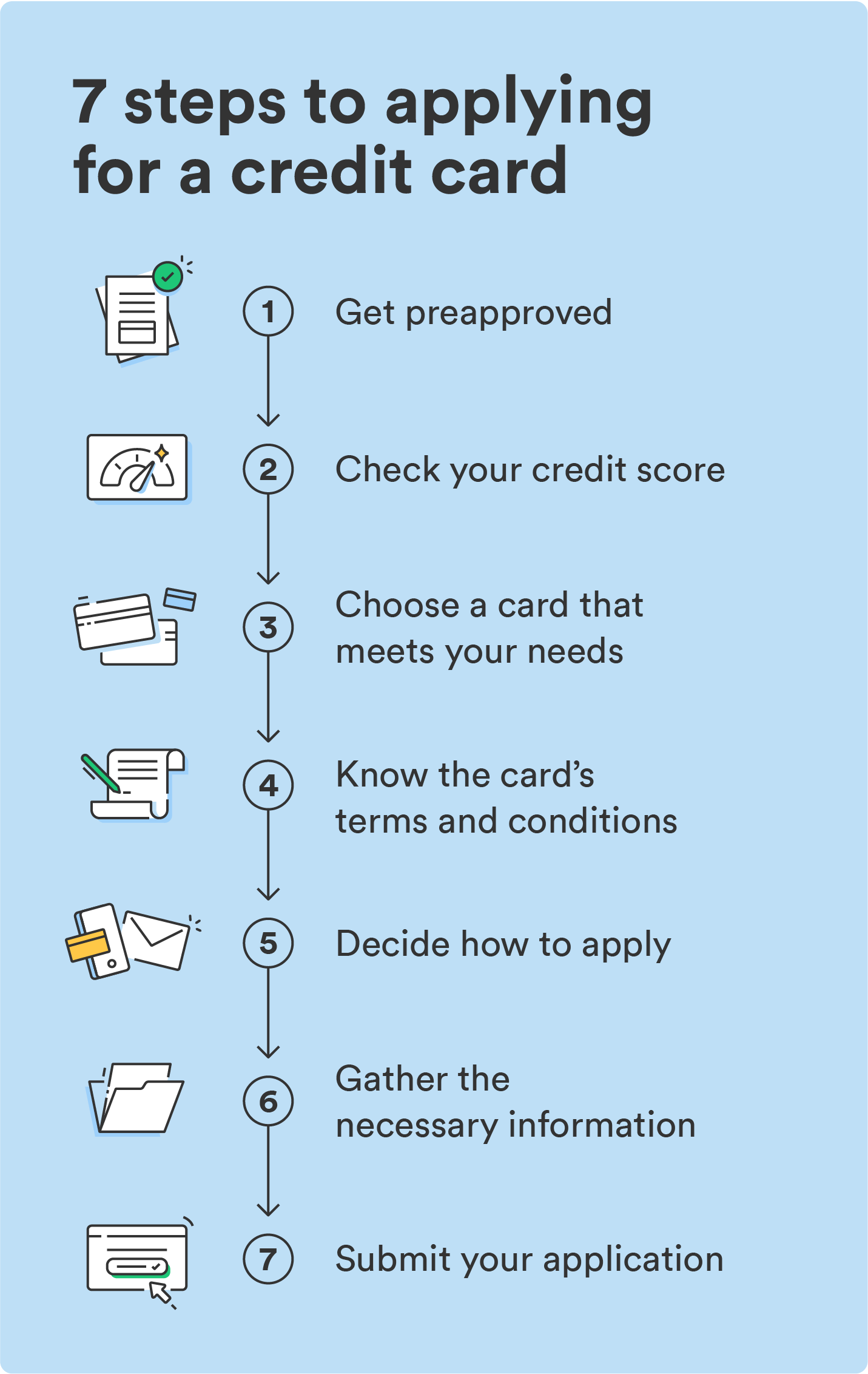
Applying for a credit card typically requires personal and financial information to verify your identity and assess your ability to repay. Be prepared to provide:
-
Personal Identification: Government-issued ID (driver’s license, state ID)
-
Social Security Number (SSN) or Individual Taxpayer Identification Number (ITIN): Essential for credit checks.
-
Contact Information: Current address, phone number, and email.
-
Employment and Income Details: Your employer’s name, job title, and verifiable income sources (e.g., salary, self-employment income, benefits). Lenders need to ensure you have the means to pay your bills.
-
Monthly Housing Payment: Rent or mortgage amount.
Having this information readily available will make the online or in-branch application process smooth and efficient.
Understanding Credit Scores and Approval Criteria
Lenders primarily use your credit score (e.g., FICO Score, VantageScore) and your credit report to make approval decisions. These scores are a numerical representation of your creditworthiness, influenced by factors such as:
-
Payment History (35%): Your track record of on-time payments. This is the most significant factor.
-
Amounts Owed (30%): How much debt you have relative to your available credit (credit utilization ratio). Keeping this below 30% is generally recommended.
-
Length of Credit History (15%): How long your credit accounts have been open.
-
New Credit (10%): The number of recent credit applications and newly opened accounts.
-
Credit Mix (10%): The variety of credit you have (e.g., credit cards, auto loans, mortgages).
Each lender has its own specific approval criteria, but a higher credit score generally leads to better card offers and a higher likelihood of approval. Be aware that applying for new credit results in a “hard inquiry” on your credit report, which can slightly (and temporarily) lower your score. It’s wise to limit applications to only those cards you genuinely need and are likely to qualify for.
Post-Approval: Managing Your Credit Card Wisely
Getting approved is just the first step; responsible credit card management is paramount to leveraging its benefits without falling into debt.
-
Pay Your Bill On Time, Every Time: This is the single most important rule. Late payments incur fees and severely damage your credit score. Set up automatic payments or calendar reminders.
-
Pay in Full Whenever Possible: Paying your statement balance in full each month avoids interest charges and keeps your credit utilization low, which is excellent for your credit score.
-
Keep Your Credit Utilization Low: Aim to use no more than 30% of your available credit on any given card (e.g., if you have a $1,000 limit, try to keep your balance below $300).
-
Monitor Your Statements and Credit Report: Regularly review your statements for accuracy and fraudulent charges. Periodically check your credit report for errors or suspicious activity.
-
Understand Your Card’s Terms: Be aware of your interest rate, annual fees, foreign transaction fees, and any other charges.
Pitfalls to Avoid: Debt and Fees
While credit cards offer many advantages, they come with risks if not managed properly.
-
High-Interest Debt: Carrying a balance month-to-month can quickly accumulate significant interest charges, making it difficult to pay off the principal. This is particularly true for cards with high APRs.
-
Excessive Fees: Be mindful of annual fees, late payment fees, over-limit fees, and balance transfer fees. These can eat into your financial resources unnecessarily.
-
Minimum Payments Trap: Only paying the minimum due can extend the repayment period for years and drastically increase the total cost of your purchases due to compounding interest.
-
Identity Theft and Fraud: While card issuers offer fraud protection, being vigilant about where and how you use your card and monitoring your accounts is crucial to protect yourself.
In conclusion, knowing where to get a credit card involves more than just finding a bank. It requires a thoughtful assessment of your financial standing and goals, an understanding of the diverse card types and providers, and a commitment to responsible financial stewardship. By approaching credit card acquisition with a strategic mindset and disciplined usage, you can unlock a powerful tool for building a robust financial future.
aViewFromTheCave is a participant in the Amazon Services LLC Associates Program, an affiliate advertising program designed to provide a means for sites to earn advertising fees by advertising and linking to Amazon.com. Amazon, the Amazon logo, AmazonSupply, and the AmazonSupply logo are trademarks of Amazon.com, Inc. or its affiliates. As an Amazon Associate we earn affiliate commissions from qualifying purchases.