
In the contemporary financial landscape, the prepaid card has evolved from a niche tool for the unbanked into a sophisticated instrument for budgeting, digital security, and streamlined spending. Unlike traditional debit cards linked to a checking account or credit cards that rely on a line of credit, a reloadable prepaid card requires you to proactively add funds before use. Mastering the various methods of “loading” these cards is essential for anyone looking to leverage them for financial management. Understanding the mechanics of these transactions—ranging from digital transfers to retail-based cash deposits—allows users to minimize fees and maximize the utility of their financial tools.
The Strategic Utility of Prepaid Debit Cards
Before diving into the technical steps of funding, it is vital to understand why these cards have become a staple in modern personal finance. Prepaid cards offer a unique middle ground between cash and credit. They provide the convenience of electronic payments and online shopping without the risk of overspending or accruing high-interest debt.
Why Consumers Choose Prepaid Over Traditional Banking
For many, the appeal of a prepaid card lies in its accessibility and the boundaries it creates. Because these cards are not typically linked to a traditional bank account, they provide an extra layer of insulation against identity theft and over-drafting. If a prepaid card’s details are compromised online, the potential loss is limited strictly to the balance on the card. Furthermore, they are excellent tools for budgeting; by loading only a specific “allowance” for groceries or entertainment, a user can physically prevent themselves from exceeding their monthly limits.
Differentiating Between Reloadable and Non-Reloadable Cards
It is important to distinguish between “gift cards” and “reloadable prepaid cards.” Most retail gift cards are non-reloadable; once the initial balance is exhausted, the card is discarded. However, general-purpose reloadable (GPR) cards, usually branded by Visa, Mastercard, or American Express, are designed for long-term use. These cards require a verification process—often involving a Social Security number—to comply with federal “Know Your Customer” (KYC) regulations. Once verified, these cards function similarly to a standard bank account, complete with routing and account numbers.
Digital Funding Methods: Speed and Convenience
In an increasingly digital economy, the most efficient way to put money on a prepaid card is through electronic means. These methods are often the most cost-effective, as they frequently bypass the “load fees” associated with physical retail locations.
Direct Deposit: The Foundation of Financial Stability
Direct deposit is perhaps the most seamless method for funding a prepaid card. Most major prepaid card issuers provide the user with a virtual account number and a routing number. By providing these details to an employer’s payroll department or a government agency (for Social Security or tax refunds), funds can be deposited automatically onto the card.
The primary advantage of direct deposit is the speed of access. Many prepaid card providers offer “early direct deposit,” allowing users to access their paycheck up to two days earlier than they would with a traditional bank. Furthermore, many issuers waive monthly maintenance fees if a certain amount is direct-deposited each month, making this the most financially savvy way to maintain a balance.
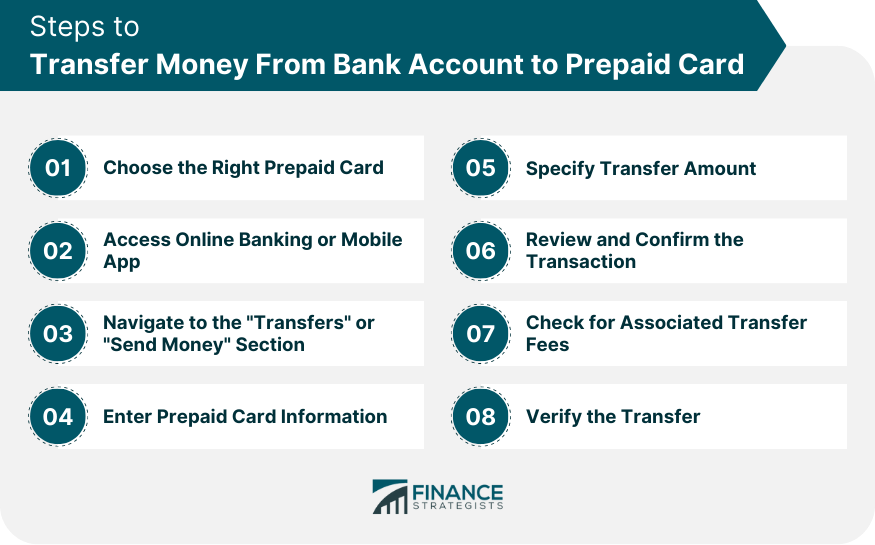
Online Bank Transfers and ACH
If you already maintain a traditional checking or savings account, you can “push” money to your prepaid card via an Automated Clearing House (ACH) transfer. By logging into your traditional bank’s online portal, you can add your prepaid card’s account and routing numbers as an external account.
While this method is reliable, it is not instantaneous. ACH transfers typically take one to three business days to clear. This requires a level of forward-planning to ensure the funds are available when needed. However, it is an excellent way to move money into a “spendable” format if you are using the prepaid card specifically for a vacation or a large planned purchase.
Mobile Check Deposit
The rise of fintech has brought the convenience of the bank teller to the smartphone. Most prepaid card apps now feature a mobile check deposit function. By taking a photo of the front and back of a signed check, users can upload the funds directly to their card balance.
Users should be aware of the “time vs. cost” trade-off inherent in this method. Many apps offer a choice: a “standard” deposit, which is usually free but takes several days to clear, or an “instant” deposit, which makes funds available within minutes for a percentage-based fee (often 1% to 5% of the check’s value).
In-Person Reloading: Accessing Cash Networks
Despite the shift toward digital finance, cash remains a significant part of the economy. One of the greatest strengths of prepaid cards is the ability to convert physical cash into digital currency through vast retail networks.
Retail Reload Networks
Major prepaid card brands partner with massive retail chains—such as Walmart, CVS, Walgreens, and 7-Eleven—to facilitate cash loads. There are two primary ways this is handled:
-
Swipe-at-the-Register: This is the most straightforward method. You simply tell the cashier you want to load money onto your card, hand over the cash and the card, and the cashier swipes it to complete the transaction. The funds are typically available within minutes.
-
Reload Packs: Some systems, like Green Dot’s “MoneyPak” or Netspend’s “Reload Network,” allow you to purchase a specific reload voucher or pack. You pay for the pack plus a convenience fee at the register, and then you follow the instructions on the back—usually by entering a unique code on the card issuer’s website or app—to apply the balance to your account.
Using Cash Load Kiosks and ATMs
Some financial ecosystems utilize specialized kiosks. These machines allow users to insert their card and feed cash directly into the machine. While less common than the retail swipe method, these kiosks are often found in transit hubs or large shopping malls. Additionally, some newer ATMs belonging to the card’s specific network may allow for cash deposits, though this is still a developing feature for the prepaid sector compared to traditional debit cards.
It is crucial to note that in-person reloading almost always incurs a fee. These fees are set by the retailer or the network provider (like Reloadit or Vanilla Direct) rather than the card issuer. They typically range from $3.95 to $5.95 per transaction, regardless of the amount loaded. For those loading small amounts frequently, these fees can quickly erode their purchasing power.
Managing Costs and Maximizing Value
To use a prepaid card effectively, one must look at it through the lens of a financial manager. The goal is to maximize the utility of the card while minimizing the friction of fees and the risks of digital commerce.
Identifying and Avoiding Common Fee Structures
The “hidden” cost of prepaid cards is often found in the fine print of the loading process. Beyond the retail load fees mentioned above, users should be vigilant about:
-
Inactivity Fees: If a card isn’t loaded or used for a certain period (usually 90 days), the issuer may deduct a small monthly fee.
-
Transaction Fees: Some cards charge a small fee for every purchase. In these cases, the card is better suited for large, infrequent purchases rather than daily lattes.
-
Declination Fees: Attempting to use the card for an amount greater than the balance can sometimes result in a small “declined transaction” fee.
The best strategy is to look for cards that offer a “flat monthly fee” version, which often includes unlimited transactions and free digital loading options.
Security Protocols and Fraud Protection
Putting money on a prepaid card is a transaction that requires security mindfulness. When loading money via a retail location, always keep your receipt until you see the balance reflected in your app. This receipt is your only proof of the transaction should a technical error occur.
Furthermore, ensure that the card you choose is protected by the Consumer Financial Protection Bureau (CFPB) rules that went into effect in 2019. These regulations provide prepaid cardholders with protections similar to those of traditional debit cards, including the right to dispute unauthorized transactions and a requirement for issuers to provide clear, pre-acquisition disclosures about fees.
Integrating Prepaid Cards into a Broader Financial Plan
A prepaid card is most effective when it is part of a larger, intentional financial strategy. It shouldn’t just be a place to “put money”; it should be a tool to achieve a specific financial objective.
Budgeting and Controlled Spending
For individuals struggling with impulse spending, the process of manually “loading” the card serves as a psychological barrier. It forces a moment of reflection: “Do I actually need to add another $100 to this card for the weekend?” By using a prepaid card for discretionary spending—the “fun money”—and keeping essential bill money in a separate account, you create a physical boundary that software-based budgeting apps cannot provide.
Teaching Financial Literacy
Prepaid cards serve as an excellent “training wheels” phase for teenagers or young adults. Parents can load a monthly allowance onto a card, giving the minor the experience of managing a digital balance and using a card at the point of sale, without the risk of them overdrawing a bank account or damaging their credit score. This hands-on experience is invaluable for building the financial habits necessary for adulthood.

The Role of Prepaid Cards in the Digital Future
As we move toward a more “cashless” society, the ability to quickly and efficiently fund a prepaid card remains a vital skill. Whether you are using it to protect your main bank account from online hackers, managing a strict weekly budget, or providing a way for a family member to receive funds instantly, the reloadable prepaid card is a versatile pillar of modern personal finance. By choosing the right loading method—balancing the speed of retail cash loads with the cost-efficiency of direct deposits—you can ensure that your money is always where you need it, when you need it, without unnecessary loss to fees.
aViewFromTheCave is a participant in the Amazon Services LLC Associates Program, an affiliate advertising program designed to provide a means for sites to earn advertising fees by advertising and linking to Amazon.com. Amazon, the Amazon logo, AmazonSupply, and the AmazonSupply logo are trademarks of Amazon.com, Inc. or its affiliates. As an Amazon Associate we earn affiliate commissions from qualifying purchases.