
In the modern financial landscape, prepaid gift cards have evolved from simple “last-minute gifts” into sophisticated tools for budgeting, secure online shopping, and controlled spending. Among the most prestigious and widely accepted of these tools is the American Express Gift Card. Unlike store-specific cards, an Amex gift card offers the flexibility of a traditional credit card without the requirement of a bank account or a credit check. However, the utility of these cards is entirely dependent on the user’s ability to manage the available balance effectively. Knowing exactly how much purchasing power remains on your card is the difference between a seamless checkout experience and the embarrassment of a declined transaction.
The Mechanics of American Express Gift Cards
To manage an American Express gift card effectively, one must first understand how it functions within the broader financial ecosystem. These cards are “prepaid,” meaning they are pre-loaded with a specific dollar amount at the time of purchase. Unlike a standard American Express credit card, which offers a line of credit that you pay back later, a gift card is a “stored-value” instrument. Once the balance reaches zero, the card is typically finished, though some specific “Reloadable” versions exist under the American Express Serve or Bluebird brands.
For the user, the primary challenge is that gift cards do not provide a monthly statement. There is no automated email telling you that your balance is low. Consequently, the responsibility of tracking every cent falls on the cardholder. This is particularly important because of how payment processors handle “authorization holds”—temporary freezes on funds that can make your balance appear lower than it actually is.
Three Primary Ways to Verify Your Balance
Checking your American Express gift card balance is a straightforward process, but it requires having the physical card (or the digital card details) ready. American Express has streamlined this process through three primary channels: the official online portal, the automated phone system, and direct customer service interaction.
The Online Portal Method
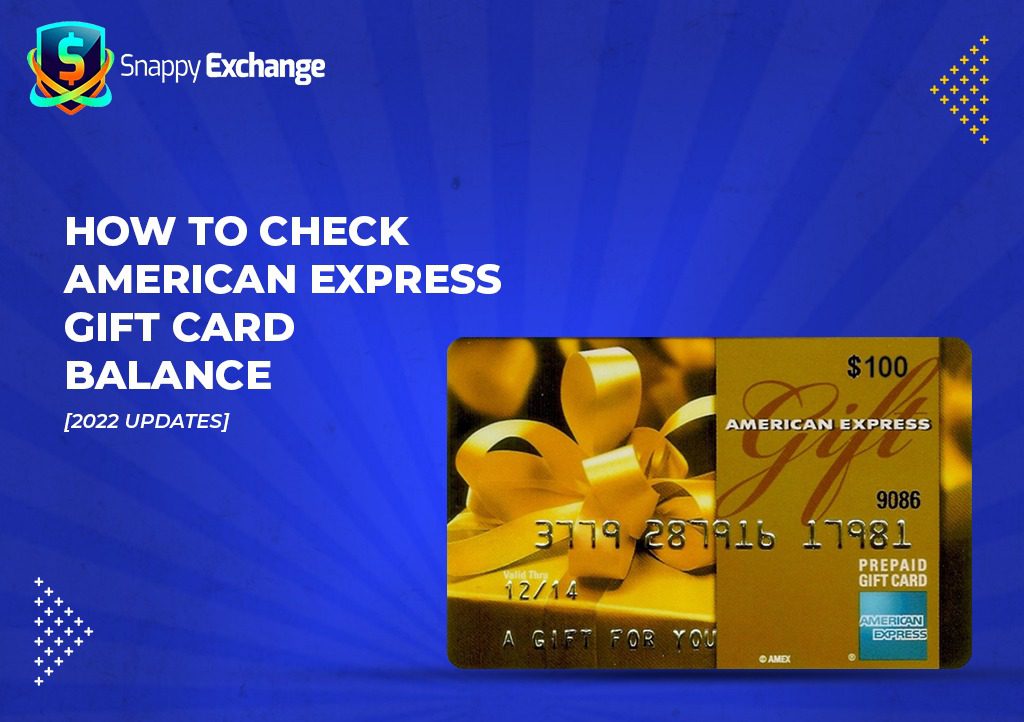
The most efficient way to check your balance and view recent transaction history is through the official American Express Gift Card website (typically amexgiftcard.com). To use this tool, you will need to enter the 15-digit card number located on the front of the card, the expiration date, and the 4-digit Security Code (also known as the CID) found on the front of the card, usually located just above the card number.
The online portal is superior to other methods because it provides a visual breakdown of your spending. In the world of personal finance, seeing a digital ledger is far more effective for budgeting than hearing a number read over the phone. The portal allows you to see “Pending” transactions, which are amounts authorized by merchants but not yet fully settled. This distinction is vital for avoiding declined transactions in the future.
Telephone Verification
For those who are on the go or do not have immediate internet access, American Express provides a dedicated toll-free number for balance inquiries. This number is usually found on the back of the card. Upon calling, you will interact with an Automated Voice Response (AVR) system. You will be prompted to input your card number and security code using your phone’s keypad.
While convenient, the phone method has a drawback: it rarely provides the granular detail of specific transactions. It will give you the “Available Balance,” which is the total amount minus any pending authorizations. If your balance sounds lower than expected, you may eventually need to log in online to see where the discrepancy lies.
Customer Service and Physical Retailers
It is a common misconception that you can check your American Express gift card balance at a retail cash register. Unlike a Target or Starbucks gift card, which can be swiped at their respective stores to show a balance, most third-party retailers cannot “read” the balance of an American Express card through their Point of Sale (POS) systems. They can only attempt to charge the card. If you ask a cashier to check the balance, they will likely be unable to do so. Therefore, you should always verify the balance yourself before reaching the checkout counter to ensure the transaction will be approved.
Navigating Common Transaction Hurdles

Even with a verified balance, users often encounter issues when trying to spend their remaining funds. Understanding the financial logic behind these hurdles can prevent frustration and help you utilize every penny on the card.
The Impact of “Pending” Authorizations
One of the most frequent complaints regarding Amex gift cards is a “missing” balance. This is usually the result of an authorization hold. When you use a card at a gas station pump, a hotel, or a restaurant, the merchant may “hold” an amount higher than the actual purchase price to ensure you have enough to cover a tip or a full tank of gas.
For example, a gas station might authorize $100 the moment you swipe your card, even if you only end up buying $20 worth of fuel. That $100 is temporarily subtracted from your “Available Balance.” It can take 3 to 7 business days for the merchant to settle the actual amount and for the remaining $80 to “fall back” onto your card. In the context of personal finance management, this means you should avoid using gift cards for services that require large holds if you plan on using the card for other purchases immediately afterward.
Why Your Card Might Be Declined
If you have checked your balance and know you have $50 available, but a $45 purchase is declined, the issue is often related to “Split-Tender” transactions or “Address Verification.”
Many online retailers use an Address Verification System (AVS) to prevent fraud. Because gift cards are often not registered to a specific name or home address, the transaction may be automatically blocked by the merchant’s security software. Furthermore, if you are attempting to buy something that costs more than the balance on your card, most online checkout systems will simply decline the card rather than charging the remaining balance and asking for a second form of payment. This is known as a split-tender transaction, and while it is easy to do in person, it is notoriously difficult to execute online.
Best Practices for Financial Security and Fraud Prevention
Treating an American Express gift card with the same level of security as cash is a fundamental rule of personal finance. Once the funds are gone, they are notoriously difficult to recover.
Registering Your Card for Online Purchases
One of the smartest financial moves you can make after receiving an American Express gift card is to register it on the official website. Registration allows you to associate a billing address with the card. As mentioned previously, this significantly increases the success rate of online transactions. More importantly, if the card is lost or stolen, having it registered in your name makes the process of canceling the old card and issuing a replacement with the remaining balance much smoother.
Protecting Against Scams
In recent years, “gift card draining” has become a prevalent issue. Fraudsters sometimes record card numbers and security codes in stores before the cards are even purchased. Once a customer buys and activates the card, the scammer quickly spends the balance. To protect your financial assets, always inspect the packaging for signs of tampering. If the silver scratch-off coating on the back is damaged, do not purchase the card.
Strategic Financial Management of Gift Card Assets
From a personal finance perspective, an American Express gift card should be viewed as an asset that needs to be “liquidated” efficiently. Leaving small balances of $1.50 or $2.25 on multiple cards is a form of financial waste.
Using Gift Cards to Supplement Your Budget
Many disciplined spenders use American Express gift cards as a way to “envelope” their spending. By loading a specific amount onto a card for “entertainment” or “dining out” for the month, you create a hard ceiling on your expenses. Once the card balance is checked and found to be zero, the spending for that category stops. This is an excellent tactic for those looking to improve their financial literacy and curb impulsive spending habits.

Dealing with Remaining Micro-Balances
When you reach the end of a card’s balance—say you have $3.42 left—it can be difficult to find a way to spend it. The most effective strategy for capturing these last few cents is to use the gift card to purchase a digital gift card or “reload” a balance on a platform you use frequently, such as Amazon or a grocery store app. These platforms often allow you to specify an exact amount to the penny, allowing you to zero out your American Express card and consolidate those funds into a single, more usable location.
In conclusion, managing an American Express gift card is a microcosm of broader financial management. It requires diligence, an understanding of how digital transactions work, and a proactive approach to monitoring assets. By regularly checking your balance through the proper channels and understanding the nuances of authorization holds and registration, you can ensure that your prepaid funds serve their purpose as a flexible and secure financial tool.
aViewFromTheCave is a participant in the Amazon Services LLC Associates Program, an affiliate advertising program designed to provide a means for sites to earn advertising fees by advertising and linking to Amazon.com. Amazon, the Amazon logo, AmazonSupply, and the AmazonSupply logo are trademarks of Amazon.com, Inc. or its affiliates. As an Amazon Associate we earn affiliate commissions from qualifying purchases.