
In the modern financial landscape, the gift card has evolved from a simple last-minute present into a sophisticated tool for personal finance management, budgeting, and consumer arbitrage. Understanding how to buy gift cards strategically allows individuals to maximize their purchasing power, secure their digital transactions, and even generate a modest return on everyday spending. This guide explores the multifaceted world of gift card acquisition through the lens of financial literacy and strategic wealth management.
Integrating Gift Cards into a Personal Budgeting Framework
For many disciplined savers, the primary challenge is not earning money, but controlling the velocity of its exit. Gift cards offer a unique structural advantage in the realm of “envelope budgeting,” a classic financial technique where cash is partitioned into specific categories. By digitizing this process through the strategic purchase of gift cards, consumers can create rigid boundaries for their discretionary spending.
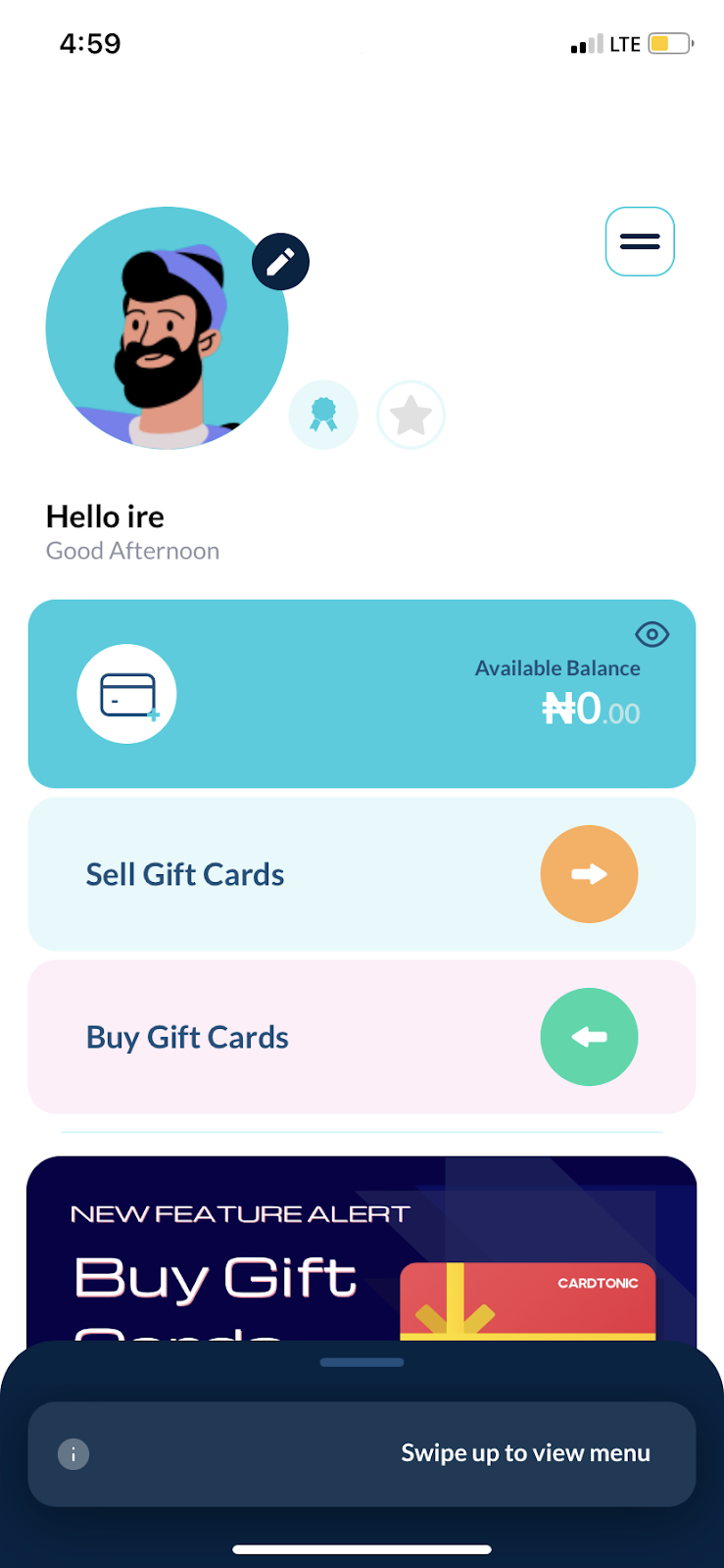
The Digital Envelope System
When you buy a gift card for a specific utility—such as groceries, fuel, or a specific streaming service—you are essentially “pre-allocating” capital. This prevents the “leakage” that often occurs when funds sit in a general checking account. For instance, purchasing a $200 monthly grocery card ensures that those funds are reserved exclusively for sustenance, protecting them from being redirected toward impulsive entertainment or luxury purchases. This method provides a clear, real-time snapshot of remaining departmental budgets without the need for complex spreadsheet tracking.
Controlling Impulse Spending
The psychological barrier of a gift card is a powerful financial tool. Behavioral economics suggests that consumers are more mindful of their spending when using a finite resource. Buying a gift card for a “luxury” category—such as high-end coffee or apparel—acts as a self-imposed limit. Once the card balance reaches zero, the spending for that category must cease until the next budget cycle. This friction helps decouple the “swipe-and-forget” mentality associated with credit cards, fostering a more intentional relationship with one’s capital.
Maximizing Purchasing Power Through Strategic Acquisition
Buying a gift card at face value is a neutral financial move, but buying a gift card strategically can result in an immediate and guaranteed return on investment (ROI). In a world of fluctuating market returns, the 5% to 20% “gains” found in the gift card market represent some of the most consistent alpha available to the average consumer.
Leveraging Credit Card Rewards and Multipliers
The most effective way to buy a gift card is through the lens of “category bonuses.” Many premium credit cards offer 3x to 5x points or cash back on specific merchant categories like grocery stores, office supply stores, or gas stations. By purchasing gift cards for other retailers (such as Amazon, Netflix, or home improvement stores) at these high-multiplier locations, you effectively extend your rewards rate to every facet of your life.
For example, if a card offers 5% back at office supply stores, buying a $500 restaurant gift card from that store nets you $25 in rewards—a return you would not have received if you had paid the restaurant directly with a standard 1% rewards card. This practice, often referred to as “manufactured spend” or “reward optimization,” turns the act of buying a gift card into a high-yield financial maneuver.
Utilizing Secondary Marketplaces for Discounted Rates
The secondary gift card market is a thriving ecosystem where individuals sell unwanted cards at a discount to liquidity providers. For the savvy buyer, these platforms offer the opportunity to purchase “pre-owned” digital or physical cards at rates significantly below their store value. Discounts can range from 2% on high-demand brands like Apple to upwards of 25% on niche retailers or restaurants.
When buying from these marketplaces, it is essential to focus on the “spread”—the difference between the purchase price and the face value. A 10% discount on a gift card is functionally equivalent to a 10% tax-free return on your money. However, this requires a shift in mindset: rather than buying a card for a one-off gift, you are buying “store credit” as an asset to be used for future planned expenses.
Corporate and Employee Incentive Programs
Many large-scale employers and professional organizations provide access to “perk” portals. These platforms often allow members to buy gift cards at a permanent discount, usually between 4% and 10%. Integrating these portals into your routine purchasing habits can lead to substantial annual savings. Before making a major purchase—such as a new appliance or a vacation package—checking for the availability of discounted gift cards through these corporate channels is a fundamental step in sophisticated financial planning.
Financial Security and Fraud Mitigation in Gift Card Transactions
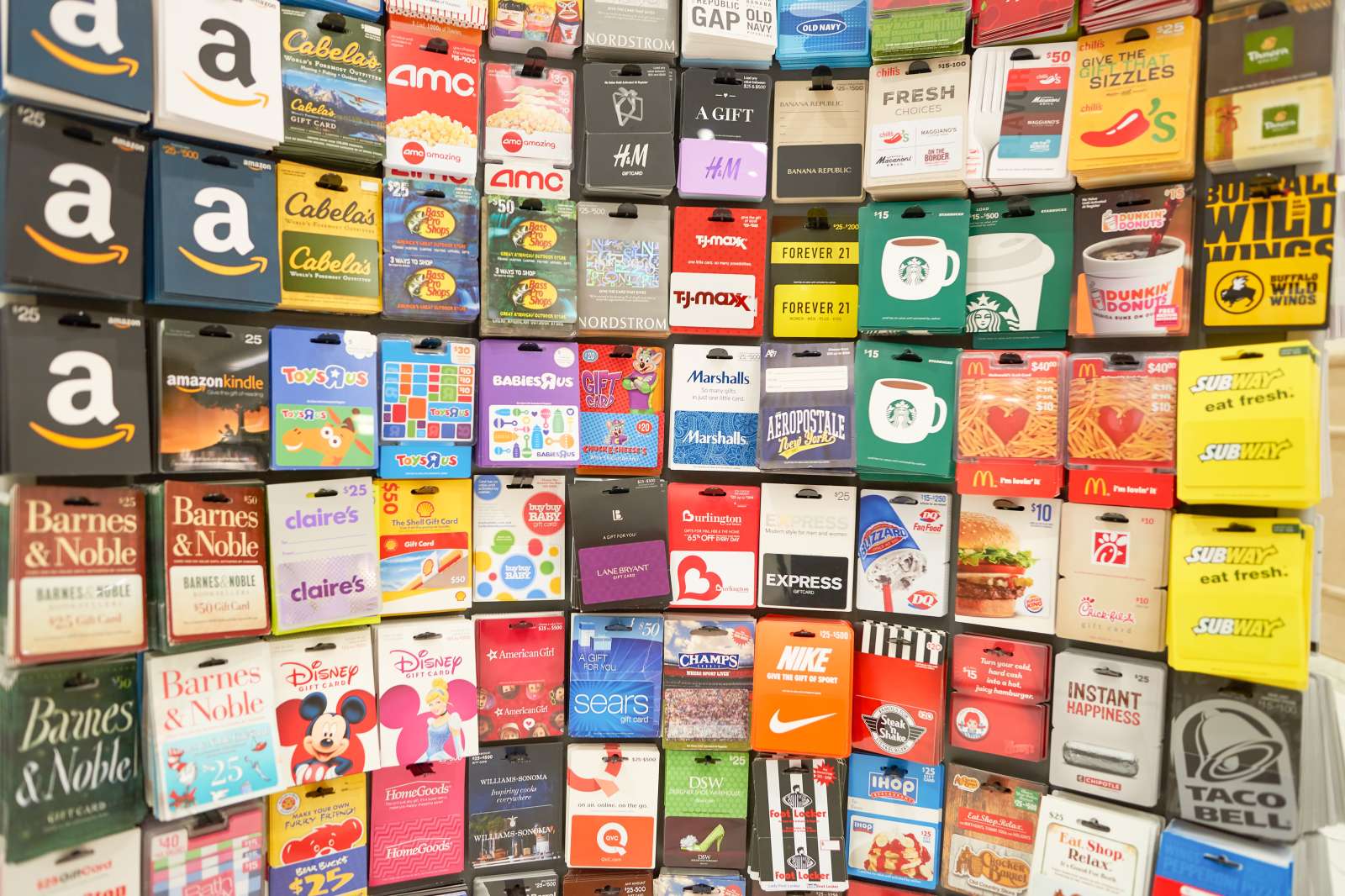
As gift cards have become a form of “near-cash” liquidity, they have also become a target for sophisticated financial crimes. Buying a gift card safely requires a proactive approach to security to ensure that your capital is not lost to “card draining” or phishing schemes.
Recognizing and Avoiding “Card Draining” Scams
A common physical threat involves “card draining,” where bad actors record the numbers and PINs of cards sitting on retail racks, wait for a consumer to load funds onto them, and then immediately drain the balance remotely. To mitigate this risk, consumers should avoid buying cards from high-traffic, unsecured displays.
The most secure way to buy a physical gift card is to request one from behind the service counter or to ensure the protective silver scratch-off coating is entirely intact and shows no signs of tampering. Furthermore, whenever possible, buying digital gift cards directly from a retailer’s official website or a reputable financial app is safer, as it eliminates the physical “middleman” and the risk of manual tampering.
The Legal Protections of Modern Gift Cards
In many jurisdictions, the financial regulations surrounding gift cards have tightened to protect consumers. For example, in the United States, the Credit CARD Act of 2009 ensures that gift cards cannot expire for at least five years from the date of issuance and limits the types of “inactivity fees” that issuers can charge.
When buying gift cards, it is vital to understand the terms and conditions regarding “lost or stolen” cards. Many major retailers will replace a lost gift card if you have the original purchase receipt and the card identification number. Treating a gift card purchase with the same record-keeping rigor as a stock trade or a major appliance purchase is a hallmark of sound financial management.
Best Practices for Digital Storage and Redemption
The “breakage” of a gift card—the portion of the balance that goes unused—is a direct profit for the issuer and a direct loss for the consumer. To prevent this, digital management is key. Upon buying a gift card, immediately upload the balance to the retailer’s app or a dedicated mobile wallet. This not only secures the funds against physical loss but also ensures the balance is “front and center” during the checkout process, increasing the likelihood of total utilization and maintaining the card’s value as a liquid asset.
The Economics of Gift Cards: From Liquidity to Breakage
From a macro-economic perspective, gift cards represent an interest-free loan from the consumer to the retailer. However, by understanding the mechanics of “breakage” and “opportunity cost,” a buyer can flip the script to their advantage.
Understanding “Breakage” and Its Impact on Your Net Worth
“Breakage” refers to the billions of dollars that go unspent on gift cards every year due to loss, forgetfulness, or negligible remaining balances (like a few cents). Financially, this is a 100% loss of capital. To combat this, strategic buyers often aim for “rechargeable” cards or brands that allow for partial payments. When you buy a gift card, you must have a clear “exit strategy” for the funds. If you do not have a plan to spend the balance within 60 to 90 days, the “time value of money” begins to work against you, as inflation erodes the purchasing power of that fixed-sum card.
Gift Cards as a Liquid Asset Alternative
In certain financial circles, gift cards for “stable” retailers (like major big-box stores or online giants) are treated as a form of “private currency.” They hold their value well and can be liquidated quickly if necessary. While they should never replace an emergency fund or a diversified investment portfolio, having a small portion of “pre-paid utility” in the form of gift cards can provide a layer of financial flexibility during bank outages or credit line freezes.
Practical Steps for High-Value Gift Card Purchasing
To transition from a casual buyer to a strategic gift card user, one must follow a disciplined acquisition process. This ensures that every dollar spent on a gift card is working at maximum efficiency.
Selecting the Right Merchant for Maximum Utility
Utility is the most important metric when buying a gift card for oneself. A $100 gift card to a niche hobby shop is less “valuable” than a $100 gift card to a wholesale club, even if the face value is the same. The wholesale club card has higher liquidity because it can be used for essential goods like food, tires, and pharmacy items. When buying gift cards for budgeting purposes, always prioritize “high-velocity” merchants where you are guaranteed to spend the money in the near future.

Bulk Purchasing for Business and Personal Scaling
For small business owners or individuals managing large households, bulk purchasing of gift cards can lead to significant “stacking” of benefits. Buying gift cards in volume during promotional periods (such as “Buy $100, Get $20” deals frequently seen during holiday seasons) can effectively lower the cost of operations or living by 15-20%. By syncing these purchases with high-reward credit card windows, a consumer can achieve a level of fiscal efficiency that far outpaces traditional saving methods.
In conclusion, buying a gift card is no longer a passive transaction. It is a deliberate financial choice that, when executed with precision, offers enhanced security, disciplined budgeting, and a superior return on everyday spending. By treating gift cards as a strategic asset class, the modern consumer can navigate the retail economy with unprecedented efficiency and foresight.
aViewFromTheCave is a participant in the Amazon Services LLC Associates Program, an affiliate advertising program designed to provide a means for sites to earn advertising fees by advertising and linking to Amazon.com. Amazon, the Amazon logo, AmazonSupply, and the AmazonSupply logo are trademarks of Amazon.com, Inc. or its affiliates. As an Amazon Associate we earn affiliate commissions from qualifying purchases.