
Gift cards have become a ubiquitous part of modern commerce, serving as convenient presents, loyalty rewards, and sometimes even refunds. While seemingly straightforward, these small plastic or digital tokens hold real monetary value, and like any financial asset, knowing their current balance is crucial for effective personal finance management. Misplacing a gift card, forgetting its value, or simply allowing it to expire unused represents a tangible loss of purchasing power.
In an economy where every dollar counts, neglecting the funds held on a gift card is akin to leaving cash on the table. This guide will meticulously break down the various methods for checking your gift card balance, offer insights into common pitfalls, and provide best practices for integrating gift card management into your broader financial strategy. From brand-specific cards to open-loop options, understanding how to quickly and accurately ascertain their value empowers you to make informed spending decisions and ensure not a single cent goes to waste. Let’s delve into the practical steps and financial considerations that transform a simple balance check into a savvy financial habit.
The Fundamental Methods for Balance Inquiry
Accessing the value of your gift card is often simpler than many assume, though the exact method can vary based on the card’s issuer and type. These fundamental approaches cover the vast majority of gift cards in circulation, providing reliable pathways to confirm your available funds. Embracing these methods is the first step in treating your gift cards as the financial instruments they are, rather than easily forgotten tokens.
Online Portals and Dedicated Websites
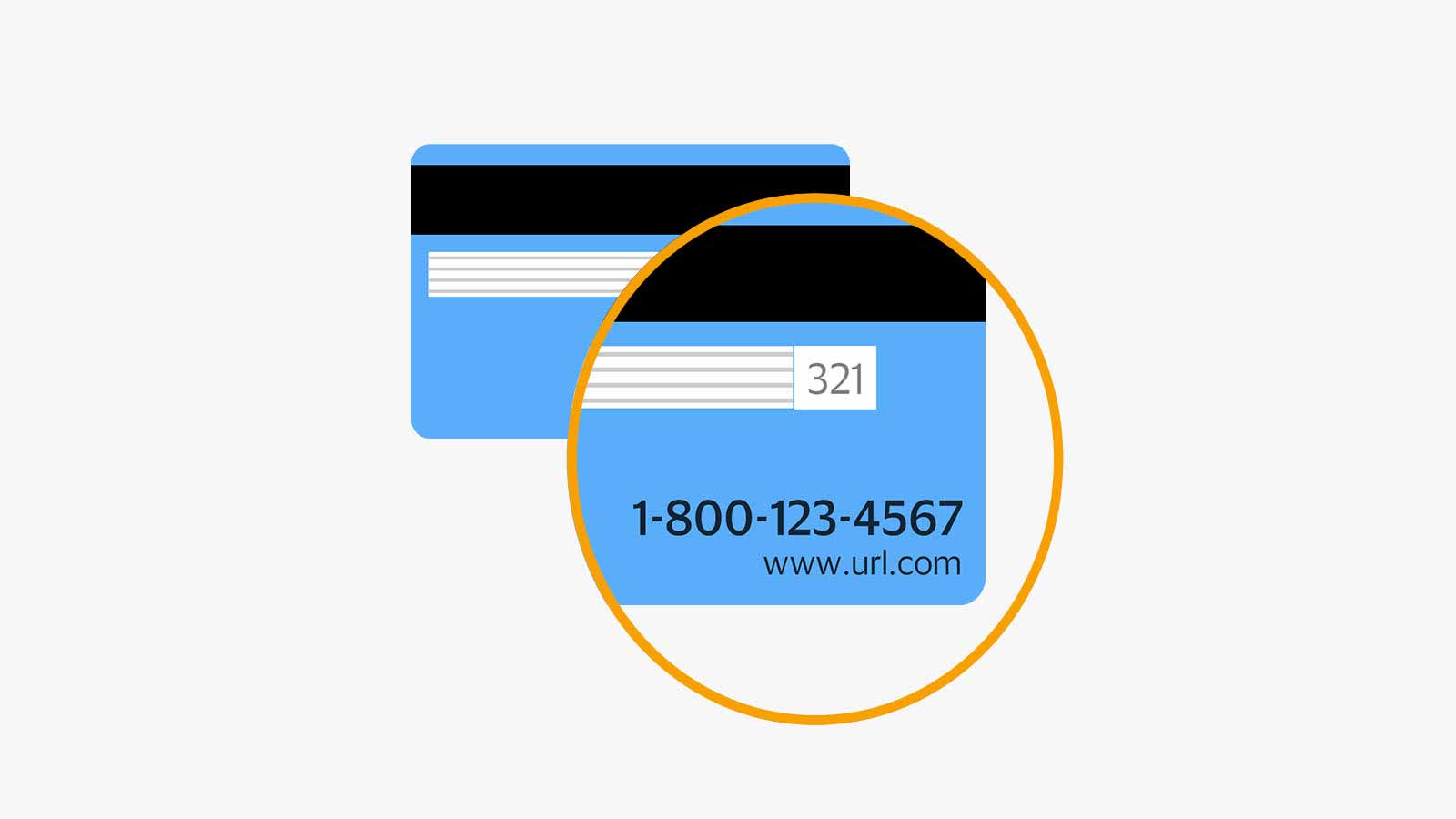
The most common and often most convenient method for checking a gift card balance is through the internet. Most major retailers, restaurants, and financial institutions that issue gift cards maintain dedicated online portals for this purpose. Typically, you’ll need to locate the card number and, in some cases, a PIN or security code, usually found on the back of the card, often under a scratch-off strip.
-
How it Works: Navigate to the retailer’s official website. Look for a section explicitly labeled “Check Gift Card Balance,” “Gift Card Lookup,” or similar. Input the required numbers into the designated fields. The system will then display the current balance.
-
Financial Advantage: This method offers instant access to balance information, allowing for real-time financial planning before making a purchase. It’s particularly useful for those who prefer to manage their finances digitally and want to avoid unnecessary trips or phone calls. It minimizes the risk of impulse spending based on a misremembered balance.
Phone Support and Automated Systems
For those less comfortable with online interfaces or when an internet connection isn’t readily available, phone-based balance checks remain a robust option. Many gift cards feature a toll-free number printed directly on the card, connecting you to an automated system or a customer service representative.
-
How it Works: Dial the number provided on the back of the gift card. Automated systems will typically prompt you to enter the gift card number and PIN using your phone’s keypad. If you prefer or require human assistance, you can usually navigate the menu to speak with a customer service agent who can look up the balance for you.
-
Financial Advantage: This method offers an alternative for verification, especially useful if online systems are down or confusing. It provides a direct line to resolve any potential issues or discrepancies with a live agent, offering peace of mind regarding the card’s actual monetary value.
In-Store Inquiry at the Point of Sale
The traditional and often most straightforward method for balance verification, particularly for physical gift cards, is to inquire directly at the issuing store or a participating retail location.
-
How it Works: Simply present your gift card to a cashier or customer service representative at the store. They can scan the card or manually enter its number into their point-of-sale (POS) system to reveal the remaining balance.
-
Financial Advantage: This method is ideal for those who are already at the store and planning to use the card. It provides immediate, in-person confirmation of funds, helping to avoid surprises at checkout and allowing for on-the-spot adjustments to your spending plan. It eliminates uncertainty and ensures accurate transaction planning.
Navigating Common Gift Card Types and Their Peculiarities
Not all gift cards are created equal. Understanding the distinctions between different types of gift cards is crucial for efficient balance checking and overall financial management. Each type comes with its own set of rules, acceptance, and preferred methods for balance inquiry, influencing how you integrate them into your personal finance strategy.
Brand-Specific Gift Cards: The Direct Approach
Brand-specific gift cards, also known as closed-loop gift cards, are tied to a single retailer, restaurant chain, or service provider. Examples include cards for Starbucks, Amazon, Target, or your favorite local eatery. These cards offer a focused spending opportunity but require a direct approach for balance checks.
-
Peculiarities: Their value is typically redeemable only at the issuing brand’s locations or website. They often have stricter expiration policies or dormancy fees, making timely balance checks financially critical.
-
Balance Check: Almost exclusively checked via the issuing brand’s official website, their dedicated customer service phone number, or directly in their stores. You cannot check a Target gift card balance on a Visa gift card website, for instance.
-
Financial Planning Impact: Because their usage is restricted, incorporating brand-specific cards into your budget requires knowing their precise value and having a clear intent for their use. Unused funds on these cards represent a missed opportunity for savings within a specific spending category.
Open-Loop Gift Cards: Broader Acceptance, Different Checks
Open-loop gift cards are generally branded with major payment networks like Visa, Mastercard, American Express, or Discover. These cards function much like debit or credit cards, accepted wherever the corresponding network is honored, making them incredibly versatile financial tools.
-
Peculiarities: Their broad acceptance makes them highly flexible, but their balance check process differs from brand-specific cards. They often have activation fees, and some may carry maintenance fees after a period of inactivity, which can slowly erode their monetary value if not monitored.
-
Balance Check: These cards must be checked through the website or phone number provided by the issuing financial institution (e.g., “Vanilla Visa Gift Card” or “Giftcards.com Mastercard”). The general payment network websites (Visa.com, Mastercard.com) typically redirect you to the specific issuer.
-
Financial Planning Impact: Their versatility makes them excellent for general spending or as an emergency fund, but regular balance checks are vital to avoid fees and ensure you’re maximizing their financial utility. Treat them as you would a temporary debit card in your budget.
Digital Gift Cards and e-Gift Certificates: Virtual Balances
Digital gift cards, or e-gift certificates, are electronic versions of traditional gift cards. Instead of a physical card, you receive an email containing a code or a link that can be used online or sometimes printed for in-store use.
-
Peculiarities: These cards are inherently more vulnerable to being lost in spam folders or deleted. They might also be harder to track without a physical reminder. Some digital cards can be loaded directly into a mobile wallet app, offering convenience but still requiring balance awareness.
-
Balance Check: The email itself often contains instructions for checking the balance, usually linking to an online portal. The balance is typically associated with the unique code. If integrated into a merchant’s app (e.g., Starbucks app), the balance may be displayed directly within the application.
-
Financial Planning Impact: While convenient, the lack of a physical presence means these can be easily forgotten. It’s crucial to either use them promptly or log their details and balances in a digital financial management tool to prevent their monetary value from becoming lost in the digital ether.

Best Practices for Managing Your Gift Card Portfolio
Effective management of gift cards transcends merely checking their balance; it involves proactive strategies to safeguard their value and integrate them seamlessly into your personal financial framework. Treating gift cards as small, specialized financial assets can prevent significant losses and ensure you reap their full benefit.
The Importance of Timely Checks and Usage
Delaying the use of gift cards can lead to forgotten funds, expiration, or the imposition of dormancy fees, all of which diminish their monetary value. A proactive approach is financially prudent.
-
Why it Matters: Many gift cards, especially those issued by specific retailers, have expiration dates. Even open-loop cards might begin to accrue monthly service fees after a year of inactivity. Forgetting a balance means that money is effectively taken out of your pocket.
-
Strategy: Make it a habit to check gift card balances shortly after receiving them. If the value is small, use it immediately for a small purchase (e.g., a coffee, a snack) to clear the balance. If the value is larger, make a plan for its use within a reasonable timeframe. Consider creating a “gift card inventory” list alongside your other financial assets.
Documenting Card Details for Security and Retrieval
Losing a gift card can mean losing its entire value, similar to losing cash. However, by properly documenting its details, you can often mitigate this risk, turning a potential total loss into a recoverable asset.
-
What to Document: As soon as you receive a gift card, take a photo of the front and back, clearly showing the card number, PIN (if applicable), and the customer service number. Also, note down the purchase date and the initial balance.
-
Secure Storage: Store this information securely, perhaps in a password-protected document on your computer, a secure cloud service, or even a dedicated, encrypted notes app. Avoid leaving this sensitive information exposed.
-
Financial Protection: In the event of loss or theft, having these details dramatically increases your chances of getting a replacement card or having the remaining balance transferred. Many card issuers will assist if you can provide adequate proof of purchase and the card’s original details.
Dealing with Lost, Stolen, or Expired Gift Cards
Despite best efforts, gift cards can get lost, stolen, or expire. Understanding the recourse available is critical for minimizing financial damage.
-
Lost or Stolen: Immediately contact the card issuer or retailer whose branding is on the card. Provide them with the documented details (card number, PIN, purchase date). Some issuers offer protection similar to credit cards, especially for open-loop cards, but many retailer-specific cards have limited or no replacement policy unless registered. Act quickly, as time is often of the essence.
-
Expired Cards: Check the terms and conditions on the card or the issuer’s website. While some cards (especially those issued by federal agencies or related to promotions) might genuinely expire, many states have laws prohibiting or limiting expiration dates on retail gift cards. If your card has expired, contact customer service. You might still be able to redeem the balance, especially if state laws override the printed expiration.
-
Financial Perspective: Treat lost or expired gift cards as an immediate audit point in your personal finance. Review why it happened and adjust your gift card management strategy to prevent future losses, reinforcing the idea that these are valuable monetary assets needing careful oversight.
The Financial Implications of Unused Gift Card Balances
The collective value of unredeemed gift cards across the globe is staggering, representing billions in unclaimed funds. For individuals, letting gift card balances languish can have subtle yet significant financial ramifications, underscoring the importance of treating them as part of your active financial portfolio.
Understanding Escheatment Laws and State Regulations
Escheatment refers to the process by which unclaimed or abandoned property, including gift card balances, is turned over to state governments. These laws vary by state and can impact the longevity and redeemability of your gift card.
-
The Process: If a gift card remains unused for a specified period (often 3-5 years, but can be shorter or longer depending on the state and card type), the funds might be deemed “abandoned property.” The issuer is then required to report and remit these funds to the state in which the card was purchased or where the recipient resides.
-
Financial Impact: While the state theoretically holds these funds for you, reclaiming them can be a cumbersome and time-consuming process, often involving extensive paperwork and proof of ownership. This effectively locks away your money, making it inaccessible for immediate use. Proactive usage and timely balance checks prevent your funds from entering this legal gray area, ensuring they remain liquid and readily available.
Maximizing Value: Resale, Trade-in, or Strategic Spending
Beyond merely spending a gift card, there are financially savvy ways to extract maximum value, especially for cards you don’t intend to use for their original purpose.
-
Resale Markets: Several online platforms (e.g., Raise, CardCash) allow you to sell unwanted gift cards, often for 70-90% of their face value. While not 100%, this is significantly better than letting the card expire or go unused. It’s a way to convert a specific gift card into liquid cash you can apply to your broader budget needs.
-
Trade-in Programs: Some retailers or dedicated services offer to trade your gift card for another card from a different brand, or even for store credit. This can be useful if you’d rather have funds for a store you frequent more often.
-
Strategic Spending: Instead of making an impulse purchase, integrate the gift card into your existing budget. Use a grocery store gift card to cover your next food shop, freeing up cash for other expenses. Use a restaurant card for a planned outing. This intelligent application of gift card funds can directly impact your monthly cash flow and savings goals.
The Hidden Cost of Forgetting: Impact on Personal Finance
The most significant financial implication of unused gift card balances is the hidden cost of simply forgetting about them. This “lost” money contributes to a less efficient personal financial ecosystem.
-
Erosion of Net Worth: While individual gift card values might seem small, collectively, forgotten cards represent a tangible reduction in your accessible net worth. Over time, these small losses accumulate.
-
Missed Budgeting Opportunities: Every dollar on a gift card is a dollar that doesn’t need to come from your bank account. By failing to use them, you’re potentially spending more of your “fresh” income than necessary, impacting your savings rate or ability to pay down debt.
-
Mental Accounting Trap: Humans tend to treat “gift money” differently from “earned money.” However, from a financial perspective, a dollar is a dollar. Falling into the trap of not valuing gift card money as highly as cash leads to carelessness and financial inefficiency. By consciously checking balances and planning usage, you enforce a stronger, more disciplined approach to all your financial resources.

Conclusion
Mastering the art of checking and managing gift card balances is not merely a task but a fundamental aspect of savvy personal finance. In an era where every penny counts, allowing gift card values to expire, collect dormancy fees, or simply be forgotten represents a tangible loss of purchasing power. This guide has illuminated the various practical methods for balance inquiry, from online portals and phone systems to in-store checks, ensuring you’re equipped with the tools to ascertain your card’s precise worth.
Furthermore, by understanding the unique characteristics of brand-specific versus open-loop cards and embracing best practices for documentation and timely usage, you transform passive tokens into active components of your financial portfolio. The proactive management of gift cards safeguards against the subtle financial drains of escheatment laws and the hidden costs of neglect, turning potential waste into realized value.
Ultimately, treating gift cards with the same diligence as any other financial asset empowers you to make more informed spending decisions, bolster your budget, and maximize the utility of every monetary gift. Embrace these strategies, and ensure that the generosity intended by a gift card translates into genuine financial benefit, rather than becoming another forgotten casualty in the shuffle of everyday life.
aViewFromTheCave is a participant in the Amazon Services LLC Associates Program, an affiliate advertising program designed to provide a means for sites to earn advertising fees by advertising and linking to Amazon.com. Amazon, the Amazon logo, AmazonSupply, and the AmazonSupply logo are trademarks of Amazon.com, Inc. or its affiliates. As an Amazon Associate we earn affiliate commissions from qualifying purchases.