
In an increasingly cashless society, navigating personal finance tools can feel complex. While traditional credit cards are associated with building credit and debit cards with linked bank accounts, prepaid credit cards occupy a unique and valuable space. Often misunderstood, these financial instruments offer a convenient and secure way to manage money without incurring debt or requiring a credit check. They serve as an essential budgeting tool for many, providing a spending solution that bridges the gap between cash and traditional banking products. This article delves into what prepaid cards are, how to acquire one, and how to use them effectively within your personal financial strategy.
Understanding Prepaid Cards: A Financial Tool for Everyone
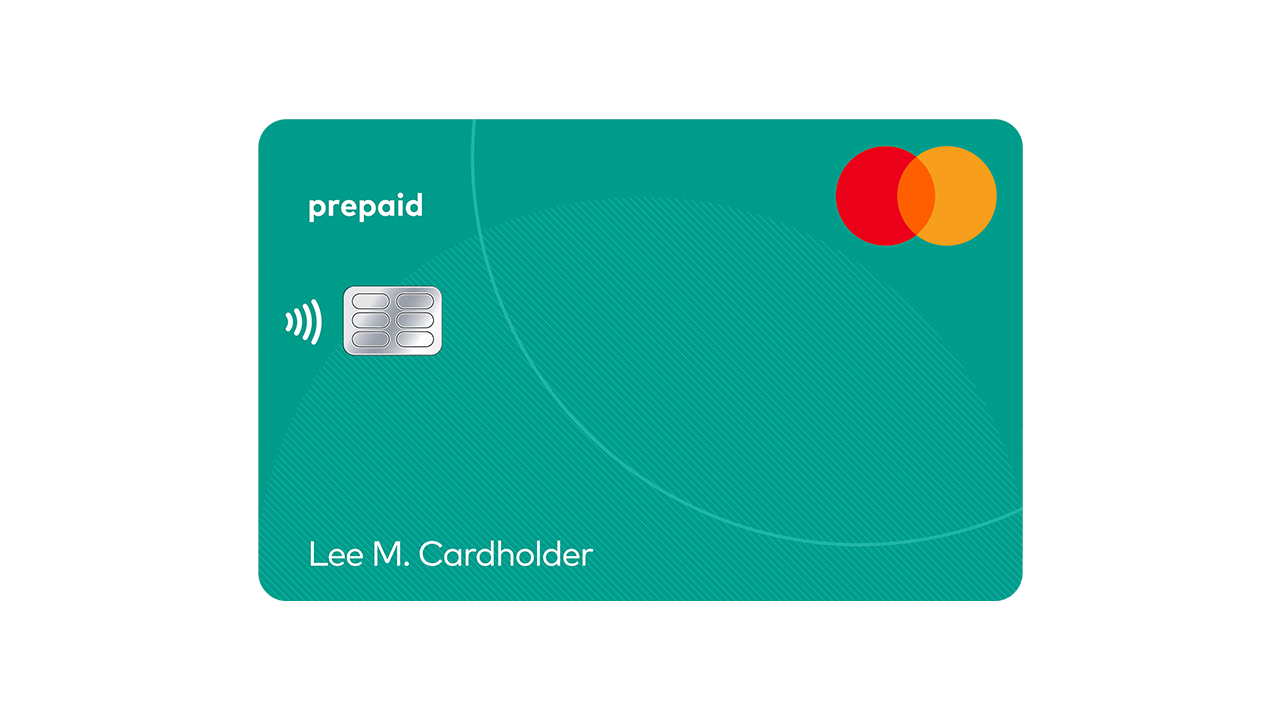
Prepaid cards are a distinct financial product designed for spending, not borrowing. Unlike a credit card, which allows you to borrow money up to a certain limit, a prepaid card requires you to load funds onto it before you can use it. This fundamental difference makes them a powerful tool for budgeting and a viable option for individuals who may not qualify for traditional credit or who prefer not to use a bank account.
What Exactly is a Prepaid Card?
At its core, a prepaid card operates much like a debit card, but without being directly linked to a checking account. You load money onto the card, and then you can spend only the amount you’ve loaded. Once the funds are exhausted, you must reload the card to continue using it. Most prepaid cards carry the logo of major payment networks like Visa, MasterCard, American Express, or Discover, meaning they can be used anywhere those cards are accepted – online, in stores, and at ATMs (though ATM withdrawals often incur fees).
The key distinctions are crucial for understanding their role in personal finance:
-
No Credit Line, No Debt: You’re spending your own money, so there’s no possibility of accumulating debt or paying interest charges. This is a significant advantage for those prone to overspending or looking to stick to a strict budget.
-
No Credit Check: Issuers do not check your credit history, making them accessible to virtually anyone, regardless of their credit score or lack thereof.
-
Not Directly Linked to a Bank Account: While you can often load funds from a bank account, the card itself doesn’t provide direct access to your primary banking funds, offering an added layer of security.
These characteristics make prepaid cards an excellent choice for a variety of financial situations, providing flexibility and control over spending.
Who Benefits Most from Prepaid Cards?
The versatility of prepaid cards extends their utility to a wide range of individuals and scenarios. Understanding who stands to gain the most can help determine if this financial tool is right for you:
-
The Unbanked and Underbanked: Millions of people worldwide do not have traditional bank accounts. Prepaid cards offer a secure and convenient alternative to carrying large sums of cash, enabling them to participate in the digital economy, receive direct deposits, and make online purchases.
-
Budget-Conscious Individuals: For those struggling with overspending or trying to adhere to a strict budget, a prepaid card acts as an effective spending governor. Loading a specific amount for categories like groceries or entertainment prevents exceeding planned expenditures.
-
Teenagers and Students: Parents can use prepaid cards to provide allowances or manage spending for their children, teaching financial responsibility without the risks associated with credit cards or the need for a full bank account.
-
Travelers: Prepaid cards are often a safer option than carrying cash while traveling internationally. They can be pre-loaded with local currency (or used for foreign transactions with conversion fees), and if lost or stolen, only the loaded funds are at risk, not a linked bank account.
-
Online Shoppers Concerned About Security: Using a prepaid card for online purchases can minimize the risk to your primary bank account or credit line. In the event of a data breach, only the funds on the prepaid card are exposed.
-
Individuals Managing Specific Expenses: Many use prepaid cards to segregate funds for particular purposes, such as medical expenses, household utilities, or even gift-giving.
By addressing these specific financial needs, prepaid cards prove to be more than just a temporary solution; they are a strategic financial tool.
The Straightforward Process of Obtaining a Prepaid Card
Getting a prepaid card is generally a much simpler and quicker process than applying for a traditional credit card or opening a bank account. The requirements are minimal, reflecting the nature of the product as a spending tool rather than a credit instrument.
Where Can You Get One?
Prepaid cards are widely available, making them accessible through several convenient channels:
-
Online Providers: Many popular prepaid card brands, such as Netspend, Green Dot, Chime (which offers a banking account with a debit card that functions similarly to a prepaid card for many users), and PayPal, allow you to apply and manage your card entirely online. You typically receive the physical card in the mail within a few business days.
-
Retail Stores: Major retailers, pharmacies, and grocery stores (e.g., Walmart, CVS, Walgreens, 7-Eleven) often carry a selection of prepaid cards from various providers. These can be purchased off the shelf and activated immediately or registered online.
-
Banks and Credit Unions: Some traditional financial institutions offer their own branded prepaid cards, which can be an attractive option for existing customers who prefer to consolidate their financial products.
-
Employer Programs: Some employers offer payroll cards, which are essentially prepaid cards onto which your salary is directly deposited, serving as an alternative to traditional bank accounts for wage distribution.
The widespread availability means you can likely find a prepaid card option that suits your preferences, whether you prefer the convenience of online application or immediate purchase in a retail environment.
What Information Do You Need?
While a credit check isn’t required, federal regulations (specifically the Patriot Act) mandate that prepaid card issuers verify your identity to prevent money laundering and fraud. This means you will need to provide certain personal information, especially if you want to unlock all the card’s features and protections.
Typically, you’ll need:
-
Full Legal Name: As it appears on government identification.
-
Date of Birth: To confirm you meet the minimum age requirement (usually 18).
-
Physical Address: A verifiable residential address, as P.O. boxes are generally not accepted for registration.
-
Social Security Number (SSN) or Individual Taxpayer Identification Number (ITIN): This is the primary piece of information used for identity verification. For those without an SSN or ITIN, some cards may offer alternatives, but it’s less common for fully featured, registered cards.
-
Government-Issued Photo ID: Such as a driver’s license, state ID, or passport, may be required for online verification or in-store purchases of certain cards.
It’s crucial to distinguish between an unregistered, temporary card bought off a shelf and a fully registered card. While you can often load and use a temporary card immediately, registering it with your personal information is essential to unlock features like FDIC insurance, fraud protection, and direct deposit capabilities.
Step-by-Step Acquisition
The process of getting a prepaid card can be broken down into a few simple steps:
-
Research and Choose a Provider: Compare different prepaid card offerings based on their fees, features (e.g., direct deposit, mobile app, bill pay), reload options, and customer reviews. Major networks like Visa and MasterCard offer broad acceptance.
-
Apply/Purchase the Card:
-
Online: Fill out an application form on the provider’s website. You’ll typically enter your personal information, and once approved, the card will be mailed to you.
-
In-Store: Select a card from a display at a retail location. You’ll pay the initial purchase fee (if any) at the register.
-
-
Register the Card (Crucial Step): If you purchased it in-store or received an unregistered card online, visit the provider’s website or call their customer service number to register your card. This involves providing your personal identification details as mentioned above. Registration is vital for security, fraud protection, and unlocking full functionality.
-
Load Funds: Once registered and activated, you can load money onto the card using one of the available methods.
-
Activate the Card: For security reasons, you’ll usually need to activate your card by following instructions provided with the card, which often involves calling a number or activating online.
By following these steps, you can quickly and easily acquire a prepaid card, ready for your financial management needs.
Loading and Managing Your Prepaid Card Effectively
Once you have your prepaid card, the next step is to understand how to load funds onto it and manage its usage to maximize benefits and minimize costs. Effective management is key to leveraging a prepaid card as a smart financial tool.
Various Ways to Load Funds
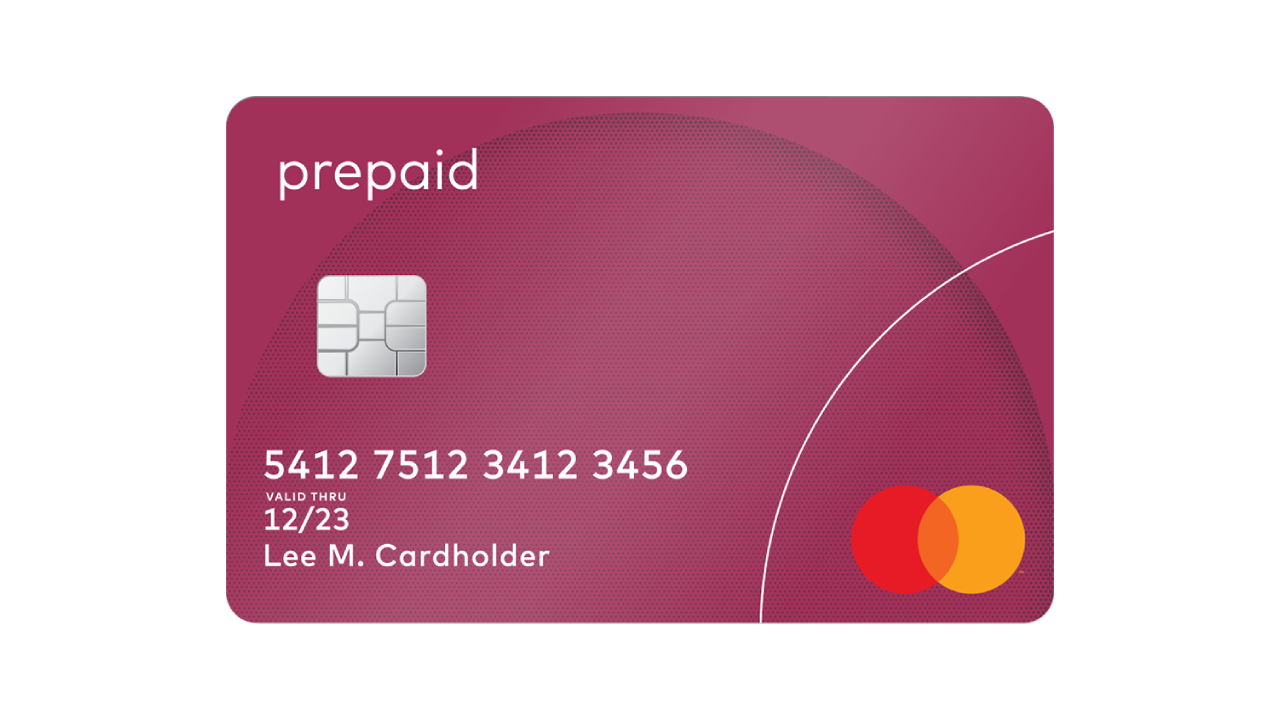
The flexibility of loading options is one of the main advantages of prepaid cards, catering to different financial lifestyles:
-
Direct Deposit: Many prepaid cards allow you to set up direct deposit for your paycheck, government benefits (like Social Security), or tax refunds. This is often the most convenient and cheapest (or free) way to add funds.
-
Cash Reload Networks: Services like Green Dot MoneyPak, VanillaDirect Load, or Netspend Reload Network allow you to add cash to your card at thousands of retail locations (e.g., Walmart, CVS, 7-Eleven). Be aware that these services usually charge a fee per transaction.
-
Bank Transfers: You can typically link your prepaid card to an existing bank account and transfer funds electronically. This may be done via an ACH transfer, which can take a few business days, or sometimes instantly with a debit card transfer (which might incur a small fee).
-
Mobile Check Deposit: Some advanced prepaid card apps offer the ability to deposit checks by taking a photo with your smartphone, similar to traditional banking apps.
-
Online Transfers from Other Cards/Accounts: Many providers allow you to transfer funds from another debit card or even another prepaid card (if from the same issuer).
Choosing the most suitable reload method depends on your access to traditional banking, frequency of loading, and willingness to pay potential fees.
Keeping an Eye on Fees
While prepaid cards offer numerous benefits, they are not always free. Understanding the fee structure is crucial for managing your money effectively and avoiding unnecessary charges. Common fees associated with prepaid cards include:
-
Activation or Purchase Fees: A one-time fee paid when you first acquire the card, especially in retail stores.
-
Monthly Maintenance Fees: A recurring fee (e.g., $5-$10) charged monthly. Many cards offer ways to waive this fee, such as setting up direct deposit or meeting a minimum spending threshold.
-
Transaction Fees:
-
ATM Withdrawal Fees: Both the card issuer and the ATM owner may charge fees. Using in-network ATMs can help reduce this.
-
Reload Fees: As mentioned, cash reload services often charge a fee per transaction.
-
Foreign Transaction Fees: A percentage charged on purchases made in a foreign currency or outside your home country.
-
Balance Inquiry Fees: Some cards charge a fee for checking your balance at an ATM.
-
-
Inactivity Fees: If you don’t use your card for a certain period (e.g., 90 days), some issuers might charge an inactivity fee.
Before choosing a card, meticulously review its fee schedule. Often, the lowest-fee cards come with conditions (like direct deposit requirements), but adhering to these can make prepaid cards a very cost-effective financial solution.
Practical Tips for Smart Usage
To get the most out of your prepaid card and protect your funds, consider these practical tips:
-
Register Your Card: This cannot be stressed enough. Registration links the card to your identity, providing essential protections like FDIC insurance (if the underlying bank is FDIC-insured) and fraud liability waivers.
-
Monitor Your Balance Regularly: Since you can’t overdraw, knowing your balance is critical to avoid declined transactions. Most providers offer mobile apps, online portals, or SMS alerts for easy balance checking.
-
Set Spending Limits (Mentally): Use the card’s “load as you go” nature to your advantage. Load only the amount you intend to spend for a specific period or category, reinforcing budgeting habits.
-
Treat It Like Cash: If an unregistered card is lost or stolen, your money is likely gone. With a registered card, you have more protection, but reporting loss or theft immediately is paramount.
-
Understand International Use: If traveling, check foreign transaction fees and inform your card provider of your travel plans to prevent transaction declines.
Key Considerations and Potential Drawbacks
While prepaid cards are invaluable for specific financial needs, it’s essential to have a comprehensive understanding of their limitations and potential drawbacks. They are a tool, and like any tool, they work best when used for their intended purpose.
Does It Build Credit? (The Definitive Answer)
A common misconception is that using a prepaid card will help improve your credit score. The definitive answer is no. Prepaid cards do not build credit, nor do they impact your credit score in any way.
The reason for this is fundamental: credit bureaus (like Experian, Equifax, and TransUnion) track borrowing and repayment behavior. Since a prepaid card allows you to spend only your own money, there’s no credit extended and no debt to repay. Therefore, there’s nothing for card issuers to report to the credit bureaus.
If your primary goal is to build or rebuild credit, alternative financial products are more appropriate:
-
Secured Credit Cards: These require a cash deposit that typically acts as your credit limit. They do report to credit bureaus, making them an excellent tool for establishing a positive credit history when managed responsibly.
-
Credit Builder Loans: Offered by some credit unions and community banks, these loans are designed specifically to help you build credit.
Understanding this distinction is crucial to selecting the right financial product for your long-term goals.
Security and Protection
The level of security and protection offered by a prepaid card largely depends on whether it is registered and the policies of the issuer.
-
FDIC Insurance: If your prepaid card is issued by a bank that is a member of the Federal Deposit Insurance Corporation (FDIC), your funds (up to $250,000) are typically FDIC-insured once the card is registered. This protects your money in the unlikely event that the issuing bank fails. Unregistered cards usually do not offer this protection.
-
Fraud Protection: Most major payment networks (Visa, MasterCard) offer Zero Liability policies, which protect you from unauthorized charges if your registered card is lost or stolen. However, this protection often only applies if you report the loss promptly and meet other specific conditions set by the card issuer. Unregistered cards offer minimal to no fraud protection, making them equivalent to carrying cash.
-
Data Security: Like all digital financial products, prepaid cards are subject to online security measures. Using strong passwords, monitoring transactions, and being wary of phishing scams are standard best practices.
Always prioritize registering your prepaid card to unlock these vital protections for your money.
Alternatives to Consider
Depending on your specific financial needs and goals, other tools might be more suitable than a prepaid card:
-
Traditional Debit Cards: If you have a bank account and primarily need a card for everyday spending and online purchases, a debit card offers similar functionality to a prepaid card, often with fewer fees (though some banks still charge monthly maintenance fees) and direct access to your checking account.
-
Secured Credit Cards: As mentioned, if credit building is a priority, a secured credit card is a direct pathway to establishing a positive credit history, provided you use it responsibly and make timely payments.
-
Cash: For very small, infrequent transactions or situations where you prefer absolute anonymity, cash remains a viable option, though it lacks the security and convenience of cards.
-
Budgeting Apps: While not a payment method themselves, budgeting apps can complement any card usage by helping you track spending, set limits, and gain a clearer picture of your financial habits, potentially reducing the need for the rigid spending control a prepaid card offers.
By comparing the features and limitations of prepaid cards with these alternatives, you can make an informed decision about the best financial tool for your individual circumstances.

Conclusion
Prepaid credit cards are a powerful and accessible financial tool, offering a practical solution for managing spending without the complexities of traditional credit or the necessity of a bank account. They empower individuals to control their budgets, make secure online purchases, and navigate a cashless world with confidence.
Whether you’re unbanked, a diligent budgeter, a parent teaching financial literacy, or a traveler seeking security, a prepaid card can fit seamlessly into your financial ecosystem. While they don’t build credit and come with potential fees, careful selection, registration, and diligent management can make them an incredibly valuable asset. By understanding their mechanics, leveraging their benefits, and being mindful of their limitations, you can effectively integrate a prepaid card into your personal finance strategy, securing a convenient and controlled way to manage your money.
aViewFromTheCave is a participant in the Amazon Services LLC Associates Program, an affiliate advertising program designed to provide a means for sites to earn advertising fees by advertising and linking to Amazon.com. Amazon, the Amazon logo, AmazonSupply, and the AmazonSupply logo are trademarks of Amazon.com, Inc. or its affiliates. As an Amazon Associate we earn affiliate commissions from qualifying purchases.