
American Express gift cards represent a versatile financial tool, offering the prestige and widespread acceptance of the Amex network without the commitment of a traditional credit line. Whether you have received one as a holiday bonus, a birthday present, or as part of a corporate incentive program, understanding the technical and strategic nuances of these cards is essential for maximizing their value. Unlike standard debit cards linked to a bank account, an Amex gift card is a prepaid payment method loaded with a specific dollar amount. Navigating its use requires a blend of basic transactional knowledge and a few professional tips to ensure your payments are processed smoothly every time.
Getting Started: Activation and Essential Preparation
Before you attempt your first purchase, there are several foundational steps you must take to ensure the card is ready for the global marketplace. While many American Express gift cards purchased at retail locations are activated at the point of sale, cards received through the mail or from corporate distributors often require manual activation.
Activation and Registration
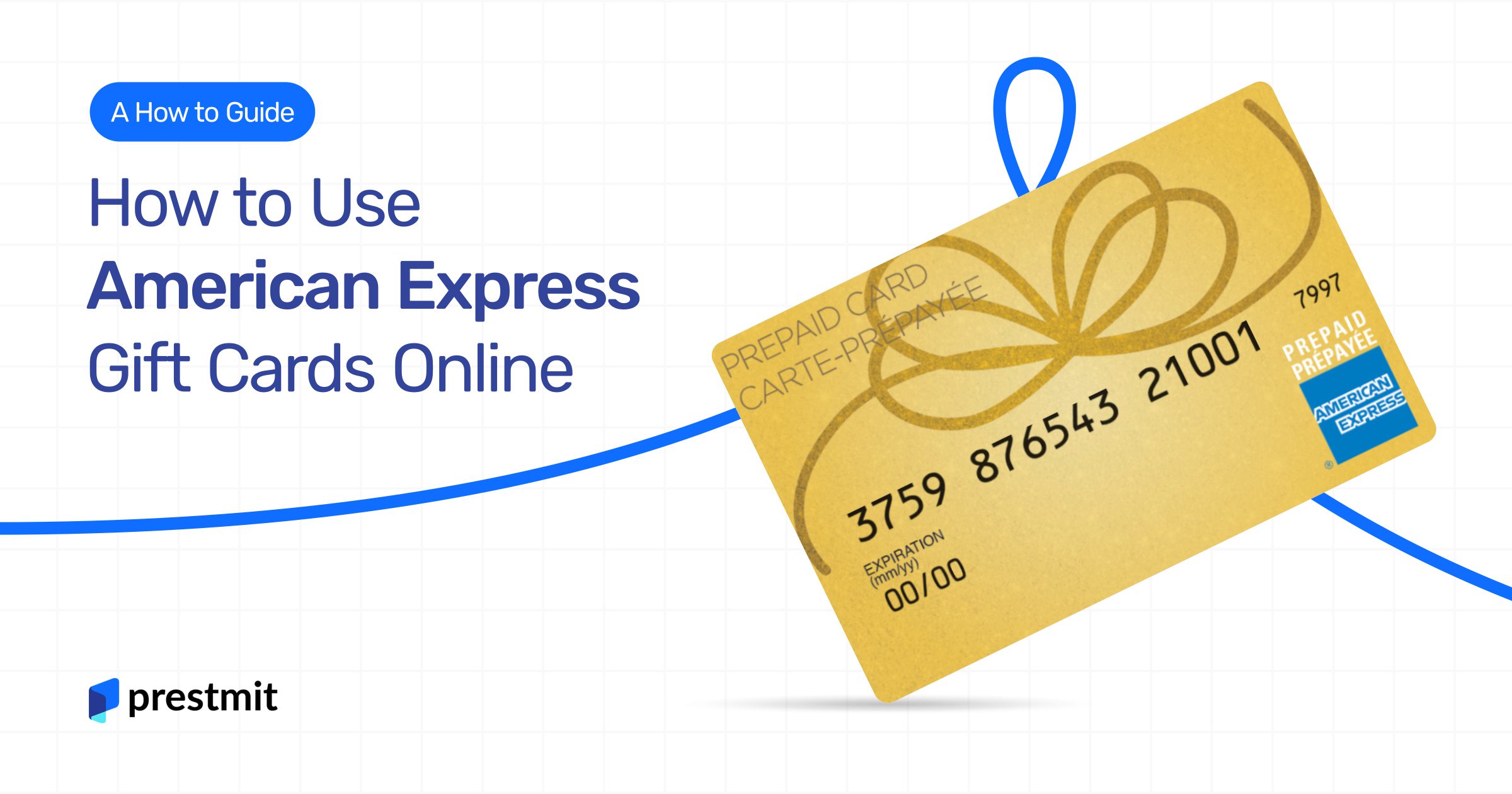
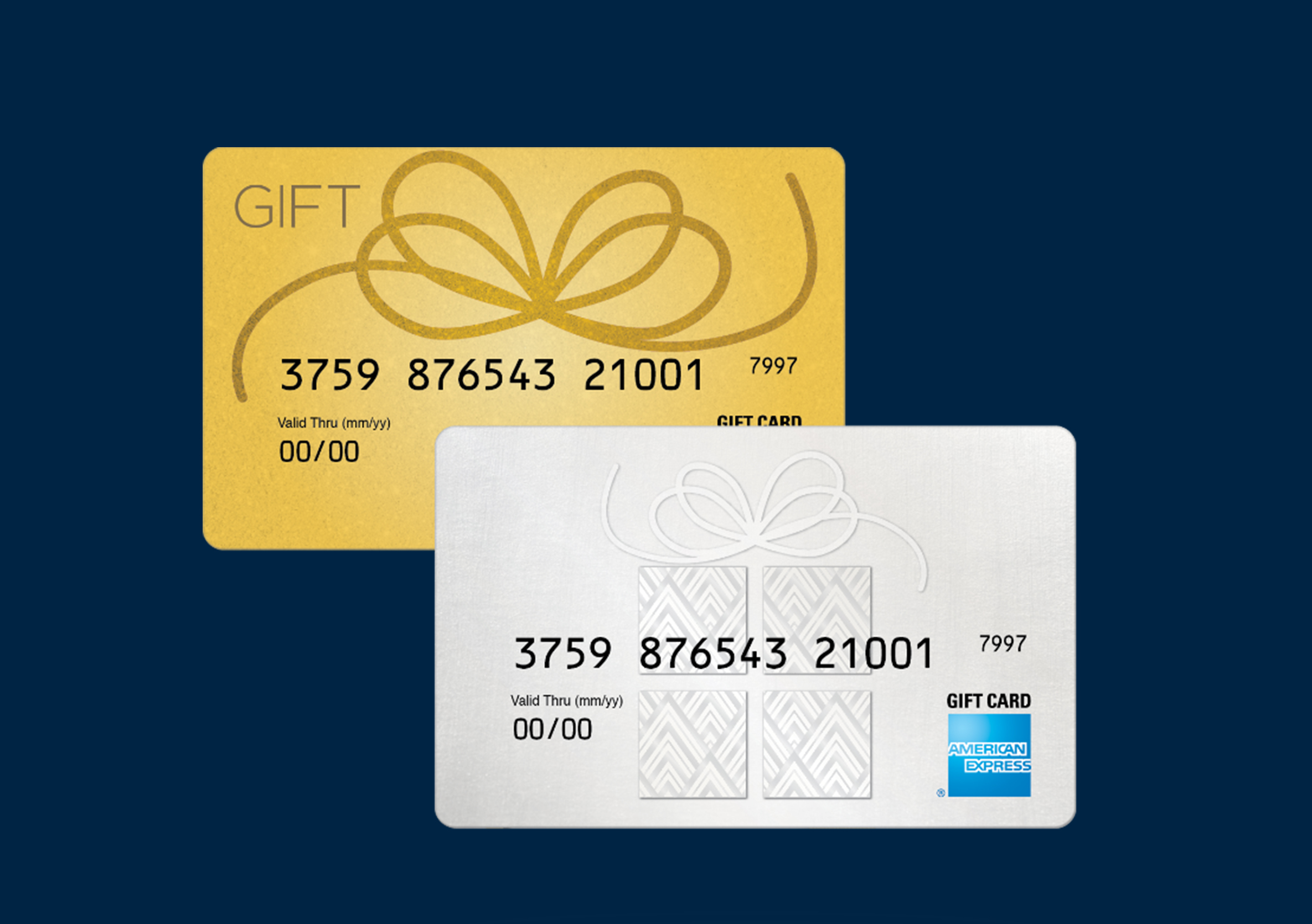
To activate your card, you should look at the sticker on the front or the instructions on the back of the packaging. Typically, this involves visiting the official American Express Gift Card website or calling the toll-free number provided. During this process, you may be asked to provide the 15-digit card number, the expiration date, and the four-digit Security Code (also known as the CID) located on the front of the card.
A critical step that many users overlook is registration. While not always mandatory for in-person shopping, registering your card with your name and billing address is vital for online transactions. Most e-commerce platforms use Address Verification Systems (AVS) to prevent fraud. If the billing address you enter at checkout does not match the information associated with the gift card, the transaction will likely be declined. By registering the card to your home address, you create a seamless bridge between the card’s internal data and the merchant’s security protocols.
Monitoring Your Balance
One of the most frequent reasons for a “declined” message at the register is an insufficient balance. Unlike a credit card, which allows for overages up to a limit, or a bank-linked debit card that might offer overdraft protection, an American Express gift card will strictly decline any transaction that exceeds its current value by even a single cent.
Before heading to the store or checking out online, always verify your exact balance. You can do this through the Amex website or their automated phone system. It is a professional financial habit to write the current balance on the back of the card in permanent marker or keep a digital note on your phone. Because the card does not have a rotating line of credit, you must be the “bookkeeper” for your prepaid funds.
Executing Transactions Online and In-Person
Once your card is active and you have confirmed your balance, the mechanics of using it depend heavily on the environment in which you are shopping. American Express gift cards are accepted at millions of locations across the United States, but the process differs slightly from a standard credit card.
Using the Card at Physical Retailers
When shopping at a brick-and-mortar store, using an Amex gift card is straightforward, provided you follow the correct terminal prompts. When you swipe or insert the card, the point-of-sale (POS) system may ask you to choose between “Debt” and “Credit.” You should always select “Credit.” American Express gift cards do not come with a PIN (Personal Identification Number), and attempting to run the transaction as “Debit” will result in a request for a PIN that does not exist, ultimately leading to a decline.
If the purchase amount is greater than the balance on your gift card, you must inform the cashier before they process the payment. This is known as a “split-tender” transaction. You should ask the cashier to charge a specific amount to the gift card (the exact remaining balance) and then pay the remainder of the bill with a second form of payment, such as cash or another credit card. Many automated systems cannot automatically “drain” a gift card and ask for the remainder; they simply see the total amount exceeds the available funds and reject the card entirely.
Navigating Online Checkout Processes
Online shopping with an Amex gift card requires a bit more precision. In the “Payment Method” section of an e-commerce site, select “Credit Card” and then choose “American Express.” Enter the 15-digit card number and the 4-digit CID found on the front of the card.
The most common hurdle online is the “Billing Address” field. As mentioned previously, the address you provide to the merchant must match the address registered to the card. If you did not register a specific address, try using your standard shipping address, but be aware that if the merchant has strict security filters, you may need to go back to the Amex website to link your zip code to the card.
Furthermore, some online merchants—particularly those with subscription-based models like Netflix, Hulu, or Amazon Prime—may not accept prepaid gift cards for recurring payments. These companies prefer a traditional credit or debit card to ensure that future monthly payments can be processed without the risk of the “prepaid” funds running out.
Strategic Spending and Avoiding Common Pitfalls
To use an American Express gift card like a financial professional, you must understand how “authorization holds” work. Certain industries have automated systems that “hold” a specific amount of money to ensure the final bill can be covered, which can temporarily tie up your funds.
Navigating Gas Stations and Restaurants
Gas stations are perhaps the most notorious for authorization holds. When you swipe a card at the pump, the station’s bank often places a “pre-authorization hold” of $75 to $100 or more to ensure you can pay for a full tank. If your gift card only has $50 on it, the pump will decline it, even though you only intended to buy $20 of gas. To avoid this, take your card inside to the attendant and tell them exactly how much gas you wish to purchase. They can process the exact amount, avoiding the inflated hold.
Restaurants present a similar challenge. Many restaurant POS systems automatically add a 20% “buffer” to the authorization request to account for a potential tip. If your meal costs $40 and you have $45 on your card, the transaction might be declined because the system is looking for $48 ($40 plus a 20% estimated tip). If you find yourself in this situation, simply ask the server to charge a specific amount to the card that is slightly less than the total balance.
Understanding Expiration Dates and Fees
A significant advantage of American Express gift cards is that the funds themselves never expire. However, the physical plastic card does have an “expiration date” printed on the front. This date is primarily for security and to ensure the card works with modern card-reading technology. If your card reaches its expiration date but still has a balance, you can contact American Express to have a replacement card issued with the remaining funds transferred over.
Regarding fees, Amex typically charges a one-time purchase fee at the time the card is bought. Unlike some other prepaid cards, they generally do not charge “inactivity fees” or “monthly maintenance fees.” This makes them an excellent vehicle for long-term savings or as an emergency fund kept in a glove box or wallet, as the value will not erode over time due to administrative costs.
Troubleshooting and Security Protocols
Even with careful planning, issues can arise. Knowing how to handle a lost card or a disputed transaction is a key part of personal finance management.
Lost, Stolen, or Compromised Cards
If your American Express gift card is lost or stolen, you must act quickly. Because these cards are not linked to a personal bank account, they are essentially “bearer instruments”—whoever holds the card can spend the money. However, if you have your card number and can verify your identity, American Express can often cancel the old card and issue a replacement for the remaining balance. This is another reason why registering the card online and keeping a record of the card details in a secure location (like a password manager) is a vital financial practice.

Handling Returns and Refunds
If you use your Amex gift card to buy an item and later decide to return it, the refund process can be tricky. Most merchants will insist on refunding the money back to the original form of payment. If you have thrown away your gift card because it had a $0 balance after the purchase, you will lose the refund. Always keep your gift card for at least 30 to 90 days after a major purchase to ensure you have a destination for any potential returns. If a merchant cannot refund to the card, they may offer store credit, which is a viable secondary option.
By treating an American Express gift card with the same diligence as a standard bank account—monitoring balances, registering for security, and understanding industry-specific “holds”—you can navigate the modern economy with ease. These cards offer a bridge between the security of the American Express network and the flexibility of prepaid spending, serving as a sophisticated tool for any savvy consumer’s financial toolkit.
aViewFromTheCave is a participant in the Amazon Services LLC Associates Program, an affiliate advertising program designed to provide a means for sites to earn advertising fees by advertising and linking to Amazon.com. Amazon, the Amazon logo, AmazonSupply, and the AmazonSupply logo are trademarks of Amazon.com, Inc. or its affiliates. As an Amazon Associate we earn affiliate commissions from qualifying purchases.