
American Express cards represent a distinct segment in the financial landscape, often perceived as premium tools for discerning spenders. Unlike many conventional credit cards, American Express operates a unique closed-loop network, meaning it acts as both the card issuer and the payment network for most of its products. This integrated model gives Amex a level of control and insight that enables it to offer tailored benefits, robust security, and distinctive financial products. For consumers and businesses seeking to understand the intricacies of these financial instruments, delving into their operational mechanics, diverse product lines, and strategic financial advantages is crucial. This article will demystify the workings of American Express cards, providing a comprehensive guide for those looking to optimize their personal and business finance strategies with these powerful tools.

The Unique Ecosystem of American Express
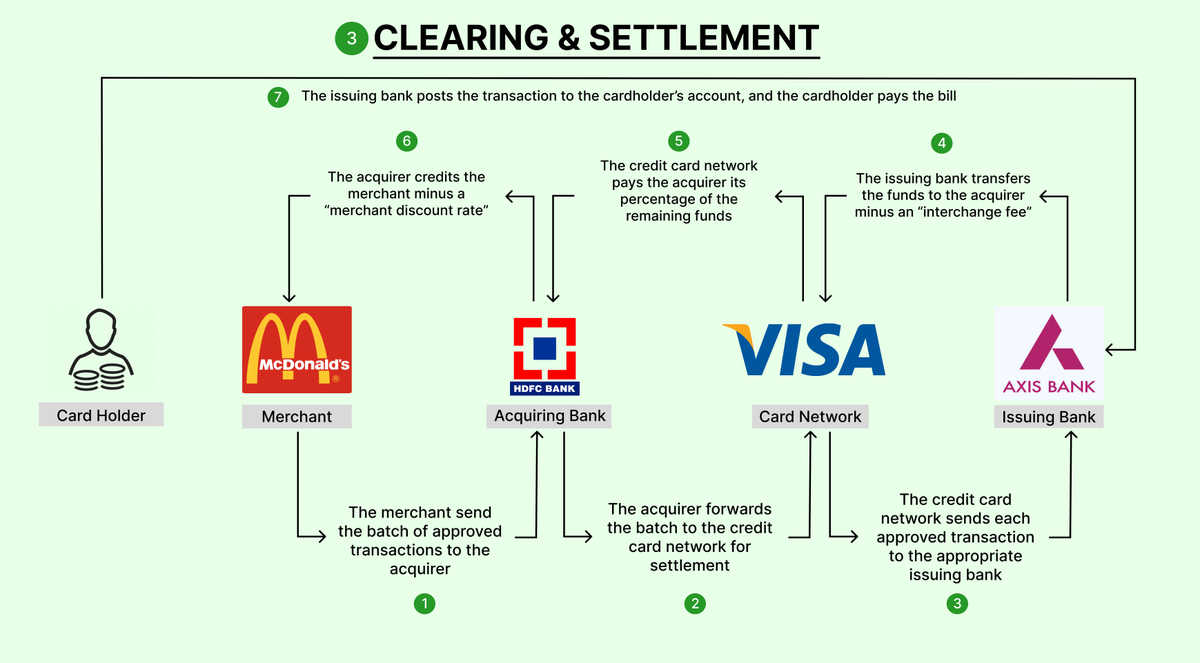
Understanding how American Express cards function fundamentally begins with grasping the distinct structure of the company itself. While most credit card transactions involve at least four parties—the cardholder, the merchant, the acquiring bank (which processes transactions for the merchant), and the issuing bank (which issues the card to the cardholder) operating on an open network (like Visa or Mastercard)—American Express often streamlines this process considerably.
Issuer, Network, and Merchant Acquiring: A Unified Model
American Express primarily operates a “closed-loop” network. This means that for most of its widely recognized consumer and business cards, American Express is simultaneously the card issuer, the payment network, and often the merchant acquirer. When you use an Amex card, the transaction typically flows directly through American Express’s own systems from the point of sale to your account. This vertically integrated model provides several strategic advantages. For one, it offers Amex unparalleled data on cardmember spending habits and merchant acceptance, allowing for highly personalized offers, fraud detection, and loyalty programs. For cardholders, this often translates into direct customer service, consistent benefits, and a seamless experience. While Amex has begun to open its network in some regions, allowing other financial institutions to issue cards on its network, the core “closed-loop” model remains central to its operational philosophy and market position.
Beyond Traditional Credit: Charge Cards Explained
One of the most distinctive aspects of American Express’s product lineup is its emphasis on charge cards, particularly for its more premium offerings like The Platinum Card® and Centurion® Card. Unlike traditional credit cards, charge cards typically do not have a pre-set spending limit and require the cardholder to pay the full balance in full by the due date each month. This structure is a fundamental departure from revolving credit lines, where cardholders can carry a balance month-to-month by paying a minimum amount, incurring interest charges. The “no pre-set spending limit” feature means that the card’s purchasing power dynamically adjusts based on factors such as the cardholder’s spending patterns, payment history, credit record, and financial resources. This model encourages financial discipline, as carrying a balance is generally not an option (though some charge cards now offer “Pay It, Plan It” features for larger purchases). For financially responsible individuals or businesses with significant and variable spending needs, charge cards can offer immense flexibility without the constraints of a fixed credit limit, provided they maintain excellent financial management.
Membership Rewards: A Cornerstone of Value
Central to the financial appeal of many American Express cards, particularly charge and premium credit cards, is the Membership Rewards® program. This proprietary loyalty program allows cardholders to earn points on eligible purchases, which can then be redeemed for a vast array of rewards. Unlike simpler cashback programs, Membership Rewards offers exceptional flexibility and often higher potential value. Points can be transferred to numerous airline and hotel loyalty programs, often with favorable transfer ratios, making them invaluable for travel hacking. Other redemption options include paying for purchases directly with points, gift cards, merchandise, and even investments through select partners. The strategic value of Membership Rewards lies in its versatility and the potential for outsized value when redeemed for travel, making it a powerful financial tool for those who can leverage it effectively. The program encourages consistent use of Amex cards, as earning and accumulating points becomes a key financial objective for many cardholders.
Understanding American Express Card Types
American Express offers a diverse portfolio of financial products, each designed to meet specific needs, from everyday spending to complex business operations. While the underlying Amex network provides a common backbone, the financial mechanics and benefits vary significantly across card types.
Credit Cards: Flexibility and Revolving Credit
While American Express is famous for its charge cards, it also issues a substantial range of traditional credit cards. These cards function much like credit cards from other issuers: they come with a pre-set credit limit, and cardholders have the option to pay their balance in full each month or carry a balance by making a minimum payment. Carrying a balance, however, incurs interest charges based on the card’s Annual Percentage Rate (APR). Amex credit cards often come with competitive rewards programs, intro APR offers, and various perks, making them attractive for those who prefer the flexibility of revolving credit. Examples include the Blue Cash Preferred® Card, offering high cashback rates on everyday spending, and the American Express® Gold Card, which blends credit card functionality with robust dining and grocery rewards. These cards cater to a broad audience, providing financial flexibility with structured credit limits and repayment options.
Charge Cards: Power and Spending Discipline
As previously discussed, Amex charge cards are distinct due to their requirement for payment in full each month and their characteristic “no pre-set spending limit.” These cards are often geared towards affluent individuals or businesses with high spending volumes who manage their finances meticulously. The primary financial benefit is the fluid spending power, enabling significant purchases without encountering a fixed credit ceiling. While this offers unparalleled flexibility, it demands rigorous financial discipline to avoid accumulating unmanageable debt, as the entire balance is due monthly. The rewards structures on charge cards, particularly the premium ones, are typically robust, often featuring higher points earning rates on certain categories and exclusive benefits that provide significant financial value, especially for travel and lifestyle perks. They are a powerful financial instrument for those who can consistently manage their cash flow.
Business Cards: Fueling Entrepreneurial Growth
American Express is a significant player in the small and medium-sized business (SMB) market, offering a comprehensive suite of business cards designed to streamline financial operations and provide crucial benefits. These cards—available as both credit and charge cards—often come with tailored rewards programs that align with business expenses, such as advertising, shipping, or office supplies. Beyond rewards, Amex business cards frequently offer tools for expense management, employee cards with spending controls, and integration with accounting software, which are invaluable for financial tracking and budgeting. They also provide various business-specific protections, such as purchase protection and extended warranties on business equipment. For entrepreneurs and small business owners, these cards can be instrumental in managing cash flow, earning rewards on operational costs, and separating personal from business finances, thereby simplifying tax preparation and financial reporting.
Prepaid & Gift Cards: Controlled Spending
Beyond its core credit and charge card offerings, American Express also provides prepaid cards and gift cards. These products operate on a fundamentally different financial model: they are loaded with a specific amount of money upfront and can only be used until that balance is depleted. They do not involve credit, interest rates, or credit checks. Prepaid cards can be a valuable financial tool for budgeting, managing specific expenses, or for individuals who prefer not to use credit. Gift cards offer a convenient way to give a flexible present, accepted wherever American Express is taken. While simpler in their financial mechanics, they still leverage the Amex network for secure and widely accepted transactions, providing a controlled spending alternative within the broader American Express ecosystem.
Key Financial Mechanics and Features
To fully leverage an American Express card, it’s essential to understand the financial mechanics that govern its operation, from pricing structures to security protocols.
APRs, Fees, and Interest: What You Need to Know
For American Express credit cards, the Annual Percentage Rate (APR) dictates the cost of borrowing if a balance is carried month-to-month. APRs vary widely based on the specific card, the cardholder’s creditworthiness, and market conditions. It’s crucial for cardholders to understand their card’s purchase APR, cash advance APR, and penalty APRs to avoid excessive interest charges. Additionally, Amex cards, particularly premium ones, often come with annual fees. These fees are a direct cost but are typically justified by the extensive benefits, rewards, and exclusive access provided. Other potential fees include late payment fees, returned payment fees, and foreign transaction fees (though many travel-focused cards waive this). Understanding the complete fee structure and how it impacts your overall financial outlay is paramount. For charge cards, the absence of revolving credit means interest charges are generally not applicable on the primary balance, but late payment fees are strictly enforced, reinforcing the “pay in full” requirement.
Credit Limits vs. No-Preset Spending Limit (NPSL)
The distinction between a fixed credit limit and a “No-Preset Spending Limit” (NPSL) is a core financial differentiator. Credit cards have a finite limit, beyond which transactions are declined. This limit is determined by Amex based on the applicant’s income, credit history, and other financial factors. NPSL, characteristic of charge cards, means there’s no publicly advertised or fixed ceiling. Instead, Amex assesses your financial capacity and spending patterns in real-time or over time to determine your dynamic purchasing power. This offers considerable flexibility for high spenders, but it’s not unlimited. Amex monitors account activity closely, and significant deviations from normal spending patterns may trigger a review or require pre-authorization. From a financial management perspective, cardholders with NPSL cards must have excellent cash flow to manage large, variable expenses.
Payment Processes and Billing Cycles
American Express cards operate on a standard monthly billing cycle. At the end of each cycle, a statement is generated, detailing all transactions, payments, and any fees. For credit cards, this statement will show the total balance due, the minimum payment due, and the payment due date. For charge cards, the entire balance is typically due by the payment due date. Amex provides various payment options, including online payments, autopay, mail, and phone payments. Setting up autopay for the full statement balance is a recommended financial practice to avoid late fees and interest, especially for charge cards where the full balance is mandatory. Understanding your billing cycle and due date is fundamental to avoiding penalties and maintaining a positive payment history, which is crucial for credit health.
Fraud Protection and Security Measures
American Express places a strong emphasis on security, offering robust fraud protection that is a significant financial benefit to cardholders. This includes 24/7 fraud monitoring, real-time alerts for suspicious activity, and “zero fraud liability,” meaning cardholders are not responsible for unauthorized charges. Amex also utilizes advanced technologies like EMV chip technology and tokenization for online transactions to protect card data. For businesses, these security features are particularly valuable in safeguarding against financial losses due to fraudulent activity. The integrated nature of the Amex network allows for highly efficient detection and resolution of security issues, providing peace of mind and protecting cardholders’ financial assets.
Benefits and Drawbacks from a Financial Perspective
Choosing an American Express card involves weighing its distinct financial advantages against potential limitations.
Premium Perks and Exclusive Access
From a financial standpoint, Amex cards, especially the premium tier, are renowned for their extensive benefits that can offer significant value. These include travel perks like airport lounge access (e.g., Centurion Lounges, Priority Pass™), elite status with hotel chains or rental car companies, travel insurance protections, and concierge services. Beyond travel, benefits can extend to purchase protection, extended warranties on eligible items, entertainment access, and exclusive dining reservations. For individuals and businesses that can fully utilize these perks, the financial value often far outweighs the annual fees, turning the card into an investment rather than just a payment tool. The key is to assess if your lifestyle or business operations align with the specific benefits offered.
Rewards Programs and Redemption Strategies
The financial engine of many Amex cards is their robust rewards program. Whether it’s Membership Rewards points, cashback, or airline/hotel co-branded points, the ability to earn value back on spending is a major draw. Strategic redemption is where the true financial benefit materializes. For Membership Rewards, transferring points to travel partners often yields the highest value, allowing for premium flight bookings or luxury hotel stays that would be prohibitively expensive otherwise. Cashback cards provide direct financial returns that can offset everyday expenses. Effective financial planning involves understanding point values, identifying optimal redemption avenues, and aligning spending with bonus categories to maximize earnings.
Acceptance Challenges and Merchant Fees
A notable financial consideration for American Express cardholders is its relatively lower merchant acceptance rate compared to Visa or Mastercard, particularly in smaller businesses or international markets. This is primarily due to the higher interchange fees (merchant fees) that Amex historically charges businesses. For a cardholder, this means there might be instances where their Amex card isn’t accepted, necessitating an alternative payment method. From a personal finance perspective, this requires being prepared with a backup card. For businesses considering accepting Amex, the higher fees must be weighed against the potential for attracting high-spending Amex cardholders. While Amex has made strides in expanding its acceptance network, it remains a factor to consider in financial planning.
The Importance of Responsible Card Management
Ultimately, the financial utility of an American Express card, like any financial product, hinges on responsible management. For credit cards, this means paying balances in full to avoid interest or at least making timely minimum payments. For charge cards, it’s non-negotiable to pay the full balance monthly. Mismanagement can lead to high late fees, damage to credit scores, and accumulated debt. Amex cards, with their premium nature and often higher annual fees, demand a disciplined approach to ensure the benefits are realized without falling into financial pitfalls. Regular monitoring of statements, budgeting, and timely payments are critical for maximizing the positive financial impact of an Amex card.
Maximizing Your American Express Card’s Financial Potential
To truly harness the power of American Express cards, cardholders must adopt strategic approaches to spending, rewards, and debt management.
Strategic Spending to Earn Rewards
The financial strategy for maximizing Amex rewards involves aligning your spending with the card’s bonus categories. For instance, if your card offers bonus points on dining and groceries, prioritize using that card for those specific purchases. Utilize welcome bonuses wisely, often requiring a certain spending threshold within an initial period, which can yield tens of thousands of points. For business owners, directing significant operational expenses through an Amex business card can generate substantial rewards that can then be reinvested into the business or used for travel. Understanding the earning structure of your specific card is the foundation of a financially savvy rewards strategy.
Utilizing Travel and Purchase Protections
Beyond points, the embedded travel and purchase protections offered by many Amex cards represent significant financial safeguards. Travel insurance, including trip cancellation/interruption insurance, baggage insurance, and car rental loss and damage insurance, can save cardholders thousands of dollars in unforeseen circumstances. Purchase protections, such as extended warranties and return protection, provide an added layer of financial security on eligible purchases. Savvy cardholders understand these benefits are not merely perks but valuable financial tools that can mitigate risks and protect investments made with the card. Regularly reviewing your card’s benefits guide can uncover underutilized protections.
Managing Debt and Avoiding High Interest
For Amex credit cards, proactive debt management is crucial. The most financially prudent approach is to pay the full statement balance every month to completely avoid interest charges. If carrying a balance is unavoidable, aim to pay as much as possible beyond the minimum to reduce the principal faster. High APRs can quickly erode the value of any rewards earned. For charge cards, strict adherence to the “pay in full” requirement is paramount; otherwise, steep late fees can apply. Leveraging features like “Pay It, Plan It” on some Amex charge cards can offer a way to spread out payments for specific large purchases interest-free, but only for those pre-approved plans.

Leveraging Business Cards for Financial Growth
American Express business cards can be powerful instruments for financial growth. Beyond earning rewards on business expenses, they facilitate better expense tracking and categorization, simplifying accounting and tax preparation. The ability to issue employee cards with spending limits provides financial control and oversight. For startups and growing businesses, carefully chosen Amex business cards can improve cash flow management and offer access to valuable business resources and insights. Strategic use of these cards can contribute to a business’s overall financial health and operational efficiency, turning everyday expenses into opportunities for financial return and management improvements.
In conclusion, American Express cards are more than just payment tools; they are sophisticated financial instruments that operate within a unique ecosystem. By understanding their distinct models—from closed-loop networks to the nuances of charge versus credit cards—and by strategically leveraging their rewards programs, premium benefits, and robust security features, individuals and businesses can unlock significant financial value. However, the premium nature and specific requirements of many Amex products demand a disciplined and informed approach to financial management to truly maximize their potential and avoid common pitfalls.
aViewFromTheCave is a participant in the Amazon Services LLC Associates Program, an affiliate advertising program designed to provide a means for sites to earn advertising fees by advertising and linking to Amazon.com. Amazon, the Amazon logo, AmazonSupply, and the AmazonSupply logo are trademarks of Amazon.com, Inc. or its affiliates. As an Amazon Associate we earn affiliate commissions from qualifying purchases.