
The question “when will crypto go up?” echoes through forums, investment groups, and casual conversations whenever the digital asset market experiences a lull or a significant downturn. It’s a question rooted in both hopeful anticipation and genuine financial concern, reflecting the inherent volatility and the profound investment potential that cryptocurrencies represent. For investors navigating this nascent yet rapidly maturing asset class, understanding the multifaceted factors that drive crypto price movements is paramount, far more so than attempting to pinpoint an exact date for the next bull run. This article delves into the complex interplay of macroeconomic forces, industry-specific developments, and investor psychology that collectively dictate the ebb and flow of the cryptocurrency market, offering an insightful perspective for those seeking to make informed financial decisions.
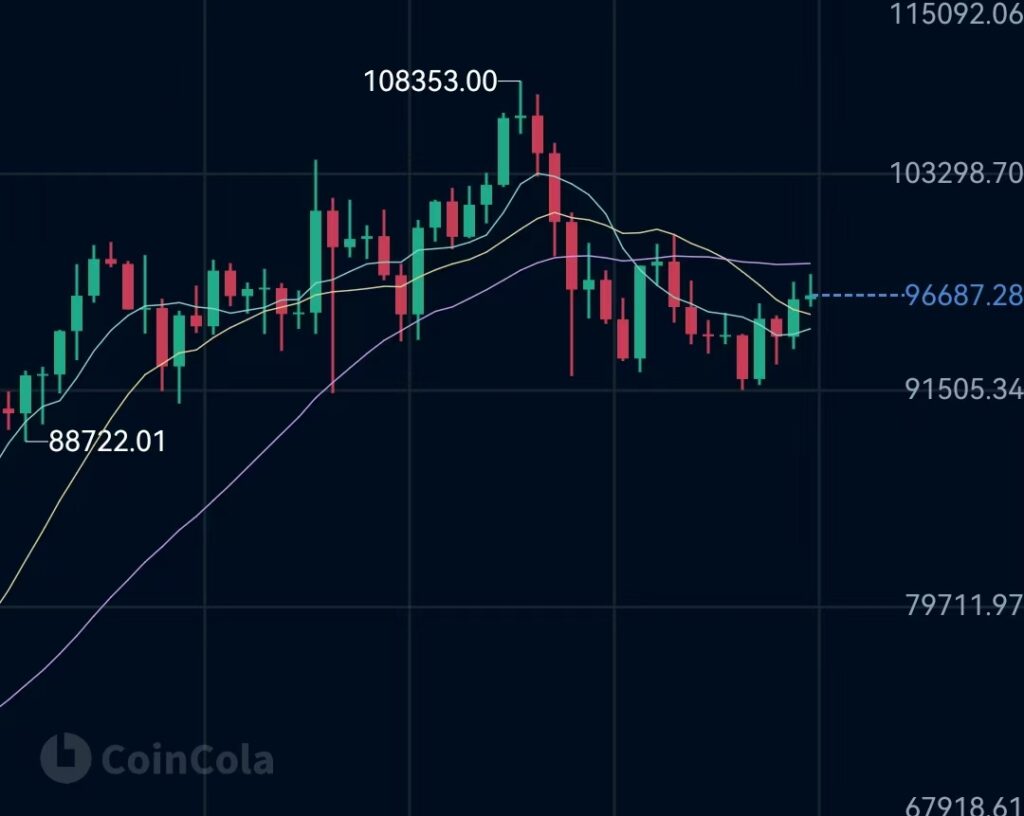
The Volatile Nature of Cryptocurrency Markets
Cryptocurrencies are notorious for their price swings, often making traditional asset classes seem placid by comparison. This volatility, while exhilarating for some, can be daunting for others. Understanding its roots is crucial for any investor.
A Brief History of Boom and Bust Cycles
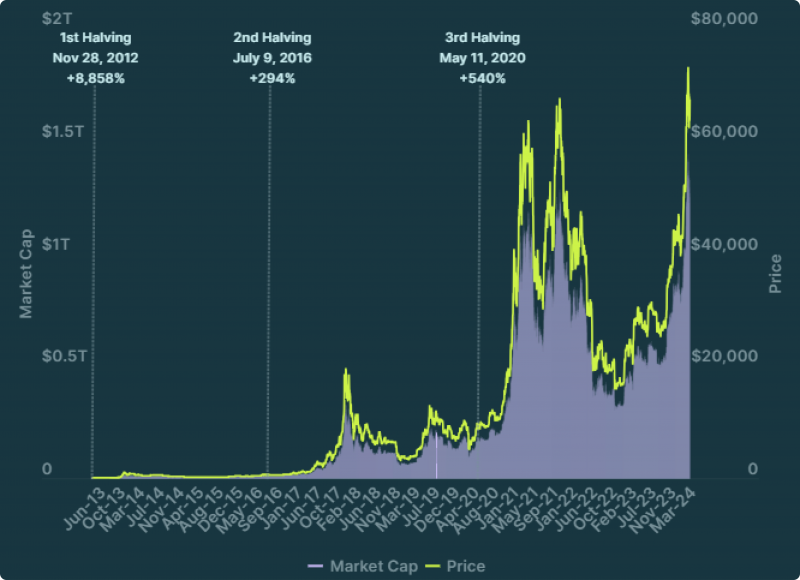
Since its inception with Bitcoin in 2009, the cryptocurrency market has been characterized by distinct periods of rapid expansion (bull runs) followed by significant contractions (bear markets or “crypto winters”). We’ve witnessed several such cycles: the 2013 surge driven by early adoption and speculative interest; the monumental 2017 boom propelled by the ICO craze and mainstream awareness; and the subsequent 2021 rally fueled by institutional interest, DeFi, and NFTs. Each peak was inevitably followed by a sharp correction, often seeing asset values plummet by 70-90% from their highs. These cycles are not random; they are often a consequence of exuberant speculation, market saturation, and subsequent profit-taking or panic selling. Recognising these historical patterns helps investors contextualise current market conditions and manage expectations, understanding that significant drawdowns are a feature, not a bug, of this asset class.
Key Drivers of Crypto Volatility
Several factors contribute to the amplified volatility seen in crypto markets. Firstly, the market’s relative immaturity and smaller market capitalization compared to traditional assets mean that larger buy or sell orders can have a disproportionate impact on prices. Secondly, speculation plays a massive role; a significant portion of trading volume is driven by short-term speculation rather than long-term fundamental investing. Thirdly, news and regulatory developments can cause immediate and drastic price changes. A positive announcement about institutional adoption or a favourable regulatory framework can send prices soaring, while a crackdown or a major hack can trigger a swift sell-off. The 24/7 global nature of crypto markets also means that price action is continuous, without the closing bell of traditional exchanges, further amplifying rapid responses to new information. Lastly, the high degree of retail investor participation means that market sentiment can shift rapidly, driven by social media trends and fear of missing out (FOMO) or fear, uncertainty, and doubt (FUD).
Macroeconomic Factors Influencing Crypto Prices
While internal market dynamics are significant, cryptocurrency prices are increasingly susceptible to broader macroeconomic trends and policies that dictate global capital flows and investor risk appetite.
Interest Rates and Inflation’s Impact
Monetary policy, particularly interest rate decisions by central banks like the U.S. Federal Reserve, exerts a powerful influence. When interest rates are low and money is cheap, investors tend to seek higher returns in riskier assets, including cryptocurrencies. Conversely, when central banks raise interest rates to combat inflation, the cost of borrowing increases, making safer, fixed-income investments more attractive. This often leads to a rotation of capital out of riskier assets, including crypto, into less volatile alternatives. Inflation itself has a dual impact: some view Bitcoin, for example, as a hedge against inflation due akin to “digital gold” due to its fixed supply. However, persistent high inflation can trigger aggressive monetary tightening, which, as mentioned, can depress crypto prices. The interplay between inflation expectations and central bank responses is a critical barometer for crypto investors.
Global Economic Stability and Risk Appetite
The overall health of the global economy directly correlates with investor risk appetite. During periods of economic prosperity and stability, investors are generally more willing to allocate capital to speculative and high-growth assets like cryptocurrencies. Conversely, in times of economic uncertainty, geopolitical instability, or recessions, investors typically flock to safer haven assets, reducing exposure to volatile sectors. Major global events – pandemics, wars, financial crises – often lead to widespread de-risking across all asset classes, and crypto, being at the higher end of the risk spectrum, often experiences exacerbated downturns. The availability of liquidity in the broader financial system also plays a role; a contraction in global liquidity usually translates to less capital flowing into speculative markets.
The Correlation (or Decoupling) with Traditional Markets
Initially, cryptocurrencies, particularly Bitcoin, were often touted as uncorrelated assets, moving independently of stock markets or other traditional investments. This narrative suggested they could offer diversification benefits. However, in recent years, especially during periods of market stress, a stronger correlation has emerged between Bitcoin (and by extension, the broader crypto market) and traditional equity indices, particularly tech-heavy indices like the Nasdaq. This increased correlation suggests that institutional adoption and the growing integration of crypto into mainstream finance mean that it’s increasingly viewed through the lens of a risk asset alongside other growth stocks. The question of whether crypto will eventually decouple and assert its independence, or if it will remain largely correlated, is a hotly debated topic among financial analysts and has significant implications for investment strategies.
Industry-Specific Developments and Catalysts
Beyond macroeconomic forces, the internal evolution and adoption within the crypto industry itself are powerful drivers of market appreciation. Continuous innovation and increasing utility are key to long-term growth.
Technological Advancements and Scalability
The underlying technology of blockchain is constantly evolving. Innovations like Layer-2 scaling solutions (e.g., Optimism, Arbitrum, Polygon) are addressing the critical issues of transaction speed and cost on major blockchains like Ethereum, making them more usable for mass adoption. Developments in sharding, proof-of-stake transitions, and new consensus mechanisms aim to enhance network efficiency and security. Interoperability solutions that allow different blockchains to communicate and transfer assets seamlessly are also vital for a more cohesive ecosystem. These technological improvements pave the way for greater utility, reduced friction, and ultimately, wider adoption, which can serve as significant catalysts for price appreciation as the networks become more robust and capable.
Institutional Adoption and Mainstream Integration
One of the most significant long-term growth drivers for crypto is the increasing involvement of institutional investors and the integration of digital assets into mainstream financial products and services. The approval of Bitcoin ETFs, for instance, provides a regulated and accessible avenue for traditional investors to gain exposure to crypto without directly holding the assets. Major corporations holding Bitcoin on their balance sheets, financial institutions offering crypto services, and traditional payment processors integrating digital currencies all lend legitimacy and bring substantial capital into the market. This influx of institutional money not only increases market liquidity but also signifies a growing acceptance that crypto is a legitimate asset class, reducing its perceived risk for retail investors and setting the stage for future rallies.
Regulatory Clarity and its Double-Edged Sword
Regulatory uncertainty has long been a major hurdle for the crypto industry, deterring institutional players and fostering a climate of apprehension. A lack of clear guidelines on asset classification, consumer protection, and tax implications creates an unpredictable environment. However, increasing regulatory clarity, even if it comes with stringent rules, can be a double-edged sword that ultimately benefits the market. While strict regulations might initially be seen as negative, they often provide the framework necessary for institutions to participate safely and for retail investors to feel protected. Clear rules can foster trust, reduce illicit activities, and attract more mainstream capital. Conversely, overly burdensome or restrictive regulations in key jurisdictions could stifle innovation and adoption, potentially dampening price growth. The ongoing global dialogue surrounding crypto regulation will continue to be a dominant theme shaping market sentiment and investment decisions.
On-Chain Metrics and Technical Analysis for Prediction
For those looking to predict market movements, a blend of fundamental and technical analysis, specifically leveraging on-chain data, offers valuable insights into the health and direction of the crypto market.
Analyzing Supply and Demand Dynamics
On-chain metrics provide an unparalleled view into the underlying supply and demand fundamentals of a cryptocurrency. Unlike traditional markets where ownership is often opaque, blockchain data reveals the movement of coins, wallet balances, and transaction volumes in real-time. Metrics such as the number of active addresses, transaction count, miner revenue, and the amount of coins held on exchanges (indicating selling pressure) can signal whether demand is increasing or decreasing. For instance, a persistent outflow of coins from exchanges into self-custody wallets often suggests a “hodling” mentality and reduced selling pressure, which can be bullish. Conversely, large inflows to exchanges may indicate an intent to sell. The Bitcoin “stock-to-flow” model, while controversial, also attempts to predict price based on the scarcity created by its fixed supply and halving events.
Decoding Investor Sentiment (Fear & Greed Index, Social Media)
Investor sentiment plays an outsized role in the highly emotional crypto markets. Tools like the “Crypto Fear & Greed Index” aggregate various market data points (volatility, momentum, social media, dominance, etc.) to provide a quantifiable measure of whether the market is overly fearful or excessively greedy. Extreme fear often coincides with market bottoms, presenting potential buying opportunities for contrarian investors, while extreme greed often precedes market tops, signaling caution. Beyond indices, monitoring social media sentiment through analysis of trends, discussions, and influencer activity can offer real-time insights into the prevailing mood, although this must be treated with caution due to the potential for manipulation and misinformation. Understanding the emotional temperature of the market can help investors avoid making impulsive decisions driven by panic or euphoria.
Chart Patterns and Support/Resistance Levels
Technical analysis, while not a crystal ball, provides a framework for interpreting historical price action to infer future movements. By examining candlestick charts, investors look for recurring patterns (e.g., head and shoulders, double bottoms, ascending triangles) that might suggest a reversal or continuation of a trend. Identifying key support and resistance levels – price points where buying or selling pressure has historically been strong – can help in determining potential entry and exit points. Moving averages (e.g., 50-day, 200-day) are also widely used indicators; when a short-term moving average crosses above a long-term one (“golden cross”), it’s often seen as a bullish signal, and vice versa for a “death cross.” While technical analysis is best used in conjunction with fundamental and on-chain analysis, it remains a powerful tool for short- to medium-term trading decisions and for understanding market structure.
Navigating the Uncertainty: Investment Strategies
Given the inherent unpredictability of “when crypto will go up,” a sound investment strategy focused on risk management and long-term vision becomes paramount.
Long-Term Hodling vs. Active Trading
Investors face a fundamental choice: to be long-term holders (often called “hodlers”) or active traders. Long-term hodling involves accumulating cryptocurrencies with the intention of holding them for several years, riding out short-term volatility in anticipation of significant future appreciation driven by fundamental adoption and technological progress. This strategy often involves “dollar-cost averaging” – investing a fixed amount at regular intervals, regardless of price, to mitigate the risk of buying at a peak. Active trading, on the other hand, involves frequent buying and selling to capitalize on short-term price fluctuations. While potentially more profitable, it requires significant time, skill, emotional discipline, and a deep understanding of technical analysis and market dynamics. For most retail investors, especially those new to crypto, a long-term hodling strategy, possibly combined with dollar-cost averaging, is generally recommended to navigate the market’s volatility more effectively.
Diversification within the Crypto Ecosystem
Just as one diversifies across different asset classes in traditional finance, diversification within the crypto ecosystem is crucial. Relying solely on a single cryptocurrency, even Bitcoin or Ethereum, exposes an investor to concentration risk. A diversified crypto portfolio might include a mix of large-cap “blue-chip” cryptocurrencies, promising mid-cap projects with strong use cases (e.g., DeFi protocols, Layer-1 alternatives), and perhaps a small allocation to higher-risk, smaller-cap projects. The rationale is that different sectors of the crypto market may perform differently at various times. However, it’s also important to avoid over-diversification into too many speculative or low-quality projects, which can dilute returns and make portfolio management unwieldy. Thorough research into the project’s whitepaper, team, technology, and community is essential before adding any asset to a diversified portfolio.

Risk Management and Position Sizing
Effective risk management is non-negotiable in the highly volatile crypto market. This includes never investing more than you can afford to lose, as substantial drawdowns are always a possibility. Position sizing – determining how much capital to allocate to each investment – is critical. A common approach is to allocate a smaller percentage of your total portfolio to higher-risk assets and a larger percentage to more established, lower-risk ones. Setting clear profit targets and stop-loss levels, even if not strictly adhered to for long-term holds, can help manage emotions and prevent catastrophic losses. Regularly rebalancing your portfolio to maintain your desired asset allocation and risk profile is also a good practice. Understanding and accepting the inherent risks, rather than chasing quick riches, is the hallmark of a financially responsible crypto investor.
In conclusion, predicting the precise moment “when crypto will go up” is an elusive endeavor. The market’s future trajectory is a complex interplay of global economic forces, the relentless pace of technological innovation, evolving regulatory landscapes, and the ever-shifting tides of investor sentiment. Rather than focusing on a speculative timeline, informed investors should concentrate on understanding these underlying drivers, adopting sound financial strategies like dollar-cost averaging and diversification, and practicing disciplined risk management. The long-term potential of cryptocurrencies remains compelling, but navigating its journey successfully requires patience, continuous learning, and a robust, research-driven approach to financial decision-making.
aViewFromTheCave is a participant in the Amazon Services LLC Associates Program, an affiliate advertising program designed to provide a means for sites to earn advertising fees by advertising and linking to Amazon.com. Amazon, the Amazon logo, AmazonSupply, and the AmazonSupply logo are trademarks of Amazon.com, Inc. or its affiliates. As an Amazon Associate we earn affiliate commissions from qualifying purchases.