
The financial landscape has undergone a seismic shift over the last decade, transitioning from traditional fiat-centric models toward a more decentralized, digital-first economy. At the epicenter of this transformation is Bitcoin. Once viewed as a fringe digital experiment, Bitcoin has matured into a globally recognized asset class, often referred to as “digital gold” by institutional investors and retail savers alike. For those looking to diversify their portfolios and hedge against inflation, understanding how to acquire Bitcoin safely and strategically is no longer a technical curiosity—it is a fundamental financial literacy requirement.

Buying Bitcoin involves more than just a simple transaction; it requires a systematic approach to choosing platforms, managing security, and understanding the regulatory environment. This guide explores the professional path to acquiring Bitcoin, focusing on the financial structures that ensure your investment is both secure and compliant.
Choosing Your Entry Point: The Exchange Landscape
The most common way to buy Bitcoin is through a cryptocurrency exchange. These platforms act as intermediaries, matching buyers with sellers and providing the infrastructure necessary to convert sovereign currencies, like the U.S. Dollar or Euro, into digital assets. However, not all exchanges are created equal. For the serious investor, the choice of platform should be dictated by security, liquidity, and fee structures.
Centralized Exchanges (CEX)
Most beginners and professional investors start with centralized exchanges. These are corporate entities that provide a user-friendly interface similar to traditional online brokerages. Platforms like Coinbase, Kraken, and Gemini are highly regulated in many jurisdictions, offering a layer of consumer protection and transparency. The primary advantage of a CEX is the ease of use and the ability to link a traditional bank account directly to the platform.
When selecting a CEX, you must scrutinize their security track record. Look for platforms that utilize “cold storage” (keeping the majority of customer funds offline) and offer robust two-factor authentication (2FA). Furthermore, consider the fee schedule. Some platforms charge a flat fee per transaction, while others use a “maker-taker” model, which can be significantly cheaper for those moving larger volumes of capital.
Specialized Financial Apps and Neo-Banks
In recent years, traditional financial technology (FinTech) apps have integrated Bitcoin purchasing. Services like Cash App, PayPal, or Revolut allow users to buy Bitcoin within their existing financial ecosystems. While this is arguably the most convenient method, it often comes with trade-offs. Some of these platforms limit your ability to withdraw your Bitcoin to a private wallet, effectively keeping you within their “walled garden.” For long-term wealth preservation, it is generally recommended to use a service that allows for full custody and portability of your assets.
Navigating the Onboarding Process
Once you have selected a platform, the next step is the onboarding process. Because Bitcoin is now part of the global financial system, reputable exchanges must adhere to rigorous Know Your Customer (KYC) and Anti-Money Laundering (AML) regulations. This ensures that the ecosystem remains transparent and reduces the risk of fraudulent activity.
Account Verification and Security
To begin, you will need to provide government-issued identification, proof of residence, and occasionally a “selfie” for biometric verification. While this may feel intrusive to some, it is a hallmark of a legitimate, compliant platform. During this phase, security should be your top priority. Use a unique, complex password and enable 2FA using an app-based authenticator (like Google Authenticator or Authy) rather than SMS-based 2FA, which is vulnerable to SIM-swapping attacks.
Funding Your Investment
After verification, you must deposit funds into your account. Most exchanges offer several methods:
-
ACH Transfers: Typically free or very low cost, but funds may take several days to clear.
-
Wire Transfers: Usually the fastest way to move large sums of money, though banks often charge a fee for this service.
-
Debit and Credit Cards: While these provide instant liquidity, they often carry the highest fees—sometimes upwards of 3% to 5%. For the cost-conscious investor, bank transfers are almost always the superior choice.
Securing Your Assets: The Architecture of Digital Custody
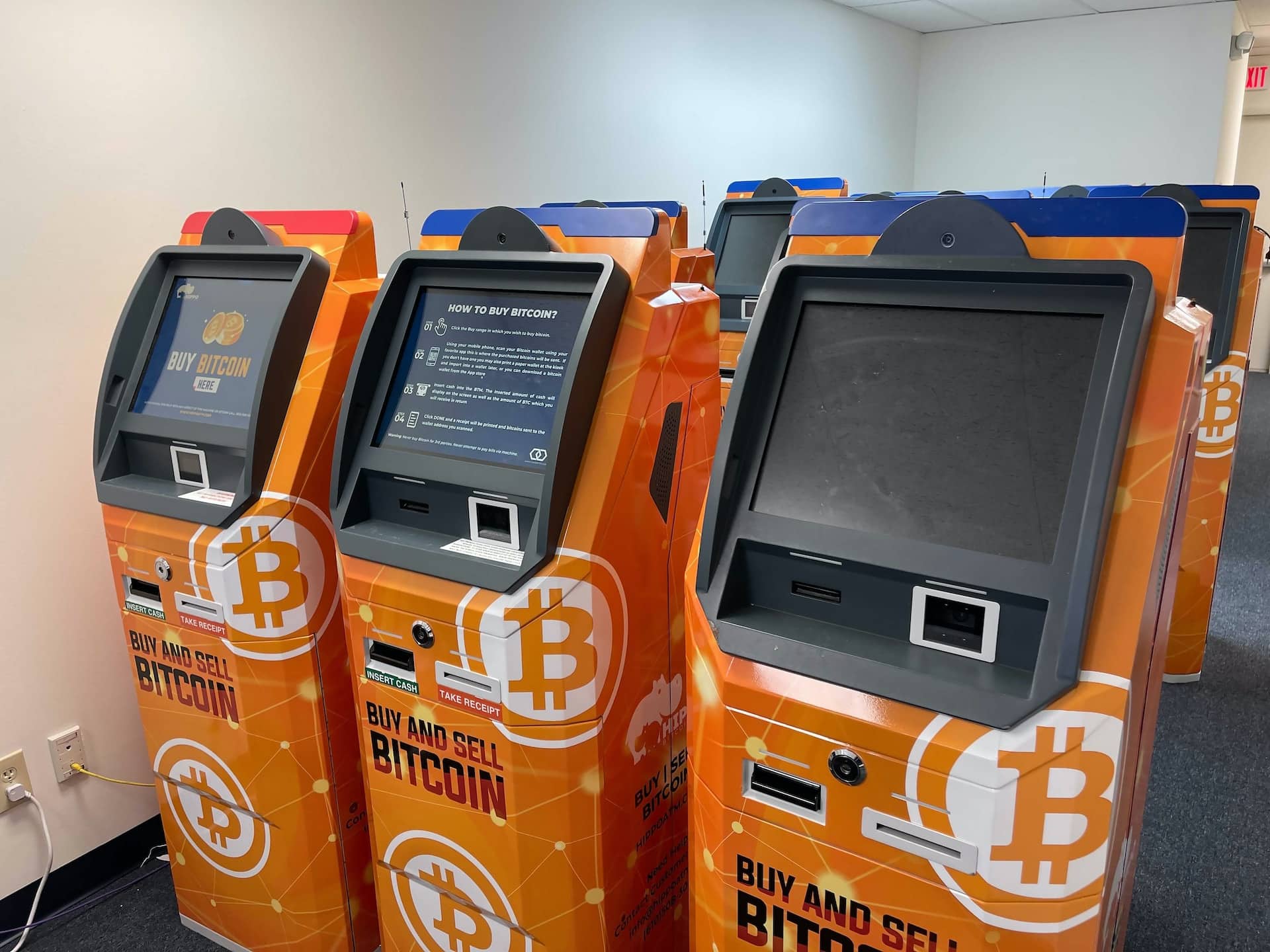
The most critical distinction between buying Bitcoin and buying a traditional stock is the concept of custody. In the world of digital assets, the phrase “Not your keys, not your coins” is a foundational principle. When you leave your Bitcoin on an exchange, you do not technically control it; the exchange holds the private keys on your behalf. To truly “own” your Bitcoin, you must understand how to move it to a private wallet.
Hot Wallets vs. Cold Storage
Wallets are categorized based on their connection to the internet. A “hot wallet” is a software application on your phone or computer. It is convenient for frequent transactions but remains theoretically vulnerable to malware or hacking because it is always online.
For substantial investments, “cold storage” is the industry standard. This involves using a hardware wallet—a physical device that stores your private keys offline. Devices from manufacturers like Ledger or Trezor allow you to sign transactions in a secure, isolated environment. By moving your Bitcoin to a hardware wallet, you eliminate the risk of exchange insolvency or digital theft, placing full financial sovereignty in your own hands.
Managing Seed Phrases
When you set up a private wallet, you will be given a recovery phrase (usually 12 or 24 random words). This phrase is the ultimate key to your funds. If you lose your hardware wallet, these words can restore your balance on a new device. Conversely, if someone else gains access to these words, they can steal your Bitcoin instantly. Professional investors treat these phrases with extreme care, often engraving them on steel plates to protect against fire or water damage and storing them in secure locations like a safe deposit box.
Developing a Strategic Investment Approach
Buying Bitcoin is not merely a technical process; it is a financial strategy. Because of Bitcoin’s historical volatility, the “how” of buying is just as important as the “where.” A disciplined approach can mitigate risk and maximize long-term gains.
Dollar-Cost Averaging (DCA)
One of the most effective strategies for accumulating Bitcoin is Dollar-Cost Averaging. Instead of attempting to “time the market” and buy a large amount at once, you invest a fixed amount of money at regular intervals (e.g., $100 every week or month). This strategy reduces the impact of short-term price fluctuations. When the price is high, your fixed investment buys less Bitcoin; when the price is low, it buys more. Over time, this typically results in a lower average cost per coin and removes the emotional stress associated with market volatility.
Market Orders vs. Limit Orders
When you are ready to execute a trade on an exchange, you will generally face two choices:
-
Market Order: You buy Bitcoin immediately at the current market price. This is simple and fast but may result in “slippage” if the market is moving quickly.
-
Limit Order: You set a specific price at which you are willing to buy. The trade only executes if the market hits that price. This offers more control over your entry point and often incurs lower trading fees.
Compliance, Taxes, and Long-Term Management
The final pillar of buying Bitcoin is understanding your obligations to regulatory authorities. In most jurisdictions, including the United States, Bitcoin is treated as property for tax purposes. This means that every time you sell Bitcoin, or even trade it for another digital asset, it is a taxable event.
Tracking Capital Gains
To remain compliant, you must keep meticulous records of your “cost basis”—the price you paid for the Bitcoin plus any transaction fees. When you eventually sell, you will owe capital gains tax on the difference between the sale price and the cost basis. If you hold the asset for more than a year before selling, you may qualify for lower long-term capital gains tax rates, making “HODLing” (a community term for long-term holding) a tax-efficient strategy.

Utilizing Portfolio Tools
As your investment grows, managing multiple entries and exits can become complex. Utilizing specialized cryptocurrency tax software can automate the process of tracking your transactions and generating the necessary reports for your annual filings. Professionalism in your Bitcoin investment journey requires a proactive approach to these administrative tasks, ensuring that your path to wealth isn’t derailed by legal or regulatory oversights.
Buying Bitcoin is a gateway into the future of finance. By choosing reputable platforms, securing your own private keys, and employing disciplined investment strategies like DCA, you position yourself to benefit from the growth of the digital economy while minimizing the risks inherent in this nascent market. As with any investment, due diligence and continuous education are your most valuable assets.
aViewFromTheCave is a participant in the Amazon Services LLC Associates Program, an affiliate advertising program designed to provide a means for sites to earn advertising fees by advertising and linking to Amazon.com. Amazon, the Amazon logo, AmazonSupply, and the AmazonSupply logo are trademarks of Amazon.com, Inc. or its affiliates. As an Amazon Associate we earn affiliate commissions from qualifying purchases.